
Join Puck to listen to this article
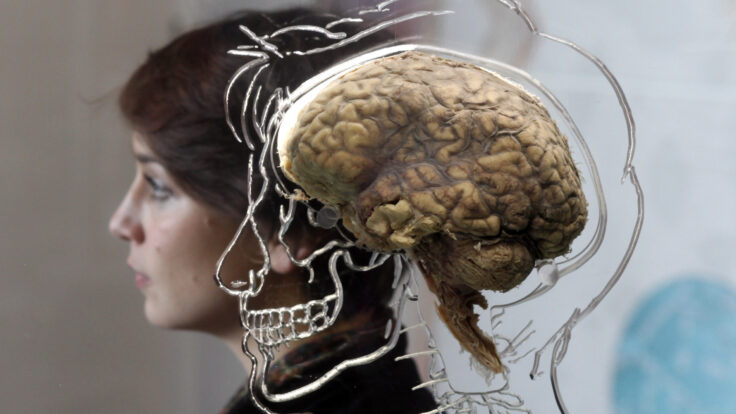
A classic concept in cognitive science is what researchers call mental models—or how our internal representation of the external world informs how we navigate reality. An illustrative example: Michael Jordan was able to close his eyes and still make a free throw because his “mental model” included the exact size, height, distance, etcetera of the basket, and that doesn’t go away just because you close your eyes. A neural network–based system, lacking a reliable model of the physical world, would likely not be able to make that free throw. This shortcoming has increasingly become a point of focus for A.I. companies, who are attempting to build their own “world models” (another term whose definition changes depending on whom you talk to) in order to provide machines with a stable, physically accurate internal representation of certain parts of the external world. For the self-driving car company Waymo, that could mean a world model designed to simulate traffic patterns. For chess-playing machines, it could be what author and cognitive scientist Gary Marcus recently referred to as “board” models, which offer rule-based, constantly updating representations of a given game board.