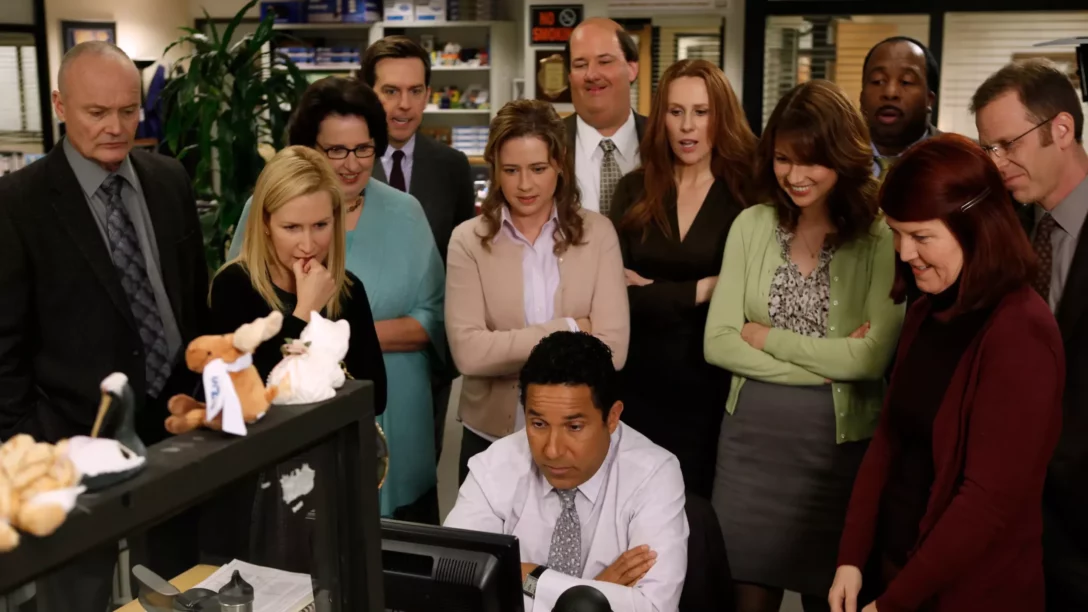
The conventional wisdom in the streaming business is a bit like the Mark Twain joke about New England weather: if you don’t like it, wait 15 minutes. In the beginning, the thinking in Hollywood was that there were only a few big streamers, Netflix, Hulu, and Prime Video, none of which yet posed an existential threat, so why not license them The Avengers or The Office and enjoy the hundreds of millions of dollars in fees? This era, of course, was followed by a mad scramble by virtually all the major players—Disney, WarnerMedia, NBC Universal, Paramount—to launch their own platforms and claw back hits to out-walled-garden each other. As Bob Iger famously put it, “We had been selling nuclear weapons technology to a third world country, and they were now using it against us.”
Streaming’s “Capital Efficiency” Wars

Julia Alexander
February 7, 2023