 |
|
Welcome back to In The Room, I’m Dylan Byers.
I hope you had a great Thanksgiving. I’ve been away with my family, hence the weeklong email hiatus. But I’m back today with news and notes on the most riveting story in transatlantic media circles: Jeff Zucker’s attempt to re-enter the news business via a debt-for-equity takeover of The Telegraph and The Spectator, two of the most storied brands in the U.K. The battle for the Telegraph, which has engaged Murdoch and Lord Rothermere—and, once upon a time, even newly appointed Washington Post C.E.O. Will Lewis—demonstrates the power and allure of legacy media assets, especially in a market that hasn’t taken to the flavor of disruption.
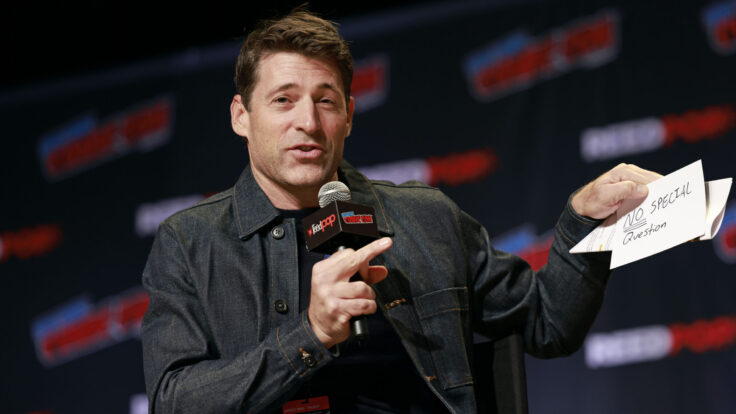
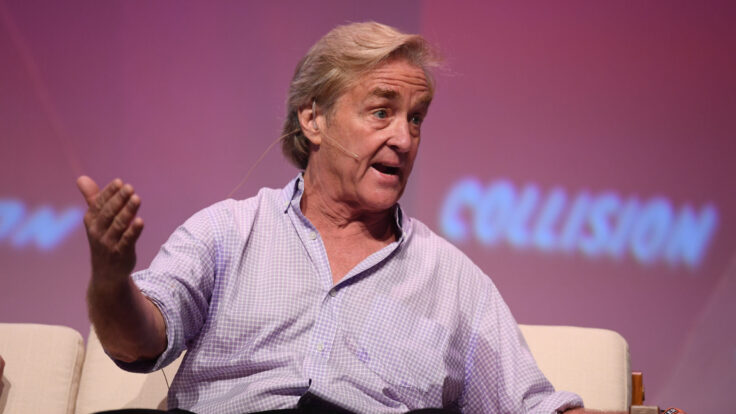
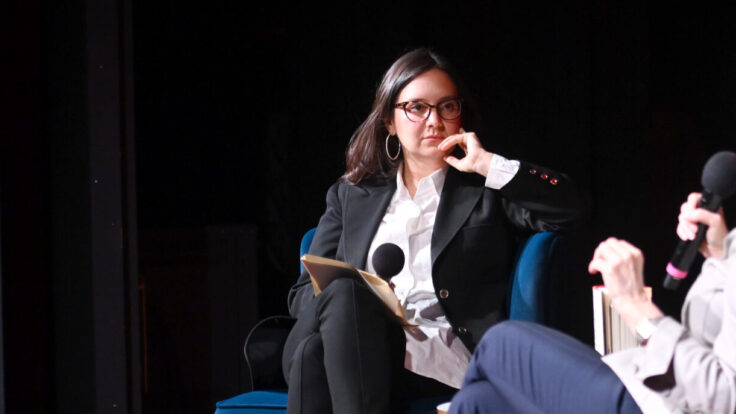
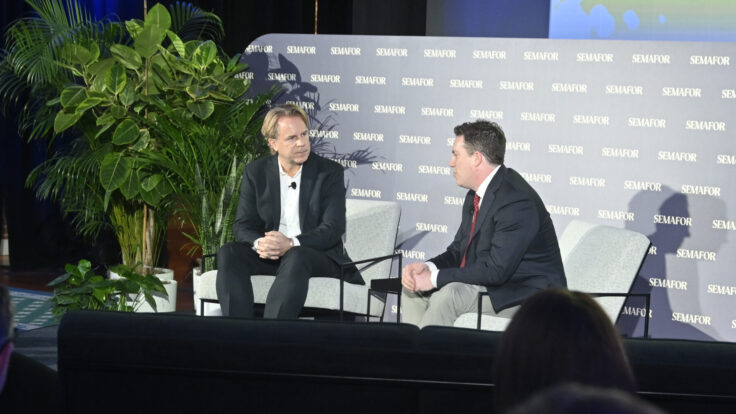
Alas, this battle is anything but straightforward. As Zucker’s RedBird IMI advances, British regulators and rival bidders are questioning the relevance of the fund’s Emirati investors, which could potentially torpedo the deal. Naturally, this is a great Fleet Street story.
|
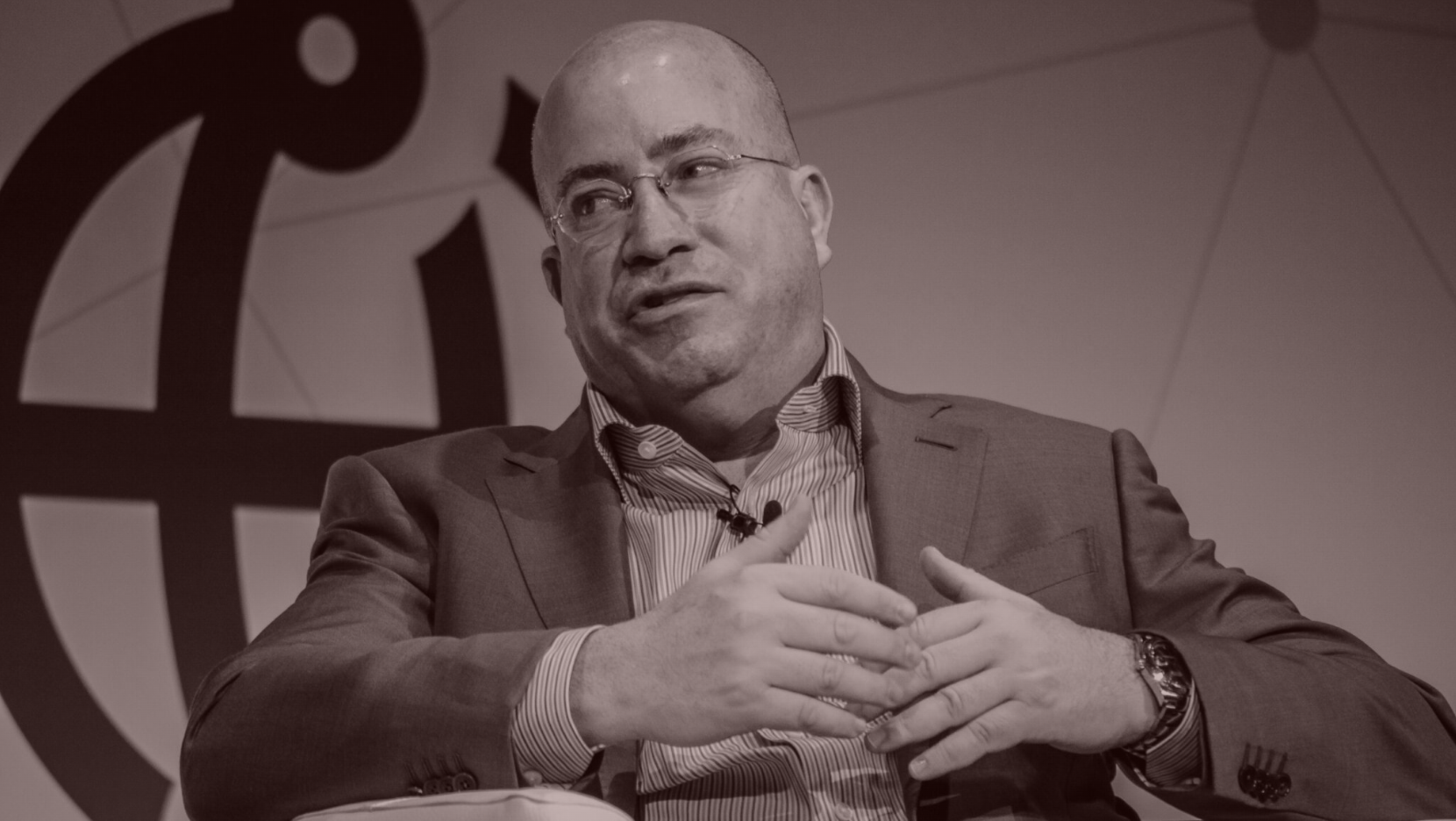 |
| Lord Zucker & the Great Telegraph Chase |
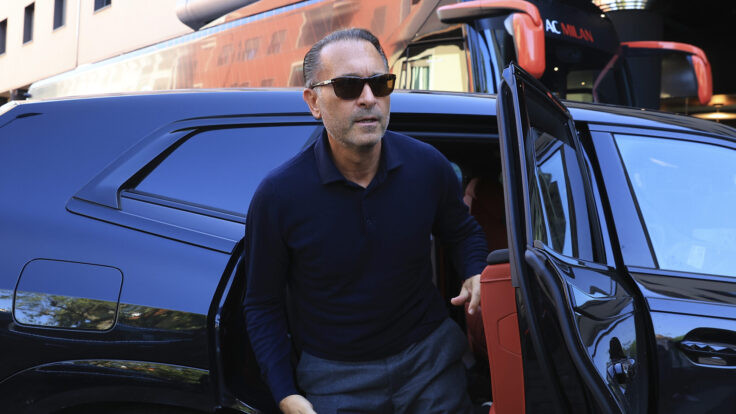
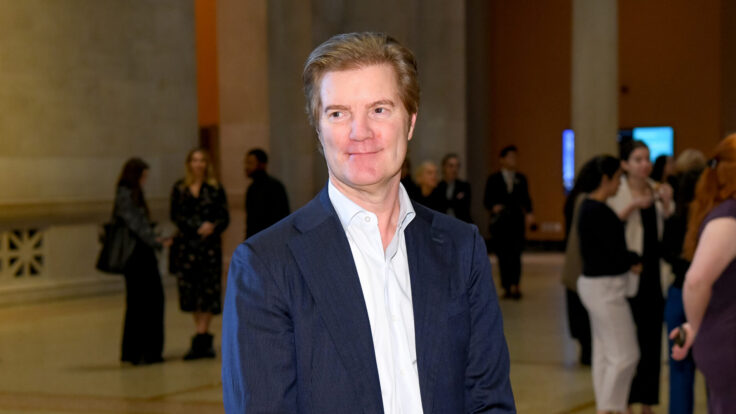
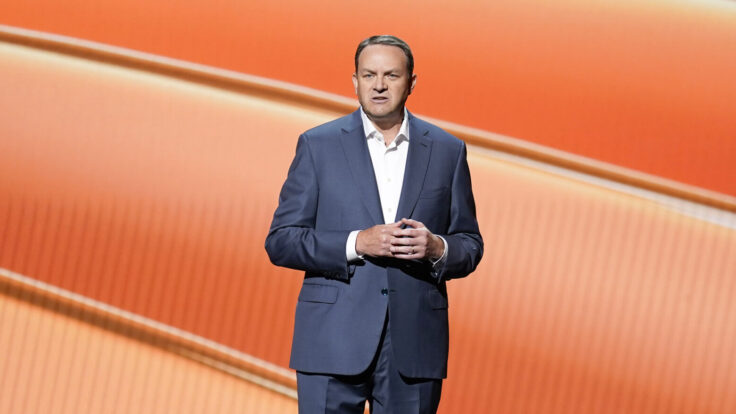
| Jeff Zucker, Gerry Cardinale, and Sheikh Mansour are spending $1.4 billion to take over The Telegraph, presumably introducing the business to the U.S. and making it the thinking person’s Daily Mail. Is it a brilliant move, or might it go the way of other recent legacy reboots? |
|
|
|
| Earlier this year, after Sir Frederick Barclay and his family defaulted on a £1.1 billion debt, Lloyds Bank seized control of the family’s double-barreled heirlooms, The Telegraph, the influential center-right broadsheet and Tory vade mecum, and The Spectator, the prestigious conservative newsmagazine, and put them both up for auction. Of course, media assets with such weighty political influence and cultural heritage rarely come on the block. In the U.S., we saw this phenomenon a decade ago, when troubled but storied assets Businessweek and Newsweek came up for sale. And then we saw it a half decade-ish ago, when Time, Fortune, and The Los Angeles Times all hit auction, and Laurene Powell Jobs agreed to a controlling position in The Atlantic.
Unsurprisingly, even in a nebulous European recession and pricey debt environment, the sale of these historic British assets—and The Telegraph, in particular—drew interest from some of the world’s most notable media barons, including Rupert Murdoch, Mathias Döpfner, Lord Rothermere and Sir Paul Marshall, among others. Will Lewis, the former C.E.O. of Dow Jones and AP board member, had mounted a bid before he was courted by Jeff Bezos to run The Washington Post.
For those who believe that the finicky low margins of the legacy media trade are merely a threshold to enter the influence business, these assets hold tremendous appeal. The relative lack of investment in The Telegraph in recent years belies its enduring political and cultural clout among British conservatives, and there’s consensus that a refurbished digital business has the permission to excel in the U.K. and beyond. The preferred model, of course, is Lord Rothermere’s Daily Mail, which former C.E.O. Paul Zwillenberg transformed from a stodgy and low-fidelity royals rag into the global tabloid of the English-speaking world—a veritable addiction for middle-class readers, a dirty little secret for the wealthy, and a template of what Jesse Angelo should have (and could have) done with the New York Post had longtime editor Col Allan been more focused on the industry’s future than playing fantasy football with the city’s boldfaced names.
The key to this rosy-eyed financial projection is making The Telegraph relevant in the American market. In recent years, a flurry of startups like The Bulwark and Bari Weiss’s The Free Press have articulated the opportunity for a serious right-inflected media brand positioned somewhere in between The Journal and Fox News. And while these new companies have had success attracting elite, ideologically alienated audiences, they have been challenged to concoct true multifaceted businesses outside of pure-play subscription/contribution models. Conservative anti-Trumpism may attract audiences, but it repels advertisers, who covet a safer space to market their brands.
A well-executed Telegraph/Spectator business model reinvention could provide the chance to create a bigger platform based on subscription, direct-sold and programmatic advertising, and maybe even commerce, events, and whatever else—a conservative, multinational lifestyle brand following the Times’ march on the leftward path. The Daily Wire, Ben Shapiro and Jeremy Boreing’s new mediaco, is a meaningful gesture at what success looks like in this direction.
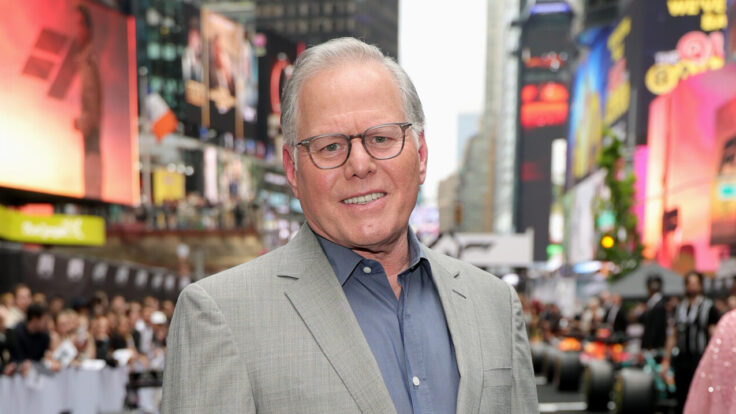
Given this paradigm, it makes sense that the Telegraph and Spectator’s most unconventional suitor came from this side of the pond. Last week, the auction was paused when Jeff Zucker, the former NBCUniversal C.E.O. and CNN president who is now C.E.O. of the Abu Dhabi-backed joint investment vehicle RedBird IMI, engineered a £1.1 billion, or $1.4 billion, deal with the Barclay family to fund the repayment of their debts in order to bring the media assets out of receivership. At that point, RedBird IMI would convert the debt into ownership, and Zucker would gain oversight of the assets.
That offer, which RedBird IMI announced Monday, has invited a fair deal of scrutiny from 10 Downing, Parliament, and British regulators over what American and Abu Dhabi ownership might mean for some of British conservatives’ most treasured news entities. And it’s also created a deal cudgel for schadenfreude-minded competing investors, who are privately whispering that the Emirati element could compromise the brands’ integrity. In an interview with the FT, Zucker downplayed the role of IMI beyond a limited financial partner, accused rival bidders of “slinging mud,” and promised to guarantee the publications’ editorial independence via, among other things, the establishment of an editorial advisory board. |
|
|
| Financially, the RedBird deal is interesting. The Telegraph and Spectator had combined revenues of about $345 million and EBITDA of $70 million in FY22. I’ve heard that The Telegraph has had a solid year but that The Spectator is trailing expectations in the choppy advertising climate. Per the terms of the deal, RedBird IMI would trade the Barclay family £600 million, or $750 million, for rights to the media assets. The other half of the Barclays’ $1.4 billion debt would be paid by Sheikh Mansour bin Zayed Al Nahyan, a member of the Emirati royal family who runs its International Media Investments arm, effectively owns 75 percent of RedBird IMI, and is also the proud owner of Manchester City F.C., among other clubs.
This unconventional bid has attracted exactly the sort of political micro-scandal that Zucker has become accustomed to in recent years. After all, when Lloyds put the assets up for auction, British officials told several suitors that they would not approve an offer with more than 25 percent foreign funding, three sources familiar with those discussions told me.
Earlier this month, Lord Rothermere’s Daily Mail and General Trust, or DMGT, abandoned an initial plan to partner with a Qatari investment group for its offer. Yet RedBird IMI is a joint venture between Sheikh Mansour’s IMI and Gerry Cardinale’s RedBird private equity boutique. The venture launched with $1 billion in funding, $750 million of it from Mansour. And though the financial arrangements here are all a bit tricky, Mansour’s 75 percent ownership of the Zucker venture, coupled with his personal commitment to service the remainder of the loan, means that the overwhelming majority of funds being used to secure the Telegraph and Spectator are coming from Abu Dhabi.
Unsurprisingly, Tory politicians have voiced concern over RedBird IMI ownership, which they describe as “a potential threat to press freedom.” And on Wednesday, British media minister Lucy Frazer signaled her intention to intervene in the deal, saying she had concerns about The Telegraph’s independence given RedBird IMI’s “links to media organizations that have been critiqued for partisan views.” In the global economy, it seems, all is well and good for Gulf states to own football teams and real estate assets, but treasured media institutions with political influence are a whole different matter—even if their capital is backstopping an American entity managed by an independent-thinking media executive.
Nevertheless, it’s worth pausing to consider what Zucker and RedBird IMI want from this deal in the first place. No doubt Sheikh Mansour has his own interests in seeing this deal to fruition. IMI has been building a portfolio of media assets, with oversight of CNN Business Arabic and stakes in Sky News Arabia and Euronews. The Telegraph and Spectator would give him a significant toehold in British politics—and, if all goes according to plan, American politics as well.
As for Zucker, there are two schools of thought regarding his motivations. Some observers believe he desperately wants back into the news game after his abrupt expulsion from CNN, and that he sees the Telegraph and Spectator as the best available option given that none of the major American news assets (besides ABC) are likely to come up for sale anytime soon. Zucker has indicated that he would only manage the business and not oversee day-to-day editorial operations—obviously—though most anyone who has worked with Zucker knows his penchant for micromanagement and hands-on leadership.
Others believe Zucker himself would be more inclined to pursue entertainment and sports assets, and that he is only making this offer at the behest of Sheikh Mansour. To date, RedBird IMI, which has a billion-dollar fund, has only made small plays: a documentary studio called EverWonder, a minority stake in Front Office Sports, and Mo Willems’ children’s entertainment company. The Telegraph-Spectator deal would force Zucker to effectively exhaust the funds that currently remain in his account, absent any obvious synergies in the portfolio. That said, there can always be a second fund, especially with these backers. In any event, the most likely explanation for Zucker’s motivations are some combination of all of the above.
After all, the investment thesis on the Telegraph and Spectator is easy enough to comprehend, particularly if the businesses can be successful in the U.S. That said, there isn’t always a royal road to greater success—efficiencies, EBITDA, better model and strategy—in transactions for these kinds of assets. It has taken a half-generation, and multiple ownership transitions, to convert The Atlantic Monthly from a once proud quasi-academic Boston ideas journal, when it was owned by Mort Zuckerman, into a digital-first-ish venture (Atlantic Media) under David Bradley and Justin Smith, and finally a profit-minded-ish Washington version of The New Yorker run by Powell Jobs’ Emerson Collective. Transformation doesn’t occur overnight.
As to what happens next, time will tell. There is perhaps no greater threat to RedBird IMI’s bid than Lloyds’ own wariness about getting bogged down in a long regulatory review process while Fleet Street has a field day over The Telegraph’s fate. Presumably, they just want to get paid. If Zucker’s debt-for-equity swap does get blocked, the Telegraph and Spectator are likely to return to auction, where there now appear to be two leading suitors: Lord Rothermere’s DMGT, and a consortium led by the British investor Sir Paul Marshall, who was an early backer of GB News, and Citadel’s Ken Griffin. The fact that Lord Rothermere already owns the Daily Mail would seem to present its own competition complications, the very same that might have precluded the Murdochs’ deal had it progressed further down the line.
Regardless, Zucker spent the final years of his CNN tenure trying to prevent himself from becoming the news. One can only assume that he is wary of the same thorny issues here. At the same time, it’s clear that he doesn’t want his third act to be a quiet one, nor do his partners at RedBird. In that regard, this may be his perfect deal. |
|
|
|
| FOUR STORIES WE’RE TALKING ABOUT |
 |
|
 |
|
 |
|
 |
| Haley Mary |
| Can Nikki Haley capitalize on her surging campaign? |
| PETER HAMBY |
|
|
|

|
 |
|
|
|
Need help? Review our FAQs
page or contact
us for assistance. For brand partnerships, email ads@puck.news.
|
|
You received this email because you signed up to receive emails from Puck, or as part of your Puck account associated with . To stop receiving this newsletter and/or manage all your email preferences, click here.
|
|
Puck is published by Heat Media LLC. 227 W 17th St New York, NY 10011.
|
|
|
|