 |
|
Welcome back to In The Room. I’m Dylan Byers.
|
|
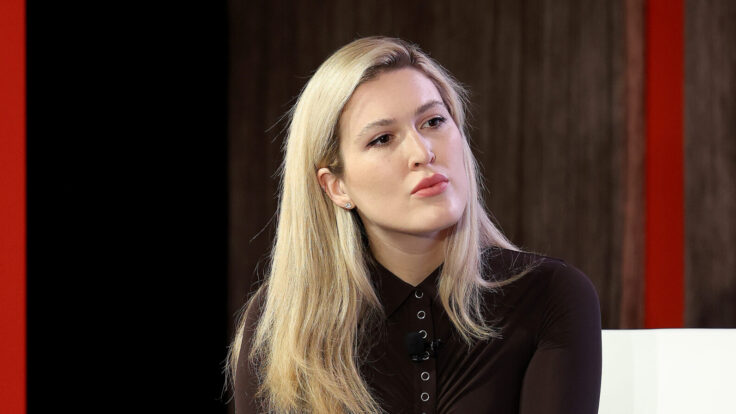
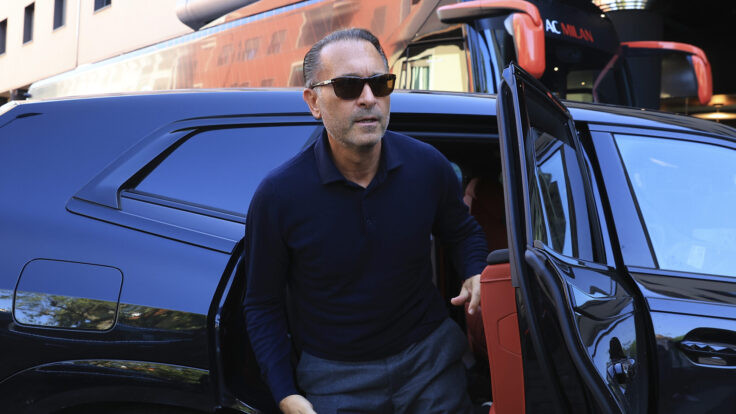
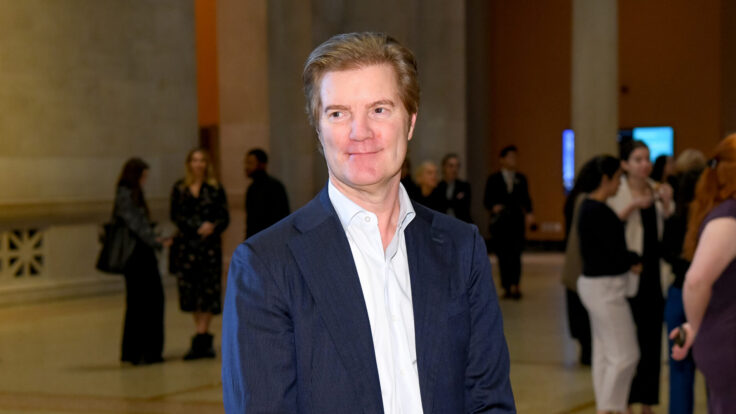
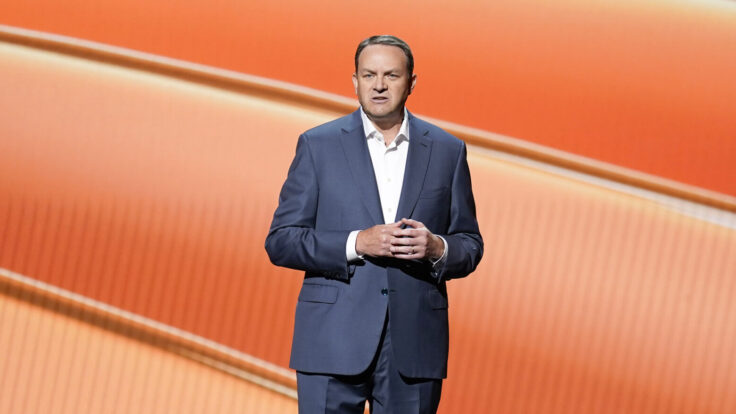
Tonight, in this serene hibernatory period between the holidays and the New Year, a look ahead to four of the most highly anticipated storylines in media: the Zaz-Shari dance, Zucker’s Telegraph chase, and the Mark Thompson and Will Lewis rescue missions. As you may notice, they all have a couple threads in common…
📣 Programming note: Barring major breaking news, I’m off this Friday and returning next Wednesday. In the interim, you can catch me and Jon Kelly presenting our special two-part, top-three, take-it-to-the-bank 2024 media predictions on a special edition of The Powers That Be. The first installment airs New Year’s Day.
|
|
|
| The year 2024, now just over the horizon, already seems brimming with uncertainty in virtually every theater: pivotal wars abroad, a highly consequential presidential election at home, the specter of life-reorienting and economy-uprooting A.I. everywhere, etcetera, etcetera. Much is at stake in the media business, obviously, as the industry lumbers toward further consolidation while struggling to keep pace with digital transformation and shifting business models.
At this critical juncture, the questions bedeviling many institutions can seem existential: How do Disney, Warner Bros. Discovery, and NBCUniversal survive in the era of Apple and Amazon? Meanwhile, what will ESPN’s numbers look like naked on their own P&L? How will Tucker Carlson fare in the wilderness as an entrepreneur? Can organizations like CNN and The Washington Post be revived and their reputations restored, and what transmogrifications will that require? Does a foreign takeover of a treasured news entity—such as, say, The Telegraph—threaten to destroy its influence, or expand it?
A little humility goes a long way, I’m told, and I’ll be the first to say that I don’t know the answers to these questions—though I have heard plenty of well-informed speculation. But I am certain that these storylines will dominate our attention in the weeks and months to come, and make for many a spirited discussion—in pitched whisper, after a full inspection of the room—from Michael’s to Toscana and Seasons to The Polo Bar. In any event, I’m excited to watch all of it unfold, and advance the stories.
Notably, as I was surveying the landscape, I was overwhelmed by two lucid and unavoidable leitmotifs. Firstly, a number of these plots involve a resurrection of some form or other, a financial rescue mission, or existential M&A. Also, it’s hard to avoid the reality that these rescue missions are being pursued and orchestrated by a generation that cut its collective teeth in very different times. Sure, this is a testament to the longevity of guys like Jeff Zucker, who is still sometimes described as a former wunderkind who took over Today in his 20s, and David Zaslav who helped found CNBC by essentially negotiating a mutual non-destruction treaty with Ted Turner, and Mark Thompson, who helped rescue The New York Times Company long enough ago that few remember when it was so financially vulnerable. And yet, on the other hand, the persistence of these great executives suggest—much like Bob Iger’s return to Disney—the very fraught nature of the industry, itself.
Anyway, that’s something to think about over the holidays. In the meantime, herewith: the four most compelling media storylines of 2024… |
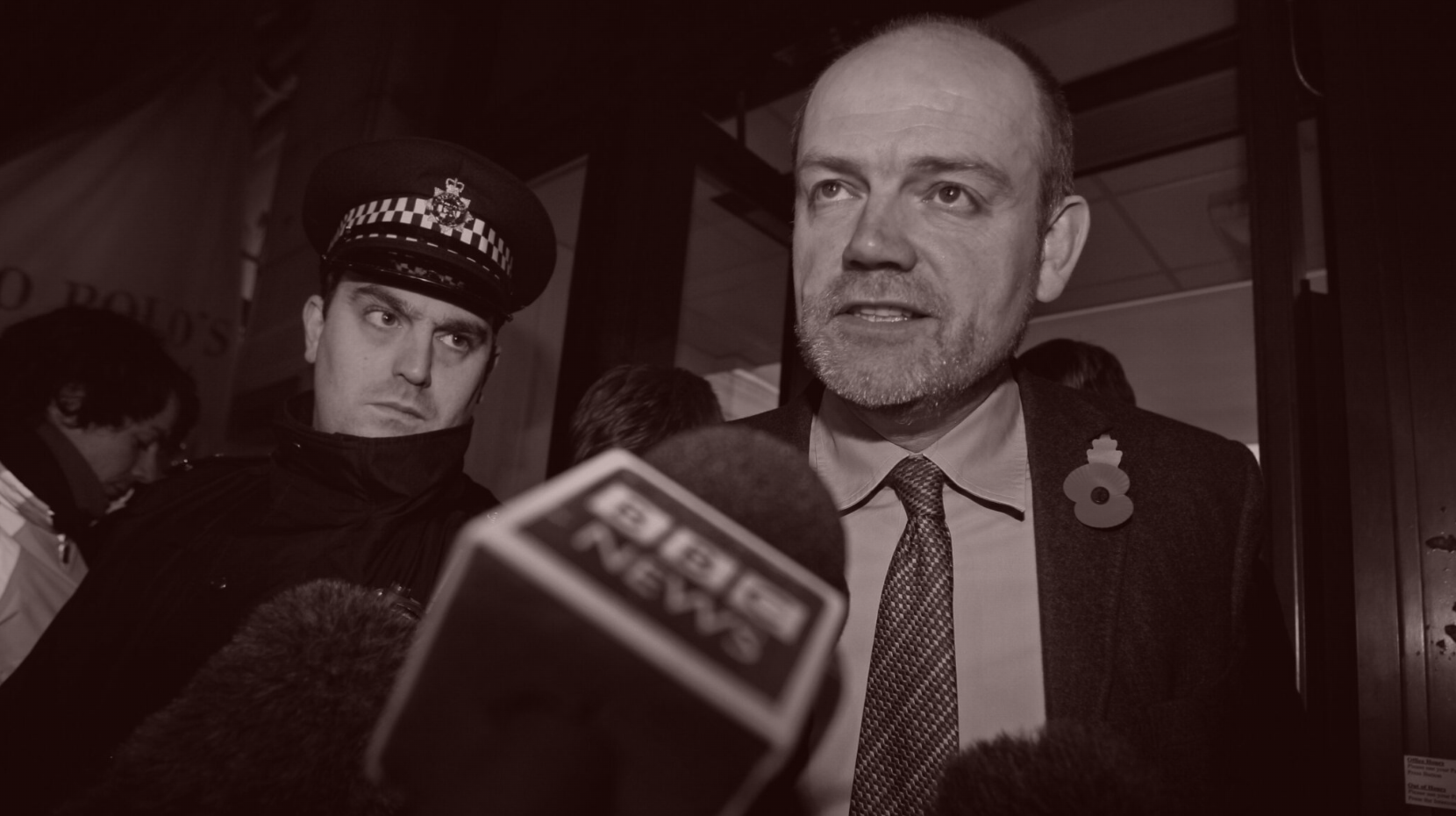
| 1. Can Mark Thompson Save CNN? |
|
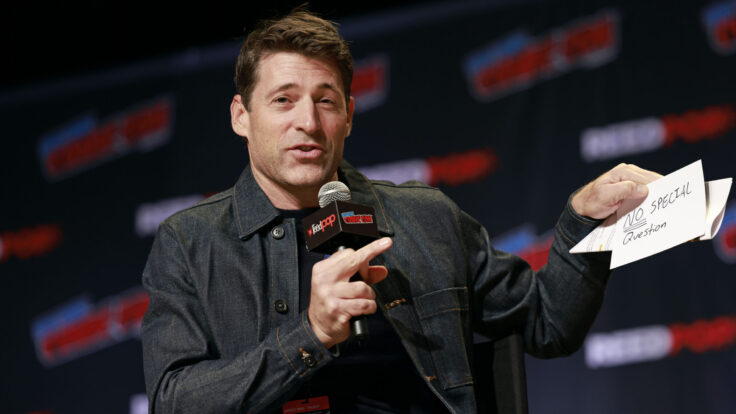
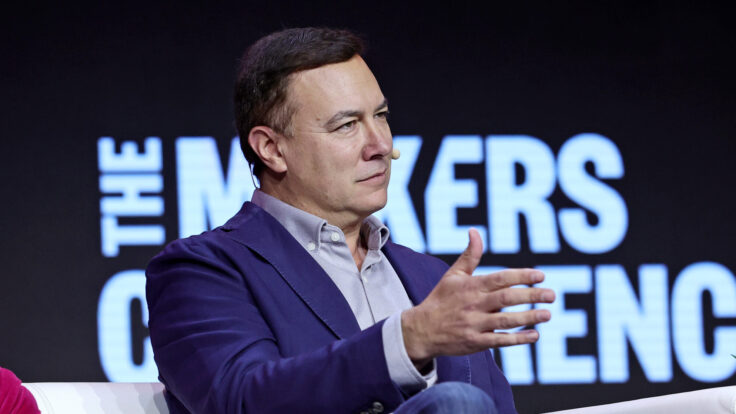
| When Mark Thompson was named chairman and C.E.O. of CNN, in late August, a litany of friends and former colleagues emerged from the woodwork to praise what they described as the ideal man for the job: an accomplished veteran of both television and digital media, with a proven aptitude for restructuring legacy media assets. If anyone could simultaneously manage the still lucrative but rapidly declining linear channels while repositioning the brand for multiplatform innovation and growth, surely he was the guy. The BBC veterans with whom he’d worked for two decades sang the praises of a master programmer, while Timespeople likened him to a visionary corporate captain: “He sees the battleship on the horizon and knows how to maneuver it,” one Times executive told me.
Of course, almost anyone was bound to be an improvement over Chris Licht, whose insecurity and ineptitude depleted morale at Hudson Yards, and whose small-minded preoccupation with the linear product, talent tweaks, and his own reputation (emphasis on the latter) exacerbated the network’s terminal decline. But Thompson seemed to promise more than mere stability: Here was a man—a serious person, friends and colleagues said—who could shepherd CNN into the future and make it a true fixture in people’s lives, just as he had done with the Times. And, indeed, as I reported this month, Thompson is busy at work developing a plan that will restructure CNN around streaming and mobile, with a priority on driving engagement, not just clicks.
Now comes the hard part. CNN is not the Times, even if the two increasingly compete with one another, and the challenge of updating a legacy mediaco’s linear news asset for the mass market is considerably different than digitizing a family-controlled newspaper for a core audience of well-educated liberal elites. And no matter how often David Zaslav professes his love for CNN, it remains a shrinking asset in a portfolio filled with other headaches, and one he is still trying to justify in a post-cable world where news is a commodity that arrives via push notification and presidential debates offer diminishing returns. What differentiates CNN in that environment? And what provides so much added value that you can convince a core audience of news junkies to pay for it—either via Max or a digital subscription?
No one I’ve spoken to at CNN in recent weeks has lost faith in Thompson’s ability to address these questions head on, but people are certainly growing impatient for his answers—even directional cues about whether the surgery will start on the digital front, the streaming strategy, or the primetime lineup. Until Thompson articulates his brave new business plan, the staff will be plodding forth, into 2024, without a framework for ameliorating the network’s ratings and reputational nadir. And don’t forget, alas, that CNN is a notoriously difficult business to manage. It’s filled, after all, with impatient and demanding and bullshit-proof journalists. Thompson has plenty of experience in this sort of environment, sure, but that doesn’t make the challenge easier—especially if he knows, as he probably does, that many of his charges aren’t going to love his ideas.
The presidential campaign season should provide a small reprieve, but only Thompson can alter the long-term trajectory. His leadership over the next year may be relatively drama-free when compared with that of his predecessor, but his decisions—and execution—will be far more meaningful. |
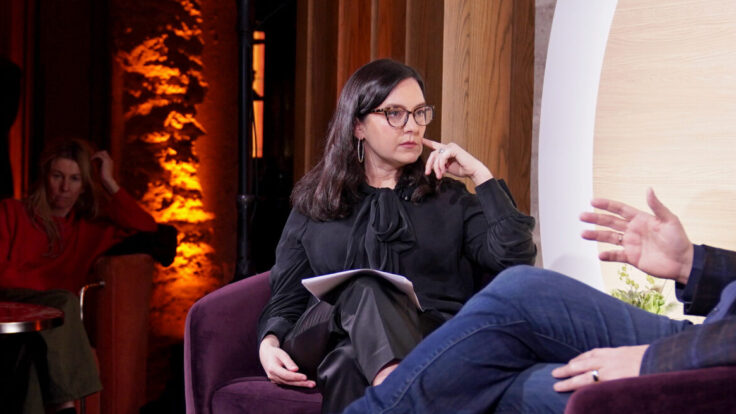
| 2. Can Will Lewis Rescue The Washington Post? |
|
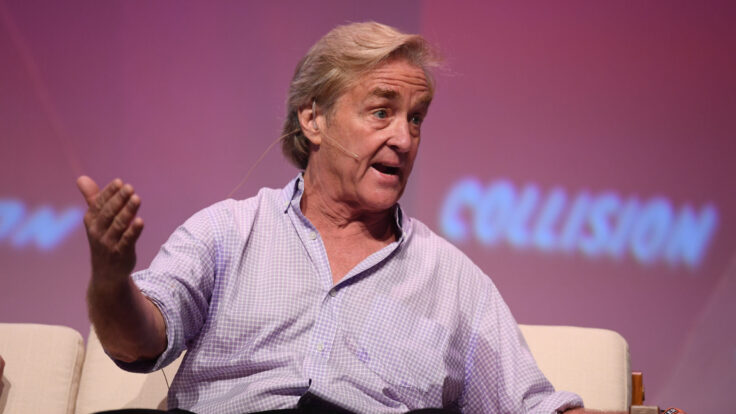
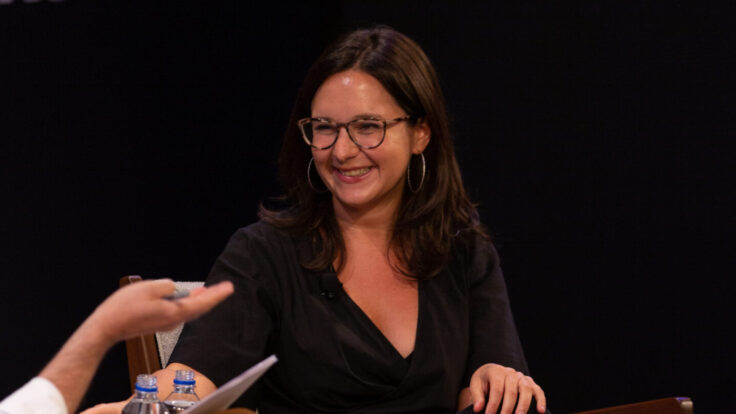
| Will Lewis faces a similar challenge at The Washington Post, where he will start as publisher and C.E.O. on January 2. The Post, of course, is another storied media company suffering from post-Trump-era inertia and years without capable leadership, manifesting in annual losses of $100 million. Lewis’s first order of business is returning Jeff Bezos’s paper to profitability, and presumably improving morale along the way. And Lewis, a longtime Murdoch lieutenant who rose through the ranks of News Corp, has his own bona fides, having steered The Wall Street Journal through a period of digital transformation and growth during the Trump era.
While the business models are different, Lewis faces many of Thompson’s same pseudo-philosophical challenges: What differentiates the Post in this crowded media environment? At its core, is it a Times or a Politico? Does it need to offer more than politics and policy and the occasional quadruple-bylined investigation—this account is based off of conversations with 53 people close to the situation, who didn’t want to be named, etcetera—to distinguish itself? And, after losing dozens of marquee journalists and top business leaders, how does it reassert itself as a talent magnet?
The Post has been here before. A half a generation ago, amid the nadir of the newspaper industry, the Graham family seemed comfortable allowing the Post to retreat to the sort of local-ish paper it had been before Woodward and Bernstein. Bezos’s fortune and swagger changed all that, and his continued investment in the business suggests another revival isn’t an impossibility. Over the last year, the Post has made a number of key hires on the business side—chief technology officer Vineet Khosla, from Uber; chief revenue officer Alex MacCallum, from CNN—that should make it easier for Lewis to execute his vision, whatever that may be.
But the most pressing challenge will be resuscitating the editorial product, and determining the best leader for the newsroom. As I’ve noted, Sally Buzbee’s future as executive editor is an open question, and Lewis may decide to pursue a replacement—especially if he can woo someone like, say, Carolyn Ryan from the Times. Buzbee is genial, even if she did let her distaste for Ryan become a little too well known. But her rearing at the A.P. may have been an imperfect training ground. After all, great editors don’t just respond to news, they create it. And editors like Ryan know how to make noise.
Another outstanding question: Will the Post become acquisitive? Fred Ryan had famously dragged his feet on potential acquisitions while Meredith Kopit Levien was aggressively diversifying the Times’ business and building out subscriber-focused lifestyle products. Does Lewis intend to pull from the Meredith playbook? Or would he seek to deepen the core editorial coverage through an acquisition of a startup like Punchbowl—which at a valuation of $100 million+, admittedly, might not quite satisfy Bezos’s mandate to clean up the business. The answer to almost all of these questions, of course, depends on the ur-question: What does Bezos himself actually want? |
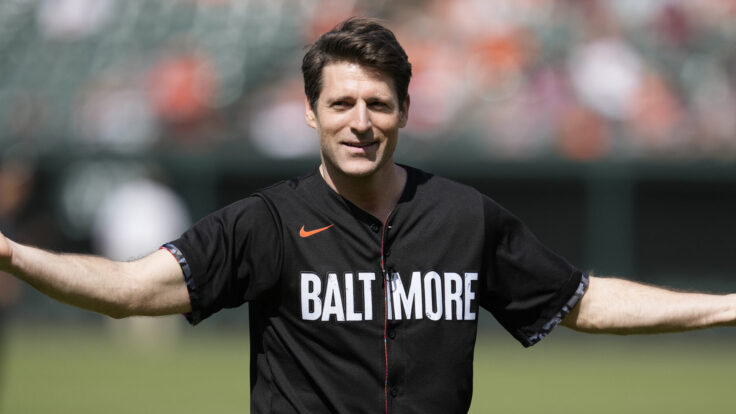
| 3. Will Jeff Zucker Win the Telegraph? |
|
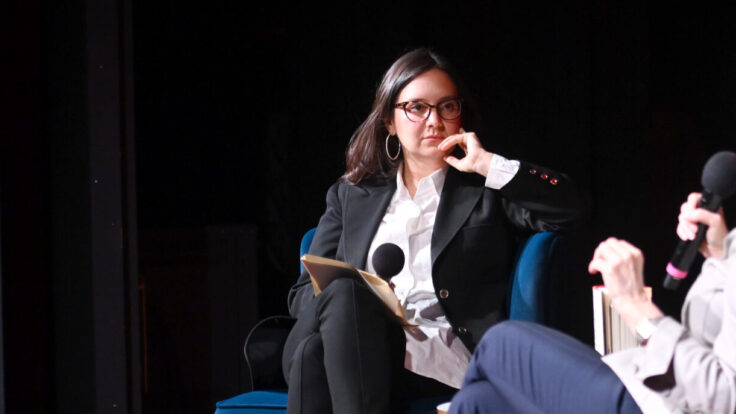
| Jeff Zucker’s bid for the Telegraph and Spectator, via a debt-for-equity swap, was one of the most surprising and compelling media storylines of 2023. But the real drama will unfold in the coming months after U.K. regulators determine whether they intend to let the deal go through. As you likely recall, Zucker’s RedBird IMI investment vehicle received three quarters of its capital from funds from Abu Dhabi. (The rest comes from Gerry Cardinale’s RedBird.) The foreign capital, no matter how distant it remains from the asset, has invited scrutiny and criticism from conservative ministers, Telegraph journalists, and competing suitors, and Zucker’s efforts to assuage their concerns have mostly failed. Nevertheless, it’s still possible the deal will be approved, albeit with some tweaks and concessions. As I’ve noted before, Gulf investments in Western media, entertainment, and technology, while controversial, are likely to be wholly normalized in a matter of years.
What makes this deal so compelling, at least here in the U.S., is the prospect that Zucker—or any other owner—could expand The Telegraph to the States and make a play for smart, center-right audiences who feel adrift between the left-center Times and the right-wing, conspiracy-curious Fox News. Zucker surely recognizes that with the right digital strategy, a known British media asset can serve as a springboard to a larger international business. In any event, it would be interesting to see the thesis tested by a generationally talented, Zelig-like media executive. With RedBird IMI, Zucker has embarked on his third act. The Telegraph deal might be a real first step toward seeing what it turns into. |
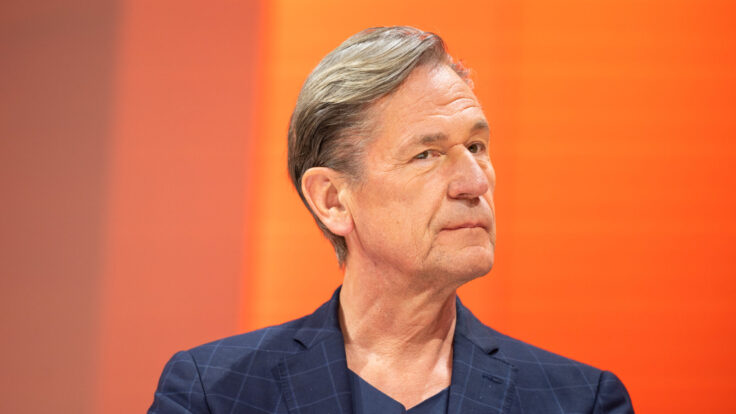
| 4. Will Shari and Zaz Strike a Deal? |
|
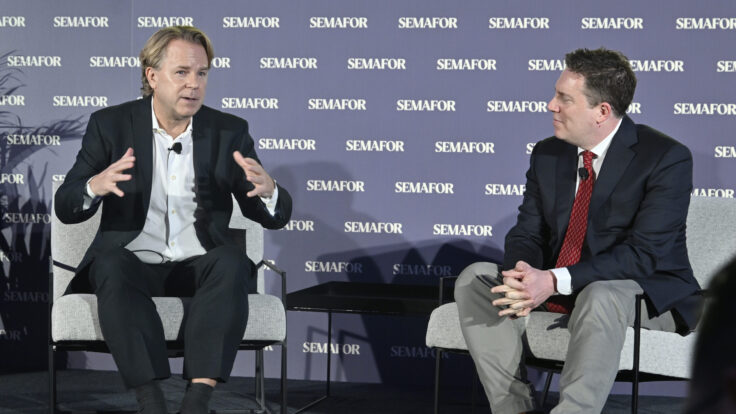
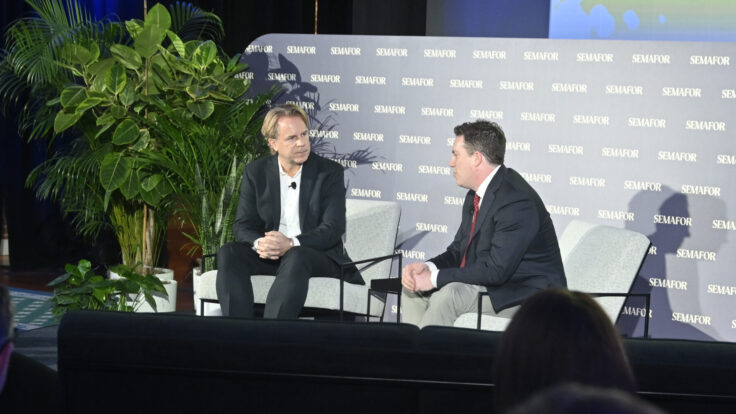
| It’s been less than two years since David Zaslav formally merged WarnerMedia and Discovery, and yet we’re already looking ahead to his next potential deal: a tie-up with Shari Redstone’s Paramount. In truth, this remains a hypothetical that may never come to pass, given that Zaslav can’t do anything until after April, and that he still has a long way to go in selling his board, and Wall Street, on whatever financial alchemy he and his money men, Bruce Campbell and Gunnar Wiedenfels, have concocted to rationalize the additional debt.
Nevertheless, the logic and illogic of such a deal has been beaten to death by analysts. As I noted last week, Zaz sees greater scale, savings via synergy, and staggering eliminated redundancies. He also likely sees necessity. Many analysts on Wall Street who cover the sector see a legacy franken-co, glutted with mostly irrelevant assets and even greater exposure to linear’s secular decline.
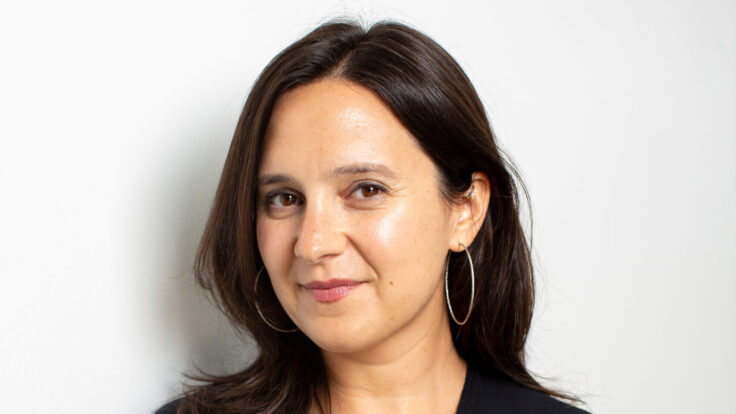
The most important question, of course, is what Shari wants. Presumably, Zaz can offer her something other suitors like Skydance and RedBird cannot, such as a board seat, more upside via stock in the hypothetical new asset, and the chance to remain relevant in the industry. And as my colleague Bill Cohan noted this week, a stock-for-stock deal between WBD and Paramount would probably appease the big non-Redstone shareholders of Paramount, Warren Buffett and Mario Gabelli, as well.
In the meantime, no one is getting any younger, and the business isn’t getting any healthier, especially as cord-cutting accelerates and advertising softens. Ultimately, Shari will have to do a deal or sell the empire off for parts. Indeed, her Paramount journey has, in many ways, served as a metaphor for the media industry during the past five or so years—and, perhaps, as a prologue for the year and age that will follow. We often operate on the assumption that many of the industry’s biggest companies are one deal away. But the truth is that they are many deals away as the business models keep changing, consumer behavior morphs, and goal posts keep moving farther afield. |
|
|
|
|
FOUR STORIES WE’RE TALKING ABOUT
|

|
|

|
Young Tucker
|
|
On Tina’s new book and the conservative media machine.
|
|
PETER HAMBY
|
|

|
|

|
Zaz & Shari
|
|
Zazmount possibilities, WaPo challenges, and CNN grumblings.
|
|
DYLAN BYERS
|
|
|
|

|
 |
|
|
|
Need help? Review our FAQs
page or contact
us for assistance. For brand partnerships, email ads@puck.news.
|
|
You received this email because you signed up to receive emails from Puck, or as part of your Puck account associated with . To stop receiving this newsletter and/or manage all your email preferences, click here.
|
|
Puck is published by Heat Media LLC. 227 W 17th St New York, NY 10011.
|
|
|
|