Welcome to The Varsity. I’m John Ourand.
One Varsity leitmotif deals with sports media’s inexorable march to streaming. This morning brought yet another data point to demonstrate that the best days for linear TV are in the past. Last month, for the first time, streaming services had a larger share of viewing than broadcast and cable TV combined, per data from Nielsen’s Gauge index. Streaming accounted for 44.8 percent of viewing in May, while broadcast/cable TV made up 44.1 percent. YouTube (12.5 percent), Netflix (7.5 percent), and Disney (5 percent) paced the streamers.
David Zaslav raised eyebrows last week when he said that sports didn’t drive subscriptions to Max—a contention that flies in the face of nearly every other streamer that has used sports as a way to draw subs in, then watched as those sports fans sampled programming elsewhere on the service. In tonight’s Inner Circle edition, the incomparable Julia Alexander looks into why sports didn’t work for Zaz, and why other streamers shouldn’t be concerned.
Remember, you can only read Julia’s stories if you’re an Inner Circle member, so click here to upgrade. It’s well worth it.
Nota bene: Our collective apologies to those of you who wrote in yesterday, furious that The Varsity did not include a Marchand mention. In truth, it was Marchand’s own fault! I have deputized him to write his own jokes about himself, which he failed to do while finishing etiquette school and studying to be a personal sommelier. ( Andrew, the crisp sancerre, please! Never tart…) Marchand regrets the error…
Now, here’s Julia…
|
Stat of the Week: 169 Million
|
|
That’s the record-breaking number of people who tuned in for the Indian Premier League’s final, making it the most-watched cricket event in Indian history, per the country’s Broadcast Audience Research Council. One explanation—at least beyond the sport’s massive popularity in the world’s most populous country—is that this was the first IPL game played following Disney and Reliance’s $8.5 billion streaming joint venture, which unified the league’s linear and digital rights onto a single platform, JioStar.
Yet despite all the enthusiasm in Mumbai, the IPL remains under-leveraged stateside. But that might change as India’s national team gears up to take on England this summer. International sports are having a moment—maybe it’s finally cricket’s time.
|
|
|
|
A MESSAGE FROM OUR SPONSOR
|
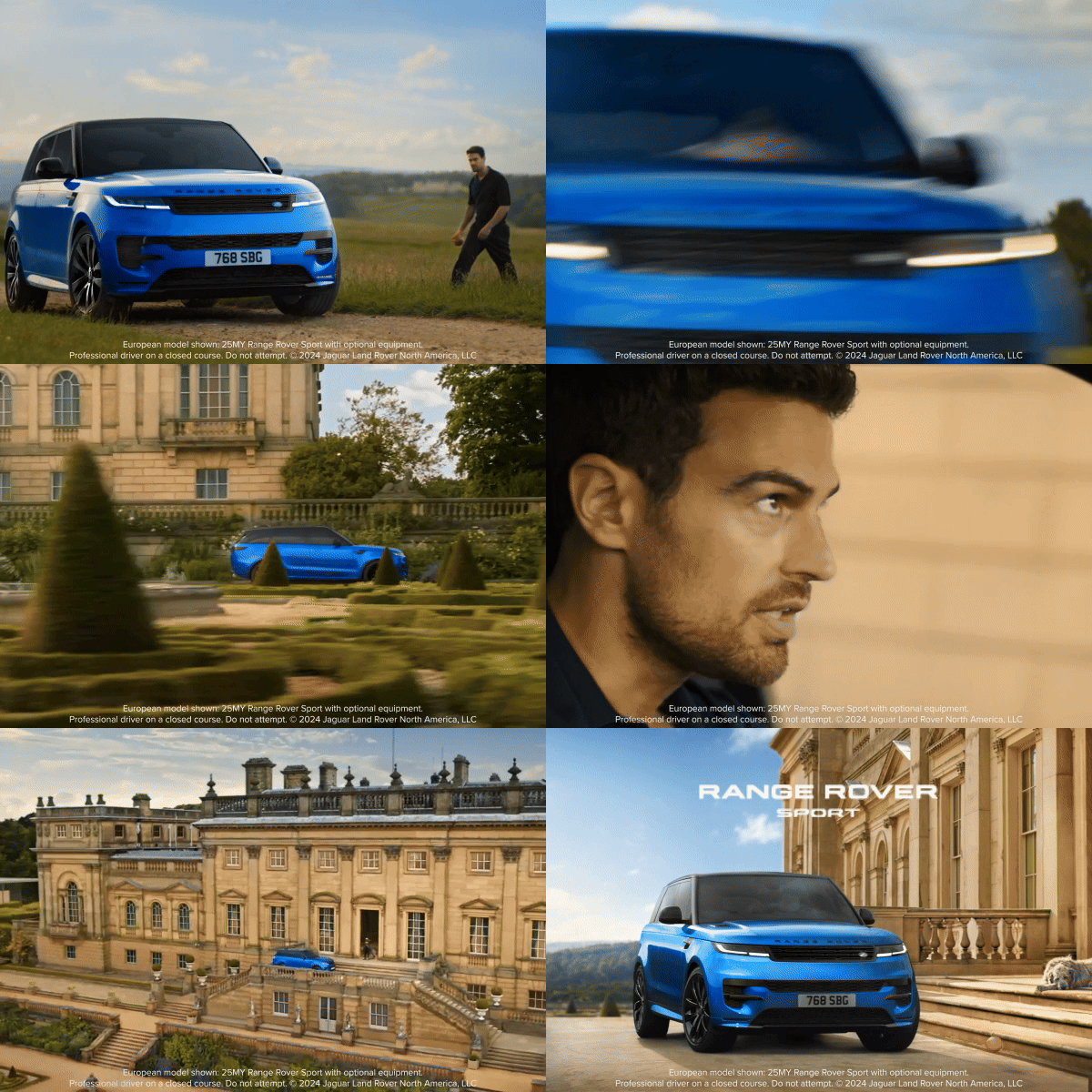
PERFORMANCE UNLEASHED
Agile, powerful, iconic. The Range Rover Sport is a dynamic SUV with a distinct take on
sporting luxury.
EXPLORE
|
|
|
- NBA ratings schadenfreude: Disconsolate Knicks fans can at least take solace in the abysmal NBA Finals ratings to dunk on the Indiana Pacers and Oklahoma City Thunder. Excluding the Covid-affected 2020 and 2021 years, the current series is on track to be the lowest-rated Finals of the Nielsen People Meter era, dating back to 1988. ABC averaged 8.95 million viewers through the third game of the series, down 23 percent from last year’s Boston-Dallas finals. Of course, that’s hardly a surprise: Oklahoma City and Indiana are tiny media markets, and neither team has a LeBron James–caliber star.That’s not great for Adam Silver, but not a big deal, either. The NBA got its $76 billion rights deal, so Silver and his team won’t have to worry about ratings for another decade—a lifetime from now, when A.I., gaming, streaming, whatever the metaverse is supposed to be, et al. will have introduced an entirely new set of success metrics. But the ratings mess does matter to Bob Iger and Disney, which still needs to create nationalized experiences for the streaming generation in order to maintain the integrity of linear. For his sake at least, let’s hope there’s a Game 7.
- Meta’s sports marketing opportunity: Mark Zuckerberg is an avid MMA fan—bringing Dana White onto the board of Meta just as it became an
official media partner with the UFC—and is also known for his love of hydrofoil surfing, a perfectly Millennial centibillionaire pastime. Yet Meta has moved further away from sports media: Dan Reed, who spent more than a decade as Meta’s head of sports and previously served as an executive at the NBA, recently announced his departure from the company.But I have a feeling Meta may reverse course over the next few years. Zuckerberg’s interest in the UFC wasn’t just driven by his personal fandom—it’s also a marketing opportunity for his company’s A.R. glasses, the Meta Ray-Bans, and its generative A.I. technology. Meta is also partnering with Oakley on an A.I.-enhanced eyewear product that appears to be specifically geared toward sports like cycling.
The Tour de France isn’t necessarily clamoring for a Meta partnership, nor does the tech giant seem intent on becoming a sports distributor. But sporting events are a smart platform for Zuck to showcase his wearable technology, advertising capabilities, and Llama generative A.I. model. As the glasses become more important to the business, sports media will become an increasingly clear marketing and integration opportunity.
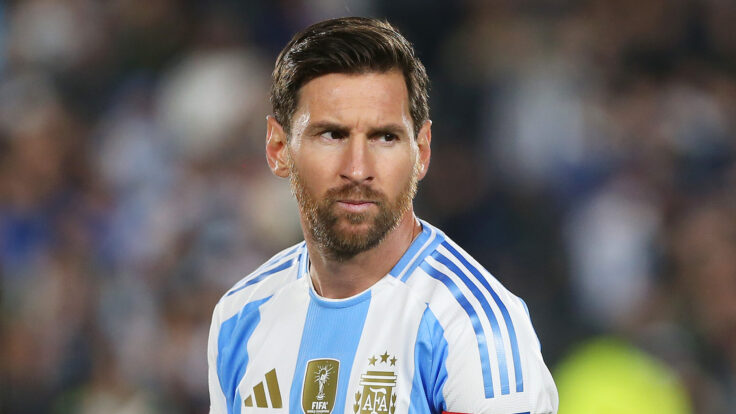
- Twilight DAZN: It’s easy to see why DAZN C.E.O. Shay Segev wants the FIFA Club World Cup. The company, which actually accounts for 33 percent of all global streaming spend on live sports in 2025, per Ampere Analysis, has low penetration in the United States. What better way to get Americans on board with yet another streaming service than offer a high-profile event, one that stars Lionel Messi, for free? Even if DAZN doesn’t make back the reported $1 billion spent on the event, the fee could be an investment in the world’s most profitable sports market. Would that be enough for Len Blavatnik, its principal owner, to prepare it for a long-rumored I.P.O.?Alas, according to a scathing new report from The Telegraph, DAZN’s more conventional rights deals—including Serie A in Italy, F1 in Spain, and the NBA in Germany—have not worked out according to plan. The Telegraph also noted that amid DAZN’s struggle to go mainstream, it would appear “the market does not have the kind of appetite for the levels of losses with which Len Blavatnik can live.” FIFA’s Club World Cup seems to be yet another misstep. I particularly love one executive’s quote given to The Telegraph in regards to the event’s failing ad sales: “It’s a classic DAZN play where they force stuff into the market, rather than responding to the market and what the market wants and needs. Walker Jacobs, the chief revenue officer who runs DAZN’s U.S. business, has gone from ‘This is a premium product,’ to, ‘Right, stack it high and sell it cheap.’”
|
|
|
|
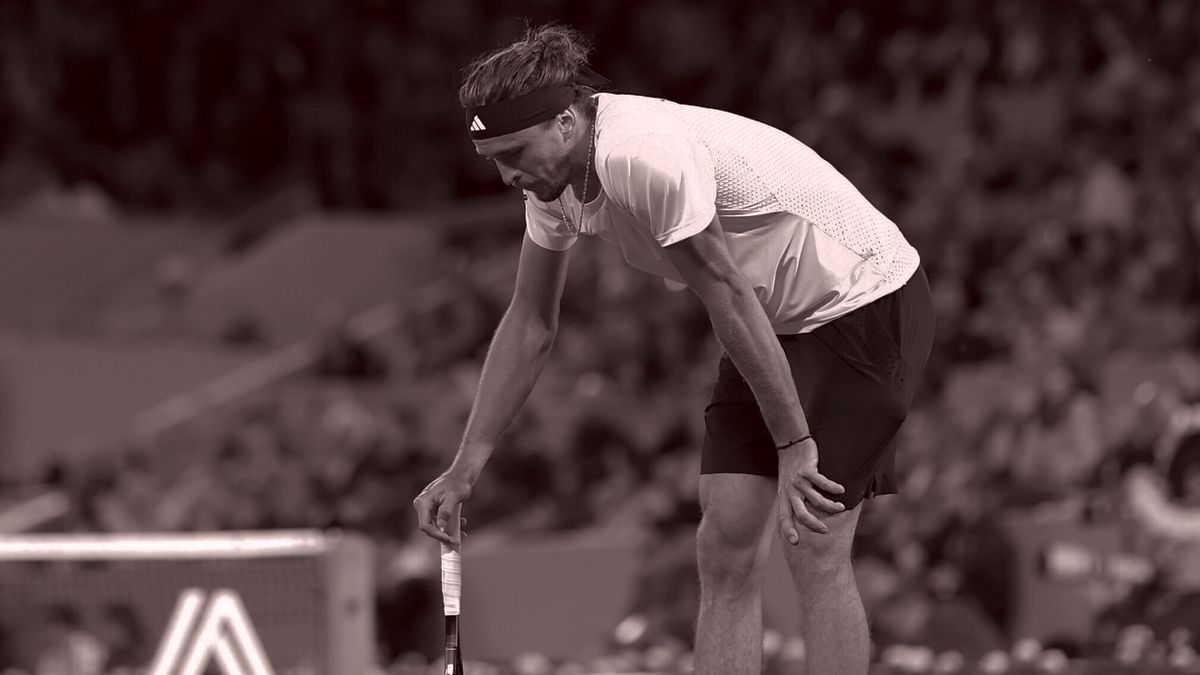
As the dust continues to settle on the Warner Bros. Discovery partition, David Zaslav’s decision to leave live sports coverage on the curb has baffled the sports media world.
|
|
|
All of last week, amid the industry-resetting news that David Zaslav was splitting Warner Bros. Discovery into two companies—one focused on the growing studios and streaming business, the other stocked with the still profitable but shrinking cable channels—one question kept popping up in my texts from various streaming executives: Why wasn’t sports a bigger component of WBD?
After all, practically every streaming company has attempted to gobble up live sports rights in an attempt to juice their lifetime-value-to-customer-acquisition-cost (LTV-CAC) ratio. Amazon dove headfirst into the NFL and NBA, including paying nine figures for Black Friday matches. Netflix struck a slightly neater pro rata deal to take over Christmas. And yet WBD—with its grab bag of MLB and NHL rights, and its now-departed NBA package—never seemed to convert fan engagement into subscriber growth. Certainly, Zaslav’s blasé comments about not needing sports caught the attention of every analyst and pissed off a few league partners, but the guy wouldn’t have said it, or split up his company, if he didn’t believe in its thesis.
How could that be? Every major streaming lesson of the past few years has emphasized the centrality of sports for recruiting new subscribers and engaging existing viewers. According to eMarketer, more than 114 million people will choose to watch sports digitally this year, compared to some 82 million people who are expected to watch on pay TV. Peacock recorded more than 23.5 billion minutes streamed during the Paris Olympics in 2024—up 40 percent from all prior Summer and Winter Olympics combined across all NBCUniversal platforms. Disney, of course, is launching an entirely new streaming service for its ESPN business. Collectively, Amazon Prime Video, Apple TV+, Disney+, Netflix, and Paramount+ increased the level of sports streaming programming by 72 percent between the end of 2024 and May of this year, per Gracenote.
Yet Zaz’s comments were a good reminder that not all sports are equal, not all audiences are the same, and not all rights are necessary. WBD’s NBA, MLB, and NHL games worked because their national broadcasts sat beside the regional sports networks that local fans also paid for each season. A unified cable system meant that channel surfers could stumble upon a game and tune in.
|
|
|
|
A MESSAGE FROM OUR SPONSOR
|
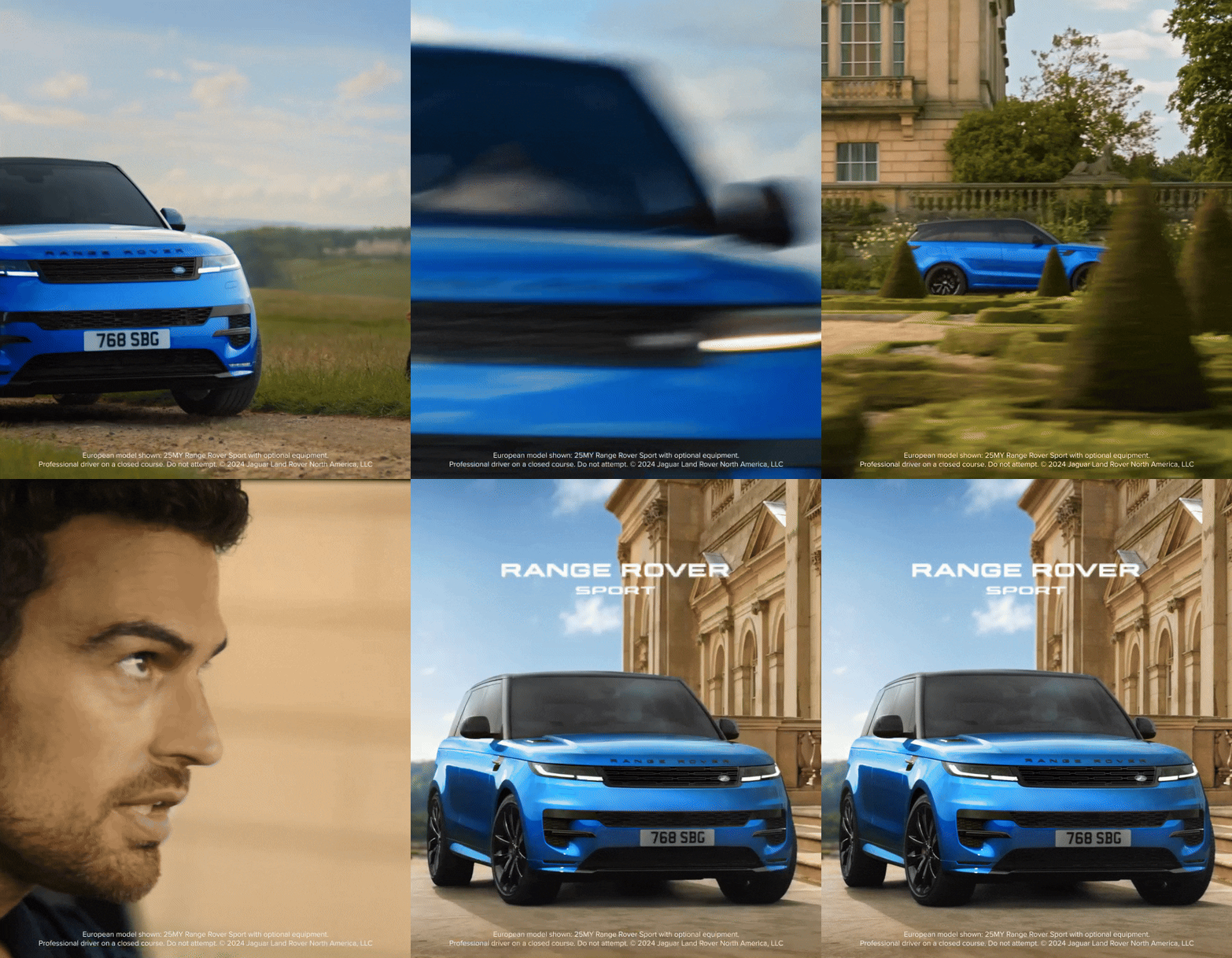
PERFORMANCE UNLEASHED
Agile, powerful, iconic. The Range Rover Sport is a dynamic SUV with a distinct take on sporting luxury.
EXPLORE
|
|
|
|
But that doesn’t happen on streaming: People don’t stumble upon games because they don’t surf from app to app. Also, regional sports access isn’t available through many major streamers, and the business is shrinking. As of this week, the share of streaming viewership in the U.S. outpaced cable and broadcast combined, per Nielsen. People aren’t having collective viewing experiences—they’re migrating to fragmented ecosystems with disaggregated content. In this context, so-called national games that once appeared on broadcast or cable now seem, on streaming, like local fare intended to entice two regional audiences. The exceptions, of course, are tentpoles like football, celebrity boxing stunts, etcetera.
Zaslav’s commentary was interesting for its candor—and, actually, the fact that it seemed like a genuine epiphany. He didn’t know that the future of sports streaming was a barbell, with NFL rights and mega-events on one side, and a multiplicity of balkanized rights on the other. He tried to recast his strategy—CFP games on one end and the Savannah Bananas on the other—but it was already too late.
|
|
In 2024, NBC Sports had its most-watched year since 2016, recording more than 7 billion hours across all platforms, with a significant portion of that audience coming from Peacock. The streamer benefitted, in particular, from Olympics coverage, a record-setting AFC wild card game, and the 150th Kentucky Derby, the most-watched Derby since 1989. Peacock’s success was predicated on national, FOMO-inducing events beyond the scope of regional rights.
But Zaz’s portfolio was quite different. Roughly 80 percent of MLB and NHL viewing occurs at the local level, where fans like me pay a ton to watch our home teams. I pay $360 a year for access to Gotham Sports (formerly YES) in order to watch the Yankees and the Knicks. (Constant heartbreak is apparently worth $360 a year in my household.) Leagues tied to sports with more tonnage—the NHL, NBA, and MLB—rely on that level of loyalty. MLB streaming viewership is up 24 percent year-over-year, but that boost comes from the league’s own streaming service.
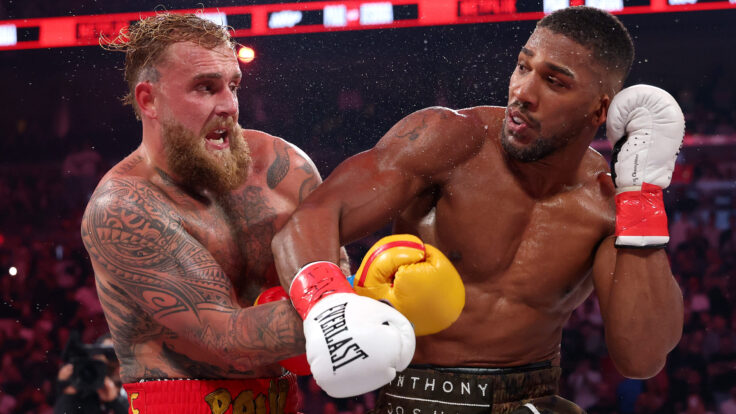
Again, this is a total paradigm shift from the days when pay TV was in more than 100 million U.S. homes and a channel-surfing audience was a given. In streaming, sports viewership is intentional, not accidental. This is why events—the Jake Paul and Mike Tyson fight, the Kentucky Derby, the French Open—are so coveted by streamers. Obviously, the Derby is not more popular than an NBA game, nor does it have the built-in fandom of an MLB team, but it’s a scarce, intention-driven event that guarantees people will open a specific app and engage for a specific set of time. It helps that an event like the Derby also works well within sports’ stronger betting culture.
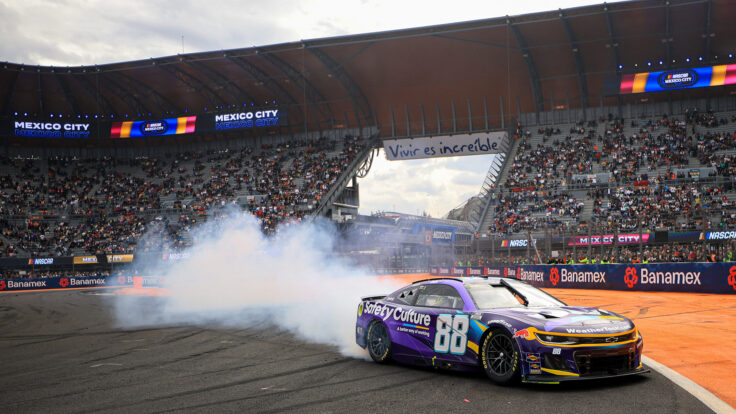
Both Zaslav and C.F.O. Gunnar Wiedenfels, who will be in charge of the TV assets, seem to have discovered this newfound reality, too. Their portfolio includes March Madness, the French Open, College Football Playoffs, and NASCAR races—events that are seeing not just viewership increases, but streaming viewership increases. In this brave new world, there’s less demand for leagues with high tonnage, and more demand for Dana White’s UFC and FIFA’s Club World Cup, which TNT is also broadcasting alongside DAZN’s free streaming offering. Leaning into events-driven sports also aligns more with Zaslav’s renewed focus for HBO Max—one that emphasizes appointment-driven, tentpole experiences that reassert the brand as a destination for quality, not quantity, and one that puts more emphasis on HBO chief Casey Bloys and DC superstar James Gunn.
Of course, this new reality hints at the shape of the upcoming services and rights agreements between ZazCo and GunnarCo. It’s a mitzvah that WBD’s MLB rights include exclusive league championship series games. But what about the other regular-season games that help buttress Turner Sports’ distribution negotiations, but do diddly on Max? Those will likely go to Gunnar in the divorce. Perhaps more than any piece I can write, the carve-up itself will clearly evidence which content belongs on which platform.
For what it’s worth, Zaslav really shouldn’t focus on sports any longer, since he’s not in the same streaming business as Disney and Netflix. By choosing quality over quantity—or deciding to build a Netflix-adjacent business rather than a competitor—Zaslav has picked the smaller opportunity. By contrast, sports are definitionally large. Being choosier isn’t a poor strategy; it’s a reflection of what works for his streamer, and what works for sports in streaming.
|
|
Great stuff, Julia. Thank you. See you all on Thursday.
John
|
|
|
|
Puck sports correspondent John Ourand and a rotating cast of industry insiders take you inside the executive suites and owners boxes where the decisions that shape the entire sports business are made. You’ll hear interviews with players, network execs, and everyone in between. The Varsity is an extension of John’s private email for Puck by the same name. New episodes publish every Wednesday and Sunday.
|
|
|
|
Ace media reporter Dylan Byers brings readers into the C-suite as he chronicles the biggest stories in the industry: the future of cable news in the streaming era, the transformation of legacy publishers, the tech giants remaking the market, and all the egos involved.
|
|
|
Need help? Review our FAQ page or contact us for assistance. For brand partnerships, email ads@puck.news.
You received this email because you signed up to receive emails from Puck, or as part of your Puck account associated with . To stop receiving this newsletter and/or manage all your email preferences, click here.
|
|
Puck is published by Heat Media LLC. 107 Greenwich St, New York, NY 10006
|
|
|
|