Greetings from Los Angeles and welcome back to In the Room. The Senate begins voting
overnight tonight on a measure to pull funding for National Public Radio and the Corporation for Public Broadcasting. All signs suggest that the measure will pass the Senate, depriving NPR and PBS of billions and almost surely reducing staff and coverage.
In today’s issue, news and notes on the David Ellison–Bari Weiss courtship, the state of The Free Press’s heterodox cultural commentary business, and what an acquisition would mean for CBS News, Bari,
and throngs of imitators everywhere.
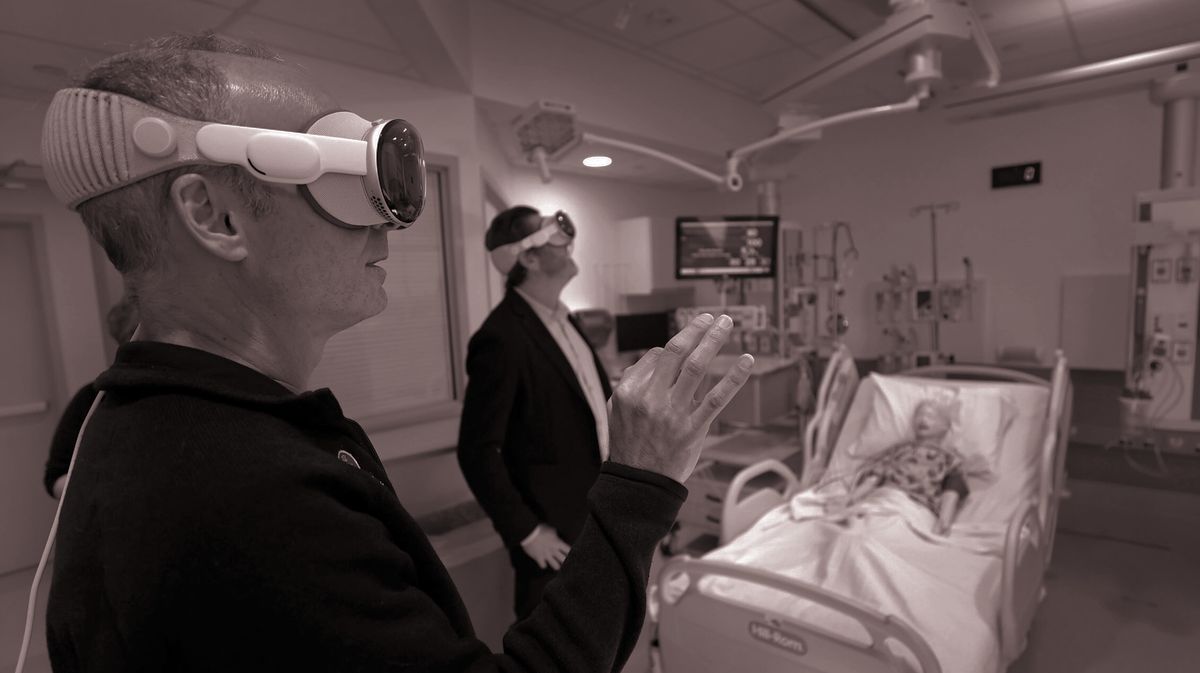
🍸 Plus, on the latest edition of The Grill Room, my partner John Ourand and I dissected Apple’s $150 million bid for F1’s U.S. media rights—and what it reveals about the company’s growing ambitions in live sports. We also examined why ESPN chose not to compete, and what that decision portends for the broader sports rights arms race. Follow The Grill Room on
Apple, Spotify, or wherever you prefer to listen.
Also mentioned in this issue: Lachlan Murdoch, Shari
Redstone, Larry Ellison, A.G. Sulzberger, Marc Andreessen, Howard Schultz, Dave Portnoy, Pat McAfee, Jeff Bezos, Adam O’Neal, Chris LaCivita, and many more…
Let’s get started… |
-
Fox courts new media: Fox Sports is nearing a deal to make Dave Portnoy and other Barstool talent a regular presence on FS1 daily programming and its college football pregame show, per a new report from Front Office Sports. The deal appears to be a direct challenge to ESPN’s own licensing deal with Pat McAfee, and could help fuel interest among younger audiences. On some level, you have to wonder what took so long. Even with his
not-inconsiderable wealth, Portnoy is a pizza-munching fame addict—of the Masshole variety, no less—and Barstool is mired in its post–Erika Ayers Badan era. (Ayers Badan, formerly Nardini, is now cleaning up shop at Food52, another Chernin Group investment.) Anyway, this is decidedly on-brand for all parties involved.
Meanwhile, Fox News is ramping up investments in podcasting and other new media formats with the creation of a New Media division run by digital chief
Porter Berry, as well as a licensing deal with Ruthless, the conservative talk show podcast hosted by former G.O.P. public affairs staffers. That move follows Fox’s acquisition earlier this year of Red Seat Ventures, a digital media firm that supports conservative podcasters like Tucker Carlson and Megyn Kelly. - The new-new WaPo: Two memos this week from Washington Post leadership
intimate the paper’s new editorial direction. On the newsroom side, the Post is creating a Futures team with beats organized around “the forces shaping life in the 21st century.” New roles range from “A.I. reporter” and “attention economy reporter” to “mental health reporter” and “mid-life millennial” reporter. (Boy, do I have a source for this person…)
On the opinion side, recently appointed editor Adam O’Neal promised a “new, transformative path” that seeks to
create “the most popular, vibrant, and influential Opinion section in the country”—albeit one that presumably adheres to Jeff Bezos’s “personal liberties and free markets” mandate. This is all a long row to hoe for the Post, which has been stuck in a years-long malaise and lost a lot of talent—but hey, at least they’re finally looking forward. - LaCivita v. Daily Beast: The Daily Beast has filed a motion in U.S.
District Court to dismiss the defamation lawsuit brought by Trump campaign strategist Chris LaCivita. As you may recall, LaCivita had accused the Beast of creating “the false impression that Mr. LaCivita was personally profiting excessively from his work on the campaign and that he was prioritizing personal gain over the campaign’s success.” The Beast contends that LaCivita was merely trying to “punish” the site for “accurate reporting.” Defamation lawsuits
against the media are quite fashionable in Trump-era America, of course, so it’ll be interesting to see where this one nets out.
|
|
|
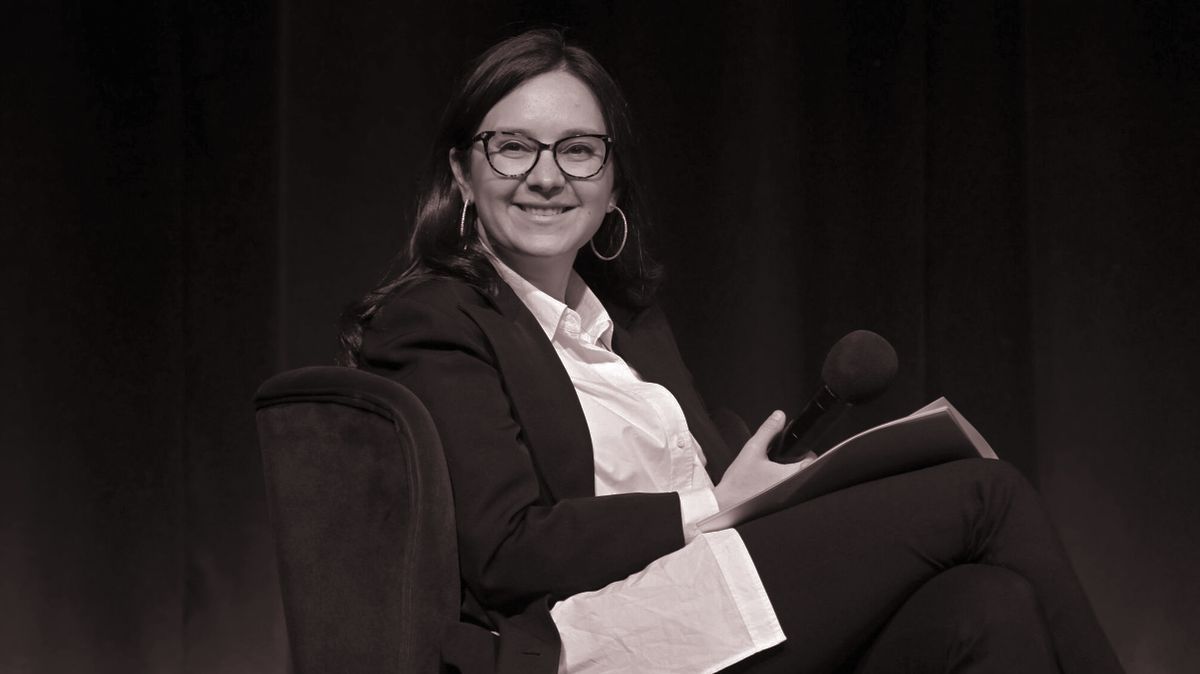
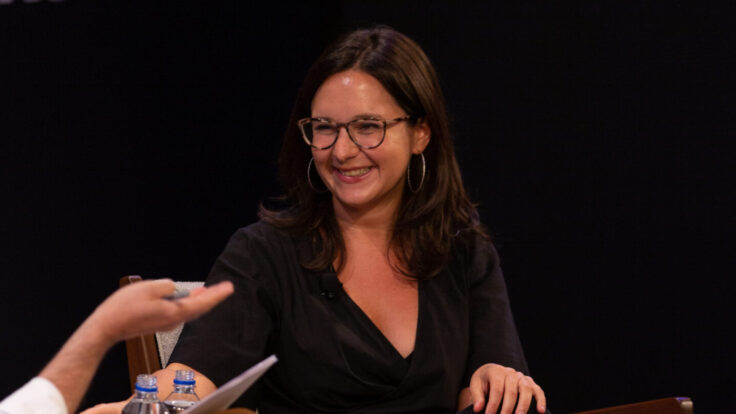
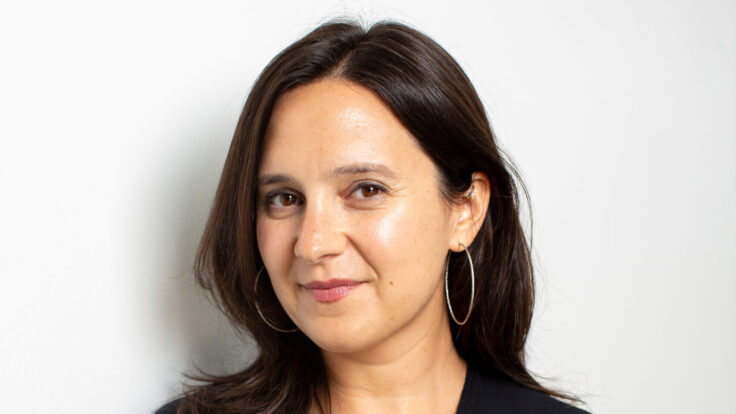
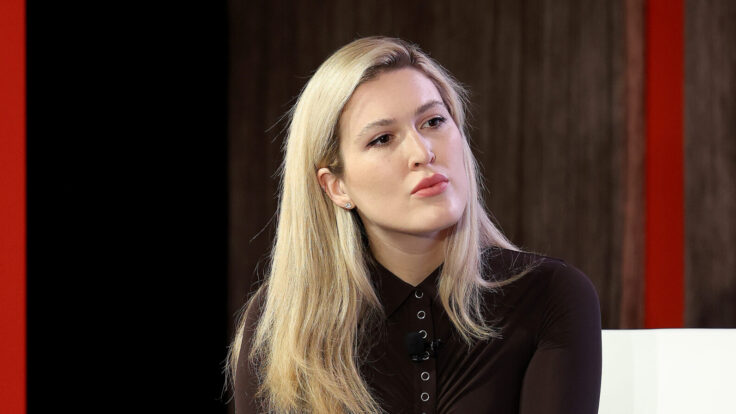
Times defector Bari Weiss has become everybody’s favorite center-right
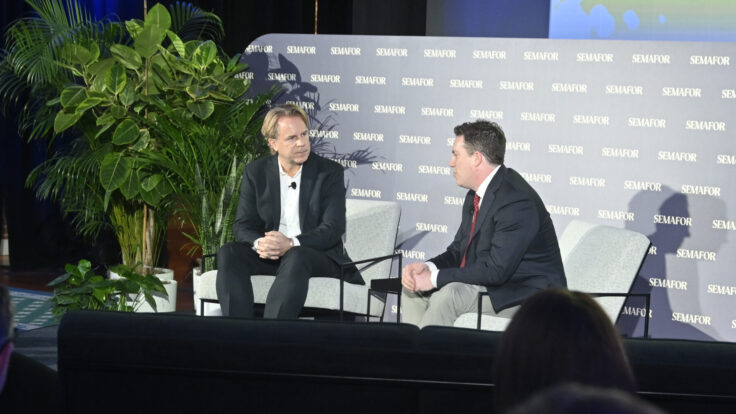
public intellectual: principled, pro-Israel, not about to get pushed around by the progressive mob, and a damn good hang. So when she sat down with David Ellison (and lawyers) at Sun Valley last week, it set off the usual rumors that her Free Press might be Skydance’s next acquisition. But is it sound business or just savvy virtue signaling in a Trump 2.0 world? |
|
|
Five years ago, in the epistemic fog of early Covid, Trump 1.0, George
Floyd, and the attendant cultural inflection point, the New York Times Opinion columnist Bari Weiss defiantly announced that she was resigning from the paper in protest of its illiberal ideological intolerance. In a public letter, she accused publisher A.G. Sulzberger of abandoning the paper’s commitment to a free exchange of
ideas and caving to a progressive mob, including Times staff who bullied her for her heterodox—pro-Israel, anti-D.E.I.—viewpoints. “Nowadays, standing up for principle at the paper does not win plaudits,” she wrote. “It puts a target on your back.”
Weiss’s cri de coeur may have been a little ham-fisted, but she wasn’t wrong. Sulzberger, a principled and extremely thoughtful steward of his family’s heirloom, had indeed reversed his decision to back Opinion editor
James Bennet in the wake of the infamous Tom Cotton editorial—eventually defenestrating the guy after it was clear Bennet had lost the room amid a staff revolt. The victimhood shtick may have irked some of Bari’s former colleagues, but her defiance of liberal orthodoxy and the mainstream media resonated with many—especially the nation’s corporate titans who, despite their power and influence, seemed annoyed by the rise of a woke progressive hegemony that
demanded allowance to protest authority, state their pronouns, and work from home.
Indeed, this C-suite crowd, which was already bitching about the Times and even had a few nits to pick with the Journal, fell hard for Bari’s politically fluid brand of anti-woke, pro-free-speech cultural commentary. Unlike Sulzberger, they didn’t want to appease the sensitivities of the people who worked for them. No, they wanted those people to rein in their inner selves, largely shut
the fuck up, stop Zooming in from Lake Arrowhead, and not feel emboldened to take personal days when their cats got food poisoning. The pendulum always swings, and Weiss perfectly timed the reversion to a pre-Trump, anti-thought-police era that so many others have subsequently raced to monetize.
Not long after launching her own Substack—first called Common Sense (not to be confused with Jim Steyer’s very successful media advocacy enterprise), then The Free
Press—Bari began taking investments from Marc Andreessen, David Sacks, Bobby Kotick, Howard Schultz, and others who delighted in hosting her at private dinners and listening to her speak onstage at the Allen & Company conference in Sun Valley. In the meantime, The Free Press grew into a veritable business. Bari hired similarly provocative writers like Niall Ferguson, Eli Lake, and
Matthew Continetti. More recently, she brought in a president-publisher, Dennis Berman, a former Journal reporter who took a spin in corporate life at Lazard; and a growth officer, Daniel Hallac, to manage and let Bari be Bari. According to a source familiar with the numbers, The Free Press is now nearing 1.4 million subscribers, of which nearly 170,000 are paid—a figure that would equate to around $13 million to $14 million in annual
subscription revenue. The politically charged content is unlikely to ever ignite a scalable advertising business, but Weiss’s stardom offers other revenue channels.
Now, unsurprisingly, the darling of the Sun Valley set has become a coveted acquisition target for some of its members. In recent months, both Lachlan Murdoch and Skydance chief David Ellison have looked at deals with The Free Press, though only the latter seems to be pursuing it in earnest.
Late last year, amid his pursuit of Paramount, David met with Bari and, according to Status’s Oliver Darcy, pitched her on a role at Paramount’s CBS News. Last week, amid a Times report about acquisition talks, David met with Bari and her lawyers in Sun Valley to discuss the broad outlines of a deal. Those negotiations are in early stages; a source with knowledge of the talks described them as “very, very premature.” |
On one level, David’s pursuit of The Free Press feels like a passion play, a chance to virtue
signal to his fellow media executives (and Trump) and tack CBS News toward something less overtly liberal. Jeff Bezos, for his part, seems to be attempting something similar at The Washington Post, though you really need a magnifying glass and Morse code to deduce any sort of strategy there. Anyway, like many in that crowd, Ellison was also smitten by Bari’s unwavering support of Israel and preoccupation with the rise of antisemitism—issues that are as near and
dear to David’s father, Larry, as they are to Paramount’s outgoing owner, Shari.
Indeed, as I’ve noted before, for all the sturm und drang over the 60 Minutes Kamala interview, Shari’s true frustrations with CBS News stemmed from her anger over what she perceived as anti-Israel bias. When anchor Tony Dokoupil was admonished by CBS News execs for a hard-hitting interview with the avowedly
pro-Palestine Ta-Nehisi Coates, Bari chastised his bosses and was the first to publish the humiliating audio recordings of an internal meeting showing how they’d
mismanaged the fallout. (Both the executives involved have since resigned.)
At the same time, there is a strategic rationale for a Free Press acquisition. Like most television news networks, CBS News lacks a real multiplatform digital presence. The Free Press, already one of the largest businesses on Substack, would immediately put Skydance in the newsletter-and-podcasting game, which it could then scale further. Indeed, one media analyst estimated that Skydance could easily
double the revenue of The Free Press with the support of the CBS ad sales team. Meanwhile, Bari’s presence as a spiritual advisor to CBS News—not as a manager, which is also not her strong suit—might at least inspire some curiosity around the network.
On the other hand, acquiring a politically charged, nascent media brand that recently announced a $100 million valuation would seem like a bizarre distraction for a guy attempting to finally consummate an $8 billion deal, all with
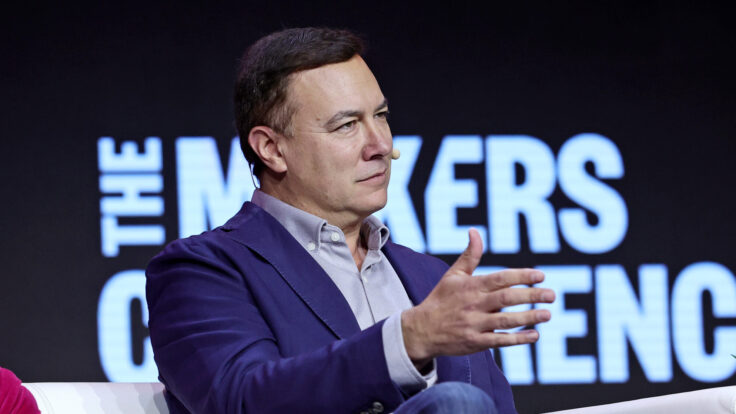
Jeff Shell waiting in the wings to find billions in synergies. Why should Skydance spend an iota of time doubling a modest eight-figure revenue line given the tasks at hand—saving or selling the cable portfolio, preserving the relevance of CBS Sports, laying off zillions of people, and protecting Paramount, all while Cheddar-izing CBS News with the exemption of 60 Minutes? Any deal would bestow generational wealth on Bari, but it might seem like a red herring to those
existing Class B Paramount investors contemplating lawsuits.
Meanwhile, Bari’s arrival at Skydance might be anathema to veteran CBS journalists who would resist the association with her politics. Though, as I’ve noted, their pique over any sort of reputational damage may be evidence of their own myopia, and precisely the sort of groupthink that forced Bari to launch this endeavor in the first place. And it’s not like they have a ton of other options. As the fallout from the 60 Minutes settlement has proven, this cohort has outrage aplenty, but they’re pretty practical about their own personal economics.
Would Bari be wise to take David’s money? Duh. Even if Weiss is still on her unfettered ascent, The Free Press succeeds by offering brand affiliation for well-educated centrists who feel adrift and resentful in the chasm between Fox News and The New York Times—a poignant, if likely fleeting, moment. And then there are the key person challenges. Ferguson and
Continetti may be good writers, but The Free Press is Bari World. What happens if she gets bored or rich or something else? It’s a reality that will likely chill some investors.
Nevertheless, a deal would be a triumph for the creator economy and the latest indication of just how profoundly the media landscape has changed. Twelve years ago, Bezos spent $250 million for the sprawling, century-plus-old Washington Post. Three years ago next month, the far smaller challenger brand
Axios sold at a $525 million valuation. Would Ellison cut a low-nine-figure deal for Bari World? The very possibility, of course, merely outlines the challenges he will face at Paramount: Post-monoculture media is getting more and more niche-ified, talent-oriented, and authentic. Then again, maybe Bari could be his spirit guide through this new world. |
|
|
Puck sports correspondent John Ourand and a rotating cast of industry insiders take you inside the executive suites
and owners boxes where the decisions that shape the entire sports business are made. You’ll hear interviews with players, network execs, and everyone in between. The Varsity is an extension of John’s private email for Puck by the same name. New episodes publish every Wednesday and Sunday. |
|
|
The industry's go-to source for unflinching reporting on the trillion-dollar business of artificial intelligence -
perhaps the single most important technology of our time. Ian Krietzberg, the powerhouse journalist behind The Deep View, delivers twice-weekly insights into the latest dealmaking and breakthroughs in A.I., and how the intersecting worlds of finance, entertainment, media, and politics are being transformed in its wake. |
|
|
Need help? Review our FAQ page or contact us for assistance. For brand partnerships, email ads@puck.news. You received this email because you signed up to receive emails from Puck, or as part of your Puck account associated with {{customer.email}}. To stop receiving this newsletter and/or manage all your email preferences, click here. |
Puck is published by Heat Media LLC. 107 Greenwich St, New York, NY 10006 |
|
|
|