{{ 'now' | timezone: 'America/New_York' | date: '%b %d, %Y' }} |
|
|
|
Greetings from Los Angeles, and welcome back to In the Room. Congrats to Ari
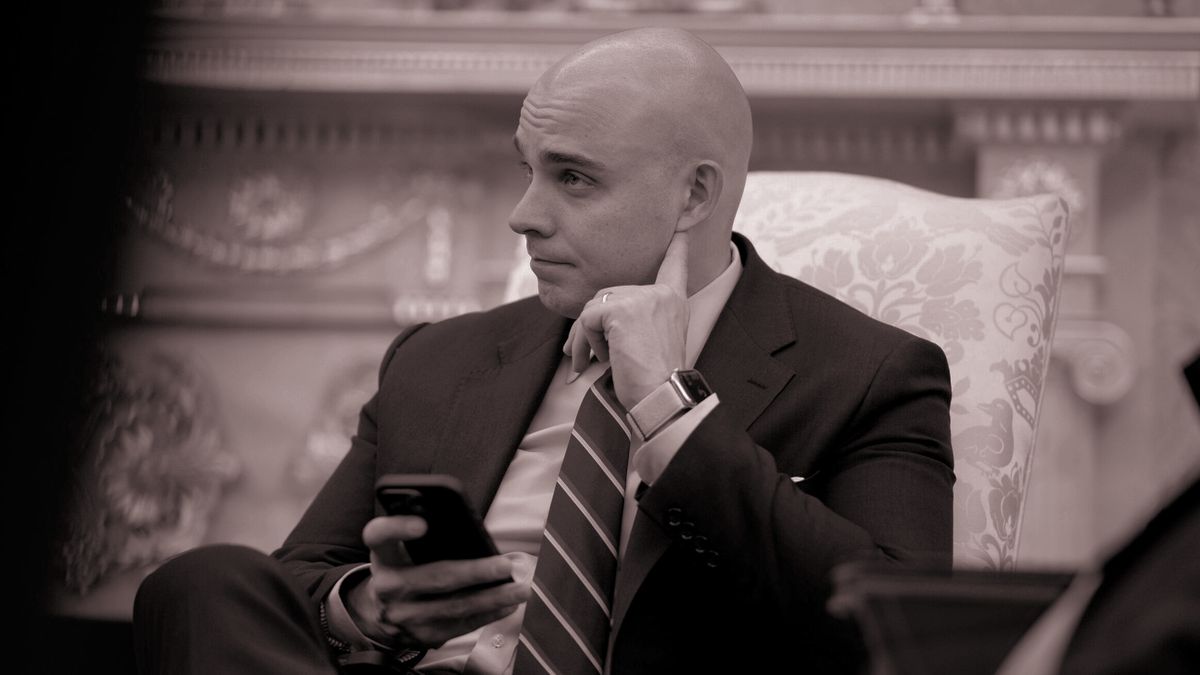
Emanuel, Mark Shapiro, and the other investors who joined their friend Egon Durban in taking a minority position in the Las Vegas Raiders this week. I’m told there are three more investors awaiting approval in the coming months, including some names you’ll recognize. Any guesses?
In tonight’s edition, we go inside 85 Broad Street, where James Murdoch is already measuring the drapes on his new Vox
Media—which, as anticipated, includes New York and the Vox podcast network, but not the rest of the digital assets. I’ve also got fresh details on Bari Weiss’s future at CBS and CNN, as well as Barbara Peng’s surprise defenestration at Business Insider.
📣 Programming alert: As you know, In the Room has expanded to Mondays, Wednesdays, and Fridays. In the coming weeks, we’ll be moving my Wednesday send to Puck’s
Inner Circle tier, which may require an upgrade to your current subscription. As a reminder, this tier gives you access to all the most exclusive insider reporting—not just from me, but also from my partners and colleagues across the Puck universe, including our sister publication, Air Mail. It is well worth it and you can afford it.
[Join Here]
🎙️ Plus, on the latest episode of The Grill Room, Sources founder Alex Heath joined the pod to discuss the novel ways he’s incorporating A.I. into his tech reporting, and what it takes to go it alone in media. Follow The Grill Room on Apple, Spotify, or wherever you prefer to listen.
Also mentioned in this issue: Jeff Bezos, Laurene Powell Jobs, David Ellison, Jim Bankoff, Jamie Heller,
Jay Penske, Jeff Zucker, Mark Thompson, Mathias Döpfner, David Rhodes, Byron Allen, Ben Shapiro, Erika Ayers Badan, Nate Silver, Pam Wasserstein, Ray Chao, Robert Dippell, Ryan Pauley, Tom Cibrowski, Lauren Starke, and many more.
|
- Bari
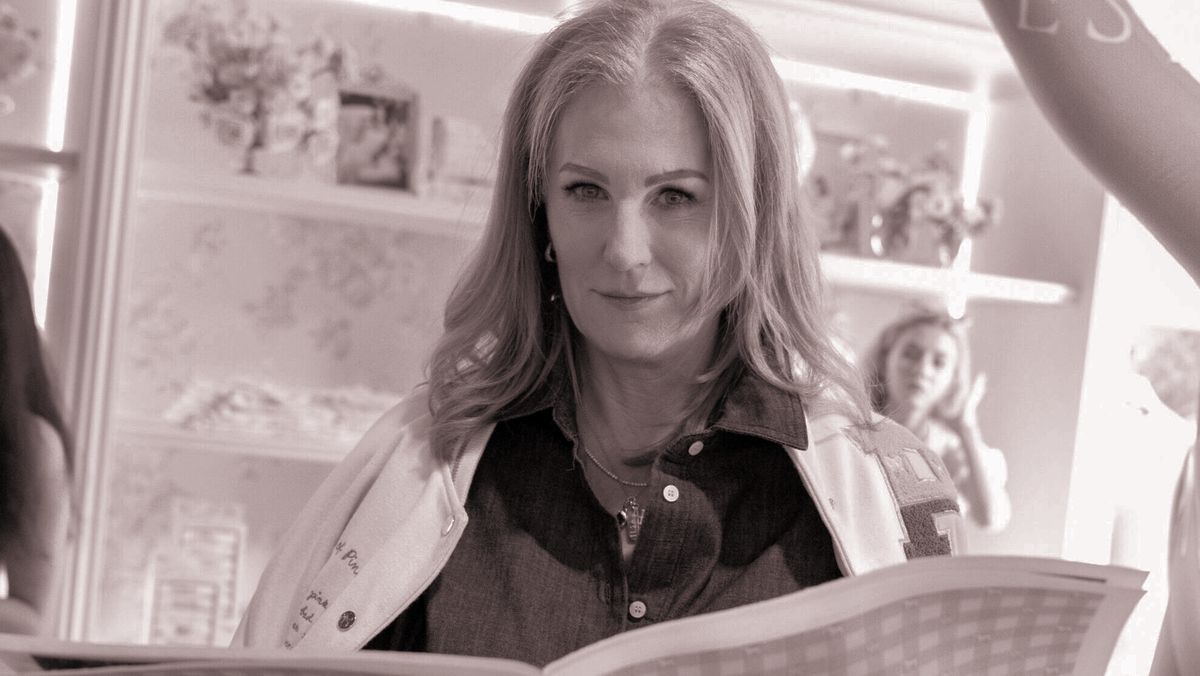
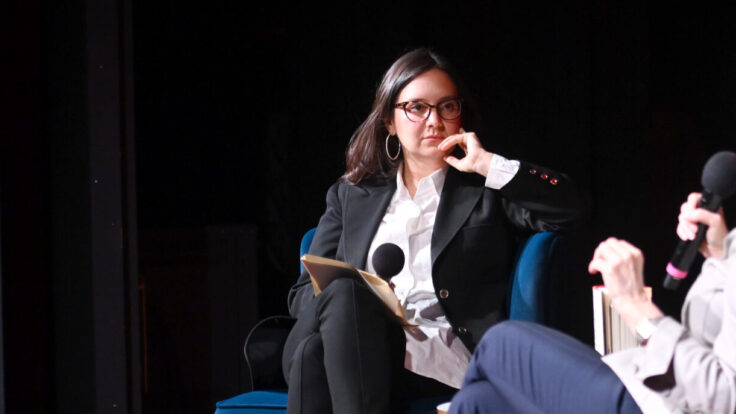
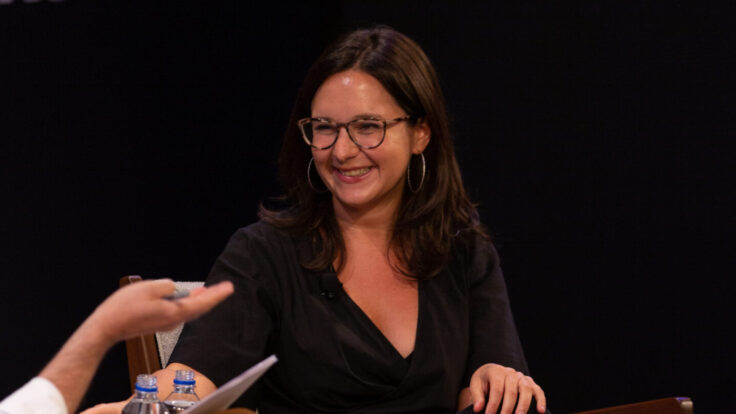
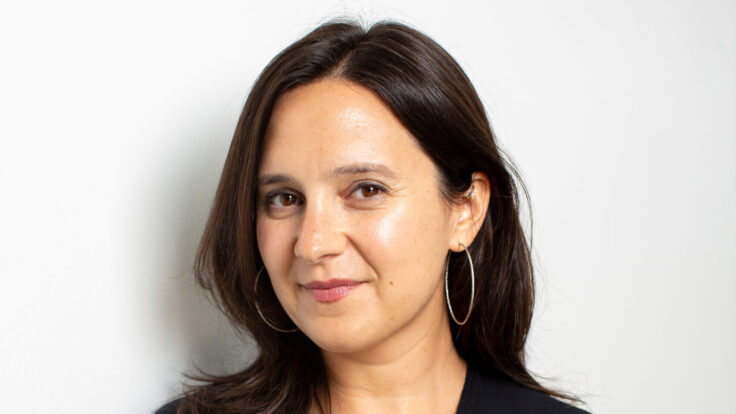
the lead: Earlier this week, I revealed that Paramount Skydance leadership has had informal discussions about changing Bari Weiss’s role at CBS News to refocus her efforts on broad editorial strategy and digital growth while curtailing her responsibility for day-to-day management of the linear programs. Paramount would also look to bring
in an executive to manage the linear business. A Paramount spokesperson denied that, telling me that “Bari has the full support of Paramount and David Ellison as the editorial leader overseeing CBS News and 60 Minutes. Reports suggesting otherwise are inaccurate.” In anticipation of this item, David himself told me: “Bari is a singular talent, and she is the person we have empowered to run our newsroom. Any reports that suggest otherwise are false.”
My
report is not false or inaccurate—nor, for what it’s worth, does it imply that Bari has lost David’s support. He still supports her, likes her, and endorses her broader editorial vision for the network. But, as David and his inner circle prepare to combine the operations of CBS News and CNN after the merger with Warner Bros. Discovery, they are already starting to consider whether a seasoned media executive should be brought in to help manage oversight of both of them, according to
sources familiar with their thinking.
As I reported in March, Paramount is likely to combine production and backend operations for CBS News and CNN, even as the networks maintain their own distinct brands. Bari had absolutely zero experience in television news prior to this job. And despite the help of network president Tom Cibrowski, she has
struggled to manage the production choreography at the broadcast network and is overstretched by her responsibilities at Evening News, 60 Minutes, and CBS Mornings, to say nothing of her ongoing obligations to The Free Press. Members of David’s inner circle have very reasonably questioned how she could possibly expand her mandate to include a 24/7 cable news network.
Who might that new executive be? David has met with current CNN C.E.O. Mark
Thompson, but I’ve seen no evidence that he’ll get the job. Fairly or unfairly, Cibrowski, who probably deserves more credit for mitigating the chaos of the last seven-plus months, is not seen as a viable leader of the combined operation. Many CBS and CNN insiders continue to fantasize about the return of one of their past presidents—David Rhodes and Jeff Zucker, respectively, though the latter seems especially unlikely given the Trump
factor. I don’t know who is in pole position for this job, only that the vacancy exists.
In the meantime, Bari will continue to call the shots on programming, including some impending moves at 60 Minutes and CBS Mornings that have already inspired considerable anxiety among insiders given that her earlier changes to Evening News still haven’t been vindicated in the ratings. (Among other things, Bari is expected to incorporate more outside
contributors at 60.) I noted in my initial report that this misadventure is not solely Bari’s fault. Bari has a lot of strengths, but Paramount isn’t playing to them by giving her a mandate well outside her area of expertise. Meanwhile, as she herself has noted, the future of this business doesn’t rest on the linear product.
|
|
|
|
A MESSAGE FROM OUR SPONSOR |
PEERLESS REFINEMENT With a powerful presence and an endless array of personalized touches, the Range Rover epitomizes modern luxury.
EXPLORE
|
|
|
|
- Business
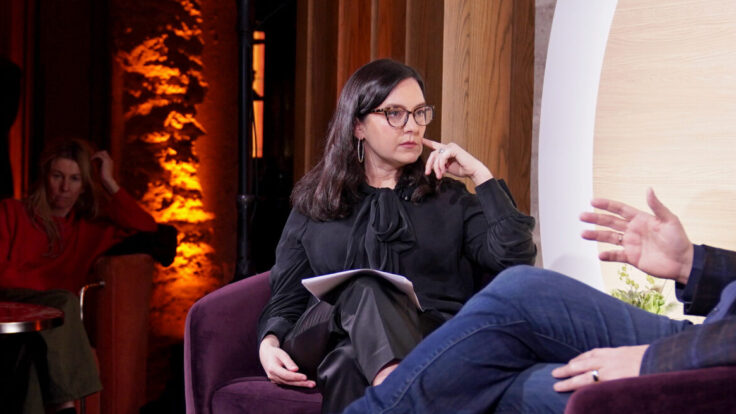
Outsider: Axel Springer chief Mathias Döpfner has pushed Business Insider C.E.O. Barbara Peng out of the job amid a dismal business performance. Officially, Barbara is leaving of her own volition, but every source with knowledge of the matter tells me that she was let go due to her management of the business, which one source described as “a wreck.” (A B.I. spokesperson declined to comment.) Christian
Baesler, an Axel advisor and former Complex Networks C.E.O., will serve as interim C.E.O. until Mathias & Co. determine a new leader.
B.I.’s existential problems are quite evident, and I’ve written about them before. Like many sites of its generation, B.I. overindexed on schlock and search and social referrals and is now wholly exposed in a
platform era when clicks have cratered and consumers create their own content mixes based on trusted or affinity-aligned sources. In recent years, the site has laid off around one-tenth of its staff annually, before a full bloodletting last year that reduced it by 21 percent—and even that wasn’t enough to stave off another round of cuts earlier this month.
Perhaps Mathias can find a C.E.O. who can execute the brand’s latest pivot, which now centers on an editorial strategy led by Wall
Street Journal alum Jamie Heller. Of all the executives in the Axel portfolio, Mathias is said to be most fond of Morning Brew C.E.O. Robert Dippell. Perhaps he’ll expand his purview. But, given B.I.’s precipitous downward trajectory, and the strength of other assets like Politico and The Telegraph, one wonders how much longer Mathias intends to even bother with it before pondering something more severe. - Daily
fire: Daily Wire C.E.O. Caleb Robinson has announced that he’s stepping down effective immediately. The move comes as the Ben Shapiro–led site grapples with steep audience declines and a recent round of layoffs. I chronicled The Daily Wire’s trials and tribulations here just the other week. Caleb will remain on the board
and pass the reins to Mike Richards, a former Jeopardy! producer who currently serves as The Daily Wire’s president.
- Silver linings playbook: Nate Silver has accused Disney of mismanaging FiveThirtyEight, the once-legendary data and polling site that he sold to the entertainment giant more than a decade ago. Disney shuttered the site last year, but Nate says it “could have been a highly valuable business if it
had been managed more carefully.” In Nate’s view, Disney never expended any effort toward making it profitable, despite its success at The New York Times and interest from other buyers.
This is all water under the bridge now, but it’s worth noting that FiveThirtyEight was an early signal that personality-driven niche expertise could anchor a durable media
franchise. The tragedy, at least in Nate’s telling, is that Disney treated it less like a living product to be cultivated than a prestige acquisition to be warehoused inside a sprawling corporate portfolio. “Essentially, we were treated like an unused gym membership,” he wrote, “you don’t want to cancel because you think you ought to be hitting the gym, but every month a charge hits your credit card statement and you aren’t getting any fitter.” - And
finally…: On CNBC this morning, Jeff Bezos reiterated that The Washington Post needs to be “a profitable enterprise.” When asked by Andrew Ross Sorkin whether it would be better off as a trust, Jeff countered that profitability was “a measure of its relevance. If people won’t pay for our product, it’s not a good enough product.” Amen.
|
–91%: The average discount that aughts-era media darlings Vice, BuzzFeed, CNET, Food52, Mic,
and Mashable sold at compared to their peak valuations, per Axios. Vox, too, has now sold New York and its podcasts for less than a third of the company’s billion-dollar high-water mark. And, sure, those early valuations were a little irrational, but the thesis holds.
The chart called to mind my
conversation with Erika Ayers Badan on The Grill Room a few months back. After running Barstool, Erika guided Food52 through its bankruptcy, which she cited as a cautionary industry tale. “When I look at all the companies in the media business, the people that waited, it doesn’t go well,” she told me. “So the first thing is like, if somebody
comes and wants to buy you, like, take the deal.”
And now, the main event… |
|
|
|
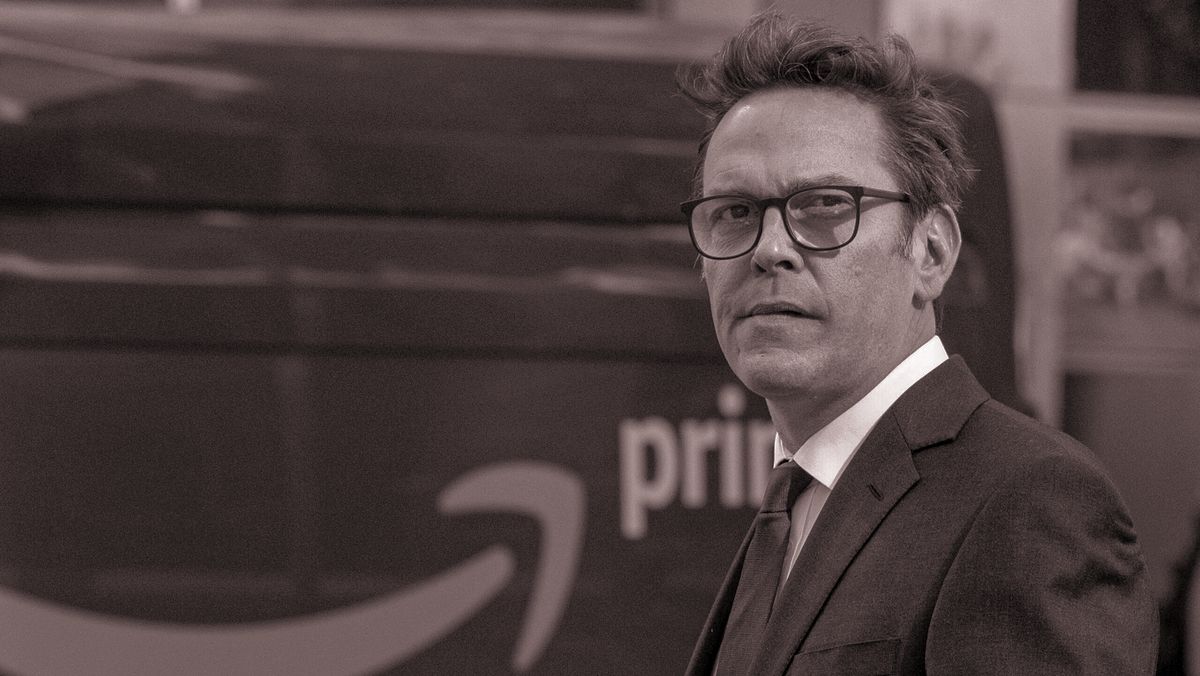
James Murdoch’s acquisition of Vox Media’s prime cuts is now official and the end result is
far more favorable than it might have been: Eater, The Verge and other Vox sites will get spun off; Bankoff and Wasserstein will stay on; and New York and the podcast networks get an owner who, thankfully, has something to prove. |
|
|
|
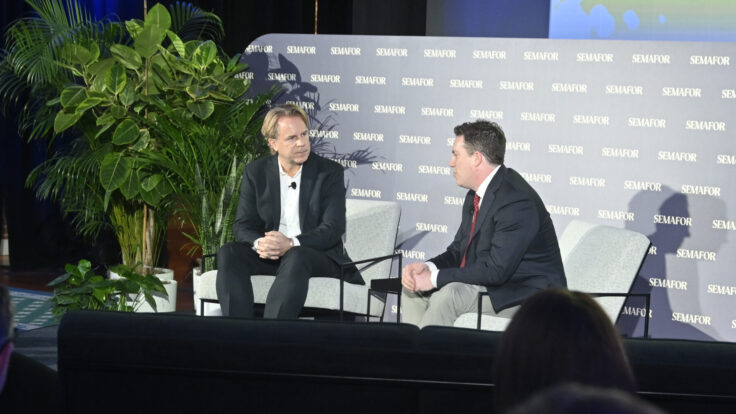
On Wednesday morning, James Murdoch announced that he had landed his long-anticipated, $300
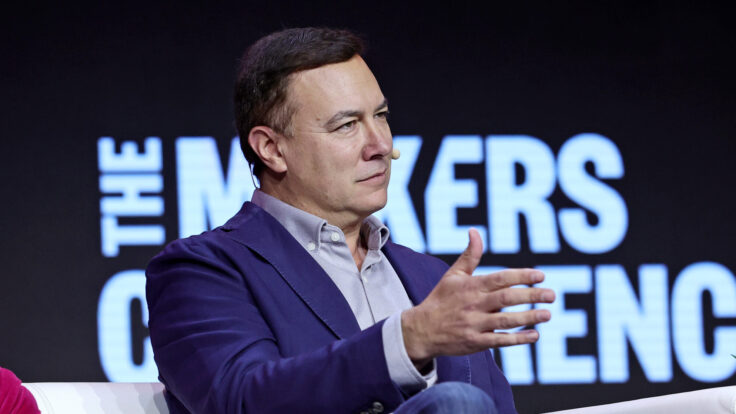
million-plus deal to acquire New York, the Vox Media Podcast Network, and Vox.com. The new Vox Media, as it will be called, will be a subsidiary of James’s investment vehicle, Lupa Systems, and will be run by current C.E.O. Jim Bankoff—who, after sticking around long enough to steward these assets to their best-available exit, surely deserves the role. Indeed, his decision to stick around must have made the deal far more palatable. |
|
|
|
A MESSAGE FROM OUR SPONSOR |
PEERLESS REFINEMENT With a powerful presence and an endless array of personalized touches, the Range Rover epitomizes modern luxury.
EXPLORE
|
|
|
|
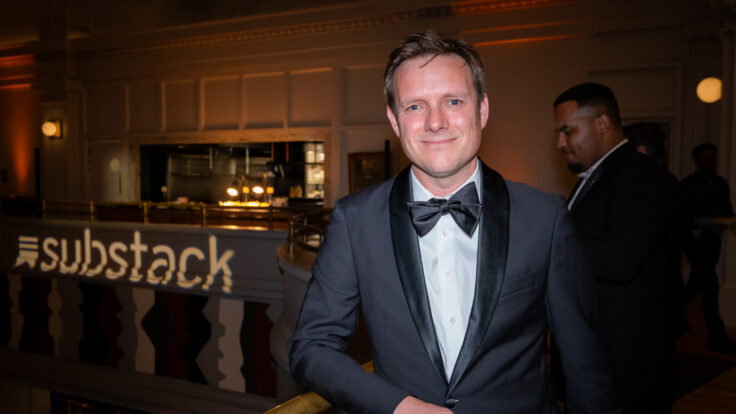
Shortly after the news broke, James and his wife, Kathryn, stopped by Vox’s offices on 85
Broad Street, in lower-Lower Manhattan, to assess their prize. Bankoff and the company’s podcast chief, Ray Chao, gave them a tour; comms chief Lauren Starke proffered swag bags; and James and Kathryn applauded the employees for their work—New York had won the ASME for general excellence the night prior. What else can I tell you…? James drank his coffee from a mug, Kathryn had her water from a paper cup.
This deal has been a long
time coming, which has given us ample time to examine James’s investment thesis, as well as the Oedipal dynamics at play for the spurned son of the Rupert family empire. (Lupa means “she-wolf” in Latin; this isn’t terribly hard.) In
short, James’s primary motivation here simply seems to be getting back into the media game. His strategy for doing so seems to amalgamate a Laurene Powell Jobs–style idealism—he told the Times he wanted to invest in “thoughtful journalism”—while likely facilitating existing minority investor Jay Penske’s mercantile instinct for leveraging the imprimatur of storied, postprime brands to build a multifaceted media and events business.
The events
piece should prove to be significant. James’s portfolio assets already include Art Basel and the Tribeca Film Festival, and he and Kathryn are devising an ambitious annual “ideas festival” in Switzerland to rival Davos. The Vox play almost certainly figures into that, and one imagines that Vox podcast stars Kara Swisher and Scott Galloway will soon find themselves caught up in the Basel flywheel. As I’ve noted before, James is at least smart enough to understand
that Vox’s future has less to do with page views than proximity to influential audiences, powerful networks, and high-end advertisers desperate for signal amid the noise.
This week’s announcement also revealed some intriguing personnel news while leaving a few outstanding questions. As part of the deal, I’m told that Vox vice chair and New York scion Pam Wasserstein will make the transition and continue reporting to Bankoff. That seems a tad top heavy
for what will now be a smaller company, though I suppose everyone here has earned their tenure. Meanwhile, Vox president Ryan Pauley will take over a new stand-alone company containing the digital assets left over from the deal, which include Eater, Popsugar, SB Nation, The Dodo, and The Verge. A career-long company man, Ryan seems to be finally getting the title he always coveted, albeit not the job he actually wanted.
Jim did not address the fate of those
remaining assets, but the most well-informed sources anticipate that they could pass to Penske’s PMC one day. Recall, Penske bought 20 percent of Vox at a $500 million valuation three years ago, so he’s presumably not turning a profit here, but his rescue cash may have bought him a nice deal. Penske already owns a sprawling portfolio of dueling assets, including Rolling Stone and almost all the Hollywood trades, along with South by Southwest and part of Dick Clark
Productions. Tucking a few digital sites into that network and managing for cost should be a cinch. As of now, however, I’m told there is no deal in place, and it’s possible the assets won’t even sell. Anyway, that’s Ryan’s problem now.
In any case, congrats to all involved, including the New York staff and Vox podcast hosts who, at the very least, have avoided the Penske fate, or worse. In the span of time that Jim and James were ironing out these deal terms, Vice began doing
sponcon for Adobe, and BuzzFeed sold to Byron Allen for a mere $20 million to avoid bankruptcy. ($120 million on paper, but let’s be real.) The new Vox Media at least has an owner with ambition, and, as importantly, something to prove. |
|
|
|
A professional-grade rundown on the business of sports from John Ourand, the industry’s preeminent journalist, covering the
leagues, players, agencies, media deals, and the egos fueling it all. |
|
|
|
Puck founding partner Matt Belloni takes you inside the business of Hollywood, using exclusive reporting and insight to explain
the backstories on everything from Marvel movies to the streaming wars. |
|
|
|
Need help? Review our
FAQ page or contact us for assistance. For brand partnerships, email ads@puck.news.
You received this email because you signed up to receive emails from Puck, or as part of your Puck account associated with {{customer.email}}. To stop receiving this newsletter and/or manage all your email preferences, click here. |
Puck is published by Heat Media LLC. 107 Greenwich St., New York, NY 10006 |
|
|
|
|