|
Hello and welcome back to What I’m Hearing+, the Shohei Ohtani two-way star of Team WIH. It’s been a huge week for Disney on the legal front, with new battles over an executive defector, antitrust claims in the sports streaming business, and, especially, its massive lawsuit against generative A.I. platform Midjourney. Tonight, Eriq Gardner offers exclusive reporting and insight on a case that could define the next decade or so in the entertainment business.
Go for it, Eriq…
|
|
|
|
A MESSAGE FROM OUR SPONSOR
|
|
|
 |
Eriq Gardner |
|
- YouTube-Disney battle, round two: The tug-of-war between Disney and Google over former ESPN executive Justin Connolly is heading to the replay booth. Earlier this month, a Los Angeles judge denied Disney’s bid to block Connolly from starting his new role as YouTube’s head of media and sports. Now, an appeal is underway.The ruling from L.A. Superior Court Judge James Chalfant was certainly head-turning. Connolly, who spent two decades negotiating deals for ESPN, rising to president of platform distribution, re-upped with Disney just last year and was earning more than $6 million annually before Google lured him away with an even bigger title. While California strongly favors employee mobility, Disney believed it had the legal advantage, thanks to recent precedent validating so-called “fixed-term” employment contracts for a specified period. Connolly and Google pushed back, pointing to a clause that allowed Disney to terminate the contract at will. That, they argued, made it a one-sided agreement and rendered the noncompete unlawful.
Judge Chalfant appeared to agree, finding that Disney hadn’t shown a likelihood of success on the merits and denying the injunction. But the fight isn’t over. The appeal now not only puts Connolly’s future at YouTube in question—just as the platform renegotiates its ESPN distribution on YouTube TV—but could also shape how freely media executives can jump to rivals in the streaming era. Disney will likely push for an expedited review.
- A Disney-FuboTV settlement?: Coincidentally (or not), the appeal in the Connolly saga came just as Disney was trying to engineer a settlement in an antitrust lawsuit over the rising cost of including ESPN in cable and streaming bundles. A year ago, U.S. District Judge Edward Davila allowed a consumer class action to proceed, accusing Disney of leveraging its control of Hulu, and using most-favored-nation clauses in distribution deals to prop up ESPN’s affiliate fees. The antitrust claims survived, but with a catch: The court ruled that consumers were only indirectly harmed and thus could seek merely injunctive relief, not damages, under federal law.Then, in April, I reported that the Department of Justice had opened an investigation into Disney’s deal with FuboTV—the same deal that would give Disney a majority stake in the streamer, and would also resolve an earlier antitrust dispute over Disney’s own now-scrapped sports joint venture, Venu. The revelation prompted the class action lawyers to move for an injunction to block the Fubo transaction.
Apparently, that bit of leverage worked. The parties recently informed the court they’ve reached a settlement in principle—one that hinges on resolving all subscriber claims related to sports streaming, including those from FuboTV users. The financial terms haven’t been disclosed, but attorneys at Bathaee Dunne have filed a motion to be appointed class counsel as they work to finalize the deal. There are still hurdles to clear, including the inevitable opportunity for objectors to weigh in.
|
|
|
|
Definitely a busy week for Disney’s lawyers. Here’s the biggie…
|
|
|
|
Disney is racing to keep its fight with Midjourney inside the judicial system and out of the political swamp. Insiders insist the endgame isn’t a licensing deal, but to actually compel A.I. companies to stop ripping off Hollywood’s prized I.P. Whether Midjourney negotiates is an open question… but Disney is done asking nicely.
|
|
|
|
If there’s one question I’ve been asked most in recent years, it’s this: Why haven’t Hollywood studios sued over generative A.I.? Simple naivete? Or something more sinister, like a plot to replace the town’s creative class with code-based replicants without agents, egos, or union cards?
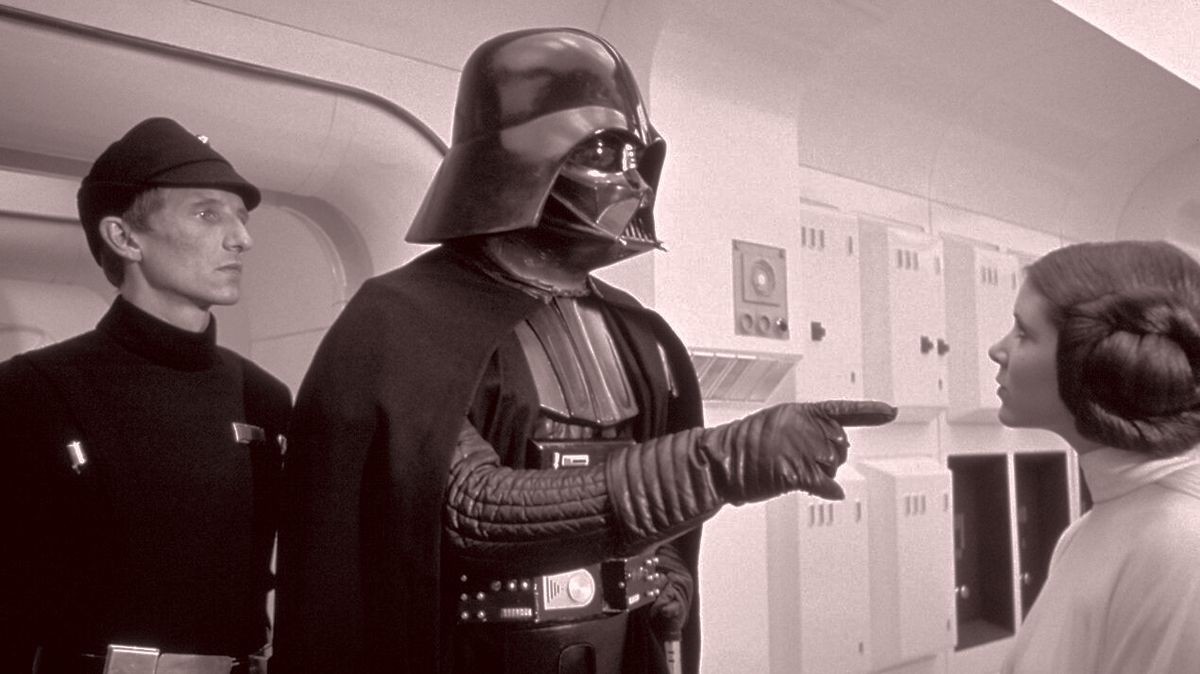
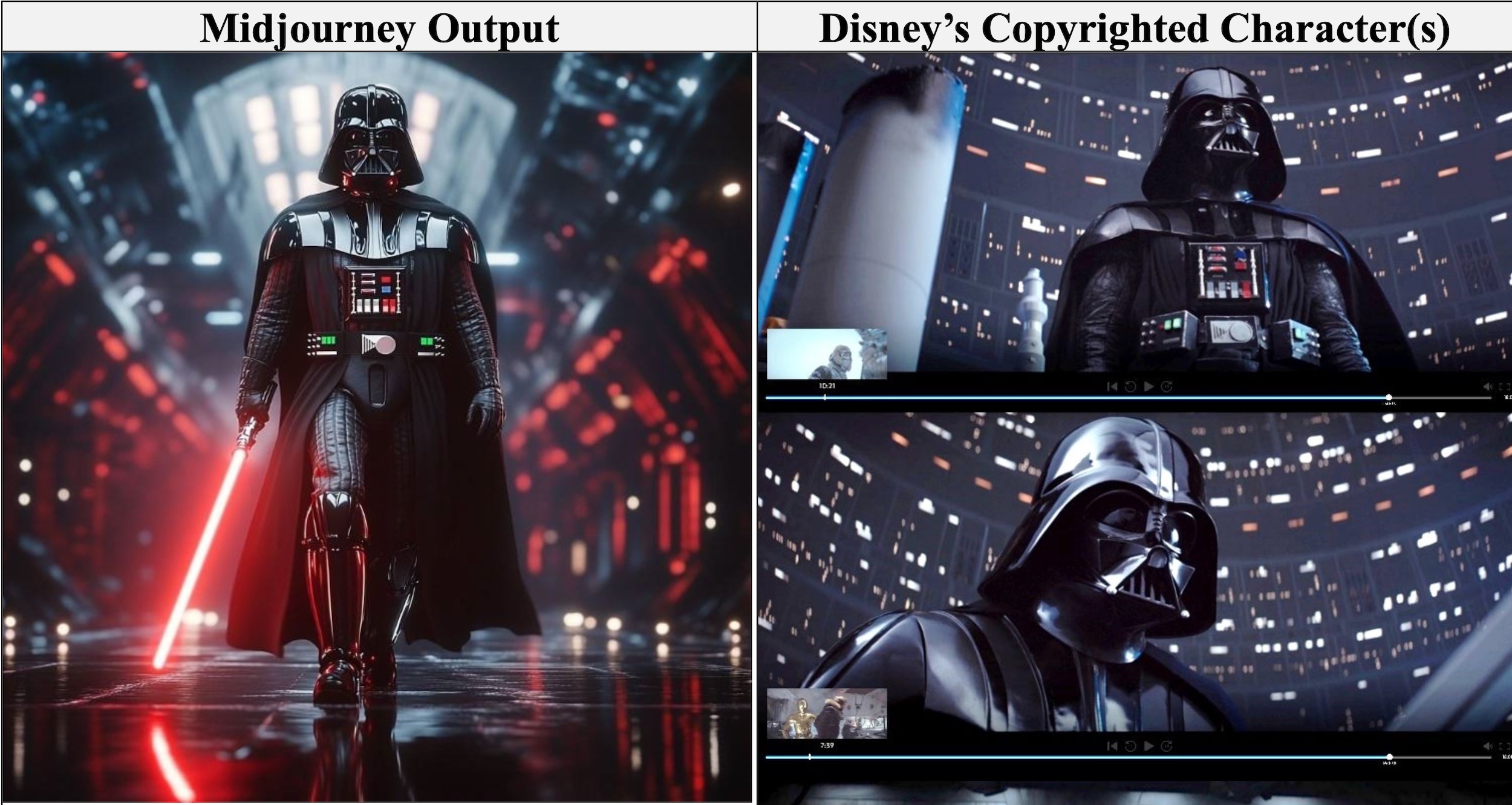
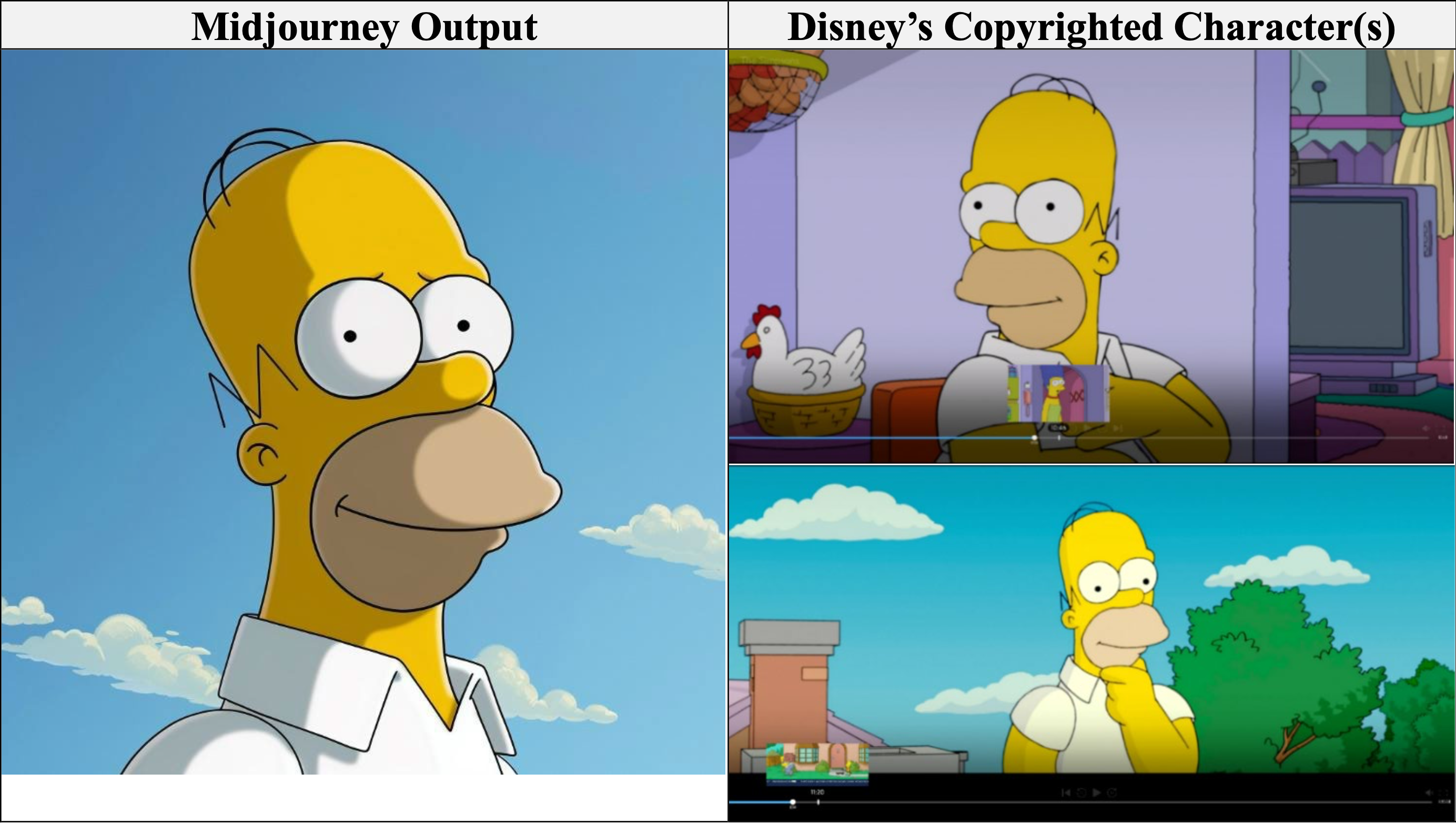
Whatever the answer, it wasn’t the law that was holding them back. That much became clear last week, when Disney and NBCUniversal finally showed some spine and filed a copyright suit against Midjourney, the popular image generator responsible for spitting out eerily accurate versions of Darth Vader, Homer Simpson, and dozens of other intellectual properties that once paid for Bob Iger’s second yacht.
Why now? Why just these two studios? Disney, it turns out from my reporting, has been circling A.I. litigation for more than half a year. Last fall, it warned Midjourney about “plagiaristic outputs.” Cease-and-desist letters went out to other platforms as well, including OpenAI and Meta, which remains firmly in Disney’s legal crosshairs. Two things, however, finally tipped the scale.
First, Midjourney has been preparing to launch a video generator—an image-to-video tool that promises results sharp enough for 4K screens and sleek enough to give Pixar animators night terrors. Disney general counsel Horacio Gutierrez, having received no meaningful response to the company’s earlier overtures, was not amused by the platform’s lack of guardrails—or manners.
|
|
|
|
A MESSAGE FROM OUR SPONSOR
|
|
|
|
Then the White House, in the midst of drafting its long-awaited “A.I. action plan,” put out a call for public comment. Thousands of submissions flooded in. One, from OpenAI, urged the administration to deem A.I. training a protected form of fair use. But the real eyebrow-raiser came from Trump backer Marc Andreessen’s Andreessen Horowitz, which suggested that the Justice Department intervene in A.I. cases on behalf of tech firms.
That got Burbank’s attention. Disney, which has been working behind the scenes in D.C. to keep these fights within the judicial system and out of the political swamp, now sees litigation as its best leverage. Enlisting NBCUniversal for a joint legal front only underscored that this was not merely a symbolic gesture, but rather a preemptive land grab in a looming policy war.
|
You could say Disney is late to the A.I. litigation party. But that’s not how the studio sees it. Most of the 40-some copyright cases currently pending against generative A.I. firms focus on large language models and their voracious appetite for copyrighted text. Disney’s lawsuit against Midjourney, by contrast, centers on visuals—very deliberately so.
The complaint, filed in California federal court, barely mentions training data. Instead, it paints a vivid picture of Midjourney churning out unauthorized likenesses of Spider-Man, Buzz Lightyear, and a host of other I.P. royalty. This level of specificity signals an intent to steer the litigation away from the thorny abstractions of what practitioners call “intermediate copying,” and toward something a judge or jury can plainly see—and more instinctively treat as theft. Here are some examples from the complaint:
|
This may be the start of what some are calling the “2.0 A.I. cases”—a term I first heard a few weeks ago at the annual meeting of the Copyright Society in Cambridge, Maryland. (Incidentally, I was the only reporter in attendance…) The phrase describes a subtle strategic shift: If the early lawsuits were preoccupied with how these models were trained, the second wave is about outcomes—what the models produce, how they behave, and what companies are doing to manage the mess. In other words, A.I. is here to stay. Might there be a way to shape the product for the better?
One example of this new breed of litigation is Dow Jones v. Perplexity, filed last fall. On its surface, the suit resembled other media-A.I. legal skirmishes. Unlike The New York Times or The Intercept, however, Dow Jones’s parent company, News Corp, wasn’t focused only on how Perplexity, an A.I. “answer engine,” was purportedly scraping its data. The company was also complaining about sloppy attribution, the lack of links, and hallucinated headlines. These are problems that can be fixed—and likely will be. Rupert Murdoch’s obvious goal is to license News Corp’s content in exchange for money, credit, and, of course, traffic.
Disney’s case may have a different flavor, but it comes from the same kitchen. Insiders I’ve spoken with insist the endgame here isn’t about licensing revenue, but rather to compel A.I. companies to build actual guardrails: filters, flags, and maybe even something approximating creative consent. If the platforms can stop nudity, the argument goes, there’s no good reason why they can’t respect Queen Elsa. Whether Midjourney—and the rest of Silicon Valley—chooses to play along is an open question, but Disney is done asking nicely.
That said, Disney’s late arrival isn’t without consequences. Even if its lawsuit is more concrete than those brought by authors or publishers, the broader fair-use questions—especially around training—are already being contested in other courts. Any precedent set in those cases could shape the outcome here, too.
That’s one reason Disney is now weighing a broader legal role. I’m told the company is considering filing amicus briefs in support of other copyright plaintiffs. Some of these cases—starting with Thomson Reuters v. Ross—will be going up on appeals soon. Expect Disney to show up. Whether the Trump administration appears on the opposite side is an open question, though I’d put good odds on it. Meanwhile, I’m told Disney is strongly considering additional A.I. lawsuits.
|
So where are the other studios? Where’s the grand alliance, the Motion Picture Association–style united front we saw in the heyday of Napster and Grokster? Amazon MGM Studios is busy, understandably, with a parent company still in the honeymoon phase with Anthropic. Netflix and Sony don’t have the kind of legacy characters that pair easily with Darth Vader or Marge Simpson. But Warner Bros. Discovery?
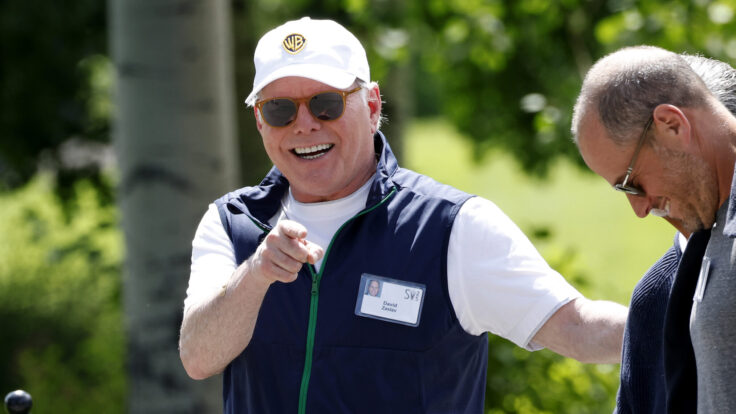
As Matt Belloni reported last week, WBD backed out late in the process—perhaps over cost, likely over focus. But it’s still a head-scratcher. Sure, litigation is expensive, but like reruns of The Big Bang Theory, there’s the prospect of a payout at the end. David Zaslav would be severely misreading the moment by focusing squarely on managing his company’s impending split rather than engaging on the most consequential I.P. battle of the decade.
Yes, WBD—or, more particularly, Zaz’s Streaming & Studios spinoff—may benefit passively if Disney wins. But the company won’t have a seat at the strategy table to shape how these lawsuits define creative ownership in an A.I.-saturated future.
And this may be the clearest sign yet of the company’s demise. Twenty years ago, Warner Bros. played a pivotal role in the Supreme Court’s Grokster decision. What few realized at the time, and what I learned in Cambridge, is that Warner’s lawyers were running a two-track play: fighting file-sharing on one front, while quietly shielding AOL Time Warner’s digital flank. That’s what smart studios do: They show up.
This time, WBD is sitting out. Maybe it files an amicus later. Maybe it launches its own suit. Maybe it tasks ChatGPT with cooking up an entirely different plan that fits the budget and comes bundled with content. But right now, it’s letting Disney write the new policies. And in Hollywood, as in Washington, the parties who don’t help draft the rules often find themselves playing by someone else’s.
|
|
Thanks, Eriq. I’ll see everyone on Thursday.
Matt
|
|
|
|
Puck founding partner Matt Belloni takes you inside the business of Hollywood, using exclusive reporting and insight to explain the backstories on everything from Marvel movies to the streaming wars.
|
|
|
|
A professional-grade rundown on the business of sports from John Ourand, the industry’s preeminent journalist, covering the leagues, players, agencies, media deals, and the egos fueling it all.
|
|
|
Need help? Review our FAQ page or contact us for assistance. For brand partnerships, email ads@puck.news.
You received this email because you signed up to receive emails from Puck, or as part of your Puck account associated with . To stop receiving this newsletter and/or manage all your email preferences, click here.
|
|
Puck is published by Heat Media LLC. 107 Greenwich St, New York, NY 10006
|
|
|
|