It’s hard to overstate the evolution of the TV upfronts during the past decade, from a predictable showcase for broadcast networks to spin their upcoming programming to what is now a chance for global streaming platforms… to spin their upcoming programming. I never used to go, but now I think it’s worth enduring the puffery to get a sense of what Netflix, Prime Video, Disney, and the others are prioritizing for the rest of the year. And YouTube, which dwarfed competitors with $36 billion in ad revenue last year, was offering a five-song
Lady Gaga concert as a reward for sitting through a lengthy testimonial from the C.M.O. of Procter & Gamble that played, for some reason, over a dramatic mini-orchestra of live violins.
Anyway, after spending most of the week running around rainy Manhattan to the various presentations and parties, here’s my summary, in the form of the unofficial TV Upfronts Awards. Starting, of course, with…
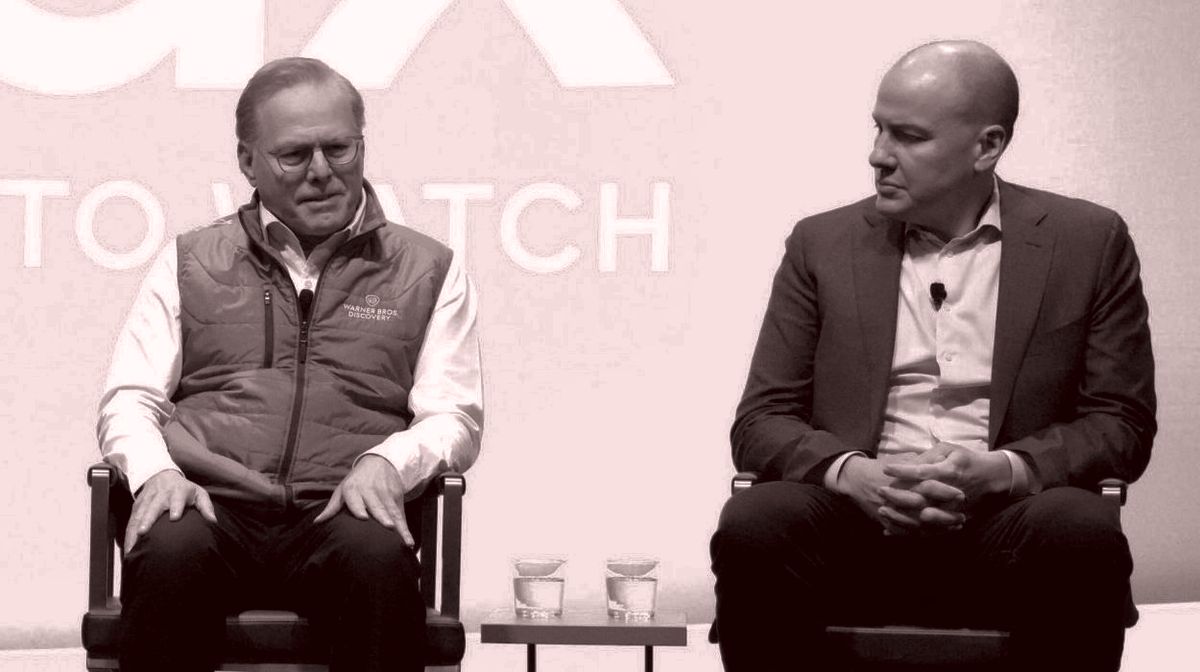
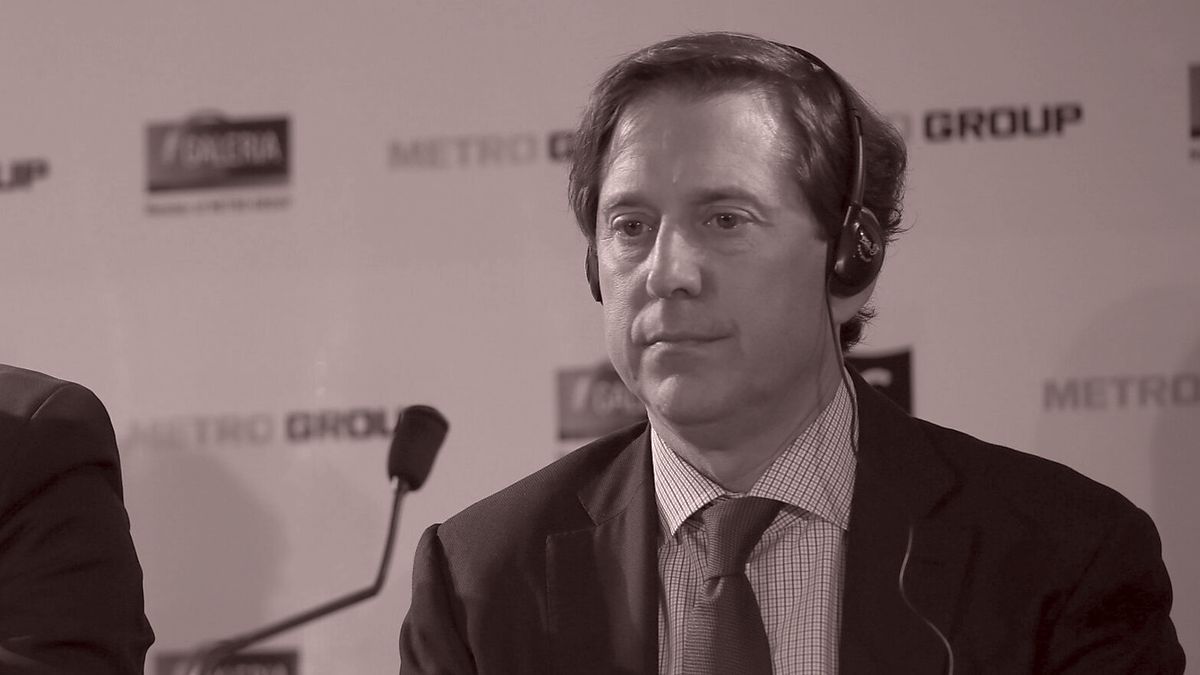
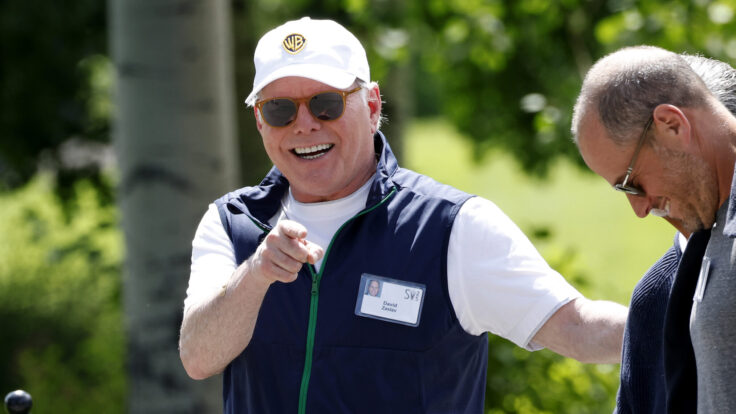
Best Tragicomedy David Zaslav and
JB Perrette. We all seem to be dunking on the Warner Bros. Discovery C.E.O. and streaming chief for their 100 percent predictable retreat from Max to HBO Max. Sitting in the rear section of the Madison Square Garden theater yesterday when the announcement was made, it honestly felt like the entire crowd did a collective facepalm. The saga of HBO to HBO Go to HBO Now to HBO Max to Max to, this summer, HBO Max all over again, might be the most embarrassing tail-between-legs situation in entertainment branding since… maybe Netflix’s Qwikster debacle in 2011?
Zaslav and Perrette repeatedly insisted that the HBO brand was too limiting for the aspirations of the combined company—that for all the tens of millions of people who loved
The Sopranos and
Game of Thrones and
The White Lotus, there were
hundreds of millions more for whom those very popular titles were a turn-off. If they wanted to truly compete on the
global stage, they argued, the company needed a brand that would be
bigger and
broader than one of the most universally known and highly considered names in TV history. Max was “our rendezvous with destiny,” Zaslav declared with a straight face in April 2023. With the rebrand, “this is our time. This is our chance, and everything is possible.” Turns out everything was… not possible.
But the truth is that Max as a rebranding exercise was a relatively harmless swing-and-miss. It was short-lived and unadopted by the public, so reverting to HBO Max won’t really alter the perception of the service
that much. There may have been chuckles in the Garden and a firing squad of negative headlines and funny posts on social media—some of which were
generated as a defense mechanism by Warner Discovery, the first time I can remember a media company mockingly meme-ing
itself. But those headlines led many to
not write about the lack of NFL or NBA on Warner platforms… or the low engagement numbers on Max despite all those tentpole HBO hits… or the dwindling audiences on linear, particularly at CNN. Compared with those, the slightly different name of the service isn’t a huge issue. Like
Hacks star
Jean Smart, who fumbled with the branding on the Emmys stage last year, we all kinda thought Max meant HBO Max, which has always, for most of us, just meant HBO.
Netflix certainly knows that. For years, co-C.E.O.
Ted Sarandos has said he’ll know Warners is serious about streaming when all those names go away, “and it’ll just be HBO.” That’s likely coming in the
next inevitable rebrand, especially now that streaming consumers have shown they will accept the “HBO” name with less elevated library shows like
Friends and
The Big Bang Theory, as well as the HBO originals and Pay One movies that defined the brand for decades. And yes, even
90 Day Fiancé.
So the demise of Max is less about the brand misfire and more about what the name change
represents—the concurrent retreat from the supposed value proposition of Max, the whole Zaslav justification for the Warner Discovery transaction in the first place. As I mentioned last week, it’s a very big deal to admit, two years after smashing HBO, Warner Bros., and CNN together with Discovery Communications in a $43 billion leveraged buyout, that—
actually…—the combined content offering didn’t move the needle very much. With notable exceptions, most of the cheapo, lean-back Discovery shows that Zaslav built his linear career on don’t matter nearly as much in an on-demand ecosystem where the Max service is not the first choice for consumers. Turns out, most of that stuff is deadweight, flipped via that 2022 “merger” to form a company that has lost about 65 percent of its value
since then. Now, a lot of the volume that was touted as the secret weapon to competing in the streaming wars is being purged from the service.
Typically, when the leadership of a corporation spearheads a massive transaction based on a specific thesis, and then it turns out that the thesis was not especially beneficial to the corporation, the board of directors will change leadership and chart a new path. For some reason—likely, a combination of investor
John Malone’s undying devotion to Zaslav and the belief that there’s no obvious replacement for him—the Warner Discovery board is simply allowing the new plan to be spearheaded by the same extremely well-compensated people who conceived and executed the old plan.
They must know what they’re doing… this time.
It’s both tragedy and comedy: the ongoing effort of an overleveraged linear TV company to jazz-hands its way to a digital future despite the shrinking economics of the core business. It’s all about “quality” now, C.F.O.
Gunnar Wiedenfels preached at the MoffettNathanson conference today. Okay. But it was
always about quality. That was the differentiator for HBO and Warner Bros. But supposedly that’s the mission
now, as well as reducing debt and positioning the company to potentially be carved up like a turkey. “We’re just going to make sure that we are in a position to take advantage of whatever opportunity arises,” Gunnar told analysts today. That’s likely the real destiny, and it’s probably why Zaslav, who has very publicly sat courtside at the Knicks playoff games lately, didn’t appear at his own upfront to explain himself.
Ozempic Honors
Fox, which has slimmed all the way down to just four hours of scripted programming in the fall, including just two hours of non-animation scripted—though ABC is arguably thinner, with only five hours of scripted despite programming three hours a night.
Most Intimidating Stat
183
billion hours watched on Netflix in 2023, which the presentation noted is the equivalent of
21 million years watched. (Still not as long as the
Russos’
Electric State movie
felt.)
Buzziest Buzzword
Non-cannibalization. Disney announced the new ESPN streamer will cost $30 a month, or $36 in a bundle with Disney+ and Hulu. And while
Lachlan Murdoch did not say how much Fox will charge for the new Fox One streamer, which will feature most of the broadcast network’s programming (including NFL), most analysts believe it’ll be around $20 per month. Both those price points and content offerings suggest there’s little fear of cannibalization of their linear counterparts.
I had breakfast with one analyst who noted the long-awaited ESPN service is not expected to generate more than a couple million new subscribers in the first few years, and most of them will likely be bundlers and cord-nevers. Which is consistent with the current thinking in the TV business. People still paying for the cable bundle at this point are unlikely to be nudged out by the availability of particular programming on streaming. It’s a different audience, and the challenge is to capture each demo where they are while gently nudging them toward the streamers and their direct relationship with the customer.
Most Elevated Pandering
NBCUniversal, whose Monday presentation began with a 55-piece symphony orchestra performing a medley of advertising jingles from more than a dozen brands whose executives were no doubt beaming in the audience.
Prettiest Pig
Also NBCUniversal, for scheduling a Comcast Symphony–mandated
Wicked for Good promotional hour for November on NBC, then touting it to advertisers as a “special event” that they might want to pay extra for.
Best Rivalry
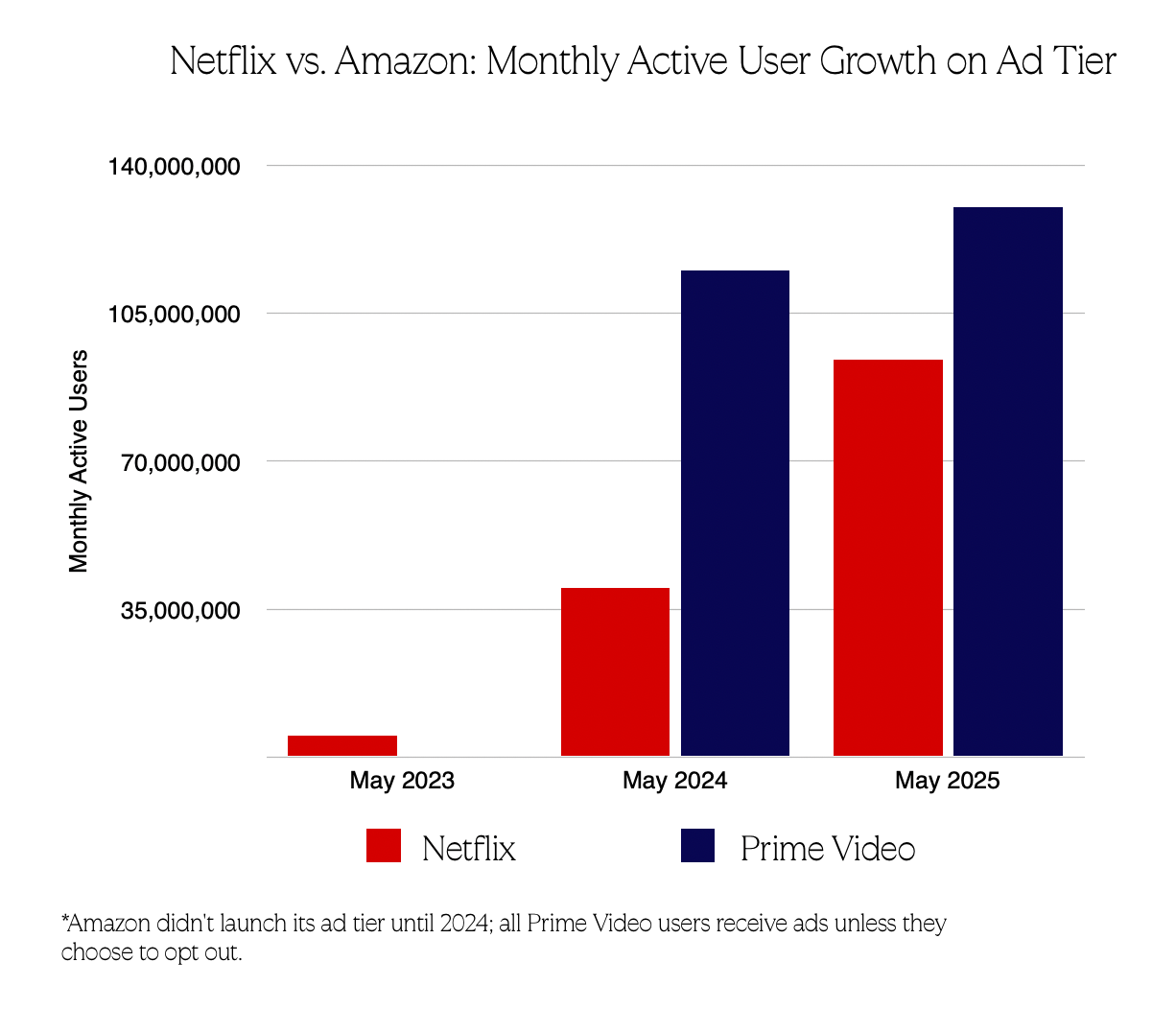
Netflix vs. Amazon Prime Video, over monthly active users on their ad-supported tiers.
Amy Reinhard, Netflix’s ads president, touted a year-over-year jump from 40 million to 94 million global MAU accounts, claiming that members on ad-supported plans spent an average of 41 hours a month viewing Netflix. Prime Video execs countered with 130 million MAUs, though they didn’t explain exactly how an active user is calculated…