 |
|
Welcome back to What I’m Hearing on this historic Yom Kippur evening. So much to say about this Writers Guild deal, but tonight our labor expert Jonathan Handel and I have a first take, with some in-the-room details…
Programming note: I’m on CBS Mornings tomorrow and MSNBC’s Morning Joe at about 9:10 a.m. Eastern. This week on The Town: Lucas Shaw and I debated who’ll suffer permanent damage from the strike; Casey Wasserman explained how his agents and managers will work together; and Michael Wolff teed off on Lachlan Murdoch. Subscribe here and here.
Was this email forwarded to you? Click here to become a Puck member.
Also, a quick note that I’ll be interviewing BofA media analyst Jessica Reif Ehrlich at our first Puck Quarterly Call this Thursday at 1:00 p.m. ET. This is a new subscriber-only perk to hear directly from industry analysts and insiders, plus my Puck colleagues. Click here to RSVP.
Discussed in this issue: Ted Sarandos, Rupert Murdoch, David Goodman, David Slack, Drew Barrymore, Donna Langley, David Zaslav, Taylor Swift, Carol Lombardini, Bob Iger, Chris Keyser… and my Larry David voice.
But first…
|
| Who Won the Week: Keanu Reeves |
|
| Indiana Jones 5, Mission: Impossible 7, Fast 10, Equalizer 3, and, as of this weekend, Expendables 4: 2023 is officially the year of the underperforming sequel starring a man over the age of 55, which makes the $426 million, franchise-best success of Reeves’ John Wick 4 in the spring all the more remarkable. |
|
|
| “I recommend posting some music or concert videos directly on the X platform.” —Elon Musk, in an amusingly desperate plea to Taylor Swift on Twitter/X. Swift didn’t respond.
Now for a look beyond the WGA impasse… |
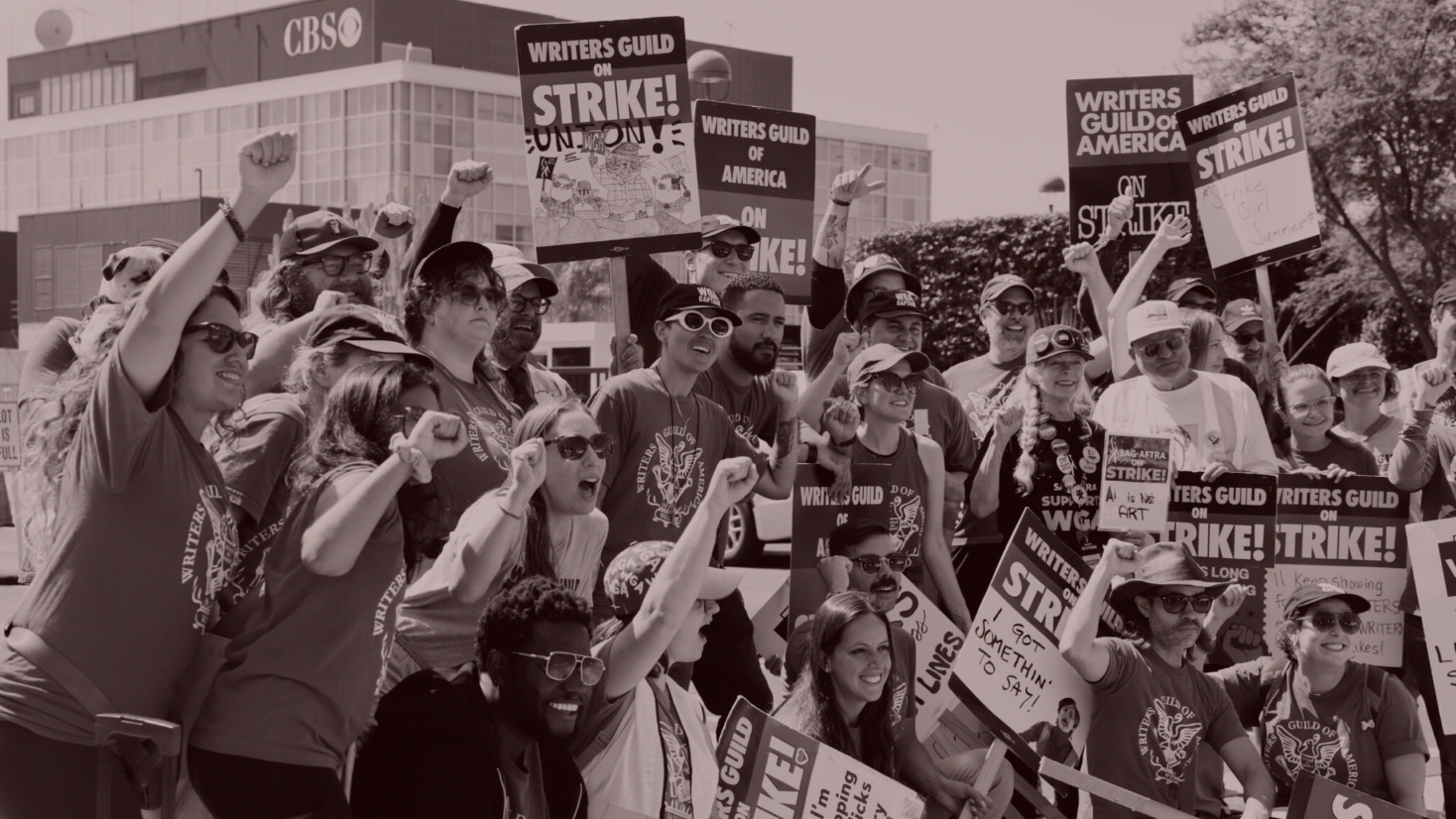 |
| Hollywood’s Post-Writers Strike Reality |
| Both sides claim victory as the 146-day impasse ends, the actors wait in the wings, and the next weeks and months come into focus. A sigh of relief in Hollywood, yet there are reasons to believe this aftermath will look very different. |
|
|
|
|
|
| It’s fitting that these Writers Guild negotiations stretched nearly into Yom Kippur, because both sides had a lot to atone for. Whoever in the studio/streamer brain trust thought it was cool to announce Saturday’s revised proposal as a “last, best, and final offer” definitely should have known that the framing would enrage the striking writers. The WGA will now need to sell the tentative deal reached today to the media and to members who have endured months of pain—and the last thing they wanted is the perception of acquiescing to a final offer.
Meanwhile, the WGA campaign was getting nastier. Rather than celebrate the obvious progress, members spent the weekend lashing out at the studios and the media. In perhaps the ugliest move yet, guild members tweeted at Mira Sorvino last week that her father, the late actor Paul Sorvino, would be “disgusted” by her appearance on Dancing with the Stars. No matter that SAG-AFTRA—which, unlike WGA, is the guild that Mira is actually a member of—specifically endorsed her participation because DWTS falls under a non-struck contract. Since when is it okay to use someone’s dead parent to shame them into not appearing on a reality show?
Regardless, this standoff has thankfully ended. According to sources in and around the final negotiations, no voices were raised, and nobody stormed out of the room during this final stretch. But the studios made it clear that if there wasn’t a deal this weekend—and preferably before the Yom Kippur sundown—they were planning to move on to SAG-AFTRA. The in-person meetings of the past week gave way to Zoom yesterday and today. The studio side complained that the guild didn’t know how to close, that they kept coming back with more and more and more. The guild complained that they hit a wall on Thursday, when the studios outright said they wouldn’t negotiate on a couple favored issues. Both sides, under incredible pressure from their constituencies after a 146 day strike, recognized that the deadline was today or potentially weeks from now.
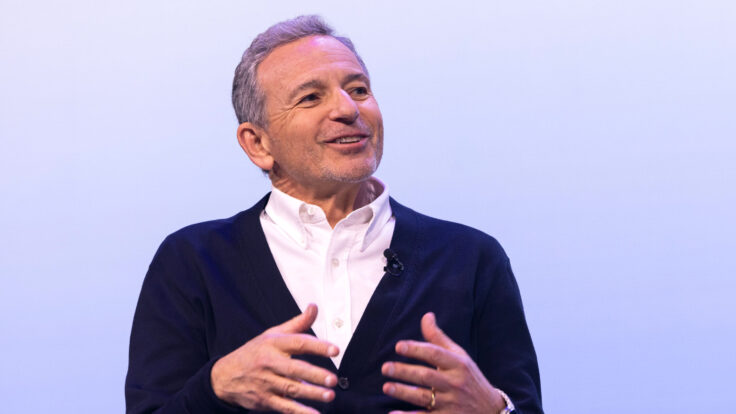
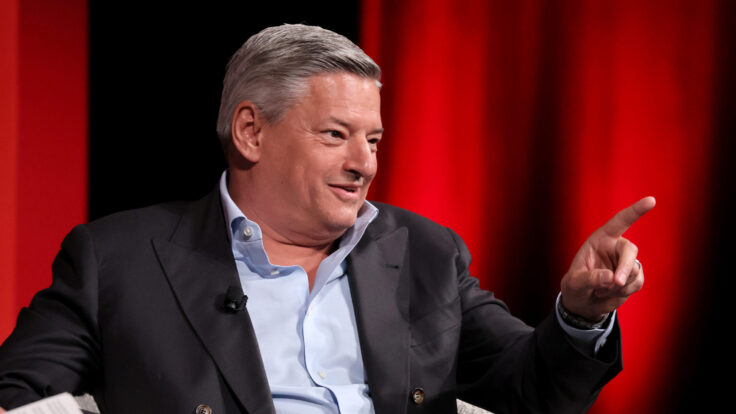
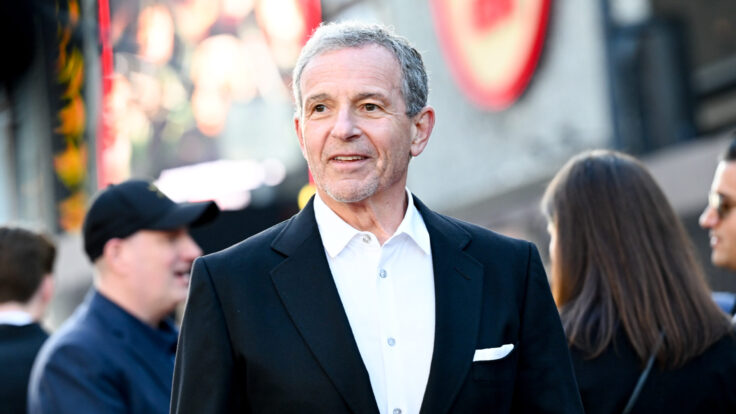
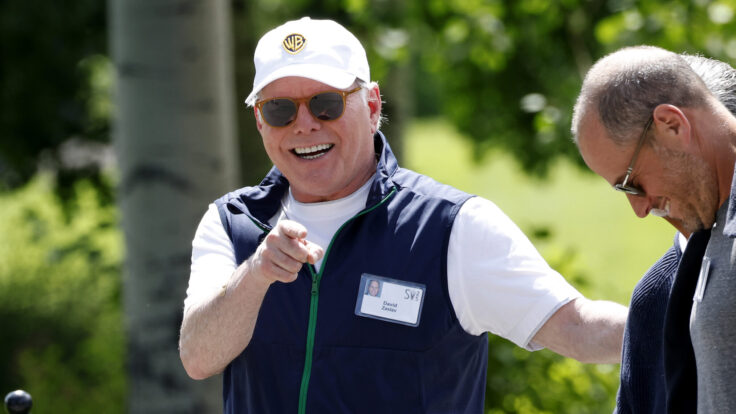
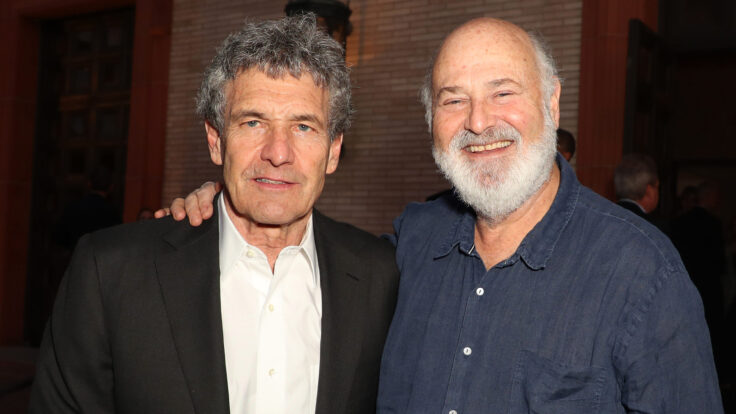
So who won? That’s impossible to tell tonight. But the spin has already started. The guild is using the “exceptional” and “meaningful gains” language, though it hasn’t quite elevated the framing to “historic” (yet). And while the studios are saying nothing—last thing they want is to disrupt an un-papered deal—it’s clear that the top negotiators (Disney’s Bob Iger, NBCUniversal’s Donna Langley, Netflix’s Ted Sarandos, Warner Bros. Discovery’s David Zaslav) felt a sense of urgency. (A sense that, arguably, they should have felt months ago.) Oh, and the heads of the companies that weren’t in the room—Sony, Paramount, Amazon, and Apple—would very much like you to know they were heavily involved and constantly monitoring the situation from afar. Okay!
More details will come out this week, but we’ve confirmed from sources that lead negotiators Chris Keyser, David Goodman, and Ellen Stutzman achieved broad protections against AI, though the studios kept certain rights to experiment. (Determining that contract language was actually what stretched the final negotiations into Sunday.) The writers also got certain levels of minimum staffing based on the number of episodes of a TV show, though not the guaranteed level that they wanted. They didn’t get a strike recognition clause, which would have allowed the WGA to respect other unions’ picket lines. And on the all-important transparency issue, it’s still unclear how significant the gains actually were. The new residuals scheme contemplates bonuses based on consumption—the more a title is watched, the higher the residual—and that’s a big deal. But what those bonus benchmarks are, and how much access the guild will have to that data, is not clear. We’ll be following up on that issue.
With this impasse finally resolved, let’s look beyond the WGA strike to how the next weeks and months might play out. |
|
|
| What happens next? Now that the WGA has reached a deal, the governing board of the WGA West and council of the WGA East need to vote on it. They’ll endorse it, of course, but that will come on Tuesday, after the holiday, and they’ll take a few more days to prepare voting materials for the membership, who then will have two or three weeks to approve the deal. Until that approval occurs, the deal isn’t official, and writers normally can’t return to work—unless the guild says otherwise, which leadership says is their goal. No word yet on how soon that will happen, though the late-night shows could be first to return. (Picketing, in contrast, was suspended immediately, though writers may still join striking actors in solidarity.)
Meanwhile, the companies can pivot to SAG-AFTRA while the WGA ballot is in process. Under the best assumption, actors’ negotiations will take two or three weeks—the union has a lot of subsidiary issues in addition to three to five headliners—and then comes the same post-deal process as with the writers. That means a SAG-AFTRA deal likely won’t be ratified until just before Thanksgiving—and until then, actors can’t act or promote, again, unless their union lifts the strike restrictions.
Then, once that ratification happens, hundreds of productions will scramble to reboot all at once—and all around the holidays, when Hollywood typically shuts down. It’s hard enough to schedule a movie or TV series in the ordinary course of business, given the need to coordinate availability of talent, key crew, locations, sound stages, etc. Now just imagine the chaos of every show and movie fighting for the same resources as studios try to salvage their 2024 slates. It won’t be pretty, and the stampede is unlikely to settle into a normal rhythm for months.
We’re also about to see a firehose of announcements of projects and castings that have been held back for fear of bad optics or violating guild rules. Greg Daniels is set to do a reboot of The Office, for instance. Disney’s Dana Walden will finally be able to announce the return of her BFF Ryan Murphy from Netflix. A ton of high-profile movie scripts will come in. The industry will chug back to normal. |
|
|
| Later this week, attention will shift to SAG-AFTRA. The key issues remain basic wage increases, success-based streaming residuals and A.I., as well as pension and health contributions, and guardrails for self-tape auditions.
Of course, A.I., and to a lesser extent residuals, are the sexy concerns. Everyone is afraid of being displaced by bots. And residuals have been a key driver of virtually every above-the-line strike since the 1940s, and are endlessly complex and fascinating (for wonks, anyway).
But maybe we shouldn’t be too distracted by the bling. Assuming that the WGA got something reasonably acceptable in streaming residuals, that will likely set a pattern for SAG-AFTRA. And if the writers achieved meaningful protections against A.I. displacement, the actors are likely to also do so. Not that these issues are a slam dunk, but the WGA deal may smooth the way.
Basic wage increases may actually turn out to be the toughest issue for SAG-AFTRA and the studios/streamers. That’s because the companies’ key concern is the total cost of the deal—and basic wage increases are a stunning 85 percent to 90 percent of the total cost of the package.
Here are the numbers: the AMPTP says its last, pre-strike offer to SAG-AFTRA, which included a 5 percent increase in basic wages in the first year of the contract, is worth about $1 billion; the union says it’s $772 million. But let’s use the studio figures for the sake of analysis. According to a management source and my modeling, that breaks down to $717 million in basic wage increases and $151 million in related P&H increases (for a total of $868 million), plus $151 million in additional items (including an estimate of the streaming residuals increase achieved by the DGA, but not including success-based additional residuals that the WGA may achieve). That’s a grand total of just over $1 billion, which puts the basic wage increases at about 85 percent of the package.
However, SAG-AFTRA wants an 11 percent bump to account for recent inflation. Rerunning the numbers results in about $1.5 billion in basic wage increases (including related P&H), and a grand total of about $1.6 billion, meaning that the basic wage increase would account for about 91 percent of the package. In a related matter, the actors are making the same wage demand in negotiations with video game companies (who also are offering 5 percent), and are likely to strike against that industry as early as next week.
Remember, the writers only asked for a 6 percent increase, meaning that the parties likely agreed on 5.5 percent or 6 percent. But SAG-AFTRA almost certainly won’t do a deal at that number. And that raises another concern for the companies—next year, three more big contracts expire: the SAG-AFTRA Netcode (reality shows, talk, late night and soaps), the IATSE crew union agreements, and the Teamsters truck drivers agreement. A strike by IATSE or the Teamsters would once again shut down the industry.
All three of those agreements implicate basic wages (and A.I.), so whatever SAG-AFTRA achieves in wage increases is likely to drive next year’s demands. And that ripple effect—pattern bargaining—means that today’s basic wage issue is even more important than its current magnitude implies. That portends tough bargaining. |
| Can We All Be Friends Again? |
|
| After the last writers’ strike in 2007-08, which was followed by a year-long SAG stalemate that ended in 2009, Hollywood kinda got amnesia. The industry pretty quickly returned to status quo, albeit with ever more reality shows. True, few studio execs forgave WGA’s then-president Patric Verrone or SAG’s then-president Alan Rosenberg, and both appear to have continued to work only sporadically. But the rank and file activists, and top stars and showrunners, were never really put in Hollywood jail.
After all, this business may be filled with petty, vindictive assholes who hold grudges against all enemies, real or perceived. But it’s also still a creative-driven business, and studio executives are evaluated in part on their talent relationships, real or perceived. There’s a reason the studios/streamers moved to suspend, rather than terminate, their overall deals during the shutdown, and why many streamers waited months to even suspend: For the most part, they’d really like to be in business with top writers post-strike.
Cue the Larry David voice: Having said that… there are a few reasons to believe this strike aftermath might be different:
- The Tone. The bitterness on both sides feels uniquely pitched, true to form for the first dual Hollywood strike in 63 years and our era of polarization. This fight has been framed as class warfare, not without reason, and as existential by both sides. Does that sentiment simply disappear now that there’s a deal? Maybe, maybe not.
- Social Media. This was the first strike where guild members spent months constantly crapping on the studios and their executives in a very public forum—often by name, often in nasty, personal attacks, and sometimes in meme-worthy ways that have caused the ridicule to go viral. There was a little of this in the 2007-09 labor turmoil—remember blogs? Nikki Finke?—but social media has come a long way since then.
The attacks have been effective during the strike, and the fear of being called out effectively silenced any dissent within the guild—especially among high-earning showrunners, many of whom were frustrated but largely kept quiet. But it’s not clear whether there will be lingering career effects after it’s over. I’m not talking about dutiful WGA members who picketed with funny signs. I’m talking about the Twitter crowd, the “fuck these guys” writers, many of whom don’t have major credits or cachet, but spent a big chunk of the strike on the attack. I’m thinking of The Bear guy Alex O’Keefe, or past WGA board member David Slack, or Pay Up Hollywood co-founder Liz Alper. Some of these more vocal writers have never had more clout than during the strike. And maybe that will endear them to showrunners, who do the majority of hiring. But their activism and personal tactics could come back to bite them with studio executives.
- The Market. This strike has coincided with the bursting of a content bubble and a market correction in streaming. So the studios and streamers (maybe with the exception of Netflix) will almost certainly be pulling back, post-strike. That doesn’t mean the A-plus paydays and overall deals will go away. But it does mean the middle-class writers on a show who might have been rewarded with overalls might not get them, and the studios, in canceling a number of shows that had previously been renewed, have shown they may be a little more willing to make cuts to guild members that just waged a five month war. The divide between working writers/showrunners and the bottom of the guild is already vast, and post-strike it will likely get wider.
But that’s all for tomorrow, this week, and the weeks to come. Tonight, at least, let’s all atone for five months of bad behavior and a writers strike that didn’t need to happen in the first place.
Note: Congrats to Jonathan, who’s joined L.A.’s Feig Finkel law firm as Senior Counsel. |
|
|
| Bob Iger, C.E.O. of the struggling Walt Disney Co., would like Wall Street to know he’s a grower not a shower, pledging to invest $60 billion in the one division (theme parks) that’s doing great. Sounds smart to me, but investors responded by punishing the stock, and my Puck partner Bill Cohan seems to agree with them. [Puck]
Speaking of Iger, sounds like he’s the inspiration for Disney’s new season of The Santa Clause series. Actual logline: “The Calvin family is back at the North Pole, as Scott Calvin (Tim Allen) continues his role as Santa Claus after his retirement plans were thwarted when he failed to find a worthy successor in season one.”
Seriously, what percentage of Amazon Prime customers will pay $3 a month to stream the shows they already don’t watch, but without ads? I’m guessing it’s like Oppenheimer’s line to Matt Damon: “Near zero.” But given the revenue per user is higher with ads, that might be the point. [WSJ]
The music industry’s mid-year report reveals recorded music and subscription streaming revenue are both up around 10 percent year-over-year, thanks to price hikes. [RIAA]
New York sports villain and cable TV nepo baby Jim Dolan thinks he can reinvent himself with the $2.3 billion Sphere venue in Vegas… which I’ll admit looks very cool. [NY Times]
More Vegas: The new Fontainebleau resort took 16 years to develop and open… so, about as long as a movie—if it’s an adult drama. [THR]
How digital consumption data and “views” became “metric tons of metric bullshit.” [NY Mag]
While Hollywood burns, Meta has brought back happy hours, free shirts, laundry services, and haircuts. [Bloomberg] |
| A Sports Rights Canary in the Coalmine? |
|
| Something to monitor: Endeavor and TKO, the new home for Ari Emanuel’s WWE and UFC assets, announced a very good $1.4 billion deal with NBCUniversal for five years of WWE’s SmackDown. That’s a rights fee about 40 percent higher than the current deal with Fox, exactly what its president Mark Shapiro promised Wall Street. And yet the stocks of both companies tanked about 15 percent in response.
Why? Investors may have wanted more, and they seem nervous about Raw, the other (more valuable) WWE property, which is currently carried by NBCU but which is up for renewal next year. NBCU is presumably not a bidder now, nor is Fox, which has only two hours of primetime to offer (Raw is three hours). More troubling, some fear that the streamers, increasingly watching bottom lines and emerging from a harmful strike, may not bid as aggressively for sports rights (or “sports entertainment”) as these league owners had hoped. If so, that shift would reverberate to the NBA, MLB, and throughout the sports and media industries. |
|
|
| The impending end of the WGA strike, and my Sunday analysis of social media’s role in the standoff (including AMPTP chief Carol Lombardini’s whiffs), drew thoughtful responses. Plus, a Rupert Murdoch theory…
“One thing missing from your largely excellent account of how the guilds are winning on social media is that it also shows how much the public is on our side. There are, at best, a thousand or so active WGA members on Twitter, but during their week from hell, Drew Barrymore and Bill Maher trended NATIONALLY, with nearly unanimous criticism of their actions. The union members were leading the way, to be sure, but the sheer volume of criticism came from the public at large. This is in stark contrast to 2007-08, when most of the public was not the writers’ side. The fact that the majority of the country support the writers and actors this year—72 percent, according to Gallup—is an underappreciated factor in why the unions hold all the power in this negotiation, and why it’s been harder for studios/agents to break our solidarity.” –A writer
“Many non-writers on social media have taken up common cause with the striking writers, ignorant of Hollywood industrial economics, and keen to add another social justice badge to their collections. The largest WGA voices and many of the strike leaders are has-beens, or those who have yet to achieve success. The power they have now in this moment is the most powerful they have ever been. Not sure they're in a rush to yield it.” –An investor
“Would you agree that there is a built-in assumption in most reporting that Lachlan wants to run the company after his father’s death? Seems to me there is considerable evidence that points to him not really being that interested in running the company if it becomes a contentious issue with his siblings. There is the obvious evidence, such as his family living in Australia, his large personal wealth, and his comfort of being an investor, having already done so for 10+ years outside of the Fox orbit. There are also numerous examples of smaller companies that sell shortly after the founder/builder passes away due to the lack of interest from the children. Even if he is interested, if he does not have the votes to continue running the company, I think it's fair to assume he would rather sell it (joining Liz and probably getting Prue's vote) than allow James to touch it. There are worse things in life than sitting on a beach with your supermodel wife and kids in Australia with $2 billion to $3 billion in your bank account.” –Another investor |
|
|
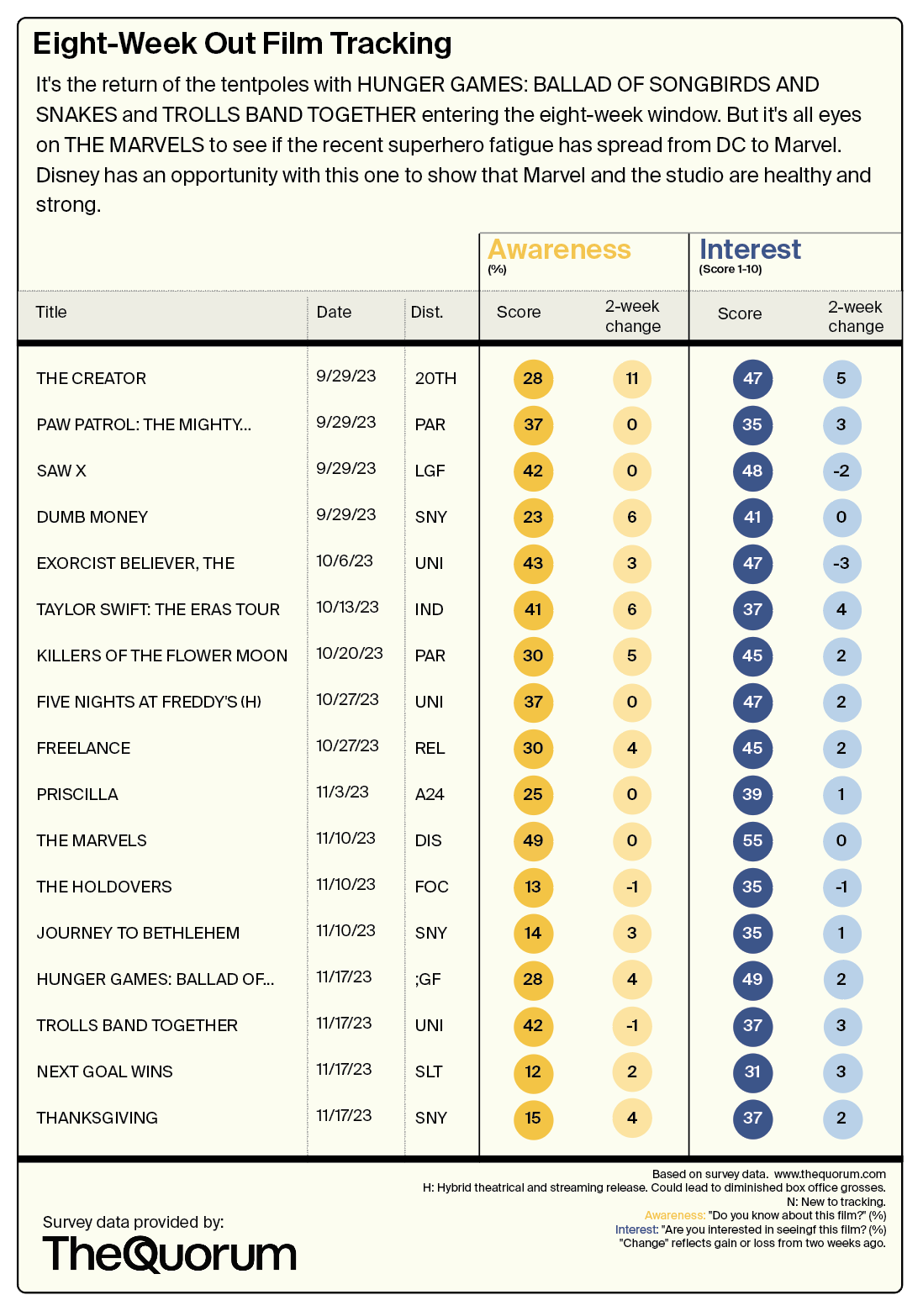
| The Marvels and the Hunger Games prequel with the ridiculous title enter The Quorum’s early film tracking chart with high awareness… |
|
|
Have a great week,
Matt
Got a question, comment, complaint, or a guess of how much the writers charged to Drew Carey at Swingers and Bob’s Big Boy? Email me at Matt@puck.news or call/text me at 310-804-3198. |
|
|
|
| FOUR STORIES WE’RE TALKING ABOUT |
 |
| Lachlan’s Dowry |
| Lachlan is the last Murdoch standing. What now? |
| DYLAN BYERS |
|
 |
|
 |
|
 |
|
|
|
|
|
 |
|
|
|
Need help? Review our FAQs
page or contact
us for assistance. For brand partnerships, email ads@puck.news.
|
|
You received this email because you signed up to receive emails from Puck, or as part of your Puck account associated with . To stop receiving this newsletter and/or manage all your email preferences, click here.
|
|
Puck is published by Heat Media LLC. 227 W 17th St New York, NY 10011.
|
|
|
|