• Washington
  • Wall Street
  • A.I.
  • Hollywood
  • Media
  • Fashion
  • Sports
  • Art
  • Join Puck Newsletters What is puck? Authors Podcasts Gift Puck Careers Events
  • Join Puck

    Directly Supporting Authors

    A new economic model in which writers are also partners in the business.

    Personalized Subscriptions

    Customize your settings to receive the newsletters you want from the authors you follow.

    Stay in the Know

    Connect directly with Puck talent through email and exclusive events.

  • What is puck? Newsletters Authors Podcasts Events Gift Puck Careers
Happy July 4th, a little early today because I’ll be watching fireworks from the Dodgers game.
 ‌ ‌ ‌ ‌ ‌ ‌ ‌ ‌ ‌ ‌ ‌ ‌ ‌ ‌ ‌ ‌ ‌ ‌ ‌  ‌ ‌ ‌ ‌ ‌ ‌ ‌ ‌ ‌ ‌ ‌ ‌ ‌ ‌ ‌ ‌ ‌ ‌ ‌  ‌ ‌ ‌ ‌ ‌ ‌ ‌ ‌ ‌ ‌ ‌ ‌ ‌ ‌ ‌ ‌ ‌ ‌ ‌  ‌ ‌ ‌ ‌ ‌ ‌ ‌ ‌ ‌ ‌ ‌ ‌ ‌ ‌ ‌ ‌ ‌ ‌ ‌  ‌ ‌ ‌ ‌ ‌ ‌ ‌ ‌ ‌ ‌ ‌ ‌ ‌ ‌ ‌ ‌ ‌ ‌ ‌  ‌ ‌ ‌ ‌ ‌ ‌ ‌ ‌ ‌ ‌ ‌ ‌ ‌ ‌ ‌ ‌ ‌ ‌ ‌  ‌ ‌ ‌ ‌ ‌ ‌ ‌ ‌ ‌ ‌ ‌ ‌ ‌ ‌ ‌ ‌ ‌ ‌ ‌  ‌ ‌ ‌ ‌ ‌ ‌ ‌ ‌ ‌ ‌ ‌ ‌ ‌ ‌ ‌ ‌ ‌ ‌ ‌  ‌ ‌ ‌ ‌ ‌ ‌ ‌ ‌ ‌ ‌ ‌ ‌ ‌ ‌ ‌ ‌ ‌ ‌ ‌  ‌ ‌ ‌ ‌ ‌ ‌ ‌ ‌ ‌ ‌ ‌ ‌ ‌ ‌ ‌ ‌ ‌ ‌ ‌ 
What I'm Hearing

Happy July 4th, a little early today because I’ll be watching fireworks from the Dodgers game. I’m answering mailbag questions today, so thanks to the dozens of readers who sent queries. I couldn’t answer them all, but I’ll try to at least email everyone back.

Also, if you missed my podcast this week, Bloomberg’s Lucas Shaw and I gave out some mid-year awards like Head-Scratcher Deal of the First Half and Biggest Publicist Fail (so many contenders!). I also spoke with an extremely candid Jason Blum about Hollywood’s evolving economic models. And on Friday, CAA oral history author James Andrew Miller helped me break down the ICM purchase, and whether Bryan Lourd and Chris Silbermann can co-exist.

Discussed in this issue: Tom Cruise, Randall Emmett, Reed Hastings, Kareem Daniel, Bryce Dallas Howard, Kelly Bush Novak, Jay Penske, Boaty Boatright, and the $5,000 Star Wars cocktail.

Now on to…

Who Won the Week: Chris Meledandri
This one’s easy: The Illumination C.E.O.’s Minions: The Rise of Gru set a new July 4th weekend benchmark with $10 million domestic revenue for the weekend, and $125 million for the four-day holiday, all while making me feel very old for not understanding the TikTok trend of teens showing up to the movie in full suits.

Runner up: Dream Hampton, the Surviving R. Kelly producer, on the occasion of Kelly’s 30-year sentence for sexual abuse of young women, including some featured in the Lifetime docuseries.

Quote of the Week
“Realistically, there are probably a bunch of people at the company who shouldn’t be here.”

–Mark Zuckerberg, saying what every C.E.O. wants to say, but usually doesn’t, during an employee Q&A session.

Now, on to the mailbag…

So, Which TV Networks Will Be Around in Five Years?
In this special July 4th edition, I attempt to answer some of Hollywood’s burning questions, like… What’s the future of cable? Why is Netflix moving so fast on? What’s the endgame for agents? And how much will Tom Cruise make on Top Gun: Maverick?
MATTHEW BELLONI MATTHEW BELLONI
It’s a no-brainer for Netflix to add an advertising tier, but Reed and Ted seem hell-bent to launch it before the end of this year. Why so damn fast? Are they really that desperate?

In a word: Yes. Co-C.E.O. Reed Hastings basically admitted the end-of-year 2022 goal puts Netflix on a crazy timeline, telling employees in a recent note that “it’s fast and ambitious and it will require some trade-offs.” Most analysts think the ad tier will launch only in selected foreign markets at first, but given the company’s deflated stock price and subscriber plateau, plus the competitive ad tiers at other streamers, Hastings clearly feels the situation is urgent. People I talk to in and around Netflix say this ad urgency is tied to the coming crackdown on password-sharing. Netflix could no longer ignore the free-riding, but the leadership has no idea how the policing will play with customers, and how many freebies can be converted to upcharges or separate memberships. So Netflix really wants to have that lower-priced, ad-driven tier ready to go as a lure to keep those cash-strapped college kids and cheap-ass ex-boyfriends in the Netflix family.

One other note on Netflix ads: Is Hastings really going to let the Google fox into his henhouse? Netflix is reportedly deciding whether to initially outsource its ad business to either Google or Comcast. If Hastings can’t see why it might be problematic to turn his platform over to perhaps the tech industry’s biggest, most ruthless and data-mining competitor, he deserves whatever happens.

Is it just me or does Netflix get sued more often than the other media companies?

I’ve often thought the same thing, so I asked Puck’s legal expert Eriq Gardner, whose private email, The Rainmaker, you should definitely be reading. (Subscribe here.) Eriq writes…

Oh, it’s absolutely true that Netflix is hauled into court more than other media companies. Every week, it seems, comes a strange new case. For example, I just came across two privacy suits launched in Indiana over Our Father, the recent documentary about a fertility doctor who secretly used his own sperm to impregnate victims. Two of the children complain they were identified by name.

So why is Netflix a litigation magnet? Here’s my theory: It’s a very successful, deep pocketed corporation with a non-fiction division that doesn’t get nearly as much credit as it should for being edgy. Is the company reckless in fact-checking or attention to detail? I haven’t seen evidence of that, but I’m definitely watching these cases to see what is revealed about Netflix operations.

Would Disney have had the same rough year if Kevin Mayer was made C.E.O. over Bob Chapek?

The stock price? Yes, I think so. The other self-inflicted controversies? Probably not.

Why are most movies and shows too damned long?

Consider this: Universal executives really wanted to cut the opening mountain cabin sequence from this summer’s Jurassic World: Dominion. But star Bryce Dallas Howard had a meltdown, I’m told, and filmmaker Colin Trevorrow also was opposed. So after many conversations, Universal left it in, even though the movie ended up at 2 hours and 26 minutes, and it probably made more sense to start the story with dinosaurs roaming the cities.

So, that’s why movies (and TV episodes) are too long; the talent wants what it wants, and studios need to at least listen. Plus, if you look at the numbers, audiences tend to agree with the old Roger Ebert line: No good movie is too long, no bad movie is too short. There’s also a sense at studios—misguided, in my opinion—that shorter movies don’t feel as “theatrical.” That’s also why big tentpole movies tend to end twice or three times; studios want to create the perception of value. And on the streaming side, it’s all about hours and minutes spent on the service, so the longer the better—if the audience’s attention can be held. Hence a 2-and-a-half-hour episode of Stranger Things.

Given the CAA-ICM merger, the end of TV packaging fees, and the consolidated market power of the major talent agencies, is there anything that could disrupt the Big 3’s dominance?

Let’s not start a gofundme page for Canali suits, but from my perspective, there are two related threats to CAA, UTA and WME: talent managers and high commissions. Neither factor is likely to dethrone the Big 3 from their position at the center of the talent ecosystem, but let’s break it down:

1. Managers

Agencies are regulated, cannot charge more than 10 percent commission (with exceptions), and, as of the latest Writers Guild settlement, cannot own more than 20 percent of a film or TV production entity. The guild has, somewhat surprisingly, not similarly targeted managers, so that gives them a big advantage. Managers can charge any fee (subject to legal conscionability), produce with clients or on their own, and generally do whatever they want. For many, the overriding agenda is to produce—the money is just much better there—though, as I wrote Thursday, it’s not that easy.

Outside of producing, many duties of agents and managers are identical—namely, get the client a job! Though managers technically can’t “procure” employment—so the management community now essentially acts as a check on the agents, in addition to a supplement to their services. Most agencies are fine with that. They prove their value as hubs of information and opportunities, and with the power of scale in negotiations. A studio head can jerk around Chris Pratt’s manager, but jerk around CAA and that studio head has a potential bigger-picture problem.

Yet that won’t necessarily always be the case. If the agents stop showing value, or fail to return enough phone calls, some clients will simply go without, and that could snowball in an ecosystem where there are only three big agencies to choose from. Michael Ovitz’s goal with Artists Management Group in the late ‘90s was nothing short of destroying the traditional agency business by providing the same value with managers. Instead, the agencies destroyed him. And so far, we haven’t seen these management-production companies coalesce into an entity that could challenge the skills and scale of a CAA or WME, but that doesn’t mean it won’t happen.

2. Commissions

A couple people responded to my Thursday analysis of the CAA-ICM deal and the end of TV packaging by predicting a huge reckoning on talent commissions. It’s not hard to see why: When agents packaged shows, they agreed not to collect their 10 percent on those writers and stars, taking their cut of the series’ license fee instead. In its litigation with the guild, the agencies argued that they waived more than $100 million in commissions each year (though, of course, they made far more than that on packaging fees). So the artists often only paid a lawyer 5 percent, or they could bring on a manager for the 10 percent the agency wasn’t getting, allowing the management community to flourish.

Now? Most talents with an agent, manager and lawyer will pay 25 percent of their earnings off the top, not including a business manager (often another 5 percent) or a publicist (a monthly fee). That’s a lot, and for many clients the difference between a sustainable and unsustainable career, so it’s easy to see why they might question whether they really need all those reps.

That already happens at the upper end of the TV spectrum, where, with exceptions like Dick Wolf, the mega-deal people (David E. Kelley, Greg Berlanti, Ryan Murphy, Benioff and Weiss, Seth MacFarlane, Shonda Rhimes, Steve Levitan, Dan Fogelman) don’t have managers. It’s just too expensive, and the agencies really excel at extracting the most meat at the top of the food chain. But how many lower and mid-level writers will want a manager and an agent at full freight? And if the agents aren’t incentivized to care about the writers because they can’t package them, maybe it’s the agent, not the manager, who’s expendable now?

What's the over/under on talent refusing to film in locations that restrict abortion?

Honestly, I’m shocked we haven’t seen boycotts yet. I know there is hesitation over who these pull-outs would actually hurt, but if states like Georgia and Florida start criminalizing crossing state lines to terminate a pregnancy, look for the talent—and, probably, the studios—to start speaking up.

It’s been almost two years since your alma mater, The Hollywood Reporter, was sold to Jay Penske, who now owns all the major Hollywood trade publications. Why hasn’t he merged or shut down at least one of them?

The trades make their money almost exclusively through ads and sponsorships, and the simple fact is that the For Your Consideration ad market is strong enough to support THR, Deadline, Variety and all the others. So Jay can simply stay the course and raise prices because he knows the FYC buyers, who once played the trades against one another, feel like they have to do business with him. Plus, I don’t think the market share of, say, THR, would necessarily transfer over to another Penske outlet if it was merged or killed. So, at least for now, it makes financial sense to keep the brands separate. Caveat: There’s never been a recession during the streaming age, so if that happens and those big awards spenders cut back, the FYC economics could change quickly. They certainly did in 2008, when THR and Variety suffered layoffs.

The Trump tell-all books aren’t selling anymore. What does that mean for the Trump-era books already optioned for TV and film?

I asked a couple development nerds, and both said they think that trend is mostly over, at least on the scripted side. But the Trump-era documentaries will continue to be a thing.

What cable TV networks do you think will exist as ad-supported linear services five years from now? My predictions:

-A+E: A&E, History, Lifetime

-AMC: AMC, IFC-Sundance (combined)

- Disney: ESPN, Freeform, FX, FXX, NatGeo

- Paramount: BET, CMT, Comedy Central, MTV, Nickelodeon, Paramount Network

- Warner Bros. Discovery: CNN, Headline News, Adult Swim, Cartoon Network, TBS, TNT, Animal Planet, Discovery, Discovery ID, Food, Travel, HGTV, TLC, OWN

- Comcast: CNBC, MSNBC, Bravo, USA

- Fox: Fox News, Fox Business

- Hallmark

This is very detailed! I’m not gonna predict specific deaths (though I’ll admit I thought TV Land perished a few years ago), but the trendline for cable networks is certainly not great, and a contraction seems inevitable. When I talk to TV distribution experts, though, they seem most interested not in what outlets might go away, but in whether the digital distributors will figure out how to effectively re-bundle a bunch of cable brands into cable-like offerings that give these niche outlets a new lease on life.

This is already happening, of course, with products like YouTubeTV and Hulu + Live TV, but the number of channels is limited. Most outlets simply won’t justify themselves, and if we’re honest, they never actually did. The proliferation of all these cable channels was simply a big media cash grab that capitalized on the ubiquity and convenience of the cable bundle. So good riddance to most of them.

That said, the utopia for network owners is a digital ecosystem that can support dozens of legacy TV brands and the various free and subscription streaming services through one platform. These gatekeepers—Roku, Amazon, Apple, whatever Charter and Comcast are working on—may ultimately hold that kind of promise.

I just closed a deal for a writer that took over a year to negotiate. Sadly, these elongated time frames have become more the norm than the exception. It’s bad for business on both sides. Perhaps an arbitration should be triggered after a set period of time?

Love this idea, but I doubt studios would go for it, so it would have to be part of a guild negotiation, which seems highly unlikely.

Can you please tell me how much money Tom Cruise is actually going to take home given that Top Gun: Maverick crossed $1 billion worldwide?

It’s past $1.1 billion now, actually, and probably on track for $1.3 billion or so, all without a China release. Pretty amazing. With Cruise, there are things we know and things we don’t (and neither CAA, his attorney Matt Galsor, nor David Miscavige are talking), so any estimate of his actual take-home pay must come with caveats.

I’ve previously reported that Cruise was paid $12.5 million upfront against 10 percent of first dollar gross, with escalators that increase his percentage at certain milestones. So that would mean Cruise starts getting backend once Paramount hits about $125 million in revenue (the studio generally takes in about half of box office gross; a little more domestically, a little less internationally).

If the film gets to $1.3 billion, assuming an overall 50-50 split with theaters, that would give Cruise 10 percent of a little less than $600 million, minus some deductions off the top—so let’s say $55 million, just from theatrical. Plus his cut of home video, pay TV, streaming, and all the other revenue streams forever. That number is unknowable, especially with all the uncertainty over how much streaming is impacting other windows, and the pay TV deals cap out at the upper end of hit movies. I doubt CAA even knows what the ultimate number will look like. And that doesn’t account for the “escalators,” which are also unknown (to me) and which likely increase Cruise’s share. Escalators often are not based on box office but on specific “breakpoint” thresholds that occur later in the revenue waterfall.

At this level, it’s all pretty complex, so I surveyed a few top agents and lawyers, and most believe Cruise will reap about $80 million or $90 million based on the known deal and the film’s performance so far. Those are also the numbers being thrown around at David Ellison’s Skydance Media, which will reap its own windfall from financing 25 percent of the movie. But the payout could ultimately get to nine figures all-in for Cruise, given the long tail of this phenomenon. And, everyone agrees, his deal for the inevitable next sequel will be even better.

My Reading List
The Times is basically begging Netflix to fire a big executive or make a major change, noting that “there is some concern in Hollywood and on Wall Street that [adding advertising and cracking down on password-sharing] are not enough.” [NY Times]

Breaking: Randall Emmett is a scumbag. [LA Times]

Anne Thompson has a good summary of the Golden Globes fracas as NBC Universal C.E.O. Jeff Shell decides to either bring the show back (likely with a reduced license fee) or bow to publicist Kelly Bush Novak, who tried (and failed) to leverage this issue into a seat on the Academy’s board of governors. “Everybody wants to get back to business,” publicist Melody Korenbrot tells Thompson, contradicting Bush Novak and her diminished faction. “If we don’t embrace these people soon, all we will have is the Oscars, with no stepping stone for anybody. If we stay in the past, we are never going to move forward.” [Indiewire]

Read this great oral history of Lilith Fair only while listening to Sarah McLachlan and thinking about how stupid the music business was to suppress female stars. [Vanity Fair]

Disney is really trying to fix the industry perception of distribution head Kareem Daniel as C.E.O. Bob Chapek’s inexperienced sidekick. This Times profile checks the boxes: tons of supportive quotes, a power photo shoot, humanizing anecdotes like bumping Chapek to the ground at a softball game; and, the capper, a friendly CAA agent vouching that Daniel “really does love movies.” [NY Times]

Caitlin Flanagan on Top Gun: Maverick does not disappoint: “Never again tell me you can’t make a conservative movie in Hollywood.”
[The Atlantic]

Clint Eastwood won $2.1 million from a CBD company that used his name in blog posts and metatags to imply an endorsement. Fun fact: Eastwood’s litigator, Jordan Susman, is the son-in-law of his longtime deal lawyer Bruce Ramer. [THR]

Remember those personalized photo gifts that departing WarnerMedia C.E.O. Jason Kilar said he would send everyone? Warner employees are still waiting for them. [Insider]

The $5,000 Star Wars cocktail on the new Disney cruise ship comes with access to the Skywalker Ranch winery in Marin. You can bury your dignity in the vineyard. [AboutThemeParks]

The Feedback…
My Thursday analysis of CAA’s $750 million purchase of ICM Partners and the end of TV packaging brought more comments on the Writers Guild and the group’s coming negotiations:

“The thing that's been absent in your last couple mentions of the WGA-agent tension is the way that agents first stopped finding their clients work, and then started negotiating against them to get better packages! Why in the world would the WGA continue to support this? Streaming, shortened seasons, and decimated writers rooms (which you covered so well!) are mostly to blame for the fact that the non-Murphys, Rhimeses, Lorres of the world can only find staffing jobs from friends or old coworkers. But...shouldn't an agency either find work for its clients or help them make more money from the work they self-generate in order to merit profiting off of them?” –A writer

“As with every other ‘improvement’ the WGA has ever attempted, the leadership ALWAYS stands there at the end of the game covered in shit from the blowback they created. I wonder how long it will take for the current collection of clucks to get voted out like the last gang of idiots in 2008. Or the fools who got the boot in 1989.” –Another writer

“Maybe it’s naive to say, but I genuinely believe [talent agency consolidation] gives cover to some super talented up-and-comers to stick with the smaller agents who discovered them. Don’t be embarrassed that you haven’t joined the Big 3, because when you’ve only got three choices and one of them is reliant on MMA to make the numbers work, there is real upside to being a big fish in a small pond.” –Another executive

“A fun sidebar is that two of the oldest agents at ICM—Boaty Boatright, who is turning 90 in the fall, and Toni Howard, who is 78—will be welcomed with open arms.” –A producer

Finally, as a holiday treat, some context-free highlights from emails and texts I won’t be running:

“Can you comment on why some sequels/box office tentpoles are so bad?”

“There’s a reason the CAA mailroom has so many secrets.”

“You don’t even want to get into the politics of the Minions.”

“The parks were never designed to be a series of appointments, nor were they designed to be so starkly classist. This is a train speeding towards a brick wall.”

“Then again, Peter Bart still owes me money.”

“Fuck Jason and fuck you.”

Finally…
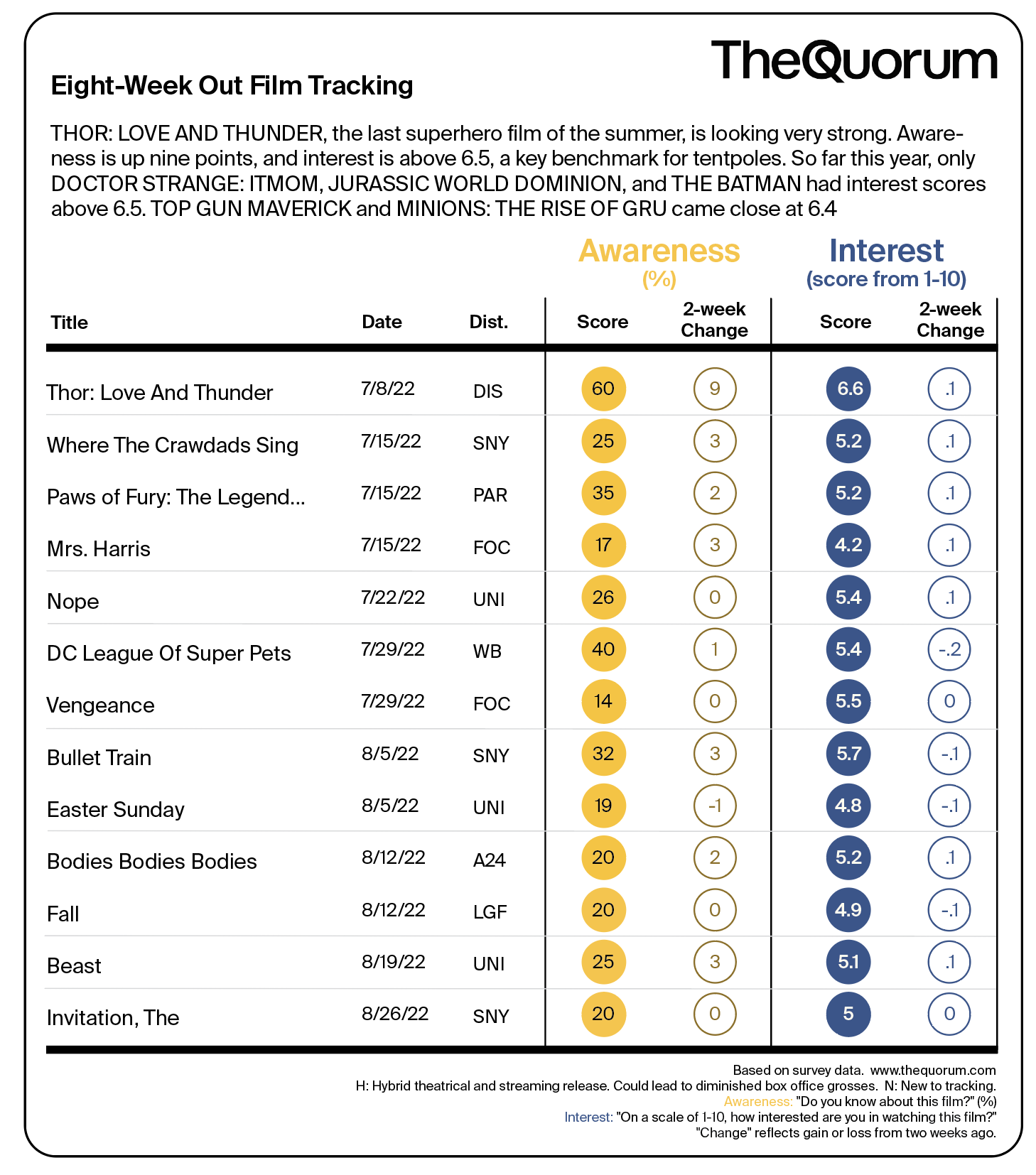
Thor: Love and Thunder is looking pretty strong in the new Quorum movie tracking chart…
$(image_link)
Have a great (short) week,
Matt

Got a question, comment, complaint, or a great stars and stripes cut-off T-shirt? Email me at Matt@puck.news or call/text me at 310-804-3198.

FOUR STORIES WE'RE TALKING ABOUT
Licht's CNN Bloodletting
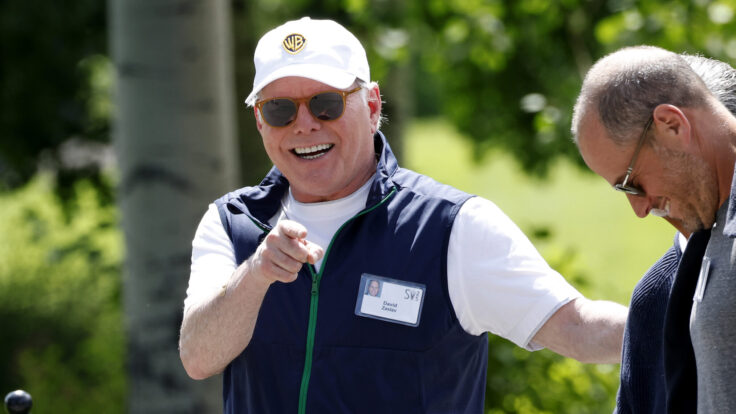
Are Zaz and Licht hitting pause on CNN's less-discussed powerhouse, CNN Digital?
DYLAN BYERS
Trump's Indictment Odds
Straight from the lawyers' mouths. Plus, S.B.F.’s dip-buying and Elon’s new competition.
WILLIAM D. COHAN
In BBC We Trust
In BBC We Trust
Jon and Peter discuss Zaz’s lastest moves, the BBC’s ascent, and newsroom war stories.
PETER HAMBY
WaPo Succession Drama
Who will succeed the beloved Fred Hiatt? Plus, Cassidy Hutchinson's next moves.
TARA PALMERI
swash divider
Facebook Twitter Instagram LinkedIn
You received this message because you signed up to receive emails from Puck

Was this email forwarded to you?

Sign up for Puck here

Sent to


Unsubscribe

Interested in exploring our newsletter offerings?

Manage your preferences

Puck is published by Heat Media LLC

64 Bank Street

New York, NY 10014

For support, just reply to this e-mail

For brand partnerships, email ads@puck.news

SEE THE ARCHIVES

SHARE
Try Puck for free

Sign up today to join the inside conversation at the nexus of Wall Street, Washington, A.I., Hollywood, and more.

Already a member? Log In


  • Daily articles and breaking news
  • Personal emails directly from our authors
  • Gift subscriber-only stories to friends & family
  • Unlimited access to archives

  • Exclusive bonus days of select newsletters
  • Exclusive access to Puck merch
  • Early bird access to new editorial and product features
  • Invitations to private conference calls with Puck authors

Exclusive to Inner Circle only


Latest Articles from Hollywood

MELANIA documentary
Matthew Belloni • July 5, 2022
Can ‘Melania’ Open?
On top of the $40 million Amazon ponied up for Brett Ratner’s docu-hagiography, the studio is spending another $35 million to open it in 27 countries, including a splashy Kennedy Center premiere to be attended by top executives. But for all the expense, Melania is for an audience of one.
Ted Sarandos
Matthew Belloni • July 5, 2022
Movie Theaters Want a Ted Sarandos Blood Oath
Regal’s Eduardo Acuna goes public with his pitch for Netflix to sign a 10-year binding pledge with the Trump D.O.J. (and other ideas), ensuring Sarandos won’t go back on his recent promise to give Warner Bros. movies a 45-day window. Offering Greta Gerwig’s ‘Narnia’ a wide release would help, too.
Ted Sarandos
Matthew Belloni • July 5, 2022
How Netflix’s Sony Deal Explains Its Warners Pursuit
The streamer's new global agreement with the studio, valued at up to $8 billion, puts a public value on its slate. Now apply that math to its potential Warners takeover.


Kathleen Kennedy
Matthew Belloni • July 5, 2022
Kathleen Kennedy’s Final Episode
As president of Lucasfilm, the producer oversaw five Star Wars films, a wave of TV shows…. and a galaxy’s worth of abandoned projects and jilted filmmakers. With her exit finally official, is the franchise better off now than it was 14 years ago?
Bob Iger
Julia Alexander • July 5, 2022
The Math Behind Combining Hulu and Disney+
The long-ordained integration of Disney’s two streaming services is being heralded inside Burbank as a transformational moment for both. But will the merged platform really be more than the sum of its parts?
Kevin Spacey
Eriq Gardner • July 5, 2022
Kevin Spacey’s $80M Legal House of Cards
The disgraced actor is soon expected to sit for a brutal cross-examination in the rare Hollywood insurance dispute that has actually made it to trial. A potentially huge payout hinges on whose version of House of Cards’s ending prevails.


John Landgraf
Kim Masters • July 5, 2022
Can John Landgraf’s Slow TV Model Survive?
The oracle of Peak TV is at an inflection point as Disney+ absorbs Hulu and the chase for prestige gives way to the tonnage model.


Get access to this story

Enter your email for a free preview of Puck’s full offering, including exclusive articles, private emails from authors, and more.

Verify your email and sign in by clicking the link we just sent.

Already a member? Log In


Start 14 Day Free Trial for Unlimited Access Instead →


Latest Articles from Hollywood

Dana Walden
Matthew Belloni • July 5, 2022
20 Surefire, 100 Percent Probable Hollywood Predictions for 2026 (Part Two)
StrikeWatch ’26, a bizarre Michael Jackson record, and the future of Disney’s Dana Walden (if she’s C.E.O. or not) in the second act of the town’s favorite prognostication of the year ahead.
a minecraft movie
Scott Mendelson • July 5, 2022
It Was One Box Office Battle After Another in 2025
With Hollywood’s annual output back to resembling its pre-pandemic levels, some clear trends emerged: Kids showed up, horror hit more often than it didn’t, and the superhero slump is real. How might it all apply to 2026 and beyond?
Ted Sarandos
Eriq Gardner • July 5, 2022
Netflix’s Game of Antitrust Chicken
If the streaming giant wins Warner Bros., the feds will almost certainly present their next hurdle. And the Trump Justice Department might ask some questions that Netflix would like to avoid.


Sydney Sweeney
Matthew Belloni • July 5, 2022
20 Surefire, 100 Percent Probable Hollywood Predictions for 2026 (Part One)
The town’s favorite year-ahead forecast returns, with input from some of my best sources—plus a few celebrity Puck friends. The future of ‘Star Wars,’ Instagram Reels, ‘Rush Hour 4,’ and Sydney Sweeney foretold in the first of two parts…
Bryan Lourd caa
Eriq Gardner • July 5, 2022
The CAA-Range Finale, Zaz’s $500M Beef & Trump’s Media Damages Calculator
A look ahead at the most consequential media lawsuits and legal crises that will come to their conclusion in 2026.
Pam Abdy, Mike De Luca
Matthew Belloni • July 5, 2022
Hollywood’s Heroes of the Year Are… The Warner Bros. Duo
In 2025, Mike De Luca and Pam Abdy went from dead executives walking to a six-month stretch of blockbusters and Oscar contenders that silenced the town and offered a middle finger to their boss, David Zaslav. In an era when I.P. has taken over Hollywood, and their studio has been sold to Netflix (or Paramount?), they decided to go out swinging…


sam altman
Matthew Belloni • July 5, 2022
Hollywood’s Villain of the Year Is… Sam Altman
A year before the OpenAI C.E.O. gets the ‘Social Network’ movie treatment, the slop-ification of entertainment took a major leap in 2025 thanks to a copyright infringement hub called Sora 2 and Altman’s brazen courtship of Disney.
Get access to this story

Enter your email to get access to one article and free previews of our private emails from Puck authors and editors.

OR

Already a Member? Sign in


Latest Articles from Hollywood

Oscars
Matthew Belloni • July 5, 2022
The Oscars-YouTube Brand Problem
The streamer’s bold bid to host the Academy Awards offers maximum reach for a show that was becoming minimally niche, but mixing prestige and base populism has its potentially problematic downsides.
Ted Sarandos
Kim Masters • July 5, 2022
Does Anyone Believe Ted Sarandos on Theaters?
As the streamer’s winning bid to secure WBD faces regulatory scrutiny and a hostile offer from Paramount, Ted Sarandos insists that Netflix is committed to a standard theatrical window for Warner Bros. movies. Is it enough to earn Hollywood’s loyalty?
bob iger
Eriq Gardner • July 5, 2022
Disney’s Sora Wager & Hollywood’s Next A.I. Legal Battles
A field guide to the A.I. cases and deals that will shape 2026, including Disney’s recent peace treaty, the Elon-Altman feud, the next round of labor negotiations, the whole ScarJo voice issue, and many more…


david zaslav
Matthew Belloni & William D. Cohan • July 5, 2022
Who Wants Warner Bros. More?
Battle lines have been drawn over David Zaslav’s Warner Bros. Discovery, and both Netflix and Paramount think they have the winning formula. Will the Ellisons get to $34 a share? Can Netflix counter? Is Larry really “backstopping” all the equity? Or is the game already rigged?
Alan Horn and Rob Reiner
Kim Masters • July 5, 2022
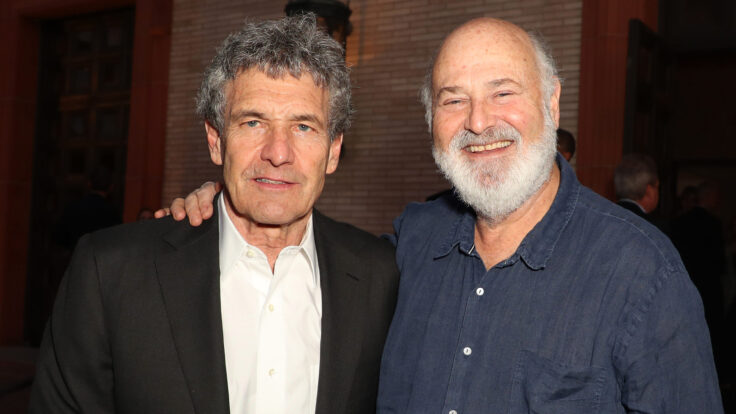
Alan Horn Remembers Rob Reiner
The longtime exec paid tribute to Reiner, his onetime partner in Castle Rock Entertainment, and explained why the director dedicated their first movie together to his father.
Ted Sarandos, Greg Peters
Julia Alexander • July 5, 2022
Why Netflix Needs Warner Bros.
Prior to its $83 billion deal to acquire the studio and HBO Max, the streamer had never spent more than $700 million on an acquisition. But Netflix saw an opportunity to own, not license, a significant chunk of its content—and, perhaps more importantly, to block David Ellison from taking it away.


wicked cynthia erivo
Matthew Belloni • July 5, 2022
Can Media Coverage Buy an Oscar?
Every year, awards contenders and pretenders have been mounting unbridled and financially unchecked press campaigns in the hopes of boosting their chances. A new data analysis reveals that they maybe shouldn’t have bothered.


  • Terms
  • Privacy
  • Contact
  • FAQ
  • Careers
© 2026 Heat Media All rights reserved.
Create an account

Already a member? Log In

CREATE AN ACCOUNT with Google
OR YOUR EMAIL

OR

Use Email & Password Instead

USE EMAIL & PASSWORD
Password strength:

OR

Use Another Sign-Up Method

Become a member

All of the insider knowledge from our top tier authors, in your inbox.

Create an account

Already a member? Log In

Verify your email!

You should receive a link to log in at .

I DID NOT RECEIVE A LINK

Didn't get an email? Check your spam folder and confirm the spelling of your email, and try again. If you continue to have trouble, reach out to fritz@puck.news.

CREATE AN ACCOUNT with Google
CREATE AN ACCOUNT with Apple
OR USE EMAIL & PASSWORD
Password strength:

OR
Log In

Not a member yet? Sign up today

Log in with Google
Log in with Google
Log in with Apple
Log in with Apple
OR USE EMAIL & PASSWORD
Don't have a password or need to reset it?

OR
Verify Account

Verify your email!

You should receive a link to log in at .

I DID NOT RECEIVE A LINK

Didn't get an email? Check your spam folder and confirm the spelling of your email, and try again. If you continue to have trouble, reach out to fritz@puck.news.

YOUR EMAIL

Use a different sign in option instead

Member Exclusive

Get access to this story

Create a free account to preview Puck’s full offering, including exclusive articles, private emails from authors, and more.

Already a member? Sign in

Free article unlocked!

You are logged into a free account as unknown@example.com

ENJOY 1 FREE ARTICLE EACH MONTH

Subscribe today to join the inside conversation at the nexus of Wall Street, Washington, A.I., Hollywood, and more.

START 14-DAY FREE TRIAL

  • Daily articles and breaking news
  • Personal emails directly from our authors
  • Gift subscriber-only stories to friends & family
  • Unlimited access to archives
  • Bookmark articles to create a Reading List
  • Quarterly calls with industry experts from the power corners we cover