{{ 'now' | timezone: 'America/New_York' | date: '%b %d, %Y' }} |
|
|
|
Welcome back to What I’m Hearing, very late for no reason other than it was a very busy week.
Happy summer Friday, I’m headed to New York next week for meetings and such, shoot me a note if you’d like to say hello.
Today, the A.I. train has officially pulled into the Hollywood station, and now comes the real battle. Plus, CBS’s big 60 Minutes hire has some unfinished business in his movie career (and he loves A.I.!), and how to spin a Disney layoff into empowerment.
Discussed in this issue: Bari Weiss, Cate Blanchett,
Ted Sarandos, Albert Cheng, Martin Scorsese, Leo DiCaprio, Nick Bilton, Dwayne Johnson, Beyoncé, Darren Aronofsky, David Ellison, Nikki Hexum, Robert Fishman, Jorge Gutierrez, Emily Blunt, Greg Peters, Noah Oppenheim, The
Weeknd, Nate Bargatze, John Oliver, Scott Pelley, Charlamagne tha God, Natalie Portman, Demi Moore, Josh D’Amaro, Chris Bess, Steven Soderbergh, and… a layer of A.I. sludge.
Not a Puck member yet? Just click here. Got a news tip
or an idea for me? Just reply to this email, text me, or message me on Signal at 310-804-3198.
Let’s begin… |
Thursday Friday Thoughts…
|
- Nick
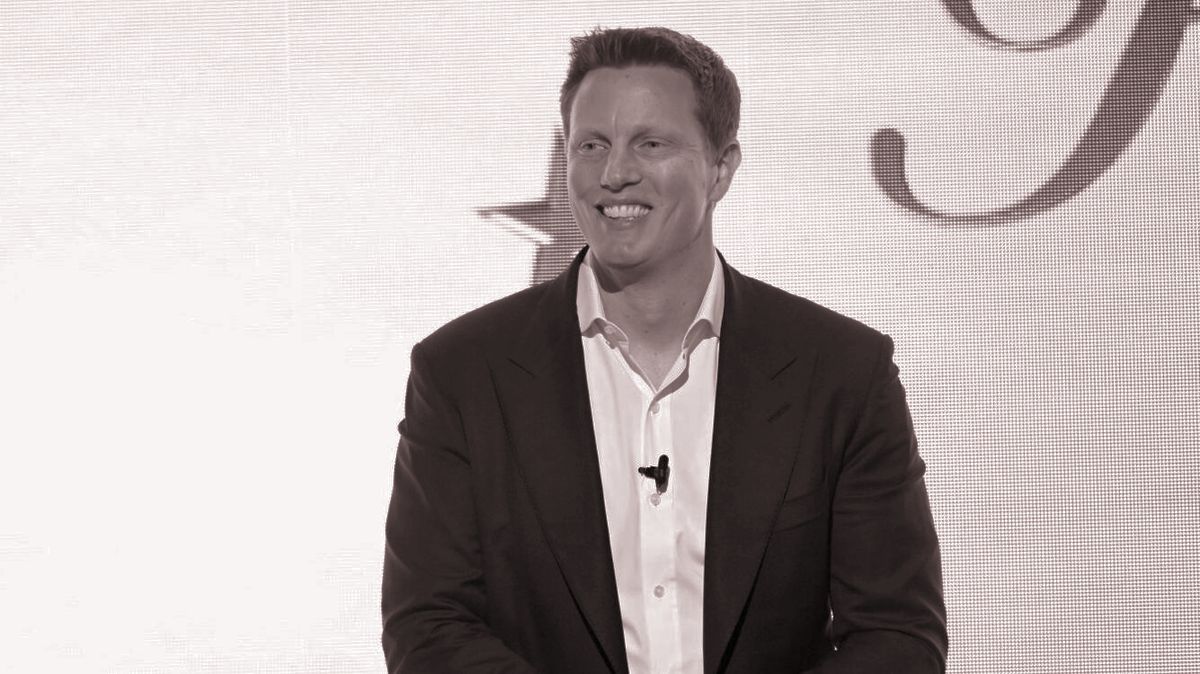
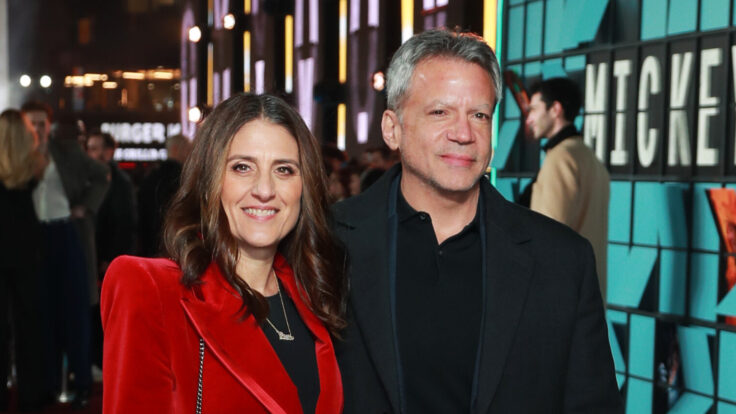
Bilton still owes Disney a script: The lunch crowd at Michael’s in midtown likely choked on their grilled scallops yesterday when CBS News chief Bari Weiss named tech reporter Nick Bilton as the new executive producer of 60 Minutes. Beyond his lack of experience in television news, for the past few years Bilton has been living in L.A. as a screenwriter slash producer slash author, working as a staff writer on The Weeknd’s HBO
debacle The Idol and producing documentaries on social media influencers and the Ashley Madison and Theranos scandals.
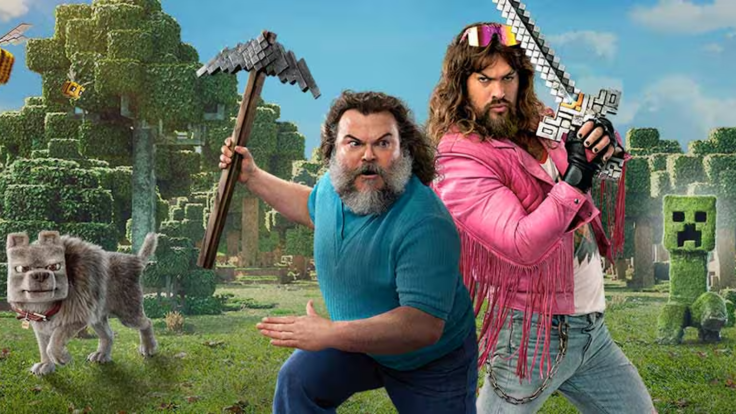
Bilton’s biggest Hollywood project to date, a Hawaii-set period mobster movie to be directed by Martin Scorsese and star Leo DiCaprio, Dwayne Johnson, and Emily Blunt, is in active development at Disney’s 20th Century label. In fact, I’m told Bilton is supposed to turn in a big revision on that
script in a month or so, and if Disney greenlights the movie (Scorsese is currently in post on another, much smaller DiCaprio/Jennifer Lawrence film at Apple), Bilton would be a producer on the project, for which he’s also writing an accompanying book.
For that reason, I’m told Bilton’s 60 Minutes deal contains a carve-out for duties on the Scorsese movie or any other Hollywood project that predates his hiring. (Remember, Noah Oppenheim wrote the
2016 Natalie Portman movie Jackie while he was a news executive running NBC’s Today show… then left to become a full-time writer. Ironically, Bari Weiss has talked to Oppenheim’s Prologue Entertainment, backed by Paramount co-owner RedBird Capital, about working together on scripted projects based on CBS News stories.) Anyway, with Bilton having one foot still in Hollywood, the guy running America’s top news program could simultaneously be producing a gangster
pic with the Rock. What a time. (CBS declined to comment.) - More Bilton…: The funniest part of Bilton’s press rounds yesterday was the notion that he’s being brought in not to pivot 60 Minutes away from reporting aggressively on Ellison family friend Donald Trump or toward more favorable Israel coverage but because he needs to save the top-rated program—which grew 9 percent last season, per
Nielsen—before it declines. “It’s still the number one news broadcast in America,” Bilton told CNBC. “But history tells you disruption doesn’t happen immediately when new technology comes along—it’s usually a few years later.”
Come on, Nick. Did Hollywood teach you nothing? Smash hits are so rare, nobody really knows how or why they
happen, so when you’ve got one—and the 60 Minutes format and ethos has proven itself exceptionally durable through such massive disruptions as cable news, the internet, and now streaming—you don’t screw around with that success. - Still more Bilton…: In screenwriter circles, Bilton is known as being particularly pro-A.I. in the creative process. Which shouldn’t be a surprise, given his background as a tech writer for the Times and
Vanity Fair. But I’m envisioning the first time he suggests that Scott Pelley let Claude or ChatGPT churn out one of his story scripts. That can’t end well.
|
|
|
|
A MESSAGE FROM OUR SPONSOR |
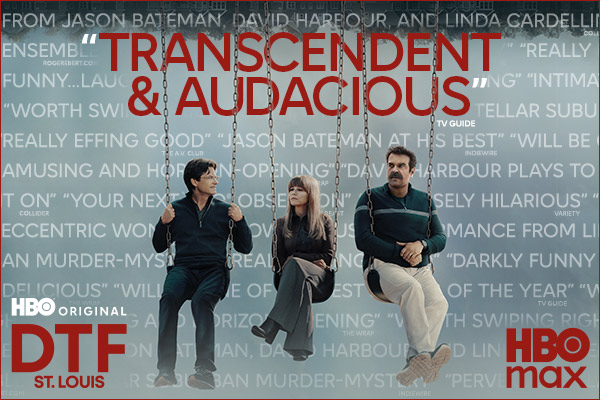
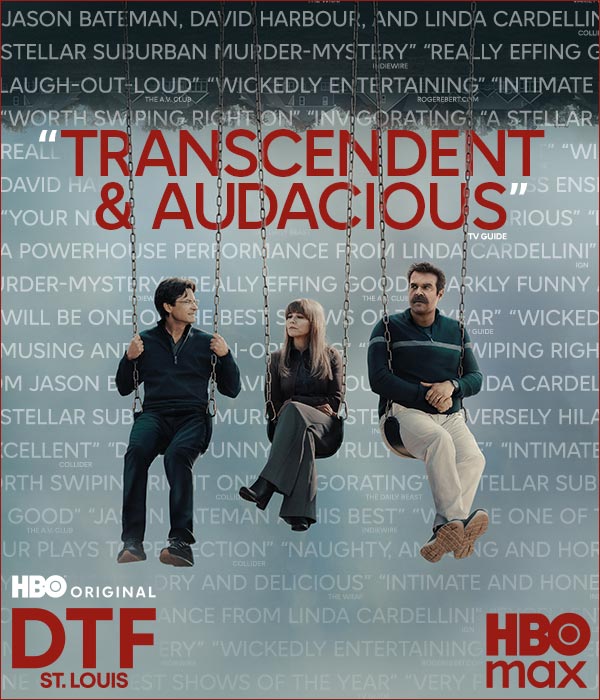
For your awards consideration, HBO Max presents: DTF St. Louis. In this darkly comedic
series, a love triangle between three adults experiencing middle-age malaise leads to one of them ending up dead. Don't miss the series TV GUIDE is calling “TRANSCENDENT & AUDACIOUS”. DTF St. Louis is now streaming on HBO MAX. |
|
|
|
- A
publicist goes viral for the right reason: As Hollywood downsizes, many who thought they’d retire in their job are having to figure out a next chapter. Chris Bess is an interesting case study. The head of Disney’s home entertainment publicity group was laid off last month after three decades at the company. He didn’t know what to do… so he decided to try and go viral. “My friends said do a video and speak from the heart,” Bess told me yesterday. So with support from his
friend Adam Alper, a food influencer who goes by Rick Lox, Bess enlisted his daughter, a recent film school grad, to shoot a two-minute video on his back patio, spilling his feelings of loss and gratitude. The clip, titled “Disney laid me off after 31 years,” quickly generated tens
of thousands of views on Instagram and LinkedIn, hundreds of comments, and dozens of D.M.s offering help in securing that next gig. No job yet, Bess told me, but an encouraging result.
- Box office over/under: A24’s Backrooms is surging, so I think it’ll blow past the $45 million tracking. (NRG actually has it lower, at $40 million… What’s with NRG repeatedly lowballing this summer?) Critics say Nate Bargatze phoned in Sony’s
The Breadwinner as lazily as he did the Emmys, so let’s take the under on $10 million there.
|
Now on to the A.I. battle… |
|
|
|
As the industry—even the creative class—shifts to cautiously accept A.I., a Cate
Blanchett–founded nonprofit is pushing to adopt a framework of consent for performers. Meanwhile, the business is groping around for new ratings standards in an effort to separate out the slop. Both battles are just beginning. |
|
|
|
It’s bus tour season again in L.A., the time when New York media analysts chauffeur their cherished investor
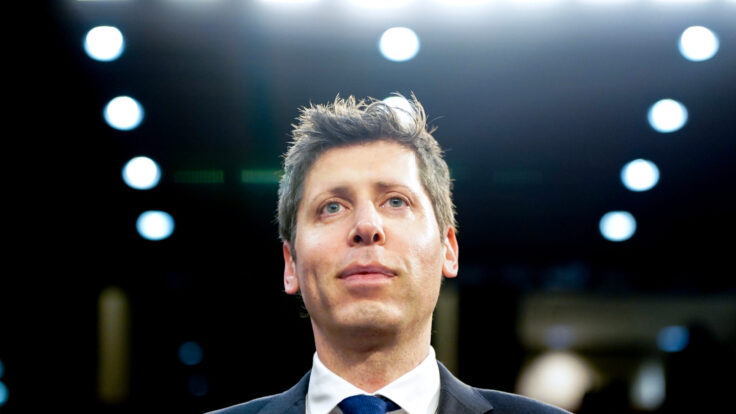
clients around town to meet with studio executives, Investor Relations handlers, producers, agency heads, sommeliers, and, from time to time, me. Not surprisingly, the one topic that keeps coming up in these chats—besides whether Netflix will go after another studio… and if so, which one??… and if not, where the heck will the next growth engine come from??—is the A.I. takeover.
I know… the conversation around generative A.I. has become overwhelming lately. A.I. or
A.I.-curious films were all over the Cannes market this month. (People seemed to really hate Soderbergh’s “appallingly ugly” John Lennon documentary with A.I. imagery courtesy of Meta.) Tribeca just scheduled Dreams of Violets, a 75-minute docudrama that’s being called the first full-length,
live-action A.I.-generated film to be accepted by a major festival. (Cue the John Oliver voice: “Cool.”) And earlier this week, Amazon MGM Studios’ annual A.I. propaganda symposium in Culver City, dubbed “A.I. on the Lot,”
doubled in size, to 2,400 attendees. Besides serving as a coming-out ceremony for Albert Cheng, the Amazon exec who last fall was given the title least likely to get him invited to Beyoncé’s Oscar party, “head of A.I. studios,” the event served as a ceremonial
launchpad for three fully A.I.-animated shows backed by its GenAI Creators’ Fund and set to debut on Prime Video. These are just a few examples. I didn’t even include INKubator, the Netflix A.I. studio that Netflix insists isn’t really an A.I. studio.
What’s clear is that A.I., the villain of the 2023 strikes and subject of an ever-growing docket of litigation brought by rights-holders against the thieving ghouls of Silicon Valley, has emerged from the shadows to take center stage
in Hollywood. For the most part, the studios and streamers are no longer shy about their plans—showcasing and, in some cases, bragging about the coming efficiencies. Disney did so on C.E.O. Josh D’Amaro’s first earnings call. Paramount Skydance can’t stop talking about how A.I. will help the company achieve those promised $6 billion in cost reductions at the merged WarnerMount studio. And Spotify’s stock popped 13 percent last week after the company revealed a
deal with Universal Music to let fans create their own covers and remixes using the voices of artists who opt in.
Everyone always includes the required couching and respect for the creative professionals they’re endeavoring to replace. This technology is additive, not a job killer. It’s a tool, not a shortcut.
Empowering, not subjugating. “The most important thing to remember is, we’re human-centric,” Cheng declared, echoing the talking point from countless studio earnings calls and investor conferences. “A.I. tools are meant to empower human creativity, and allow TV shows and movies that would not have been possible before.”
It’s all depressing. But whether due to resignation or exhaustion or opportunism, you can kinda feel the creative class in Hollywood shifting its positioning on
A.I. from outright resistance to reluctant or cautious accommodation. Not a lot of choice, of course, and it doesn’t mean the resistance has disappeared. Just this morning, Jorge Gutierrez, one of the filmmakers announced by Cheng as participating in its GenAI Creators’ Fund, dropped out after backlash in the animation community. But overall, you hear the vibe shift on red carpets, where everyone from Demi Moore to Darren Aronofsky is all of a
sudden excited about A.I. You see it at the labor guilds, whose stances shifted in the recent studio negotiations to much more A.I.-accommodating messaging. And at the talent agencies and management companies, which are more interested in signing A.I. creators and studios than ever before—not to mention willing to put their voice talents into A.I. films.
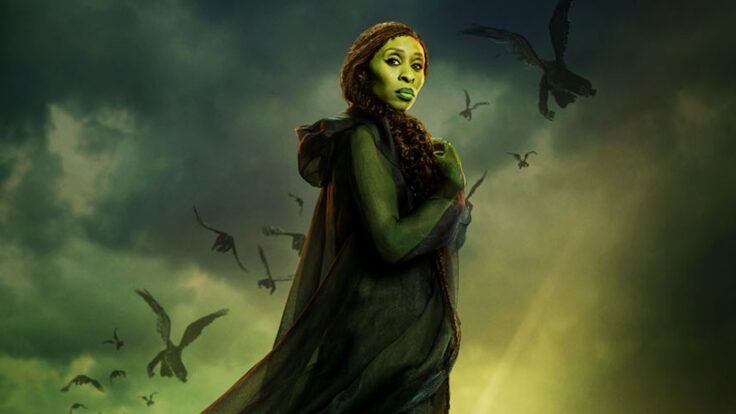
And you see it in startup initiatives like RSL Media, a nonprofit co-founded by Cate Blanchett that is attempting to
work with A.I. platforms to create a standard “consent framework” for the use of creative works and name, image, and likeness rights in training models. It’s an interesting effort, if maybe a bit quixotic, but it’s gotten buy-in from CAA and backers like George Clooney and Viola Davis, and its registry is set to go live on June 24. When I talked to the C.E.O., Nikki Hexum, yesterday about the positioning of the “RSL Human Consent Standard,”
which will allow anyone to declare their A.I. “permissions,” she repeated a line I hear a lot these days: “We are not anti-A.I.,” Hexum told me. “We are just very much pro-consent. So we built an infrastructure layer that we felt was missing on the internet to allow people to say what they were okay with and what they don’t want to happen.”
Indeed, Hollywood’s best hope now isn’t to corral or even slow the takeover by A.I., but instead to shape its evolution by playing a role in creating
the framework for its deployment. It feels a little like the early 2000s, when Apple’s iTunes Store and iPod, among other “legit” music players, helped shift the culture of lawless music filesharing to a pay-for-download model that eventually led to the streaming economy. Similarly, the frameworks for A.I. use and training are now being created, it’s all about getting a seat at that negotiating table. |
The way we evaluate the consumption of entertainment should probably shift for the A.I. age, right? If
you don’t pay attention to that stuff, the “engagement” metric has overtaken the streaming industry. Time spent is the goal, regardless of quality of audience. |
|
|
|
A MESSAGE FROM OUR SPONSOR |
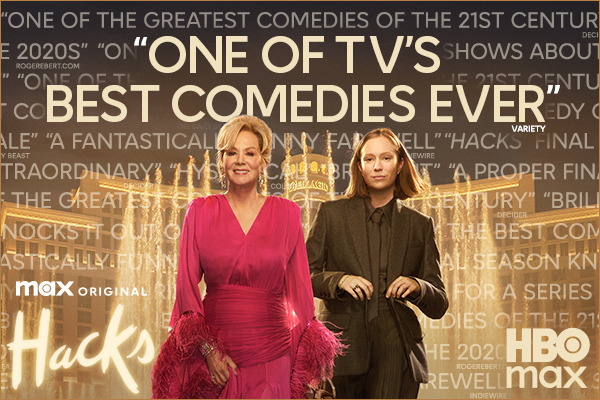
For your awards consideration, HBO Max presents: HACKS - the Emmy® Award-winning HBO Original series starring Jean Smart
and Hannah Einbinder. In the aftermath of mistaken news reports that Deborah passed away, she and Ava return to Las Vegas, determined to secure Deborah’s legacy as a comedian. Don't miss the series Variety is calling “ONE OF TV’S BEST COMEDIES EVER”. HACKS is now streaming on HBO MAX. |
|
|
|
I’ll blame Nielsen for this one. It wasn’t the first data firm to compare engagement on various platforms,
but the company’s monthly Gauge report caught on soon after it debuted in 2021, and created a public horserace. When Netflix and most other streamers stopped reporting monthly subscriber numbers, “engagement” became the default metric of growth, and eventually the YouTube narrative that free, mostly user-generated content is dominant and simply “TV now.”
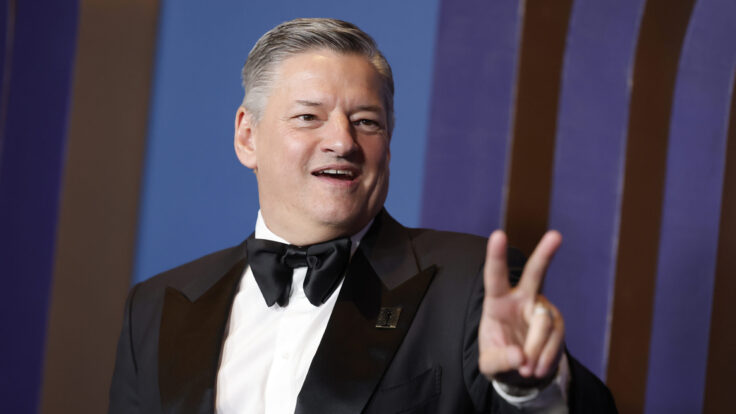
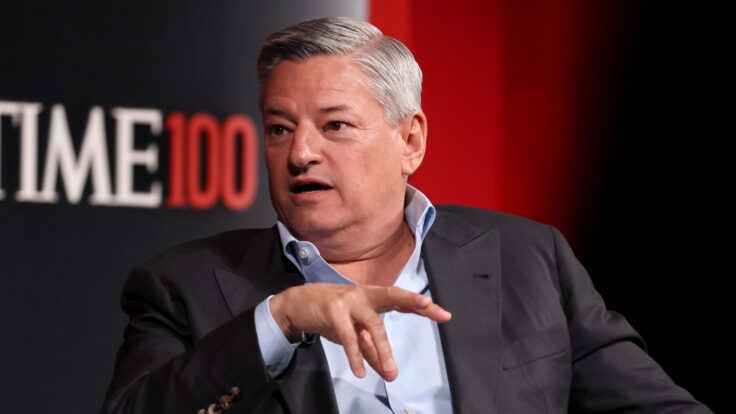
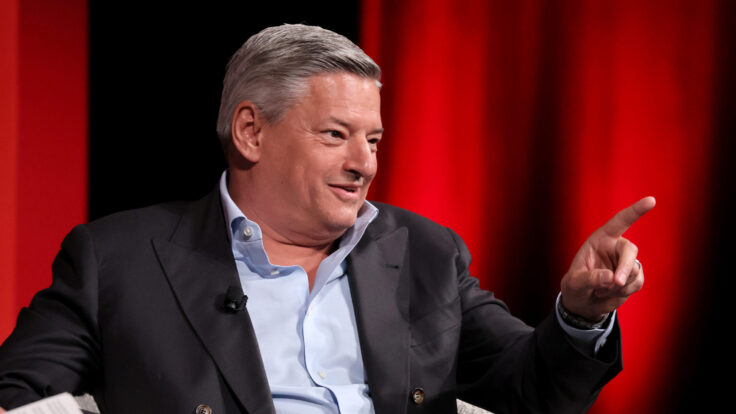
I know it drives Netflix C.E.O.s Ted Sarandos and Greg Peters crazy to be compared to YouTube each
month, since Netflix consistently lags a few percentage points behind. That comparison, and its aggressive push into advertising, has led to programming shifts at Netflix, such as the push for video podcasts that eat up time with low-cost content. In just the past week, Netflix agreed to air Charlamagne tha God’s The Breakfast Club pod for three hours a day and partnered with Spotify to lure Jay Shetty’s pod from YouTube.
But imagine when
A.I.-generated content truly comes to dominate on YouTube and YouTube Shorts, forming a thick, sludgy sedimentary floor over which the rest of the content floats. Most analysts believe that A.I. layer will juice the engagement numbers even more, allowing YouTube and other free, ad-supported services to pull away on the Gauge numbers. At the same time, the quality-control guardrails of the premium subscription services, despite their shifts to be more like YouTube, will hold a lot of that stuff
back.
But what if the industry shifts to an engagement model defined not only by pure time spent but at least a contributing notion of “quality” time? Something that acknowledges that playing a rainstorm video while you sleep for eight hours is not the same as focusing deeply on each unnecessarily gory medical procedure on The Pitt? Basically, a quantifiable version of what the traditional networks and subscription streamers talk about endlessly at their upfront presentations
each spring: a better audience.
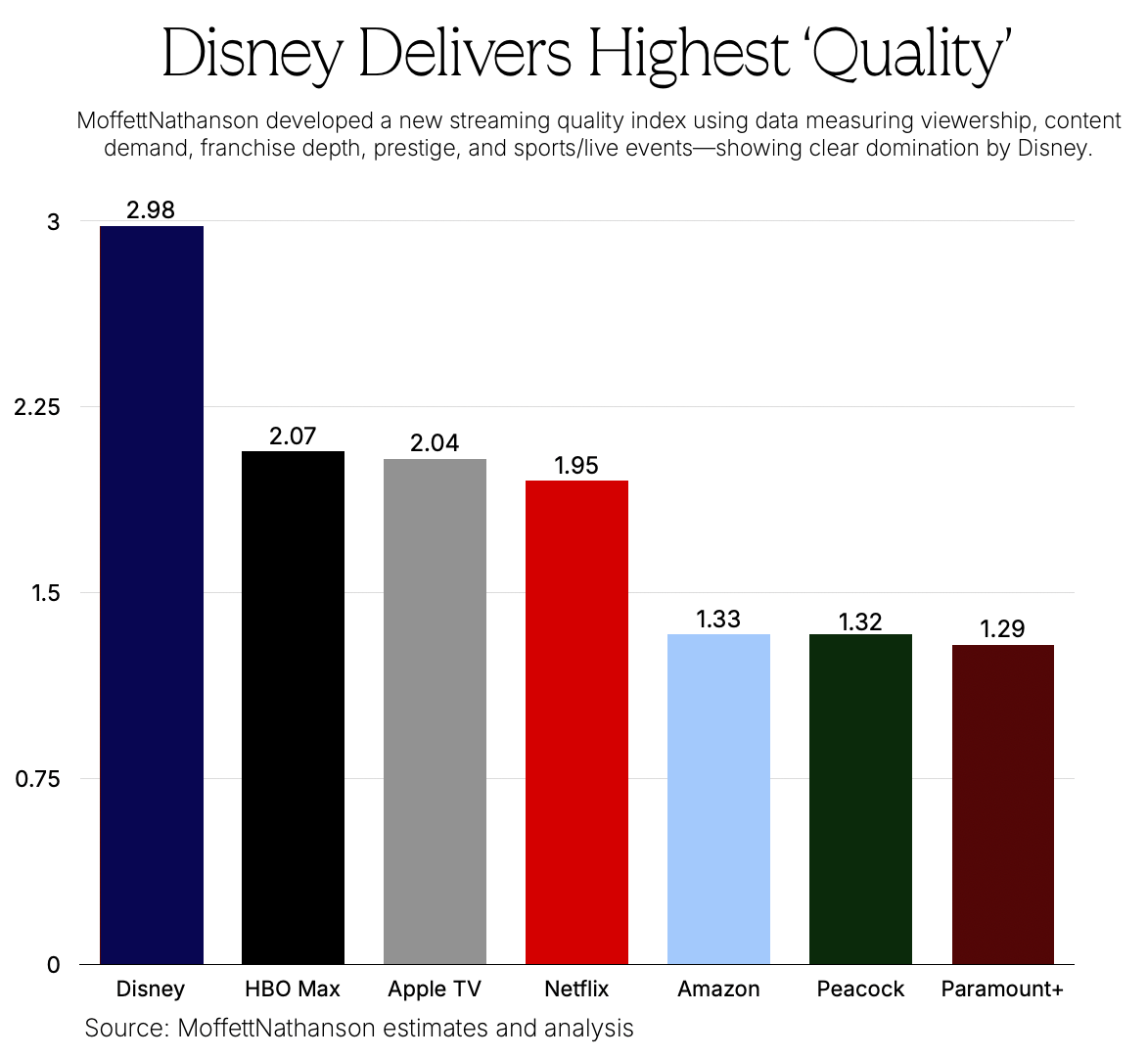
Robert Fishman, the analyst at MoffettNathanson, got that ball rolling this week with his own “Quality” rankings, which he judged by five metrics: time of day viewership (primetime being a better indicator of intentionality and attention than, say, the middle of the night); content demand, as evidenced by data services; franchise depth; prestige (critics and awards); and sports/live events. “As free,
ad-supported competitors such as YouTube grow in scale, paid streaming services must look to quality as a differentiator to justify their price tags to consumers,” Fishman wrote in a note to clients.
By using those guideposts, “engagement quality encompasses the aspects of viewership—beyond sheer scale and hours—that feed into a platform’s ability to monetize via price increases, subscriber additions, churn mitigation, and advertising revenue.” In other words, the overall health
of a service, not merely who delivers the most eyes—open, closed, or focused on folding underwear—against which ads can be sold. |
I know… the streamers already do this analysis, and it explains why some highly watched shows get canceled or
services shut down. But it’s not public, and a shift to an industrywide metric that doesn’t just reward volume would benefit those whose platforms don’t just post whatever. For instance, Disney, which leads the “Quality” ranking based on its “unmatched franchise depth and sports portfolio,” also happens to spend more on content each year than any other entertainment company. HBO Max, which consistently ranks last among non-Apple streamers on the Gauge, comes in second on the quality metric,
thanks to its strong brand and prestige.
Fishman’s “quality” rankings aren’t perfect, of course. Snobby critics and bicoastal dads would argue that Apple TV has higher quality than Netflix, but is their opinion more important than the teen girls who binge Love Is Blind or Virgin River? Even so, the rankings are a solid measure of which platforms are, in Fishman’s words, “earning their viewing rather than simply accumulating it.” As A.I. floods into Hollywood, that’s a
welcome assessment, and perhaps a better indicator of where the industry is headed than engagement alone. |
See you Monday,
Matt
Got a question, comment, complaint, or a ’90s pop act willing to play
Trump’s “Great American State Fair”? Email me at Matt@puck.news or call/text me at 310-804-3198. |
|
|
|
Puck founding partner Matt Belloni takes you inside the business of Hollywood, using exclusive reporting and insight to explain
the backstories on everything from Marvel movies to the streaming wars. |
|
|
|
Ace media reporter Dylan Byers brings readers into the C-suite as he chronicles the biggest stories in the industry: the future
of cable news in the streaming era, the transformation of legacy publishers, the tech giants remaking the market, and all the egos involved. |
|
|
|
Need help? Review our
FAQ page or contact us for assistance. For brand partnerships, email ads@puck.news.
You received this email because you signed up to receive emails from Puck, or as part of your Puck account associated with {{customer.email}}. To stop receiving this newsletter and/or manage all your email preferences, click here. |
Puck is published by Heat Media LLC. 107 Greenwich St., New York, NY 10006 |
|
|
|
|