• Washington
  • Wall Street
  • A.I.
  • Hollywood
  • Media
  • Fashion
  • Sports
  • Art
  • Join Puck Newsletters What is puck? Authors Podcasts Gift Puck Careers Events
  • Join Puck

    Directly Supporting Authors

    A new economic model in which writers are also partners in the business.

    Personalized Subscriptions

    Customize your settings to receive the newsletters you want from the authors you follow.

    Stay in the Know

    Connect directly with Puck talent through email and exclusive events.

  • What is puck? Newsletters Authors Podcasts Events Gift Puck Careers
 
Puck logo
 
what im hearing

Welcome back to What I’m Hearing...


For those new here, I’m Matt Belloni, and this private email is the only home for my reporting, analysis and airing of grievances in Hollywood and beyond. 


It’s bonus season! In lieu of cash, give your team a membership to Puck, our new media company covering power and influence in Hollywood, Silicon Valley, Washington and Wall Street. Trust me, they will enjoy it far more than money.  

Sponsored by Amazon Studios

amazon studios

Thursday Thoughts…

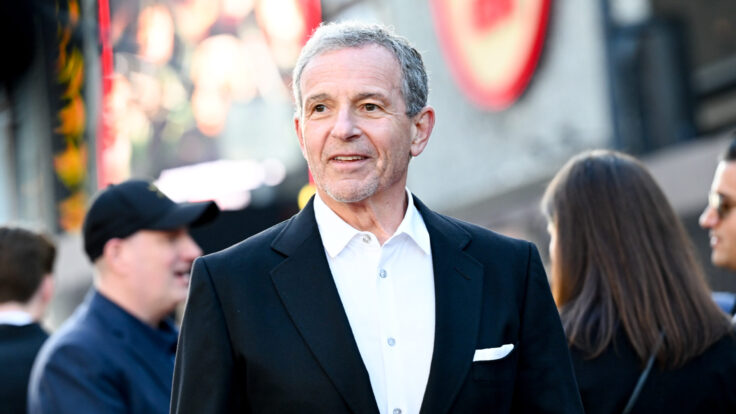
  • Bob Iger sitting courtside for the Clippers-Suns game on Monday didn’t exactly quell speculation that the exiting Disney leader would love to own the Phoenix team if it becomes available next year.

  • What is Spider-Man’s Omicron haircut? $20 million domestic? $30 million? None? We’ll never know, but let’s see if it hits the $150 million tracking.  

  • Why isn’t MGM putting House of Gucci on premium video on demand over the holidays like it did with No Time to Die after 31 days of release? MGM says it’s bypassing PVOD to juice box office ($42 million and counting), and won’t debut Gucci on any home video until February. But with Omicron spreading and Gaga a lure for family gatherings, I’m betting this would have done well at home over the break.    

  • Deal guru and mega-connector Michael Kassan’s move to UTA this week via the $125 million purchase of his Medialink consultancy seems like the culmination of his rehab from scandal 25 years ago. Kassan, if you remember, had his law license suspended back in 1996 after pleading no contest to an embezzlement charge. He’s since become a major voice in the ear of media moguls, and a one-man show at Cannes Lions. The UTA deal will likely put him in the center of more action.  

  • No, I won’t be commenting on the whole Tatiana Siegel-Richard Rushfield-Janice Min saga. I’m friends with everyone involved here, they’re all incredibly talented, and I wish them success, whatever happens.    
stallone

Stallone, Springsteen, and Tales from the Great Hollywood Cash-Out

Stallone is the latest in a long line of actors and performers—Springsteen, Dylan, Paul Simon, Stevie Nicks—to trade the revenue stream from his life’s work for one of those Publisher’s Clearinghouse-sized novelty checks.

matt belloni

MATT BELLONI

Sylvester Stallone might be the perfect avatar for the past five decades of the movie business. In the mid-1970s, he maneuvered to write, direct and star in Rocky, just as auteur filmmakers were taking over Hollywood and the modern blockbuster was being invented. Then, with the help of newly ascendant CAA and agent Ron Meyer, he got really rich in the ‘80s making action movies like Rambo that traveled internationally. One of Meyer’s first acts when he took over Universal/MCA in 1995 was to give his former client a $60 million, three-picture deal, with huge backend compensation—the richest ever at a time when movie stars absolutely ruled. Then, for the next 20 years, Stallone, like the rest of Hollywood, made millions simply by milking those franchises for sequels, spinoffs, and reboots—culminating with 2015’s Creed, the rare combination of a sequel, a spinoff and a reboot all in one movie.


Now he’s cashing out. Earlier this year, I’m told, Stallone quietly sold his remaining backends to Shamrock Capital Advisors for $43 million. (Stallone’s rep confirmed the Shamrock deal, which was previously unreported, and the price tag, but declined to comment further.)


Sly isn’t alone, of course. Once a week, it seems, an entertainer—usually a music star—trades the revenue stream from his or her life’s work for one of those Publisher’s Clearinghouse-sized novelty checks. Just last night, Billboard reported that Bruce Springsteen is selling his masters and publishing rights to Sony for more than $500 million. The cash-out conga line includes Bob Dylan, Paul Simon, Stevie Nicks, and Neil Young, but also younger acts like Shakira, Calvin Harris, Ryan Tedder, the Killers and many others. The buyers? In addition to the music companies, which are flush with streaming cash, about 15 private equity funds have sprung up to buy music rights—about twice as many as just a few years ago, music consultant Barry Massarsky told Vice earlier this year. That market is going absolutely nuts right now.  


But it’s not just music. Film and TV revenue streams—“backends” or “points” in deal parlance, or “contingent compensation” if you want to get technical—are hot, too, both for talent who negotiated a piece of their projects and the owners of films and shows that generate long-tail revenue. There used to be only a few small players buying up these rights. Content Partners, the L.A. firm founded in 2006 with investors Mark Cuban and Todd Wagner, and now run by Steve Kram, Steve Blume and John Mass, once cornered that market. They’re still dominant, having gone from buying up the positions of failed movie slate investors, to film libraries, and ultimately to the talent’s participation in their films. But now investment firms like Shamrock, Vine, Domain Capital and Salem Partners are also very much in this business. That competition—plus increases in library values thanks to the streaming video wars, and the general market frothiness—is driving up prices.


Library rights and backends are slightly different, but they both amount to the right to collect revenue thrown off by aging movies and shows. I’m told that several big-ticket buyout deals have closed this year, and more are in the works. CP already owns rights associated with hundreds of movies and thousands of TV episodes, including the CSI franchise and 45 movies from Joe Roth’s Revolution Studios. Vine took over Luc Besson’s EuropaCorp library revenue when Besson had money problems. Producer Neal Moritz is said to be one of several A-level producers who has shopped a major deal for his participations. Stallone’s reps, I’m told, thought they’d get around $30 million—keep in mind, he’s already been paid tens of millions on these movies, some of which date back to the 70’s—but they found higher bidders when they shopped the deal.


It makes sense that this is happening. For certain talent, backends are like a Hollywood version of social security, a kind of forced savings. But they have downsides. The money owed by a studio is just sitting there. You can’t put it to work, you can’t diversify into Amazon stock or Bitcoin or whatever company Ryan Reynolds started this week, and the exact amount you collect is typically determined by a studio accounting department—which is out of your control and notoriously opaque. You can audit and sue, of course, but that’s a pain (and costly). Studios have taken advantage of that annoyance by trying to buy out backends themselves over the years, often at deep discounts from unsophisticated heirs. Damn vultures.  


On the other hand, selling your backend to an investment firm gets you a little less than what you’re ultimately owed, but you get it today. Put the cash into this red-hot market, fund the lifestyle to which you’ve become accustomed, split with that producing partner you now despise but who shares your backend, make your divorce or estate planning easier. Get in front of the coming tax code changes. Keeping the studio honest becomes someone else’s problem.


For investors, backend and library revenue are model-able, meaning it’s possible to project out with somewhat reasonable accuracy what certain rights are worth. Here’s how it works: Investors do a “discounted cash flow analysis,” meaning they look at accounting statements or audits from the past—typically about five years’ worth—and then, using a modeling system (Blume at Content Partners was a pioneer here), a firm will project out for a certain period—usually 10 years, plus a “terminal value” that takes it into perpetuity—and then discount that to present value. You get a return rate, and hence a number that makes sense to pay the participant now. Pretty straightforward. As the market has gotten hotter, some participants have demanded less discount and more premium. But whatever the buyer pays is less than it predicts the revenue stream will ultimately generate.


After all, music or film assets have a “decay rate.” They generate a lot of money early on, then they decay in value, then there’s a long tail. The participant is along for the entirety of that downhill ride. With exceptions, of course. Few would have predicted that I Will Always Love You, a small hit in the 70s by Dolly Parton, would become one of the biggest songs of all time when re-recorded by Whitney Houston for The Bodyguard. Thankfully for Dolly (and the Moderna vaccine researchers), she hadn’t sold her publishing. But that’s the exception. Most songs, films, and television shows throw off revenue at a predictable clip, with the streaming money of today replacing the DVD cash of a decade or two ago. The difference these days is what you can do with the money now.

ADVERTISEMENT


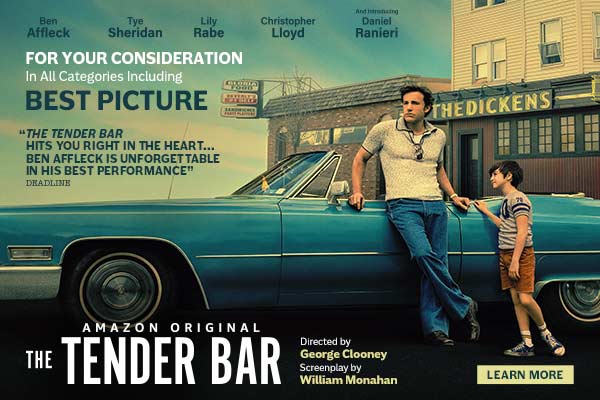
Amazon Studios presents THE TENDER BAR. From director George Clooney and based on the memoir, THE TENDER BAR follows an aspiring writer (Tye Sheridan) pursuing his romantic and professional dreams. From a stool in his uncle’s (Ben Affleck) bar, he learns what it means to grow up from a colorful group of local characters. “Director George Clooney and screenwriter William Monahan magnificently conjure the look, sound, and feel of a household" declares The Independent.
a tender bar

THE TENDER BAR is in theaters tomorrow and streaming January 7th on Prime Video.

This model doesn’t make sense for everyone in Hollywood. And I get why more investors are interested in music. Songs generate revenue from a variety of sources—ASCAP/BMI royalties, streaming, sync licensing, etc. Digital distributors are thriving these days, and music is a gross business. You get pennies (or fractions thereof) per play, statements are easy to understand, and there are collection agencies to keep everyone in check. Film and TV profit definitions, by contrast, are famously complicated, a participant’s position in a revenue waterfall is tough to understand, the costs associated with movies and TV are much higher (and tougher to police). So fewer firms are interested.  


But that’s changing. I think there is a recognition that Hollywood studios are really good at making and distributing content, and maximizing revenue through windowing that distribution. Becoming a participant in that core competency is alluring for investors, if the studio accounting can be policed without going broke on audits or litigation. This is different from the other big investment trend of private equity-backed business buyouts, like Blackstone’s purchase of Reese Witherspoon’s Hello Sunshine with Kevin Mayer and Tom Staggs. Those investors are buying operating businesses, which, in my opinion, are much less predictable. Assets like Sly Stallone’s Rocky participation and the Revolution library would make me much less nervous. But hey, I’m not Steven Schwarzman at Blackstone.   


This booming market won’t last forever. At some point, the rise in prices will outpace the decay rate. But the larger lesson here is just how valuable these backends can end up becoming. Studios have been paying points on movies since at least the 1960s, and there are now several generations of stars, writers, producers and executives who are still being paid, sometimes very well, on old work, with sophisticated financial firms ready to write checks now for those revenue streams. What might Jerry Seinfeld or Chuck Lorre or Marta Kaufman get if they sold their backends (if they haven’t already)?


Think about that next time an agent brags about getting Netflix or Apple to pay a 10 percent premium on a quote to “buy out” a backend. The streamers have eliminated contingent pay, and there’s an argument to be made for Brad Pitt being able to do a lot more with $40 million from Apple now, rather than $20 million plus 20 percent, which could ultimately generate more money but over years and years. Still, it’s hard not to look with envy at someone like Stallone. This Shamrock deal is like a very rich cherry on top of an ice cream sundae of a career.


And that cherry tree might someday become extinct. But not for a while, at least. I asked a major player in the backend buyout space whether he fears a day when this business goes away completely. “I’m not getting my resume ready just yet,” he said. 

ADVERTISEMENT

a tender bar

See you Sunday,

Matt


Got a question, comment, complaint, or holiday cocktail recipe? Email me at Matt@puck.news or call/text me at 310-804-3198.

FOUR STORIES WE'RE TALKING ABOUT

cocktail

Marvel Fatigue, Part Deux

Marvel has been so successful for so long, begging the question: if we've reached Peak Marvel, how is Kevin Feige using his power?

MATT BELLONI

money bag

Huma Speaks!

In a wide-ranging interview, Huma Abedin talks candidly about Hillary, Weiner, the Laptop, more Hillary, and Kamala.

PETER HAMBY

money bag

Tech’s Radical Chic Lawman

The recall election of Chesa Boudin is pitting tech’s billionaires against one another—and forcing the city to look itself in the mirror.

TEDDY SCHLEIFER

card

The DAO of Pooh

An exploration into the latest B.S. post-crypto fiscal fantasy of the economy’s late-stage-Covid consensual hallucination.

WILLIAM D. COHAN

 
swash divider
Facebook Twitter Instagram LinkedIn

You received this message because you signed up to receive emails from Puck.


Was this email forwarded to you?

Sign up for Puck here.


Sent to {{customer.email}}

Unsubscribe


Puck is published by Heat Media LLC.
64 Bank Street
New York, NY 10014


For support, just reply to this e-mail.

For brand partnerships, email ads@puck.news

SEE THE ARCHIVES

SHARE
Try Puck for free

Sign up today to join the inside conversation at the nexus of Wall Street, Washington, A.I., Hollywood, and more.

Already a member? Log In


  • Daily articles and breaking news
  • Personal emails directly from our authors
  • Gift subscriber-only stories to friends & family
  • Unlimited access to archives

  • Exclusive bonus days of select newsletters
  • Exclusive access to Puck merch
  • Early bird access to new editorial and product features
  • Invitations to private conference calls with Puck authors

Exclusive to Inner Circle only


Latest Articles from Hollywood

MELANIA documentary
Matthew Belloni • December 17, 2021
Can ‘Melania’ Open?
On top of the $40 million Amazon ponied up for Brett Ratner’s docu-hagiography, the studio is spending another $35 million to open it in 27 countries, including a splashy Kennedy Center premiere to be attended by top executives. But for all the expense, Melania is for an audience of one.
Ted Sarandos
Matthew Belloni • December 17, 2021
Movie Theaters Want a Ted Sarandos Blood Oath
Regal’s Eduardo Acuna goes public with his pitch for Netflix to sign a 10-year binding pledge with the Trump D.O.J. (and other ideas), ensuring Sarandos won’t go back on his recent promise to give Warner Bros. movies a 45-day window. Offering Greta Gerwig’s ‘Narnia’ a wide release would help, too.
Ted Sarandos
Matthew Belloni • December 17, 2021
How Netflix’s Sony Deal Explains Its Warners Pursuit
The streamer's new global agreement with the studio, valued at up to $8 billion, puts a public value on its slate. Now apply that math to its potential Warners takeover.


Kathleen Kennedy
Matthew Belloni • December 17, 2021
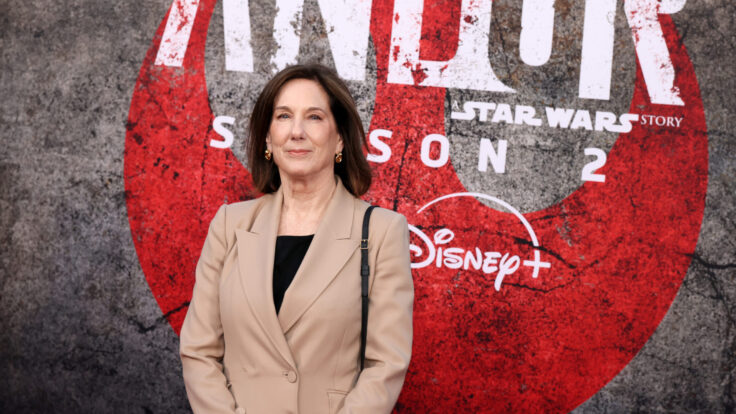
Kathleen Kennedy’s Final Episode
As president of Lucasfilm, the producer oversaw five Star Wars films, a wave of TV shows…. and a galaxy’s worth of abandoned projects and jilted filmmakers. With her exit finally official, is the franchise better off now than it was 14 years ago?
Bob Iger
Julia Alexander • December 17, 2021
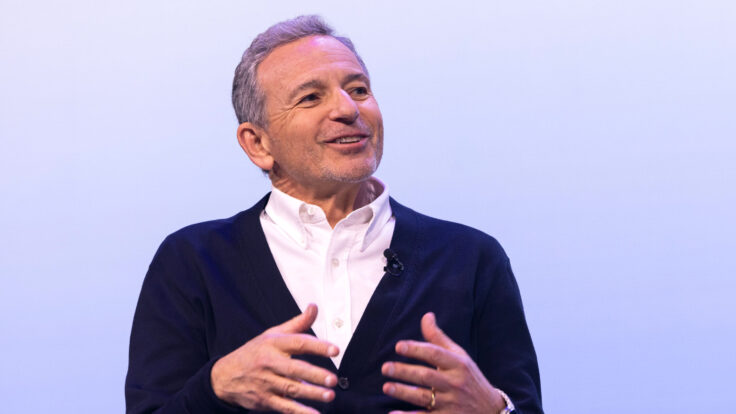
The Math Behind Combining Hulu and Disney+
The long-ordained integration of Disney’s two streaming services is being heralded inside Burbank as a transformational moment for both. But will the merged platform really be more than the sum of its parts?
Kevin Spacey
Eriq Gardner • December 17, 2021
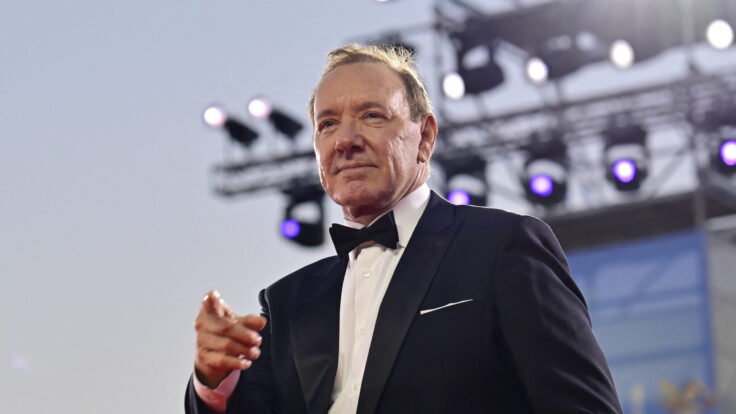
Kevin Spacey’s $80M Legal House of Cards
The disgraced actor is soon expected to sit for a brutal cross-examination in the rare Hollywood insurance dispute that has actually made it to trial. A potentially huge payout hinges on whose version of House of Cards’s ending prevails.


John Landgraf
Kim Masters • December 17, 2021
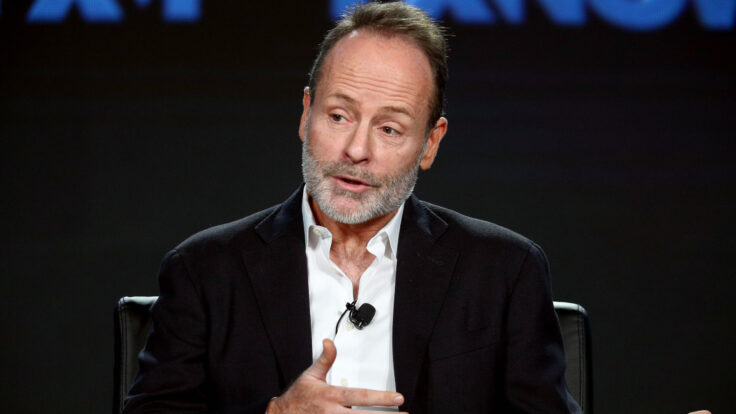
Can John Landgraf’s Slow TV Model Survive?
The oracle of Peak TV is at an inflection point as Disney+ absorbs Hulu and the chase for prestige gives way to the tonnage model.


Get access to this story

Enter your email for a free preview of Puck’s full offering, including exclusive articles, private emails from authors, and more.

Verify your email and sign in by clicking the link we just sent.

Already a member? Log In


Start 14 Day Free Trial for Unlimited Access Instead →


Latest Articles from Hollywood

Dana Walden
Matthew Belloni • December 17, 2021
20 Surefire, 100 Percent Probable Hollywood Predictions for 2026 (Part Two)
StrikeWatch ’26, a bizarre Michael Jackson record, and the future of Disney’s Dana Walden (if she’s C.E.O. or not) in the second act of the town’s favorite prognostication of the year ahead.
a minecraft movie
Scott Mendelson • December 17, 2021
It Was One Box Office Battle After Another in 2025
With Hollywood’s annual output back to resembling its pre-pandemic levels, some clear trends emerged: Kids showed up, horror hit more often than it didn’t, and the superhero slump is real. How might it all apply to 2026 and beyond?
Ted Sarandos
Eriq Gardner • December 17, 2021
Netflix’s Game of Antitrust Chicken
If the streaming giant wins Warner Bros., the feds will almost certainly present their next hurdle. And the Trump Justice Department might ask some questions that Netflix would like to avoid.


Sydney Sweeney
Matthew Belloni • December 17, 2021
20 Surefire, 100 Percent Probable Hollywood Predictions for 2026 (Part One)
The town’s favorite year-ahead forecast returns, with input from some of my best sources—plus a few celebrity Puck friends. The future of ‘Star Wars,’ Instagram Reels, ‘Rush Hour 4,’ and Sydney Sweeney foretold in the first of two parts…
Bryan Lourd caa
Eriq Gardner • December 17, 2021
The CAA-Range Finale, Zaz’s $500M Beef & Trump’s Media Damages Calculator
A look ahead at the most consequential media lawsuits and legal crises that will come to their conclusion in 2026.
Pam Abdy, Mike De Luca
Matthew Belloni • December 17, 2021
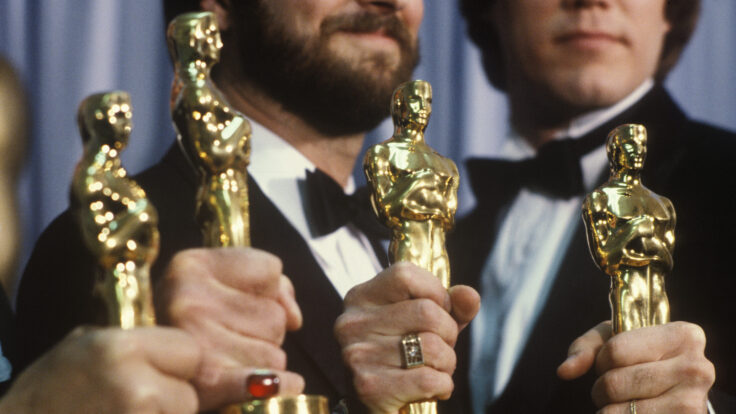
Hollywood’s Heroes of the Year Are… The Warner Bros. Duo
In 2025, Mike De Luca and Pam Abdy went from dead executives walking to a six-month stretch of blockbusters and Oscar contenders that silenced the town and offered a middle finger to their boss, David Zaslav. In an era when I.P. has taken over Hollywood, and their studio has been sold to Netflix (or Paramount?), they decided to go out swinging…


sam altman
Matthew Belloni • December 17, 2021
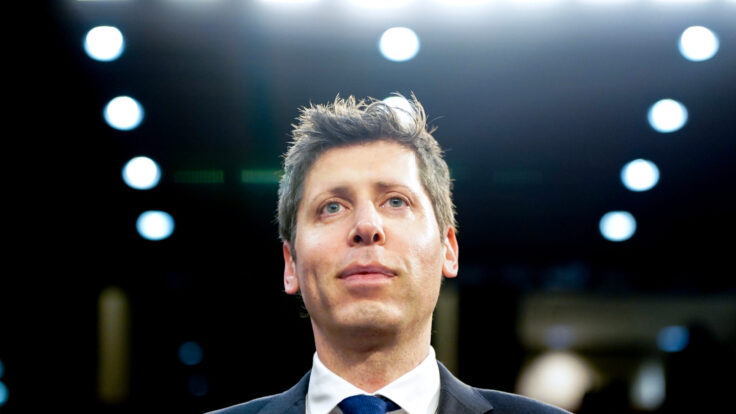
Hollywood’s Villain of the Year Is… Sam Altman
A year before the OpenAI C.E.O. gets the ‘Social Network’ movie treatment, the slop-ification of entertainment took a major leap in 2025 thanks to a copyright infringement hub called Sora 2 and Altman’s brazen courtship of Disney.
Get access to this story

Enter your email to get access to one article and free previews of our private emails from Puck authors and editors.

OR

Already a Member? Sign in


Latest Articles from Hollywood

Oscars
Matthew Belloni • December 17, 2021
The Oscars-YouTube Brand Problem
The streamer’s bold bid to host the Academy Awards offers maximum reach for a show that was becoming minimally niche, but mixing prestige and base populism has its potentially problematic downsides.
Ted Sarandos
Kim Masters • December 17, 2021
Does Anyone Believe Ted Sarandos on Theaters?
As the streamer’s winning bid to secure WBD faces regulatory scrutiny and a hostile offer from Paramount, Ted Sarandos insists that Netflix is committed to a standard theatrical window for Warner Bros. movies. Is it enough to earn Hollywood’s loyalty?
bob iger
Eriq Gardner • December 17, 2021
Disney’s Sora Wager & Hollywood’s Next A.I. Legal Battles
A field guide to the A.I. cases and deals that will shape 2026, including Disney’s recent peace treaty, the Elon-Altman feud, the next round of labor negotiations, the whole ScarJo voice issue, and many more…


david zaslav
Matthew Belloni & William D. Cohan • December 17, 2021
Who Wants Warner Bros. More?
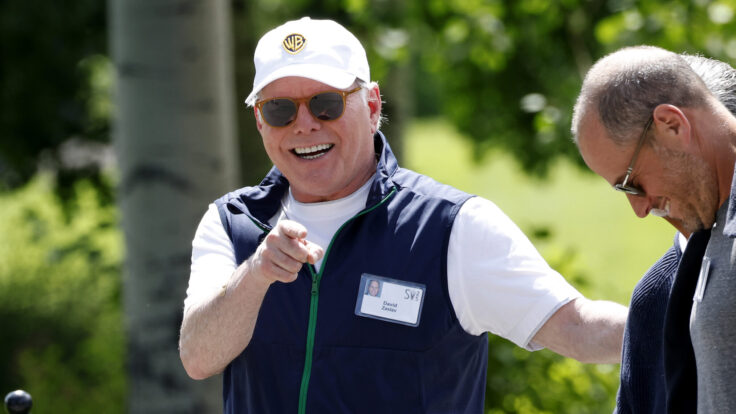
Battle lines have been drawn over David Zaslav’s Warner Bros. Discovery, and both Netflix and Paramount think they have the winning formula. Will the Ellisons get to $34 a share? Can Netflix counter? Is Larry really “backstopping” all the equity? Or is the game already rigged?
Alan Horn and Rob Reiner
Kim Masters • December 17, 2021
Alan Horn Remembers Rob Reiner
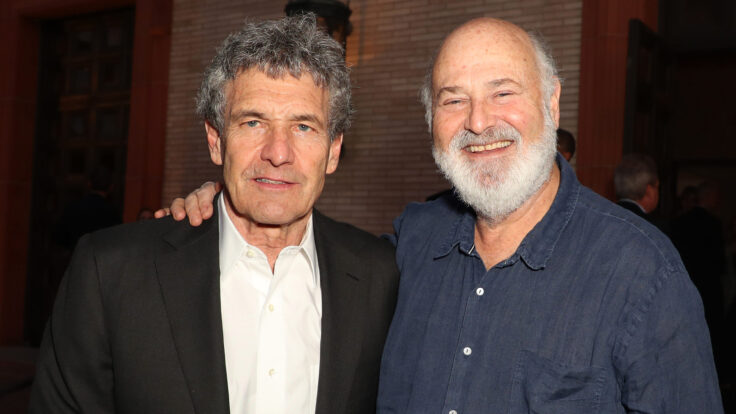
The longtime exec paid tribute to Reiner, his onetime partner in Castle Rock Entertainment, and explained why the director dedicated their first movie together to his father.
Ted Sarandos, Greg Peters
Julia Alexander • December 17, 2021
Why Netflix Needs Warner Bros.
Prior to its $83 billion deal to acquire the studio and HBO Max, the streamer had never spent more than $700 million on an acquisition. But Netflix saw an opportunity to own, not license, a significant chunk of its content—and, perhaps more importantly, to block David Ellison from taking it away.


wicked cynthia erivo
Matthew Belloni • December 17, 2021
Can Media Coverage Buy an Oscar?
Every year, awards contenders and pretenders have been mounting unbridled and financially unchecked press campaigns in the hopes of boosting their chances. A new data analysis reveals that they maybe shouldn’t have bothered.


  • Terms
  • Privacy
  • Contact
  • FAQ
  • Careers
© 2026 Heat Media All rights reserved.
Create an account

Already a member? Log In

CREATE AN ACCOUNT with Google
OR YOUR EMAIL

OR

Use Email & Password Instead

USE EMAIL & PASSWORD
Password strength:

OR

Use Another Sign-Up Method

Become a member

All of the insider knowledge from our top tier authors, in your inbox.

Create an account

Already a member? Log In

Verify your email!

You should receive a link to log in at .

I DID NOT RECEIVE A LINK

Didn't get an email? Check your spam folder and confirm the spelling of your email, and try again. If you continue to have trouble, reach out to fritz@puck.news.

CREATE AN ACCOUNT with Google
CREATE AN ACCOUNT with Apple
OR USE EMAIL & PASSWORD
Password strength:

OR
Log In

Not a member yet? Sign up today

Log in with Google
Log in with Google
Log in with Apple
Log in with Apple
OR USE EMAIL & PASSWORD
Don't have a password or need to reset it?

OR
Verify Account

Verify your email!

You should receive a link to log in at .

I DID NOT RECEIVE A LINK

Didn't get an email? Check your spam folder and confirm the spelling of your email, and try again. If you continue to have trouble, reach out to fritz@puck.news.

YOUR EMAIL

Use a different sign in option instead

Member Exclusive

Get access to this story

Create a free account to preview Puck’s full offering, including exclusive articles, private emails from authors, and more.

Already a member? Sign in

Free article unlocked!

You are logged into a free account as unknown@example.com

ENJOY 1 FREE ARTICLE EACH MONTH

Subscribe today to join the inside conversation at the nexus of Wall Street, Washington, A.I., Hollywood, and more.

START 14-DAY FREE TRIAL

  • Daily articles and breaking news
  • Personal emails directly from our authors
  • Gift subscriber-only stories to friends & family
  • Unlimited access to archives
  • Bookmark articles to create a Reading List
  • Quarterly calls with industry experts from the power corners we cover