 |
|
Happy Monday, I’m Eriq Gardner.
|
|
Welcome back to The Rainmaker, a private email about money, power, fame, and, most of all, the law. (If you’re not already subscribed, click here to receive this newsletter weekly.)
In today’s edition, Matt Belloni and I discuss why the entertainment industry isn’t quite ready to step into court against Microsoft, Google, and those leading the A.I. charge. Plus a big new lawsuit against Disney and whether Hollywood needs to do any soul searching about The Blind Side.
But first…
|
|
|
- Biden vs. Google: It’s not getting much attention, but the Biden administration and Google are heading to trial on Sept. 12 over whether Google is unlawfully maintaining a monopoly in internet search. The D.O.J. has high expectations for what it says will become an “important, landmark trial,” but not everyone is eagerly anticipating the showdown. In particular, Apple is contesting a trial subpoena for three of its highest-ranking executives—Eddy Cue, who oversees Apple’s product group; John Giannandrea, Apple’s A.I. and machine learning strategy chief; and Adrian Perica, who leads M&A. Their testimony could be extremely revealing, which is why Apple is striving to minimize its involvement.
Meanwhile, the D.O.J. is still pursuing a second antitrust trial (the date’s not set) against Google over ad tech. But that case is facing early challenges, with controversy surrounding D.O.J. antitrust chief Jonathan Kanter’s prior work at Paul Weiss, where he represented Microsoft and News Corp. in complaints against Google—a possible conflict of interest that the D.O.J reviewed and cleared. Nevertheless, Google is hunting for information about Kanter’s Paul Weiss days, and has indicated that it may raise violations of federal ethics rules. In response, the D.O.J. says Kanter’s actual role is minimal, and is asking a Virginia judge to affirm there’s been no prosecutorial bias.
- Elon’s latest legal drama: Defamation suits can get silly, but I challenge you to show me one that’s more preposterous than this “Jane Doe” case against the owner of Us Weekly. The alleged libel? The magazine published a photo of the wrong woman, erroneously identifying her as the mother of Elon Musk’s recently born twins. You see, the woman who was mistakenly pictured—apparently a former roommate of Musk’s baby mama—is married and claims to live in “constant fear of the stigma and embarrassment from her unmerited association with a story that falsely portrayed her as having cheated on her husband.” Remarkably, she’s represented by renowned defamation attorney Thomas Clare, who must now fend off both a motion to dismiss (“there is nothing to suggest this was anything other than an honest mistake”) and arguments against proceeding anonymously. Can she vindicate her reputation while keeping her identity concealed? We’ll see.
Meanwhile, Musk himself recognizes the stigma of being associated with him. For the second time this summer, his X Corp. has asked a judge to seal the identities of its other shareholders. This disclosure is necessary so that a federal judge can assess potential conflicts of interest in overseeing an ongoing dispute over Twitter’s alleged collection of biometric data without user consent. X Corp isn’t merely requesting privacy for Musk’s co-owners; they are also aiming to shield the identity of the very X employee who is bringing this matter to the judge’s attention. In a sworn statement, he says, “I may face threats, harassment, and an invasion of privacy if my identity were disclosed.”
- This just in: The New York Knicks are suing the Toronto Raptors. Yes, you read that right. It’s rare to see one pro sports team sue another, but James Dolan is a unique owner. His Knicks have filed a trade secrets and computer fraud case arising from the poaching of Ikechukwu “Ike” Azotam, who worked in the team’s video and analytics department from 2020 until late last year. According to a complaint filed today in New York federal court, Raptors head coach Darko Rajakovic began recruiting Azotam last summer and had him funneling proprietary information—scouting reports, play frequency reports, and more—to the Raptors via a personal Gmail account. The Knicks say their security team identified that files in their subscription database were accessed more than 2,000 times by the Atlantic Division rivals. The New York team now wants a permanent injunction and compensatory damages. Here’s the complaint.
- What else I’m reading: Ron DeSantis might wish to move on, but Disney’s got counterclaims … A peek at the government’s evidence against Sam Bankman-Fried … California’s civil rights agency seeks confirmation it may pursue class claims against Activision over sexual harassment despite the company’s settlement with the feds … Live Nation loses a bid to move a consumer antitrust case into arbitration thanks to an updated user agreement relying on a new (shady) arbitration forum … A judge has agreed to the certification of a class action from U.F.C. fighters over suppressed wages ... An unusual sanctions order that lawyers submit to “religious liberty training” goes on appeal … Finally, a judge ruled that A.I.-authored works aren’t eligible for copyright registration. Speaking of which…
|
 |
| Will A.I. Eat Hollywood? |
| Thoughts on a looming tech reckoning, Iger’s “Avatar” profit-sharing dilemma, and the “Blind Side” legal imbroglio. |
|
|
|
|
|
| It seems like everyone in media and entertainment is unhappy these days with A.I. programs feasting on their work, but few people are actually taking their outrage to court. While there’s a slew of putative class actions in progress (artists, coders, Sarah Silverman, etcetera), these can all be traced to a single San Francisco attorney, Joseph Saveri. Why aren’t movie studios suing? Or record labels? Or book publishers? In fact, when it comes to industry-driven legal actions led by prestigious law firms, there’s really only one that’s notable—Getty Images’ suit against Stability AI, filed in February, which could lay the groundwork for cases to come.
I’ve been investigating the perplexing lack of action, talking with insiders about their hesitancy and how tomorrow’s A.I. threat compares to, say, how Napster and YouTube remade the industry 20 years ago. Part of Hollywood’s reluctance to take on Silicon Valley rests on the hope that A.I. can be harnessed for positive creative purposes (and, yes, profitability). But it’s more than that. For valid reasons, insiders are apprehensive that I.P. lawsuits might not stand up in court.
While many seem to believe that ChatGPT, Bard, and the like are clearly violating copyright law by training themselves on proprietary content (scripts, musical scores, still images, etcetera), very few experts I know share their certainty that it would be a slam-dunk case. On the contrary, academic literature and case law suggest that might count as fair use. Sure, it gets complicated when an A.I.’s output is overly similar to its inspiration, and thus presents direct market competition. (Consider what scholar Mark Lemley has to say about training a system to make a song in the style of Ariana Grande. Also, keep in mind the Supreme Court’s recent Warhol decision.) But the legal avenues look bumpy enough that even copyright hawks are proceeding cautiously here. As one seasoned industry figure told me, “I’m closely following these cases. I’ve got time, and when I do something, I don’t like to lose.”
For more on that topic, I DM’d my Puck partner (and former entertainment attorney) Matt Belloni to discuss why Hollywood isn’t pushing back more strongly—and when it might. Plus, our thoughts on that Avatar 2 finance suit, the Michael Oher conservatorship, and who really made money off The Blind Side. |
| “The Largest Copyright Violation” |
|
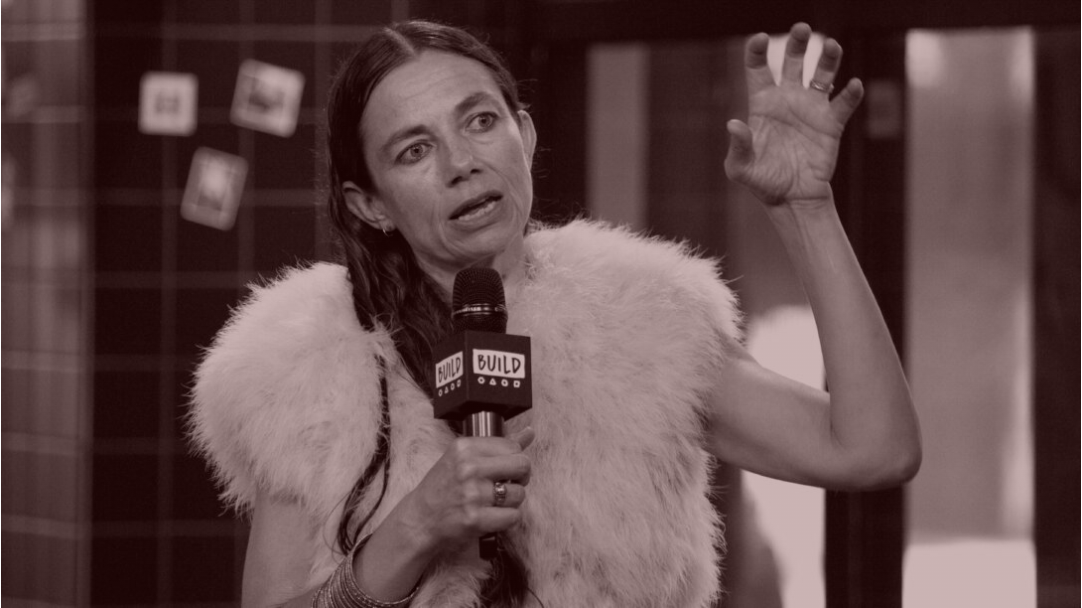
| Matt: I had Justine Bateman on The Town (listen here) and we were discussing why we haven’t yet seen more lawsuits on the A.I. front, particularly from the movie industry. She thinks studios are sleeping on the “largest copyright violation in the history of the United States,” while I speculated that lawsuits may be coming, and that the reason for the holdup might be “a lack of coordination, getting everybody (at the Motion Picture Association) on the same page.”
Eriq: I’m not sure about either theory, actually. I’m not even convinced that movie studios have a problem with what’s being fed into an A.I. machine. I know this sounds crazy, but unlike past instances where studios were the most aggressive copyright cops in the room, this time I think they are relatively dovish—even compared to others in entertainment. Note, for example, who’s not aboard the Human Artistry Campaign—a new coalition rallying behind core principles, including consent and payment. Or check out what MPA lawyer Ben Sheffner said about A.I. training in May: “We at the MPA simply don’t believe we can or should make definitive, blanket black or white pronouncements on these questions, especially at this still early stage of the technology’s development and implementation.” Not your father’s MPA. Are you hearing anything different?
Matt: Not specifically, but it’s hard for me to believe that an industry that employs so many lawyers and lobbyists, people whose jobs are to secure the sanctity and longevity of copyrights, would let the rules of the A.I. game be defined by those whose interests aren’t aligned with content owners. Did the media industry learn nothing from the reckoning in music, or the commoditization of digital publishing?
Eriq: But the big problem with litigation is that it could very well be a loser. I understand the impulse behind believing there’s infringement whenever the tech industry takes something without paying, but if this goes to court, someone will need to distinguish machine learning from what goes on in film schools when students feed on a lot of old works and then, inspired, create something new.
Matt: I can think of about 1,000 reasons per second that the A.I. situation is different—that’s how fast machine learning can suck up images and create what are essentially derivative works based on those images. The scale is just massive and, I think, makes a difference here.
Eriq: Well, whatever the case, I think The New York Times might be screwed. Have you been following that? Apparently, the Grey Lady is “freaking out” about A.I., cautioning staff not to contribute anything to generative tools like ChatGPT and Bard, not even for copy editing help. At the same time, the Times is distancing itself from a media coalition spearheaded by Barry Diller that wants to compel giants like Google and Microsoft to pay up, while also teasing legal action. Never mind that the stock and trade of the NYT is gathering and disseminating facts, which are notoriously tough to protect. The publication hardly holds a monopoly on journalism, and there’s a reason why news outlets rarely bring copyright claims. Kind of reminds me when we were at The Hollywood Reporter, and other outlets were constantly biting our scoops without attribution. What can you really do? |
|
|
| Eriq: On to another topic. I thought the lawsuit that came a few days ago from TSG Entertainment against Disney was very, very interesting. The Avatar 2 financier is alleging (read here) that after Disney acquired Fox, it renegotiated the studio’s agreement with HBO, giving up guaranteed license fees on movies in which TSG held a stake for the ability to take those films to Disney+ and Hulu.
Not coincidentally, the attorney handling this action is John Berlinski, who previously represented Scarlett Johansson in her own profits case against Disney, which was a real stain on the tenure of Bob Chapek. So who deserves responsibility for the newest mess? It was Bob Iger, of course, who led the deal to buy Fox from Rupert Murdoch, but maybe it’s the D.O.J.’s fault for not taking a closer look at the merger. What’s your read?
Matt: It’s a fun new twist on “Hollywood Accounting.” Fox (and then Disney) was embarrassed a couple years ago when an arbitrator found that its top TV executives artificially depressed license fees for Bones on Hulu (a case also handled by Berlinski), and now Fox (now Disney) is accused of self-dealing in movie license fees. It’ll be interesting to see how Disney responds here.
Eriq: I’m also reminded of the way that Village Roadshow fought WarnerMedia over the Matrix Resurrection release, as well as to retain control over their jointly-owned franchises. You wrote a good column when that case was fresh, about how the dispute reflected the changing nature of relationships between studios and producing partners in the streaming age. Funny enough, you commented that Warner wasn’t nearly as aggressive in arm-twisting as Disney.
Matt: Disney has used its leverage as the dominant studio of the past decade to negotiate very favorable terms, especially with theatrical exhibitors. This isn’t alleged in the TSG complaint, but I wouldn’t be surprised if Disney looked at the Fox output deal with HBO/Max that it inherited and lamented the less favorable terms. That’s not an excuse to screw a profit participant when negotiating to put Avatar 2 on Disney+/Hulu, if that indeed happened, but it might explain the mindset. |
| Hollywood’s Other Blind Side |
|
| Eriq: Speaking of Hollywood Accounting, I didn’t expect that Blind Side mess to arrive there, but Michael Lewis told The Washington Post, “Everybody should be mad at the Hollywood studio system. Michael Oher should join the writers strike. It’s outrageous how Hollywood accounting works, but the money is not in the Tuohys’ pockets.”
I don’t think that’s really the takeaway from this sad situation, but while we’re on the topic, how is it that these people got any profit points from the movie? I can understand Lewis, since it was his book that was (very, very loosely) adapted, but the real-life subjects? Getting anything more than a flat fee seems extraordinary, no? Maybe not as remarkable as a movie grossing $300 million and yet apparently not enriching everyone involved, but I’m kind of amazed the Tuohys got any profits.
Matt: Maybe this book was so big that they had leverage to command a small profit participation. If so, an outside hit like this should generate profits. Not Sandra Bullock money, but any kind of cash-break arrangement would throw off at least a small participation. If it didn’t, I’d probably audit and/or sue.
Eriq: Obviously, the most unfortunate aspect of this controversy is the relationship between the Tuohys and Oher, essentially alleged now to be a fraud since they didn’t adopt him but rather kept him in a conservatorship. To be honest, I never saw the movie. And I loved the book! But I always thought it was icky to focus on this white family supposedly saving this Black kid, and I knew from the jump that the Hollywood treatment was going to be awkward. Do you think there’s any re-examination happening in Hollywood now thanks to the lawsuit?
Matt: No.
Eriq: By the way, if you haven’t seen it, revisit the Saturday Night Live parody starring Peyton Manning. Hell, I wouldn’t be surprised if this was Jordan Peele’s true inspiration behind Get Out. |
|
|
|
| FOUR STORIES WE’RE READING |
|
|
|
|
|
 |
|
|
|
Need help? Review our FAQs
page or contact
us for assistance. For brand partnerships, email ads@puck.news.
|
|
You received this email because you signed up to receive emails from Puck, or as part of your Puck account associated with . To stop receiving this newsletter and/or manage all your email preferences, click here.
|
|
Puck is published by Heat Media LLC. 227 W 17th St New York, NY 10011.
|
|
|
|