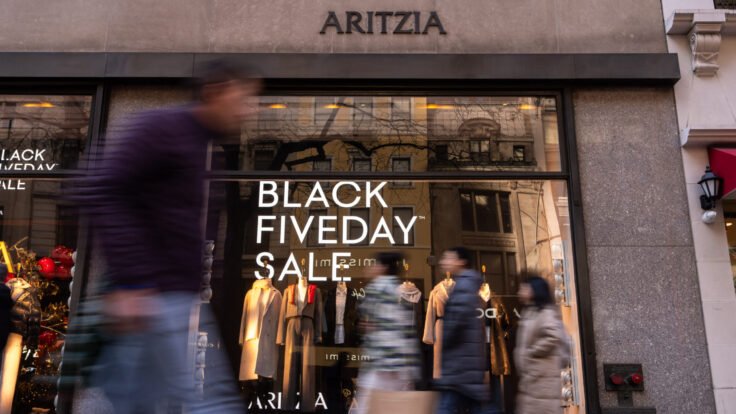
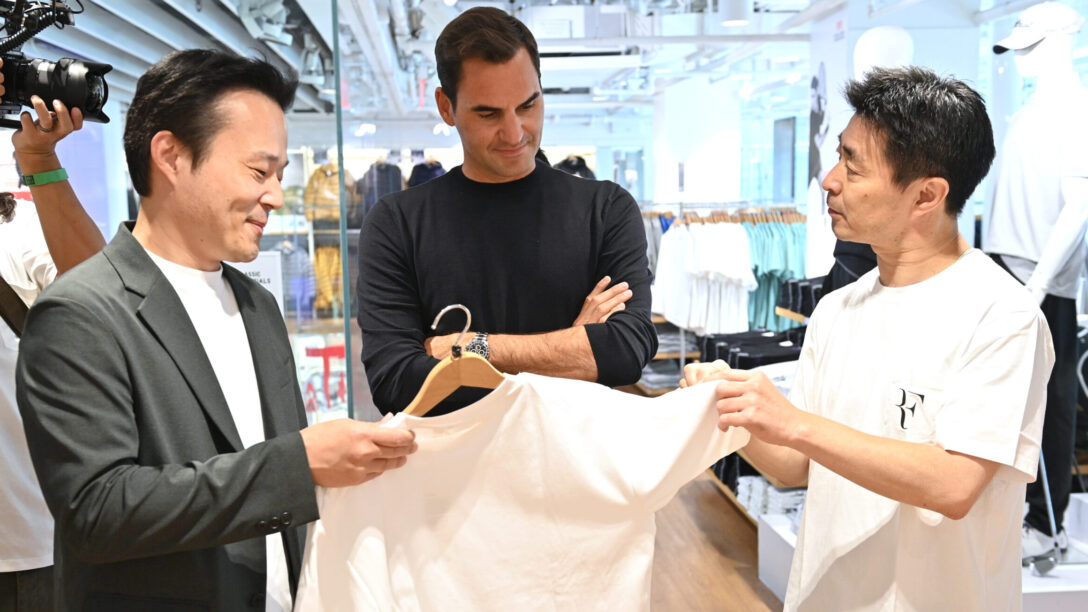
During the past decade, Uniqlo has become the fashion person’s de facto basics brand of choice for ostensibly obvious reasons. Not only has the company hired and partnered with some of the world’s top designers (Christophe Lemaire, Jonathan Anderson, and most recently Clare Waight Keller), but the wares are actually good. The fabrics are always nice, the technical gear works, and billionaire founder Tadashi Yanai has seemingly succeeded in his goal of creating a modern version of the Gap. Unlike other disposable fast fashion competitors, Uniqlo built its business around perfecting timeless basics (the Japanese way) rather than chasing seasonal trends. Now, the company is planning to further penetrate the U.S., expanding to 200 total North American stores and tripling their footprint by 2027.
Uniqlo: Lost in Translation

Sarah Shapiro
April 1, 2025