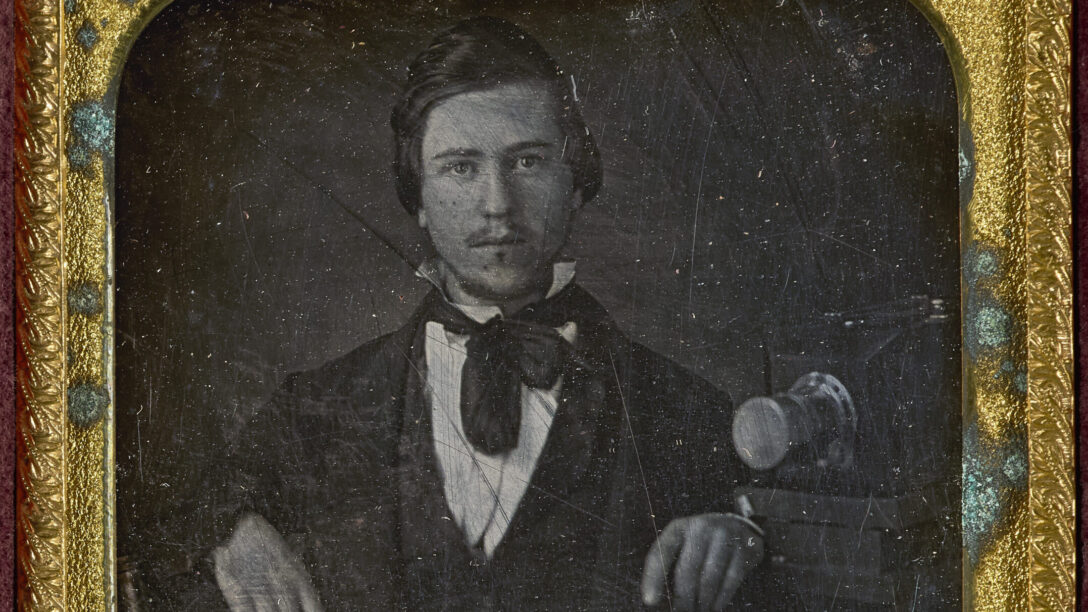
Imagine a world without photographs—not knowing what distant places or deceased relatives actually looked like, reading newspapers without images. That was life before 1839, when Louis Daguerre introduced his daguerreotype to the world. It remained the commercially dominant form of photography for 20 years, until less expensive mediums, like the tintype, became available. Making a daguerreotype—or “dag,” as they are known in the photography community—is a highly scientific process that has become celebrated as an art form, if not as an asset class. Christie’s is currently holding an online sale of one of the most important troves to come to market in the past 25 years. The presale viewing period begins Saturday, June 21.
Who Let the Dags Out?

Julie Brener Davich
June 15, 2025