Welcome back to Wall Power. I’m Marion Maneker.
I want to
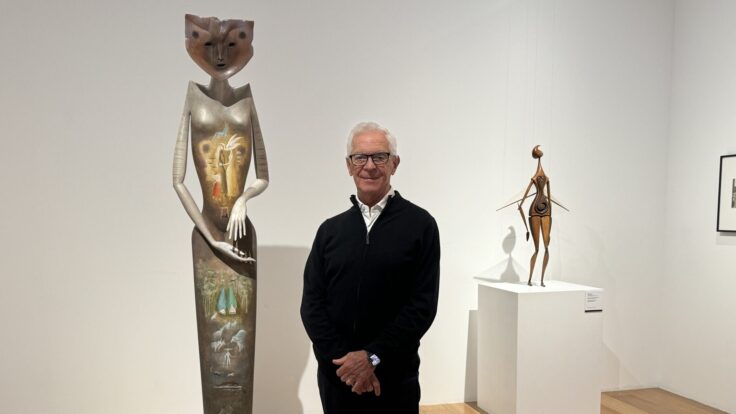
start out by apologizing to Richard Green and his family for inadvertently describing him as “the late Richard Green” in Sunday’s newsletter. The octogenarian Richard Green is still very much with us.
Over the weekend, the auction market got a big jolt from the announcement of the $180 million Weis collection. I’ll give you guys some details below. My understanding is that more collections are still to be announced, with some being pitched this week, so
we could be looking at a stronger fall season than the summer’s market torpor suggested.
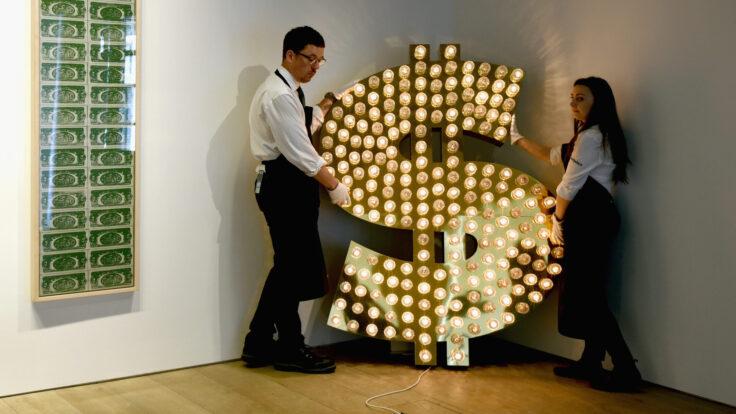
Meanwhile, bubbling under the surface, there has been a lot of strength for artworks priced below $1 million and even $500,000. A good example is the estate of Roy and Dorothy Lichtenstein, which has already sold 68 works totaling $90 million this year. Today, Sotheby’s announced that 96 of Lichtenstein’s works will be sold in a single-owner midseason sale on
September 26 in New York and on September 28 in Hong Kong. More on that below the fold.
But first… |
-
The $180 million Weis collection is coming to Christie’s: The Weis family of Pennsylvania is finally selling their parents’ collection at Christie’s this November, with 18 of the 80 lots being offered in a single-owner evening sale prior to the 20th century evening sale. The entire collection is estimated at $180 million and has been guaranteed by the auction house, reportedly at a level just above the estimates, which would make sense. The deal seems to have been made some time ago,
but the works were held until this fall, so as not to compete with some other estates recently at auction.
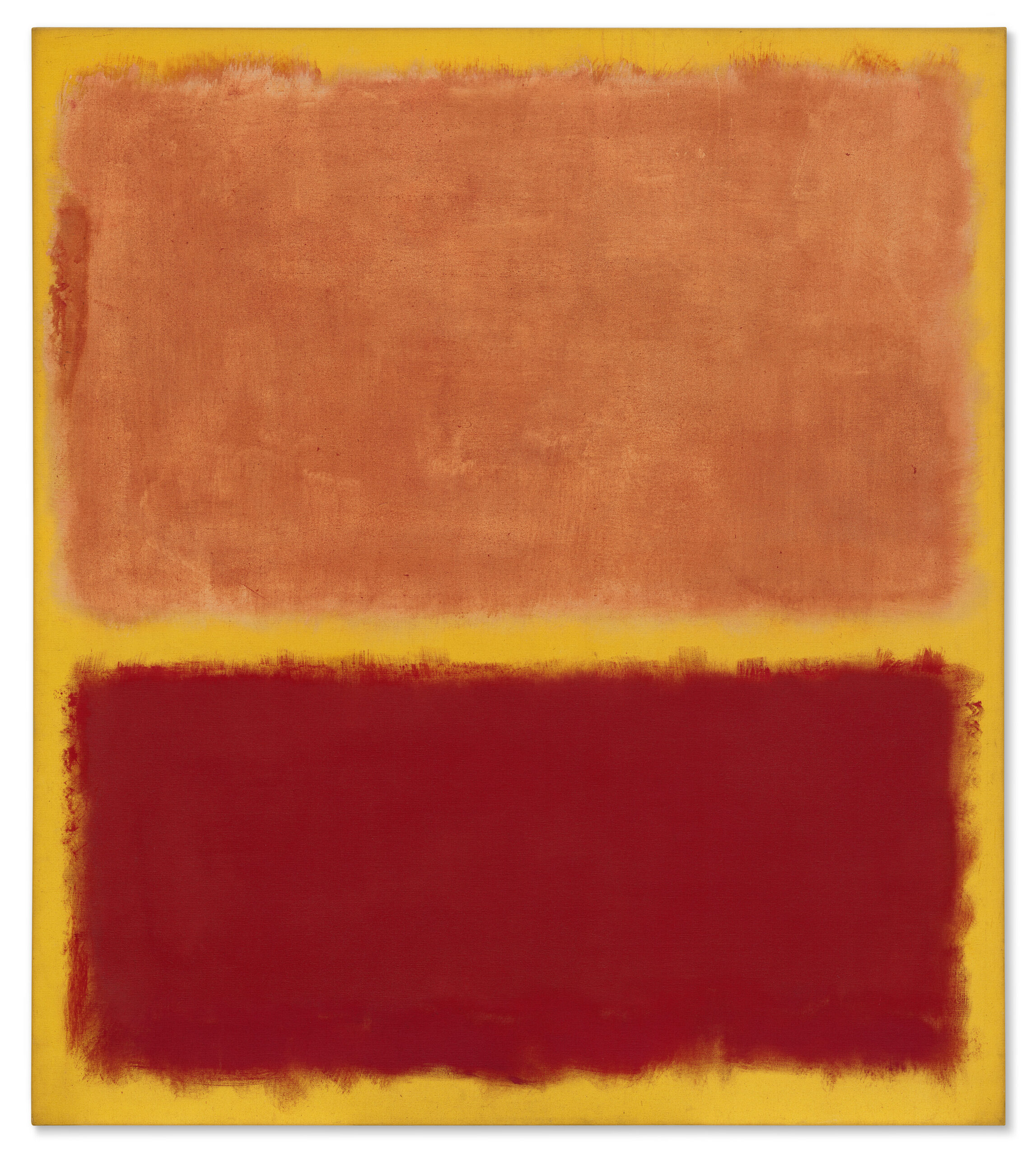
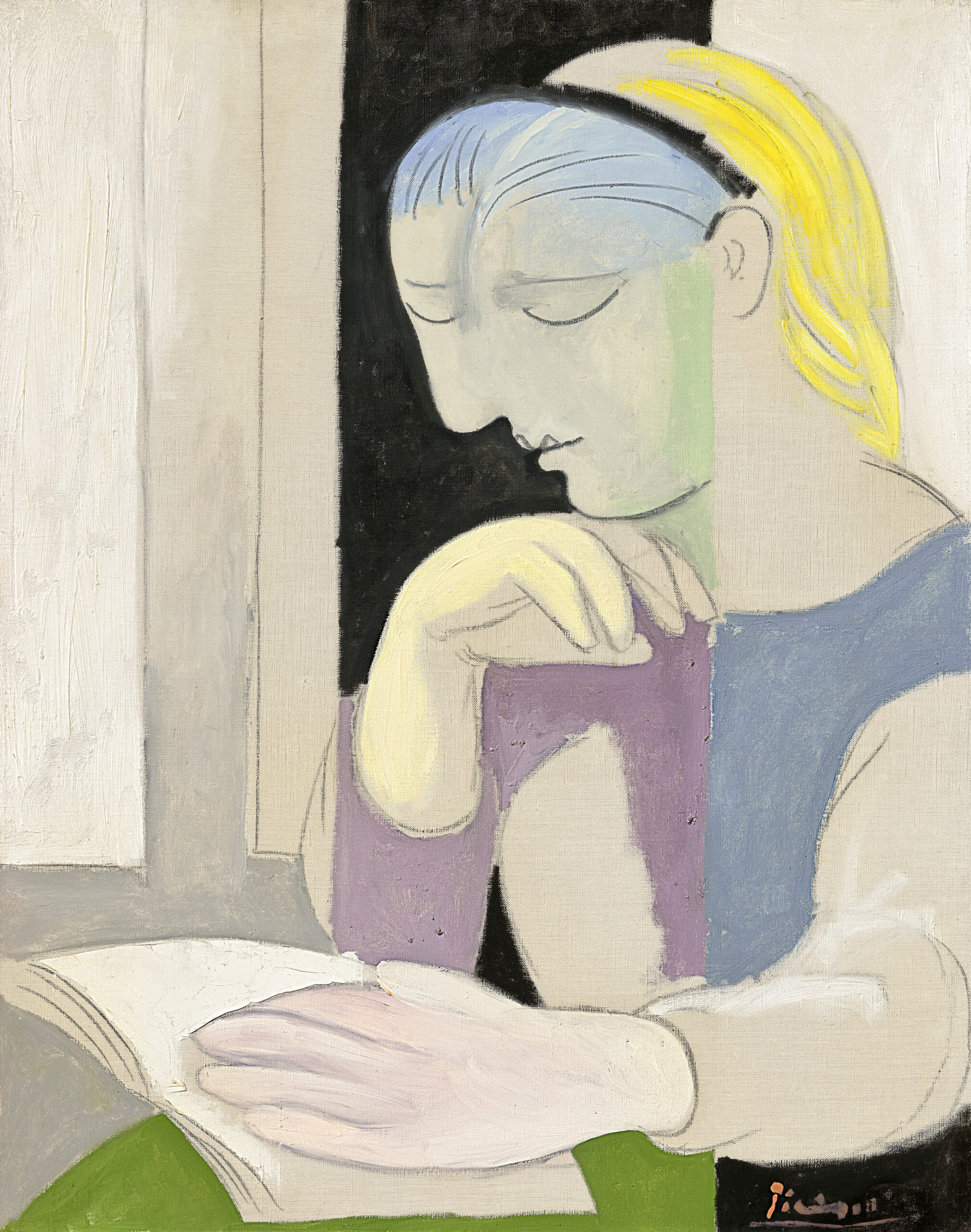
The top lot of the sale is a 1958 Mark Rothko No. 31 (Yellow Stripe), which Christie’s expects to sell for $50 million. Pablo Picasso’s 1932 painting of Marie-Thérèse Walter,
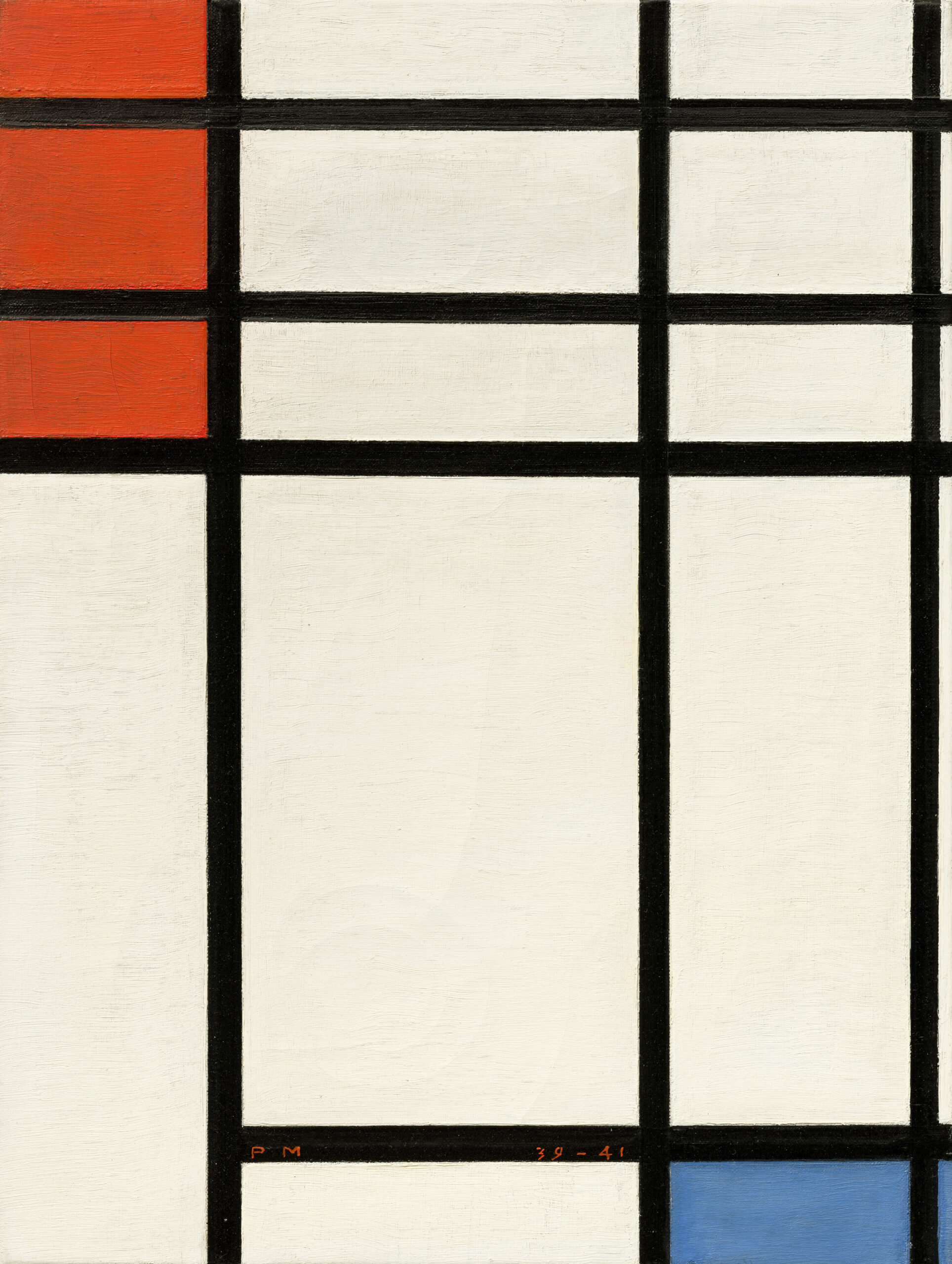
La Lecture, is expected to make $40 million. Piet Mondrian’s Composition with Red and Blue, made between 1939 and 1941, is estimated at $20
million. And Henri Matisse’s Figure et Bouquet, from 1937, is estimated at $15 million. There are many more works by artists like Joan Miró, Max Ernst, Arshile Gorky, Georges Braque, and others.
|
|
|
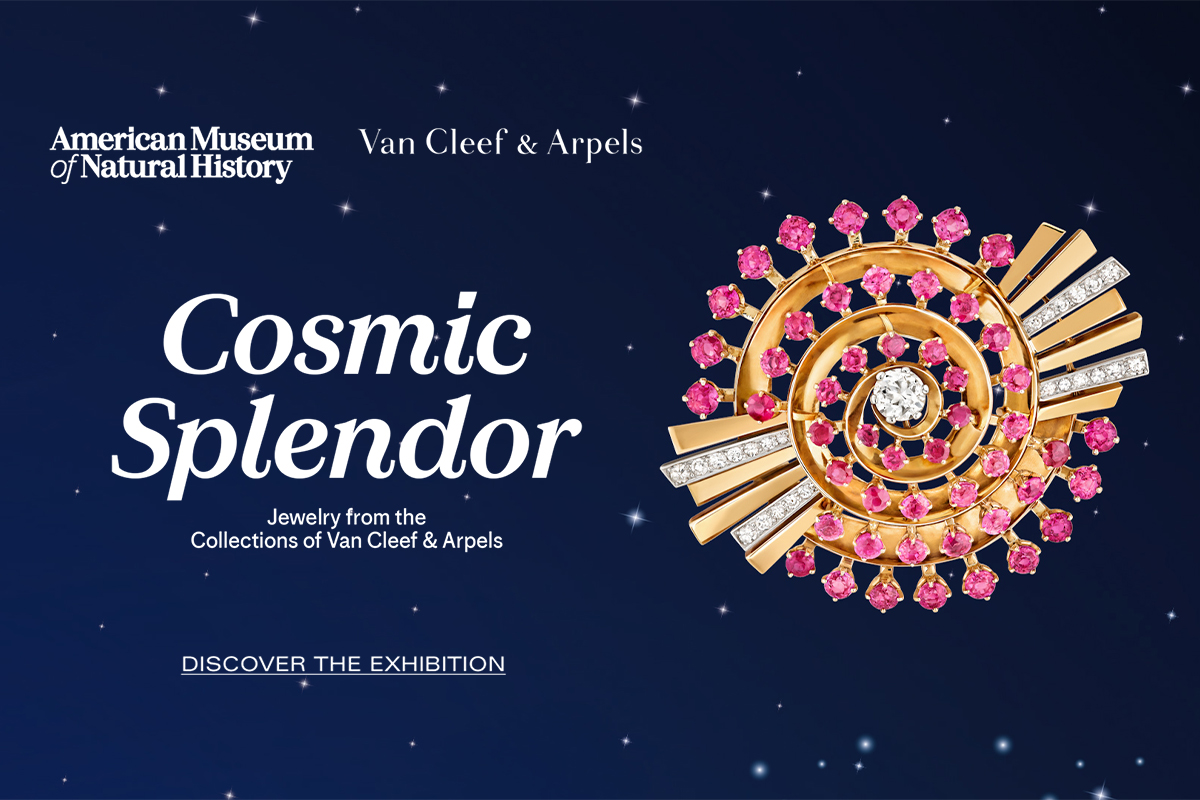
Van Cleef & Arpels invites you to open the doors of wonder with the "Cosmic Splendor: Jewelry from
the Collections of Van Cleef & Arpels" exhibition at the American Museum of Natural History in New York City. Until January 4, 2026, discover the Maison's precious creations, paying tribute to the marvels of the cosmos. |
|
|
- Sylvain Amic dies unexpectedly at 58: Sylvain Amic, who was appointed 16 months ago as director of the Musée d’Orsay and the Musée de l’Orangerie, died unexpectedly over the weekend. Per the New York Times obit, Amic’s upbringing in Senegal, and his early professional years teaching in Gambia, made him
especially attuned to France’s colonial theft of art from Africa, and he was a vocal advocate for restitution. Calling Amic’s death “a shock” on social media, French President Emmanuel Macron praised his efforts to expand the public’s access to art.
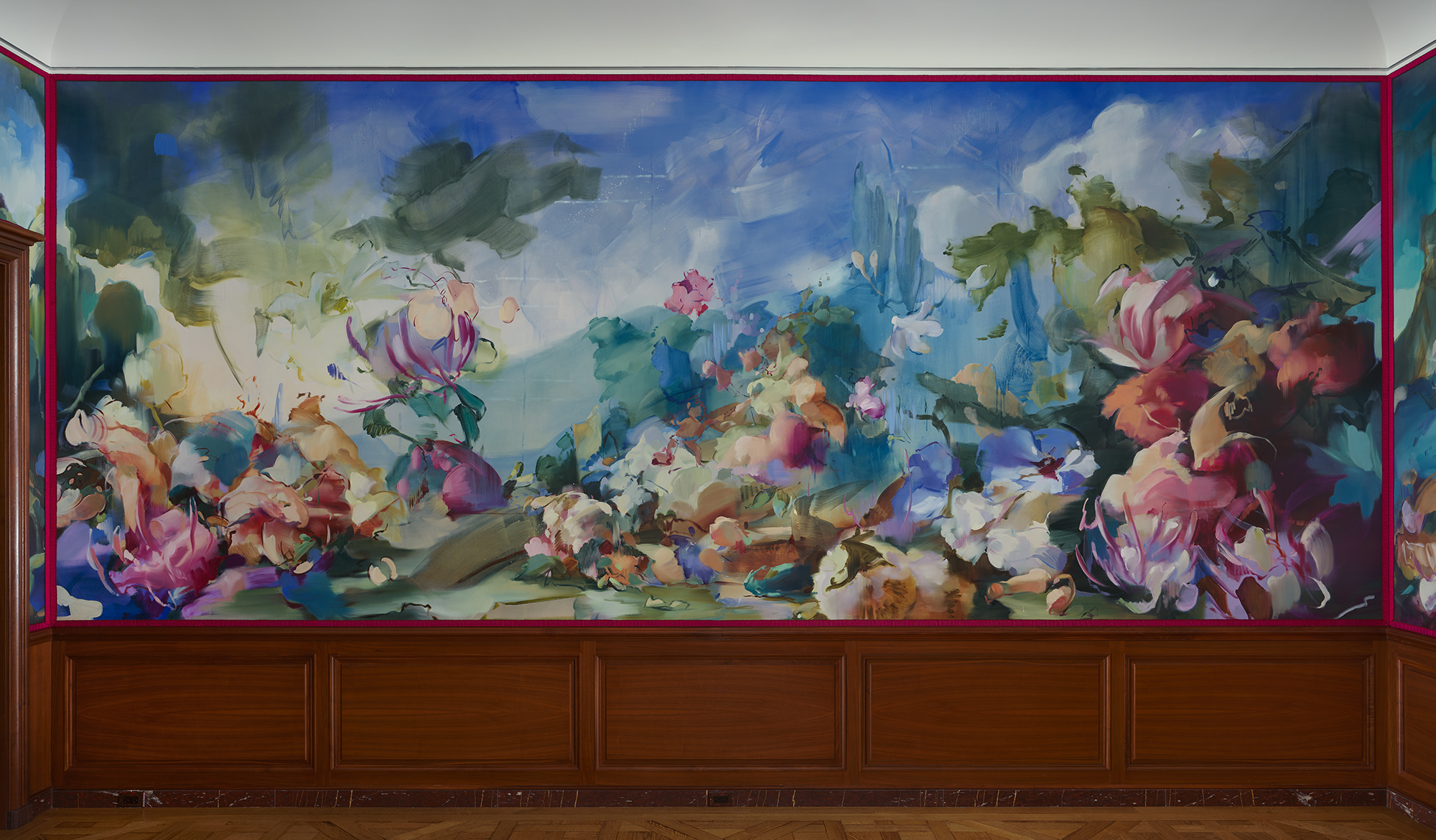
- Flora Yukhnovich at the Frick: Flora
Yukhnovich’s site-specific installation at the Frick Museum will open tomorrow. Yukhnovich is an abstract painter who draws her inspiration from Italian baroque and French rococo works, and this installation is meant to be in dialogue with François Boucher’s The Four Seasons, which has been restored to its original place in the Frick home
just outside of the Cabinet Gallery.
- Rahul Kadakia to be elevated to president of Christie’s Asia Pacific: Christie’s announced this morning that Rahul Kadakia, the house’s international head of jewelry, will now also be global head of the luxury and Asian and world art groups. Those titles were previously held by Francis Belin, who announced his departure internally in late July, effective in September.
Kadakia will also assume Belin’s role as president of Christie’s Asia Pacific, but not until January 2026, presumably to give him time to relocate to Hong Kong.
|
Now let’s get to the main event… |
|
|
The pop artist’s works are enjoying a buying renaissance as the estate
works with Sotheby’s to strategically bring them to sale. Meanwhile, the strength of the market for his lower-priced works is enticing younger buyers and reinforcing the health of the broader market. |
|
|
This autumn is shaping up to be a big auction season, with a number of high-value
collections hitting the block. Christie’s unveiled the Weis collection over the weekend, and more are set to follow, with early intel suggesting a season with more $10 million-and-above historical works than we have seen in recent years. Another harbinger for the health of the market has been the recent string of successes for an artist at a price point far below the trophy market: Roy Lichtenstein.
Since last November, Sotheby’s has moved 68 works from
the Lichtenstein estate across three sales cycles totaling almost $90 million. All of the Lichtenstein estate material found buyers, the majority at prices above the estimates, demonstrating an abundant appetite for the artist’s works. And while no one but the estate—and, possibly, the auction houses—truly knows how much more art the family holds, the heirs seem to be selling strategically to avoid depressing the market. |
|
|
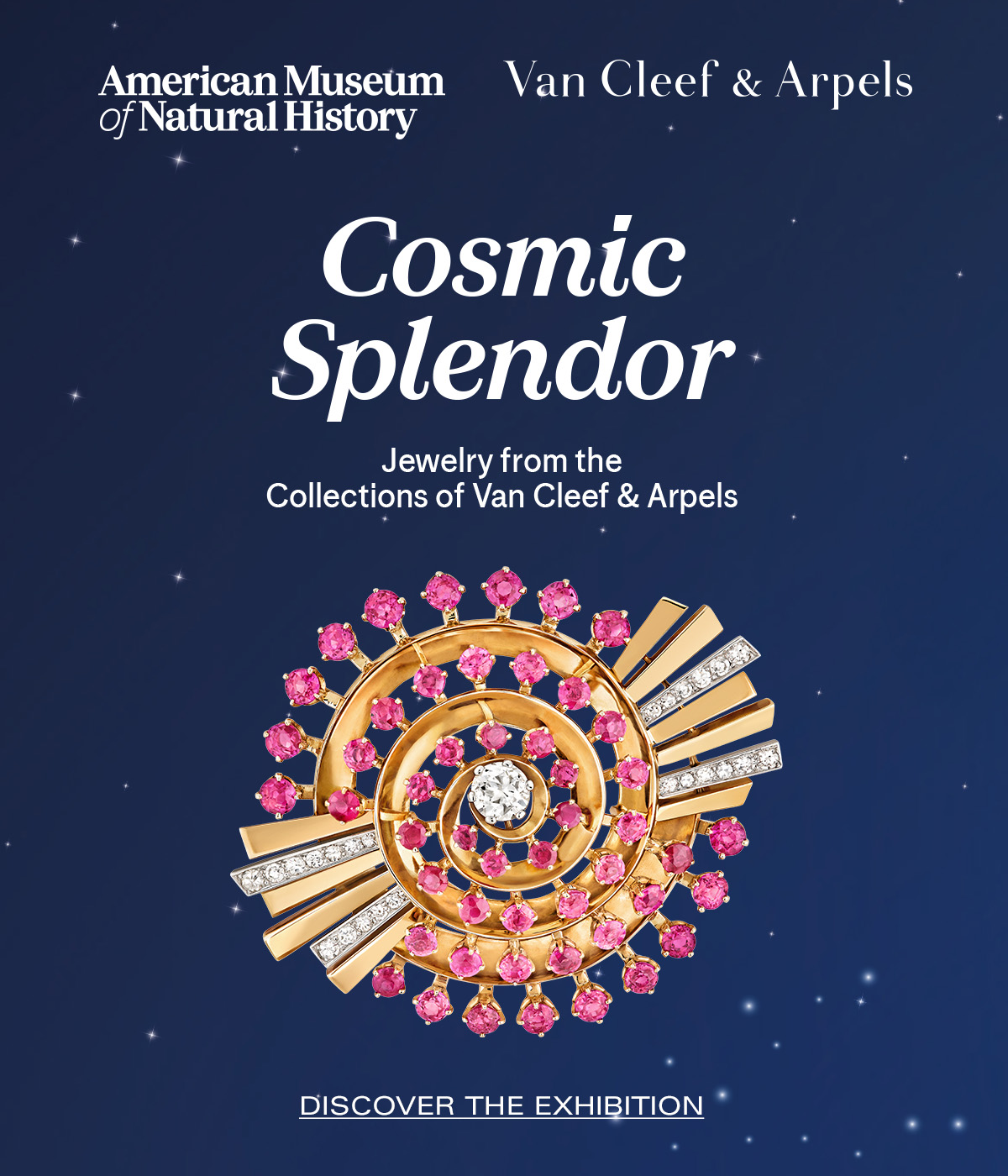
Van Cleef & Arpels invites you to open the doors of wonder with the "Cosmic Splendor: Jewelry from
the Collections of Van Cleef & Arpels" exhibition at the American Museum of Natural History in New York City. Until January 4, 2026, discover the Maison's precious creations, paying tribute to the marvels of the cosmos. |
|
|
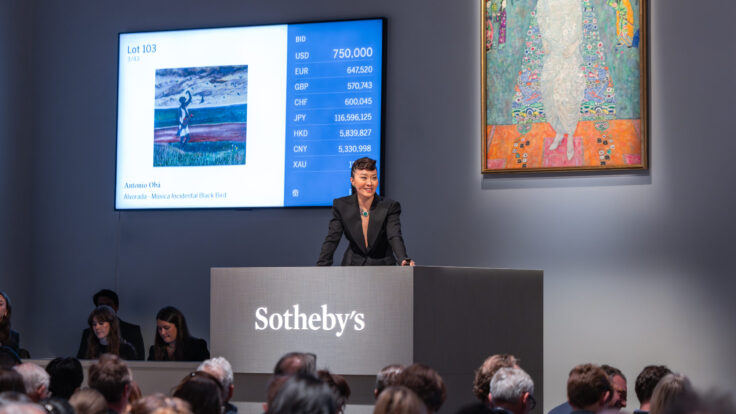
On September 26, Sotheby’s New York will hold a single-owner midseason sale of works
from the Lichtenstein estate, with a presale estimate of $14.5 million, and then sell a few additional lots in Hong Kong on September 28. Altogether, these will amount to an additional 96 lots from the family put on the market. If this sale continues the pattern of strong results, it will reinforce a clear message: Demand for Lichtenstein is deep and steady, and should be anchoring confidence in the broader market.
The timing could not be better. In part to commemorate a large gift of 400
works of studio material, made in 2018, that established the Roy Lichtenstein Study Collection, the Whitney is holding a retrospective of the pop artist’s work and career next year. Such shows don’t always drive artists’ markets, but when the material comes straight from the studio or the artist’s own holdings, collectors sit up and pay attention—especially in this single-owner sale, in which many of the lots are estimated at prices under $50,000.
And Sotheby’s hopes these lower estimates
can entice younger buyers who might want something with real historical heft as well as contemporary cool. Pop art has been enjoying a slow-moving revival over the last decade, which gives Lichtenstein an appeal that’s both nostalgic and trendy. According to Sotheby’s, the number of under-30 buyers in the contemporary art sales has doubled in the first half of 2025 after exponential growth from 2019 to 2024. Naturally, the number of actual buyers we’re talking about remains unclear, but my guess
is not huge. Still, new young buyers are a good thing, no matter how many there are. |
Rebuilding From the Ground
Up
|
Instead of dumping the works on the market—or offloading them to a dealer by taking a
significant haircut called a blockage discount—the heirs and the auction house have worked together to offer the works at enticing estimates. The strategy has spurred a virtuous cycle: drawing buyers, demonstrating market strength, and broadening interest in Lichtenstein from collectors who may have overlooked him previously.
The broader market context supports this strategy. Lichtenstein’s auction peak came in 2015, per our friends at ARTDAI, when 55 works brought in just over $200
million after six years of mostly rising sales. Since then, the artist’s market has been consistently lower and fairly flat, with a sharp dip in 2022 followed by a slow rebuilding. So far this year, just shy of $78 million in Lichtenstein’s art has been sold at auction, and the estate material, along with just one or two more significant works, could push the auction volumes to, or even above, the top of the past decade’s range—all on the strength of lower-priced works. |
|
|
In fact, the Lichtenstein market—and, perhaps, the broader art market—is being
rebuilt from the ground up. The surge in lower-priced works—340 Lichtenstein lots sold in 2023, a record that could be eclipsed this year—suggests a broad base of activity. Stronger prices for works on paper and multiples should eventually ripple upwards, prompting a recalibration for more substantial sculptures and paintings.
Some of those higher-value works are already being tested. The star lot in the Hong Kong sale is a landscape painting from 1996, Vista with Bridge, which
is estimated at HK$28 million or $3.5 million. That compares to a similar work from the same year that sold in 2019 for $6.5 million, and one in vertical format sold in 2016 for $4.5 million. Also on offer: Wimpy I, from 1988, is one of the first Reflections paintings that Lichtenstein made; its $1 million estimate is a fraction of the $10-million-plus prices that others from the series have achieved. In the May sale, Reflections: Art was offered at $4 million and sold
for nearly $5.5 million.
Other highlights include Interior (Study) from 1991, a mock-up with taped images showing how Lichtenstein built his compositions, estimated at $700,000. A similar work depicting the Oval Office was estimated at $1 million in November, but sold for $4.2 million. Colored pencil sketches, another method the artist used to work out his ideas, are also on offer: Nude with Bust (Study), from 1995, is estimated at $400,000, and Slam, from 1989,
at $100,000.
It would be foolish to extrapolate too much from the success of the Lichtenstein estate works. A large supply of lower-priced but decent-quality works from the estate of an artist with real global name recognition is hard to come by. We can’t look to replicate this success as a strategy for solving the market’s sense of woe. But, like the Chagall estate works being sold over time at Christie’s, the auction pops that these works can generate create a sense of
market well-being that might further translate into interest and attention. Rebuilding a market takes time and happens in unexpected and out-of-the-way places—then it bursts out into the open. We’re not yet at the bursting stage. But we may be getting closer. |
That’s all for today. I’ll see you in the Inner Circle tomorrow.
M |
|
|
The ultimate fashion industry bible, offering incisive reportage on all aspects of the business and its biggest
players. Anchored by preeminent fashion journalist Lauren Sherman, Line Sheet also features veteran reporter Rachel Strugatz, who delivers unparalleled intel on what’s happening in the beauty industry, and Sarah Shapiro, a longtime retail strategist who writes about e-commerce, brick-and-mortar, D.T.C., and more. |
|
|
Finally, a media podcast about what’s actually happening in the media—not the oversanitized,
legal-and-standards-approved version you read online. Join Dylan Byers, Puck’s veteran media reporter, as he sits down with TV personalities, moguls, pundits, and industry executives for raw, honest, sometimes salacious conversations about the business of media and its biggest egos. New episodes publish every Tuesday and Friday. |
|
|
Need help? Review our FAQ page or contact us for assistance. For brand partnerships, email ads@puck.news. You received this email because you signed up to receive emails from Puck, or as part of your Puck account associated with {{customer.email}}. To stop receiving this newsletter and/or manage all your email preferences, click here. |
Puck is published by Heat Media LLC. 107 Greenwich St, New York, NY 10006
|
|
|
|