{{ 'now' | timezone: 'America/New_York' | date: '%b %d, %Y' }} |
|
|
|
Hi, and welcome to Line Sheet. I tried on the Alaïa jeans. I recommend the
bootcut.
Whatever mental break we got post–Fashion Month is over. Today, as LVMH revealed its financial results for 1Q2026—where organic sales were down 2 percent in the fashion and leather goods group—I read in between the lines of the report, and also ask an important question: Does Louis Vuitton need a creative shake-up? Up top, I’ve got the scoop on an unorthodox new brand straight outta Los
Angeles (by way of Milan), some clarity on the Dolce & Gabbana situation (Cantino!), and a question about the future of Nina Ricci.
Tomorrow on Fashion People, my guest is Brenda Weischer, a.k.a. Brenda Hashtag, the journalist-influencer and fashion editor-at-large at 032c. We chat about Coachella stage style, Met Gala
tech bros, Devil Wears Prada mania, Salone, what people are buying in Hong Kong (hint: Chanel), and plenty more. Listen here and here.
Mentioned in this issue: LVMH, Louis Vuitton, Brian Woo,
Oxblood, Justin Bieber, Zoë Kravitz, the Spiegel catalogue, Stefano Cantino, Puig, Nina Ricci, Jose Manuel Albesa, Dior, Jonathan Anderson, Aimé Leon Dore truthers, Pietro Beccari, Nicolas Ghesquière, Matthieu
Blazy, Chanel, Kering, Rachel Comey, Milan Design Week, and many more… |
Three Things You Should Know…
|
-
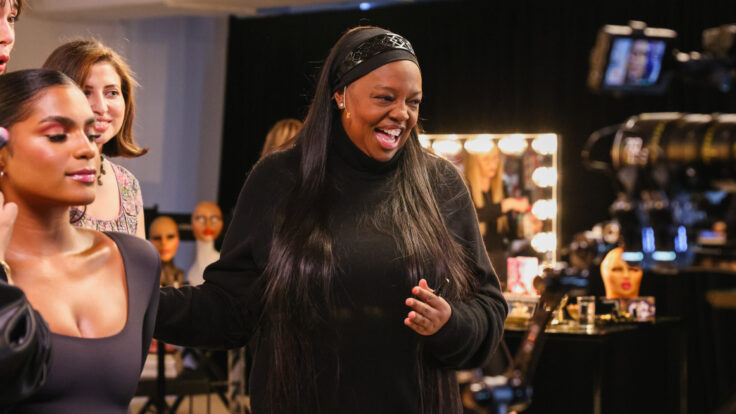
Dr. Woo-do: Brian Woo, the Hollywood-based tattoo artist credited with working on Justin Bieber, Zoë Kravitz, and more-minor celebrities like Pretty Little Liars’ Lucy Hale, is launching a brand-brand called Oxblood. The collection is a partnership with designer Giulia Luchi, the late
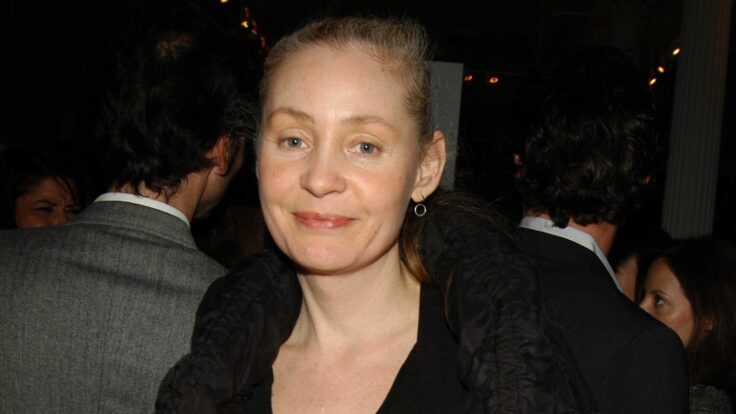
Virgil Abloh’s longtime head of product at Off-White. (And wife of Golden Goose C.E.O. Silvio Campara, who I’m told is financing the venture.) It’ll launch next week during the Salone del Mobile design fair with jewelry and collectible objects.
This isn’t the first time that Woo, who refuses to publish his tattoo studio address and works only by referral, has ventured into products. Peak pandemic, he launched a tattoo
aftercare line. But the partnership with Luchi, a Milan fashion fixture, and hard launch at Salone suggest a good deal of ambition around this project, which I suspect will line up aesthetically with his sprawling, fine-handed tattoo style. A rep for Woo declined to comment.
|
|
|
|
A MESSAGE FROM OUR SPONSOR |
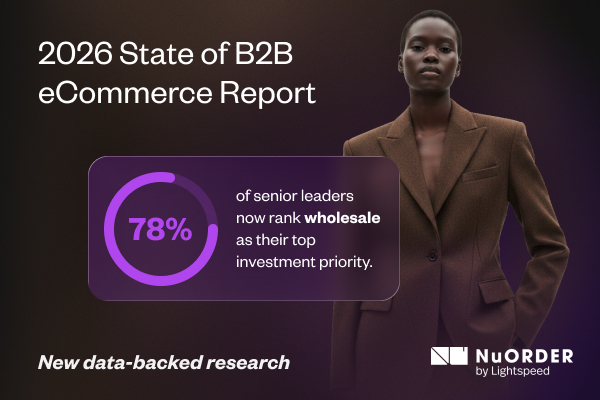
Once just another sales channel, wholesale has become a strategic engine for sustainable growth. The 7th edition of
NuORDER’s State of B2B eCommerce Report shows why 2026 is a turning point from reactive uncertainty to operational discipline. According to a survey of 200 brands, the shift is real. They are focusing on margin protection, tighter distribution, and more intentional partnerships, with 67% now using sell-through data and 78% doubling down on wholesale as their top investment.
Download the full report. |
|
|
|
-
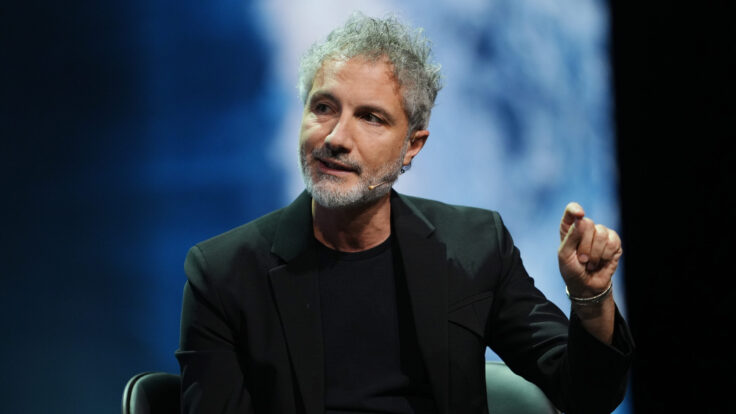
Cantino, finally: This morning, a rep for Dolce & Gabbana cleared up at least some confusion by announcing that our boy Stefano Cantino, the former C.E.O. of Gucci, has been named co-C.E.O. of the Italian house, alongside Alfonso Dolce, who will also remain chairman. The release noted that Cantino’s appointment was
driven by the company’s “evolution of its organizational model from a Fashion Brand to a Lifestyle Company.” Great. Now, all they have to do is figure out how to manage their debt and the persnickety Stefano Gabbana issue.
On Friday, as you recall, Gabbana announced that he would be stepping away from the business operations, but not from
creative direction. Bloomberg reported that he’s looking to sell his 40 percent stake in the business. I reported that he hasn’t really been around these past few months, according to people
inside the company. (Dubai!) Hopefully the appointment of Cantino indicates that Alfonso and his brother, co-founder Domenico Dolce, are eager to modernize the operations and effectively scale Dolce & Gabbana—after concocting a plan to service the debt, of course. Meanwhile, there are so many good Dolce dresses on The RealReal, including this one,
this one, and this one. - What should Puig do about Nina Ricci?: The game of designer musical chairs is never-ending, but right now it mostly concerns B- and C-list fashion houses, many of which produce clothes to effectively credentialize legitimate fragrance businesses. But Spanish conglomerate Puig, which is in the midst of very publicly contemplating a merger with The Estée Lauder Companies, has managed to create strong fashion businesses alongside many of its fragrances.
(In the case of Dries Van Noten, the fashion business already existed when Puig acquired it, and now fragrance is catching up.)
And yet, not all of Puig’s attempts at building out fashion have been successful. Nina Ricci, for instance, has never worked in the nearly 30 years that Puig has owned it. The creative director list since 1998 goes as follows: Nathalie Gervais, James Aguiar, Lars
Nilsson, Olivier Theyskens (never forget!), Peter Copping, Guillaume Henry (damn!), Rushemy Botter (tough), Lisi Herrebrugh (didn’t remember that), and, finally, Harris Reed, who just announced his exit. Why has it never worked? Well, it may be that Puig has consistently and
longitudinally lacked the internal expertise to develop the business. More likely, though, it’s simply not a strong-enough brand, historically, for a revival.
Word around Paris is that Puig may just choose to close the business itself—especially after, in mid-January, “Société Nina Ricci” was removed from the Paris business registrar. I’m loath to draw the
conclusion that it’s over-over, though, since it is possible that the company no longer meets the requirements of a haute couture house, its registration accreditation. I reached out to a rep for Puig to explain exactly why the group removed the company from the registrar. They did not respond to a request for comment. Anyway, if I were Jose Manuel Albesa, the new Puig C.E.O., I would focus on resourcing Duran
Lantink at Jean Paul Gaultier, and let Nina Ricci lie.
|
Now, on to the LVMH earnings… |
|
|
|
Despite slightly missing analyst projections, nothing about LVMH’s latest earnings report
surprised close observers. Eventually, though, something has to be done about Louis Vuitton—the group’s most resilient brand, and also its most at risk long-term. |
|
|
|
It’s always fun to read between the lines of an LVMH earnings report—the company’s size and scope are so
significant that its quarterly performance inevitably reflects a number of macro themes across the fashion, beauty, and spirits businesses. And while today’s Q1 report revealed that the group slightly missed analyst projections, nothing surprised close observers: Customers in China and the U.S. helped offset the impacts of war in the Middle East; champagne saved the wine and spirits group from the continued cognac slowdown (drinking and wartime go hand in hand); and, as always,
customers responded to things that were new—a new collection, a new store—because people love novelty. Meanwhile, organic sales declined 2 percent in fashion and leather goods.
Among its various brands, Louis Vuitton was the most resilient, followed closely by Dior, where a small portion of the product came from still-new creative director Jonathan Anderson. LVMH categorized the Anderson drops—more ready-to-wear, less bags and shoes—as “immensely popular.” The
group does not break out the sales for individual brands, but the way it describes performance often betrays some morsel of information: If Anderson’s Dior product wasn’t selling, they just wouldn’t say anything about it. |
|
|
|
A MESSAGE FROM OUR SPONSOR |
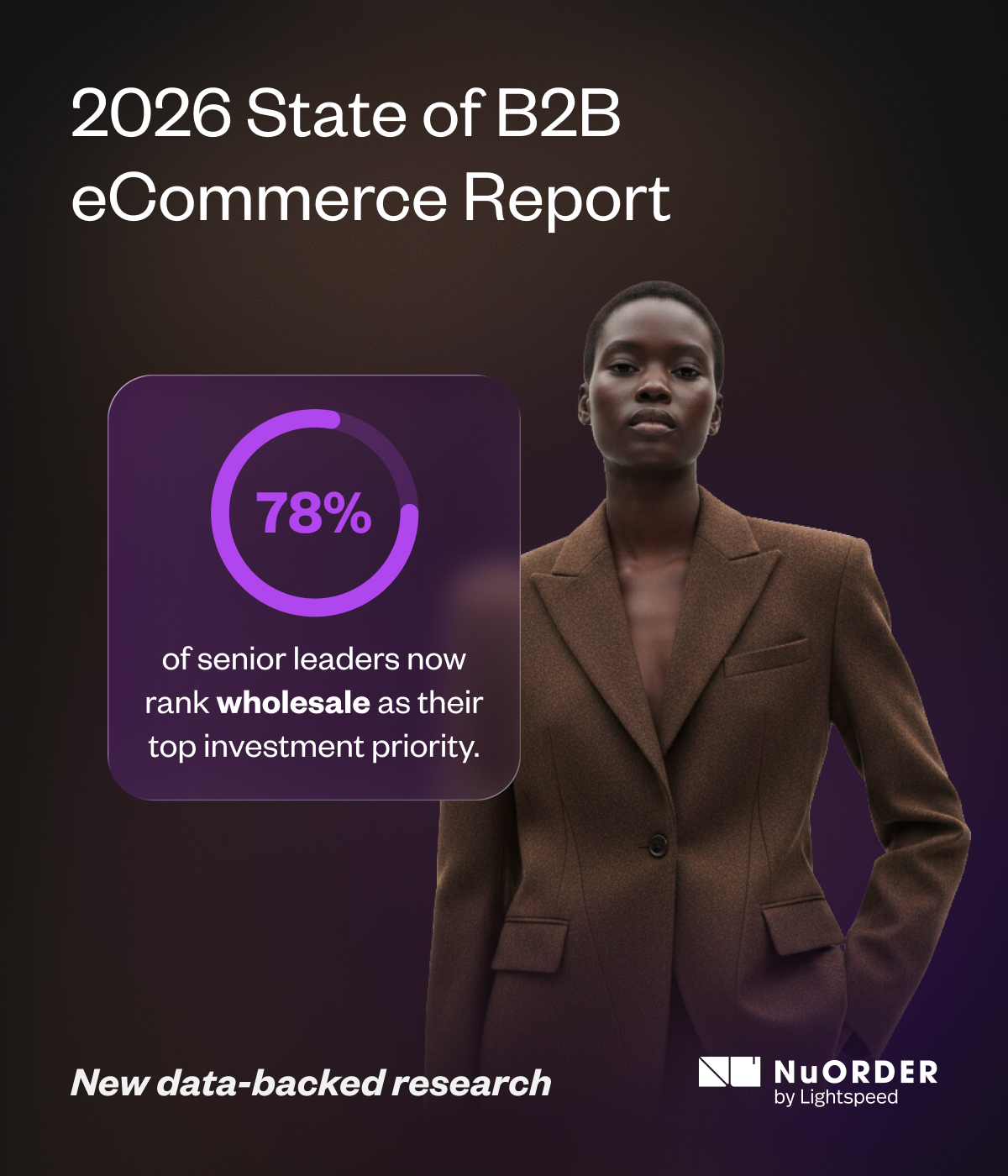
Wholesale growth isn’t the goal anymore. Profit is. According to 200 senior brand leaders, chasing volume is
out. Control is in. In fact, 54% are focused on cost reduction and protecting margins, tightening distribution and choosing partners more deliberately. This disciplined approach to growth protects brand equity as much as revenue. It’s why 78% now rank wholesale as their top investment.
Download the 2026 State of B2B eCommerce Report: Wholesale Reengineered. |
|
|
|
Of course, the challenges associated with the ongoing transformation of consumer behavior cannot be
reconciled in a single quarter. LVMH is doing the right thing by attempting (with mixed results) to make its brands more attractive to consumers spoiled for choice. Dior, naturally, has been the most closely examined bellwether: It was overpumped in its previous iteration, but C.E.O. Delphine Arnault and her chosen-one designer are gradually building it back up. It won’t happen overnight, but I still believe they will succeed.
The more pressing question,
though, is what LVMH should do about Louis Vuitton—its biggest and most stable, but in some ways most at-risk, brand. Unsurprisingly, the powers that be insist everything there is fine. “We need not enter into a collective anxiety about Vuitton,” C.F.O. Cécile Cabanis said on the earnings call. “It’s been leading in the key market for many years; it has always been able to nourish clientele, and is continuing with the best-in-class operating model,
retail product, and creativity. … We are very confident in Vuitton’s ability to continue to improve—no worry about the growth.”
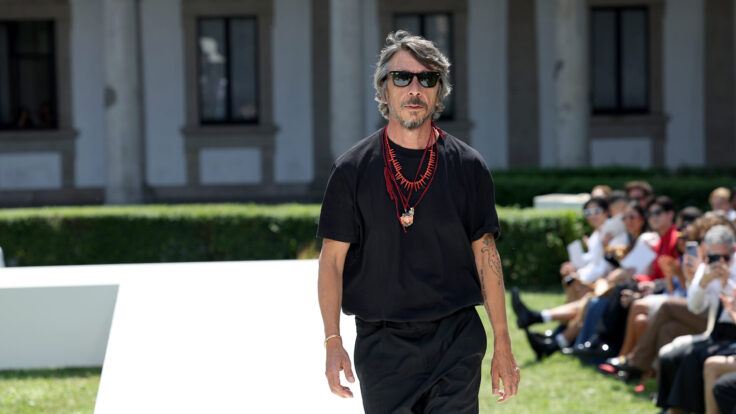
Perhaps Louis Vuitton is LVMH’s Nike—too big to fail, even when times are tough. But there’s also no denying that former Dior C.E.O. Pietro Beccari, who’s helmed Louis Vuitton since 2023, backed the brand into a corner by reissuing the popular Murakami collaboration at the top of 2025, which made it next to
impossible to anniversary the quarter’s sales—retail speak for surpassing the previous year’s revenue figures. Meanwhile, the last collection from womenswear designer Nicolas Ghesquière was widely panned. And Pharrell Williams, the cultural icon who succeeded the late Virgil Abloh as its menswear designer, has not been able to connect as closely with the consumer as his
predecessor.
None of that matters if the core business is doing gangbusters—Louis Vuitton’s key driver is leather goods, not fashion, even if it sells billions of dollars of clothes each year. However, its issues have been compounded by the rise of online secondhand (a particular vulnerability for Louis Vuitton), where the selection is deep and the prices are reasonable, which has made buying new items feel less necessary for younger customers, many of whom historically sought out Louis
Vuitton as their first luxury purchase. |
From Long Island to Shanghai
|
The challenges at Louis Vuitton have been thrown into relief by the ascent of Matthieu
Blazy’s Chanel. In 2024, Chanel’s sales were over $18 billion and Louis Vuitton’s were over $25 billion; that gap will almost certainly narrow in 2026, following the success of Blazy’s first collection at retail. There’s a world in which Chanel surpasses Louis Vuitton as the biggest luxury brand in existence in terms of annual sales.
And yet, as high-level executives at either brand will tell you, Chanel’s success is good for the industry as a whole. After all, they share
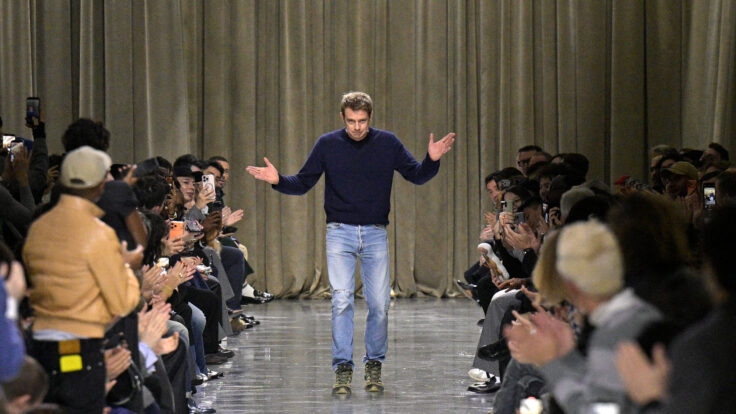
more than just Peter Marino. More than anything, however, Blazy’s appointment has demonstrated that the right creative-director change can make a difference, even if the brand was already performing well. Sure, decades of work from Coco Chanel left the label with the strongest aesthetic codes of any house. But in his relatively short tenure, Blazy has made Chanel essential to consumers from Long Island to Shanghai—something
Virginie Viard never quite figured out. |
|
|
|
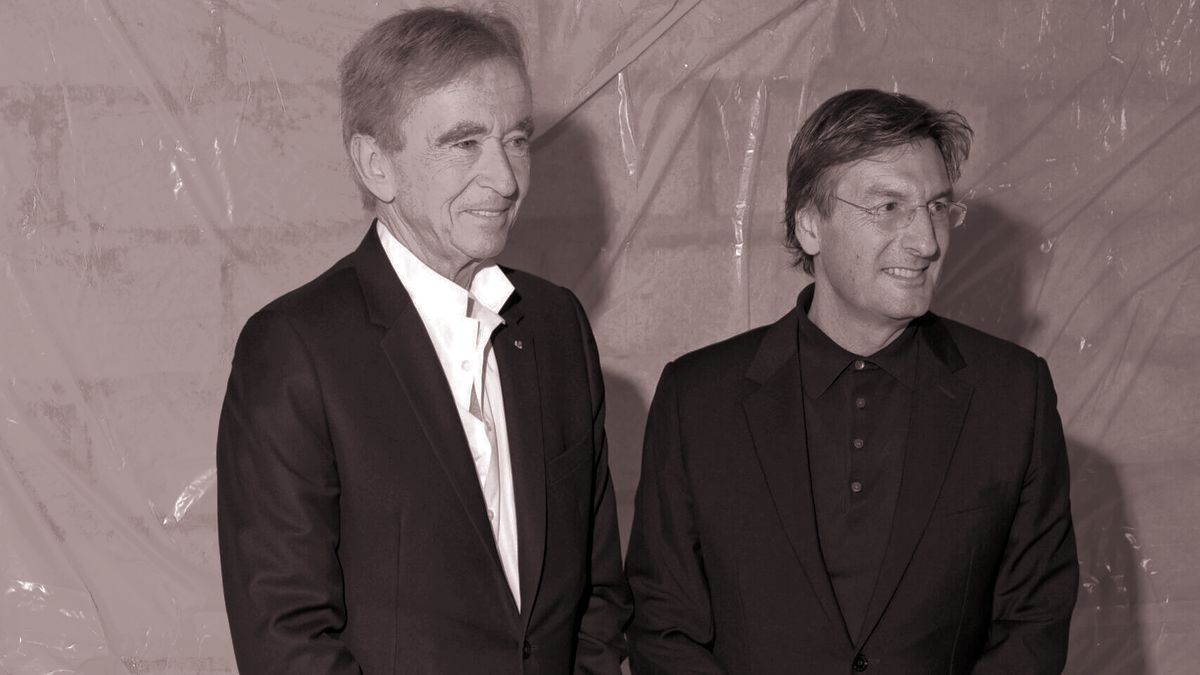
It’s time for a similar change at Louis Vuitton, but how would it materialize? Beccari’s expected successor,
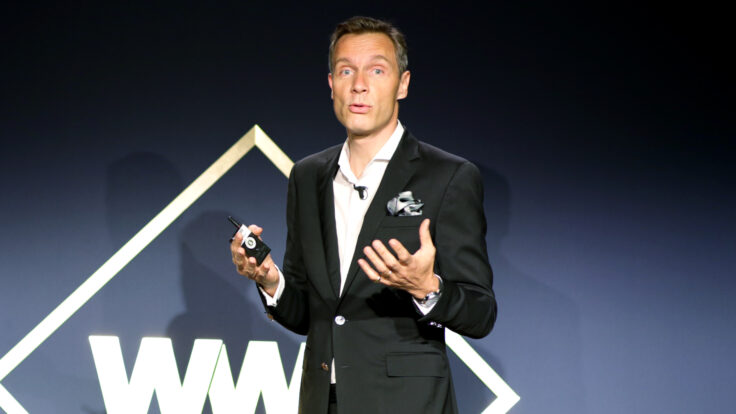
current deputy C.E.O. Damien Bertrand, will be the one overseeing any transition. But these things rarely happen expeditiously. Pharrell has been at Louis Vuitton for only three years, and they’ll probably try to make it work for a while longer, given his cultural currency and collaborative qualities. In womenswear, though, an opportunity might arrive sooner, although it’s not clear who would replace Ghesquière, whose contract is up in 2028. (Despite all the
criticisms, he knows how to play the game, charming everyone from the first lady of France to Hollywood royalty.) There was once a dream among certain LVMH executives, and educated consumers, that Jonathan Anderson would take it all over. Obviously, he’s occupied elsewhere. |
My friend and life guru, Max Stein, is hiring a talent manager for his
firm, Brigade. You should apply! [LinkedIn]
My friend (but definitely not my life guru) Chris Black is hosting a pop-up to launch the spring collection of his normal-guy brand, Hanover, in Los Angeles at Castle Gallery from April 16 to 18. Go try on the jeans; there is a new fit called the Wander (a little wider, great if you like the Our Legacy Third Cut but want to
spend less and buy Made in America). There will also be new long-sleeve polos, zip hoodies, and boxers. [Instagram]
I wish I had something more to say about Amy Chozick’s Lauren Sánchez profile but… I don’t. [N.Y.
Times]
Kering shares fell after Morgan Stanley cut its rating. [Investing.com]
Congrats to Rachel Comey for 25 years in the business. [Vogue]
I hope that whoever gets the T magazine job will keep the T List newsletter, which is truly great. In this issue, British fashion designer Matthew Williamson—he was sort of the Todd Oldham of London—has opened a shop in Majorca. Meanwhile, our countryside queen Amanda Brooks and antique collector Paula Rubenstein have
collaborated on a range of pillows made with vintage fabrics. [T magazine]
I thought this was already official, but Pedro Pascal is now a Chanel ambassador. [The Hollywood
Reporter]
James Wolcott is appalled by Anna Wintour’s Devil dalliance. [Air Mail]
I love the Nadia Lee Cohen–shot Saint Laurent campaign starring Hailey Bieber.
[Instagram]
Bridget Foley loves thinking about the Spiegel catalogue as much as I do! [Town & Country]
Charlotte Chesnais opened a
store in Tokyo. As much as I don’t really love being in Tokyo (it’s a choice), it might be worth you visiting to see all the great stores that have popped up in recent years, including Lemaire and Bode. There’s also a new Marco Zanini x Arts and Science capsule, just saying. [WWD]
Finally, someone at the
paper of record tells the truth about Aimé Leon Dore. [N.Y. Times]
Margherita Maccapani Missoni did a nice guide to Milan Design Week, which feels incredibly overwhelming if you are not comfortable with chaos.
[Mentally Elsewhere] |
Until tomorrow,
Lauren
P.S.: We use affiliate links because we are a business. We may make
a couple bucks off them. |
|
|
|
Puck founding partner Matt Belloni takes you inside the business of Hollywood, using exclusive reporting and insight to explain
the backstories on everything from Marvel movies to the streaming wars. |
|
|
|
The industry’s go-to source for unflinching reporting on the trillion-dollar business of artificial intelligence - perhaps the
single most important technology of our time. Ian Krietzberg, the powerhouse journalist behind The Deep View, delivers twice-weekly insights into the latest dealmaking and breakthroughs in A.I., and how the intersecting worlds of finance, entertainment, media, and politics are being transformed in its wake. |
|
|
|
Need help? Review our
FAQ page or contact us for assistance. For brand partnerships, email ads@puck.news.
You received this email because you signed up to receive emails from Puck, or as part of your Puck account associated with {{customer.email}}. To stop receiving this newsletter and/or manage all your email preferences, click here. |
Puck is published by Heat Media LLC. 107 Greenwich St., New York, NY 10006 |
|
|
|
|