{{ 'now' | timezone: 'America/New_York' | date: '%b %d, %Y' }} |
|
|
Hi, and welcome to Line Sheet. Hope everyone had a great weekend. I spent mine accelerating the
aging process by deepening my tan lines. (As always: Wear sunscreen. I like this one.)
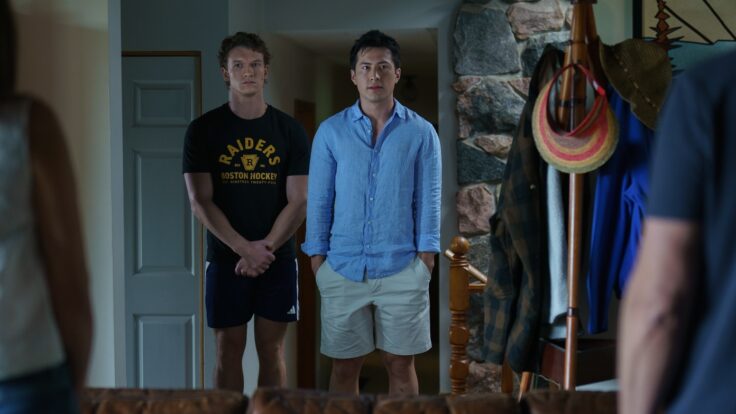
Today, legendary fashion business reporter Teri Agins is back with a look at the utterly transformed market for menswear. This piece emerged from an observation Teri made about the rise of the knit polo—a challenging garment if you are not Glen Powell or Donald
Glover, and yet… it has proliferated.
The polo says so much about where we are with menswear: Despite fashion’s rallying cry that the suit is back, the world is far more casual, even in places like China, where menswear brands were minting money pre-pandemic. Even bankers and lawyers have moved away from suits. And yet, there’s no denying that the market for men’s fashion is bigger than ever, and growing far faster than women’s. Below, Teri looks at how Zegna, Dior, Loro
Piana, Brunello Cucinelli, et al. have adapted to—and benefited from—the new men’s market. Up top, Sarah Shapiro and Bill Cohan keep us informed with the news of the day, and I have one, tiny thing. (I’m back tomorrow, for real.)
Programming note: Tomorrow, on a very special episode of Fashion People, Sarah joins me to discuss the state of the activewear market, from Vuori’s athlete play to the end of leggings. Listen
here and here.
Mentioned in this issue: Giorgio Armani, Richard Gere, Bob Mitchell, Brunello Cucinelli, Zegna, Loro Piana, Mark Zuckerberg, Hugo Boss, Todd
Snyder, J.Crew, Jim Moore, Natalie Massenet, Erik Torstensson, Net-a-Porter, Saks Global, Abercrombie & Fitch, and many more… |
|
|
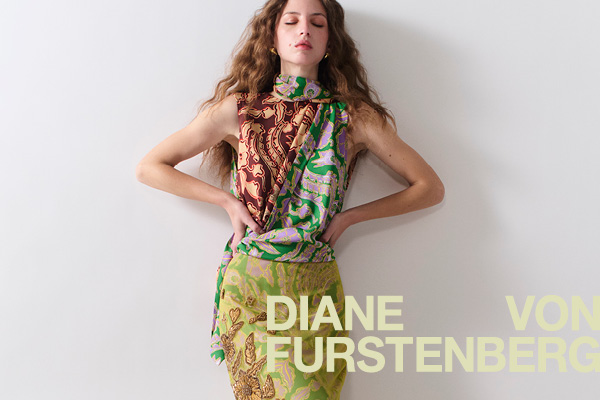
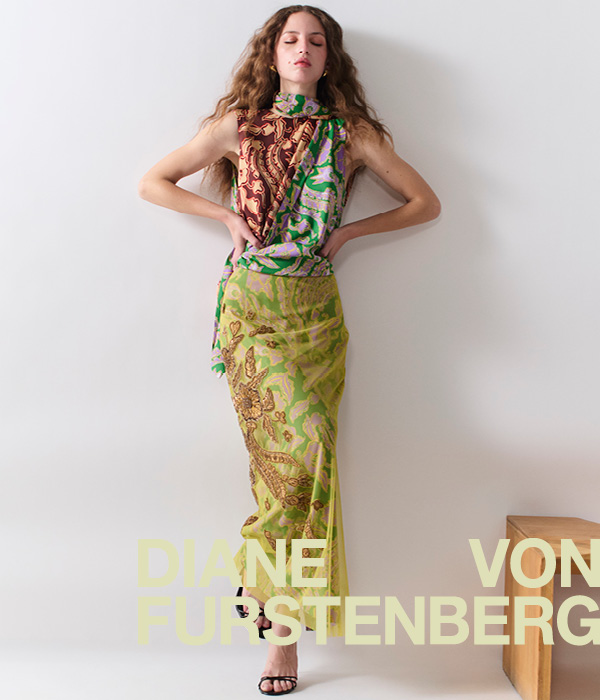
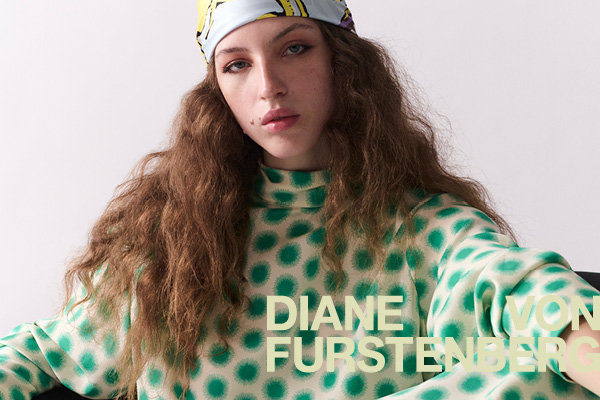
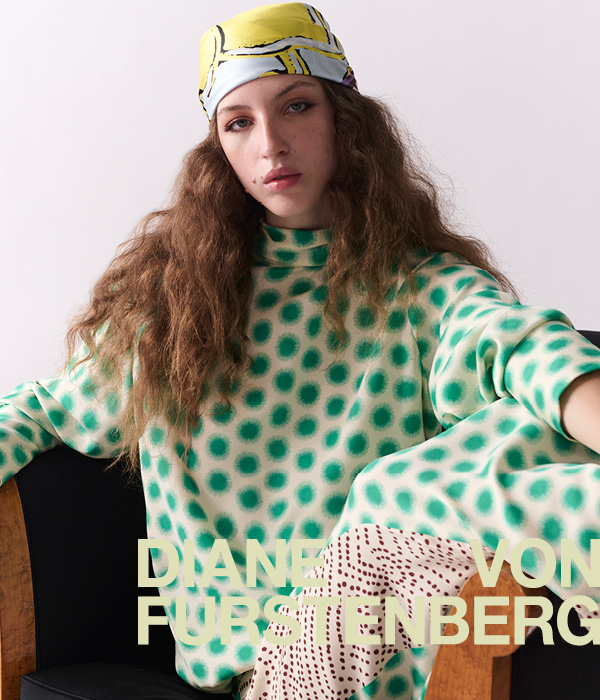
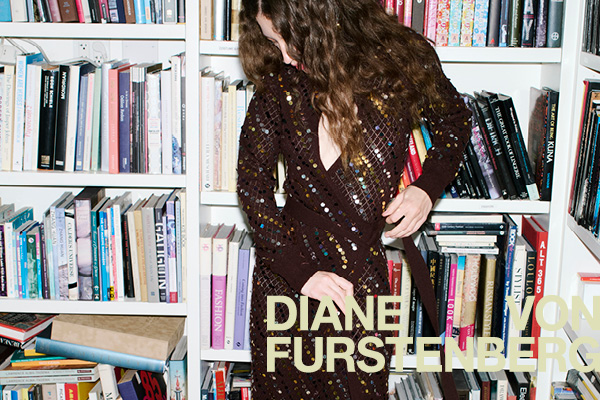
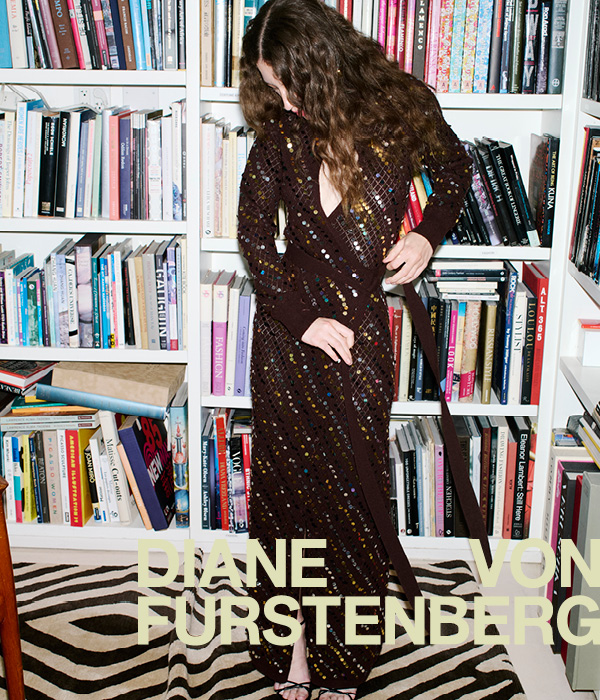
Introducing an exclusive ready-to-wear collaboration with designer Henry Zankov. This bold, multi-dimensional capsule
brings together DVF’s legendary prints and iconic silhouettes with Zankov’s graphic sensibility and modern approach to color and texture. As an alumni of DVF, Zankov brings a deep understanding of DVF’s design codes and storied heritage. The campaign imagines a modern interpretation of Diane von Furstenberg herself - confident, unapologetic, eclectic, and always in motion. Available for pre-order August 27 exclusively with Bergdorf Goodman, and at DVF from September 15. |
|
|
Three Things You Should Know…
|
- A quick note on this Natalie & Erik news: Later this week, I’ll address Net-a-Porter founder Natalie Massenet’s lawsuit against her ex-life partner, Frame co-founder Erik Torstensson, for breach of contract, fraud, and “negligent infliction of emotional distress,” among other things. Meanwhile, feel free to read the court case—it’s very clear and easy to understand—or even check out the classy
Business of Fashion story, which notes that Torstensson has stepped down from his position at Frame.
Naturally there will be a lot more coverage in the coming weeks, especially from the British press, which views Net-a-Porter as a rare U.K. startup success story, and Natalie as one of their own, even though she is U.S.-born. The New York Times is also working on a piece, since the court document makes this fair game for less soapy outlets, too.
Both parties are said to be spending time in the Hamptons right now, and I wouldn’t be surprised if we see a countersuit sooner than later. One thing to remember, though, as your schadenfreude overwhelms you: These people have an 8-year-old child who has to start school in a couple of weeks. This is awful all around. Anyway, more soon.
|
|
|

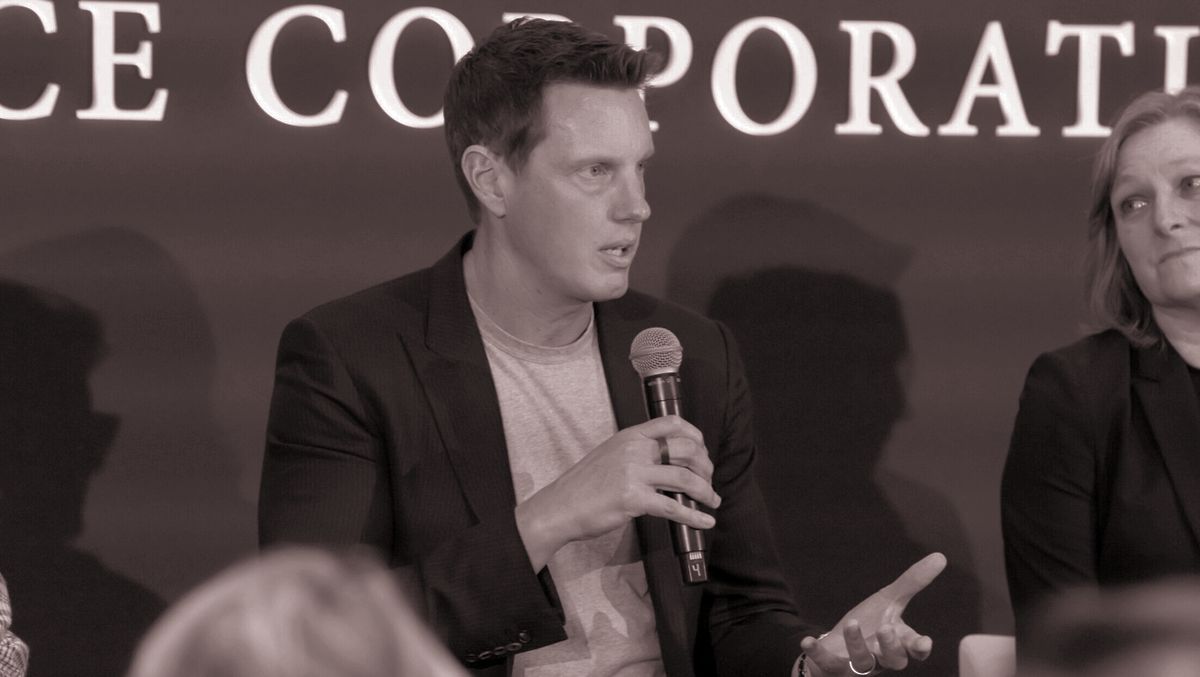
| William D. Cohan
|
|
- The fresh hell at
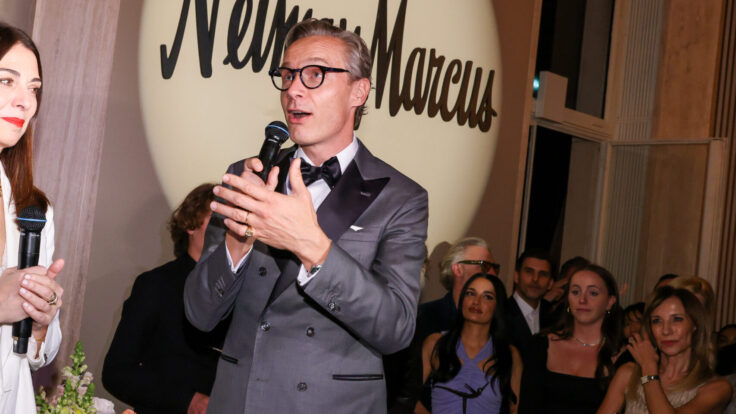
Saks: The woes continue at Saks Global despite its successful bond exchange offer—engineered by the liability management exercise expert David Nemecek at Kirkland & Ellis (the subject of a big Financial Times profile), along with Jamie Baird at PJT Partners—which closed on August 18. According to Sarah Shapiro, Saks laid off another 90 employees last week. I’m told there was a “huge meeting” of Saks’s store managers this past week at the Thompson Hotel in Dallas, where the layoffs and strategic priorities were discussed, followed by dinner for the “upper tier” at the Zodiac restaurant, inside the nearby Neiman Marcus. According to a memo from Saks’s chief commercial officer, Emily Essner, the cuts were “an expected part of the integration process” of Saks and Neiman
Marcus. (Nicole Schoenberg, the senior vice president for communications at Saks Global, declined to elaborate.)
Anyway, one presumes there are more layoffs to come as part of the $600 million in annual cost savings that Saks Global C.E.O. Marc Metrick promised bond investors last December, at the time of the Saks-Neiman closing and the issuance of the $2.2 billion bond. That bond has since been restructured into three new tranches with descending degrees
of security and priority, all maturing in 2029. There are the 11 percent senior secured asset-based notes, the 11 percent senior secured second-out notes, and the 11 percent senior secured third-out notes. They are already trading at pretty big discounts, with the new money bonds trading in the mid 80s, while one of the other new tranches trades at 37 cents on the dollar. Sheesh.
There are still some of the original bonds floating around, which have now been stripped of what few
covenants they ever had, and moved to the bottom of the debt stack—which could result in a wipeout if Saks Global files for bankruptcy. S&P Global downgraded these remaining bonds to “D,” for default, from CC. (The ratings agency considers the exchange offer to be like a default, since the original bonds were gutted, even though Saks made the June interest payment.)
The best hope for these bondholders is that Saks Global continues to make the 11 percent interest payments as they become
due, against all odds, and then pays what’s left of the principal when that becomes due in 2029. The market is skeptical. As of Friday, the original Saks Global bonds were trading at 22 cents on the dollar (a new low) and were yielding 69 percent.
There are still a few boosters out there. In Fortune, Joel Bines, a longtime industry consultant who has worked for Metrick, wrote an opinion piece decrying the cynics and declaring the combination of Saks and Neiman
Marcus to be “one of the most consequential deals of our time,” and “luxury’s last best hope.” Respectfully Joel, what are you smoking?
|
|
|

| Sarah Shapiro
|
|
- Abercrombie plays
ball: Abercrombie & Fitch has scored a multiyear deal as the NFL’s first-ever “official fashion partner,” working with players to co-design limited-edition apparel, and featuring wide receivers Tee Higgins and Amon-Ra St. Brown in a national ad campaign. A&F is targeting the league’s growing female fan base—at this point, nearly half of NFL fans—by positioning the team gear as everyday lifestyle wear. It’s the latest indication of how athleisure has
continued to blur the line between performance apparel and fashion.
|
|
|
And now on to the main event… |
|
|
Men started ditching their pricey suits long before the pandemic, but only now are they
spending serious money on luxury casual wear, led by Loro Piana’s ubiquitous billionaire quarter-zips, polo knits of all varieties, and sportswear cuts for a fitter man of means. |
|
|
It’s been years since men started ditching their power suits, but only recently have they begun reallocating
the big bucks they once spent on dressy suits to peacock in elegant casual clothes. After the pandemic, in 2022, many men (including the Millennial tech set) got to work upgrading their wardrobes and never looked back. That accounts for the consistent uptick in the sales of top-drawer, casual menswear, led by a lofty class of Italian creators of luxurious $400 to $800 knit shirts, $3,400 cashmere zip cardigans, and $1,200 top-quality Japanese denim jeans. |
|
|
Henry Zankov infuses his distinct visual language into the collection with unexpected textures, clashing colors, mixed
prints, and a harmony between urban and natural elements. Elevated fabrics including chiffon, silk and cashmere are at the heart of the collection, brought to life with embellishments like digitally printed sequin, paillettes, and intricate embroidery. Silhouettes are long and loose, invoking a relaxed ease that is inherent to both brands. Shapes borrow from the world of menswear, with subtle wrapping
techniques that nod to DVF’s iconic legacy. Available for pre-order August 27 exclusively with Bergdorf Goodman, and at DVF from
September 15. |
|
|
The surging sales of pricey menswear stands in stark juxtaposition to the women’s luxury market—once starring
$2,500 “It” handbags—which is mired in a sales slump for the second year in a row. In the 2000s accessories boom, women accumulated lots of designer handbags and shoes, which they’re still wearing. (I haven’t bought new high heels in a decade.) Since then, however, there’s little doubt that the women’s luxury market is suffering from fatigue. There’s just no irresistible newness in clothes; that’s why nobody’s buying the pricier versions of what they already have. Not to mention the growing
crowd of women getting cheapo vintage fixes on The RealReal or Etsy.
Meanwhile, luxury menswear is chock-full of sophisticated, elegant novelties—a broader range of colors and patterns to mix and match. “Coming out of Covid, men have been embracing a new way of dressing, and they are continuing to replenish,” said Bob Mitchell, the co-C.E.O. of Mitchells Stores, which has nine upscale stores from Westport to Seattle. “Our business is booming, with menswear sales up in the
high single digits this year. A man starts with pants and a shirt, and then comes the newness that starts with that third piece: It could be a dressy overshirt, or a sport coat, or a knit shirt he wears with jeans. That’s what makes him look updated, and that’s what’s driving the business. Our sport coat business is phenomenal: We’re selling five times as many sport coats as suits to men.” |
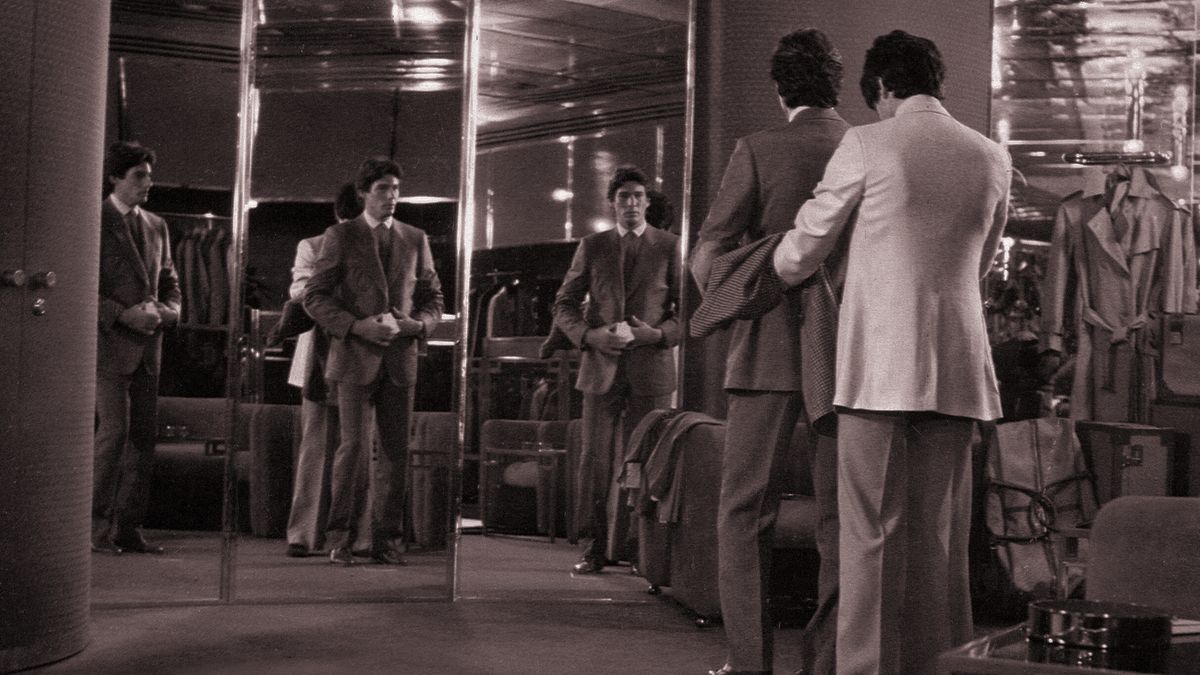
The cyclical nature of fashion harks back to the 1980s in Milan, when Giorgio Armani
revolutionized men’s tailored clothing with a never-seen-before fashion expression: unconstructed suits with ventless jackets, without linings or shoulder pads, in featherweight wools or linens that draped and rumpled gracefully. Armani imparted a relaxed élan that clicked first with stylish men, only to explode with both sexes of all ages, especially after a dashing Richard Gere stole the show in his Armani-designed wardrobe in American Gigolo in
1980.
Once again, leading the way are the creative Italians, the master technicians of modern fabrics and offhand elegance, which they mellifluously call spezzatura. Today’s high-status menswear labels include the kings of cashmere: Zegna, Loro Piana, and Brunello Cucinelli, whose fitted grey cotton and cashmere t-shirts have become a hallmark of Mark Zuckerberg’s style reinvention. |
|
|
As more men sharpen their wardrobes to show off their sculpted bodies, traditional tailored clothing brands
like Hugo Boss and Canali have shifted their focus to sophisticated casual sportswear. Todd Snyder, the current standard-bearer of sharp American style, is drawing moneyed guys who go on head-to-toe shopping sprees at his 23 freestanding signature boutiques. Snyder’s shops are purposely laid out to steer guys to tasteful color and pattern combinations, prompting multiple purchases.
Today’s contemporary casuals have also trickled down to the mainstream to woo jaded
streetwear fans. How about the relaxed, Euro vibe of the multi-pocketed chore jackets, inspired by French workers’ garb, designed into a chic, countrified sport coat? The best designer versions go for four figures, but there are also good-enough doppelgängers under $200 at J.Crew and Bonobos.
There are luxe, five-pocket jeans and cotton casual slacks that can set men back more than $500, and are neither super skinny nor wide-legged. But marketers know that hip guys won’t cotton to
oversize cuts or boxy jackets anymore. “What’s different about the fit today is that designers, and men, have realized that slimmer is what you can wear,” said Jim Moore, the venerable former GQ creative director turned style guru and consultant. “Slimmer is the secret sauce of how the Italians get dressed,” Moore continued. “Guys want suits that are sexy. An Italian armhole is higher; a jacket is carved-in—which gives the illusion of shape, even to guys
with a slight potbelly.” |
Until tomorrow,
Lauren
P.S.: We use affiliate links because we are a business. We may make
a couple bucks off them. |
|
|
Puck’s daily art market email, anchored by industry expert Marion Maneker, offers unparalleled access to the mega-auctions and
galleries, elite buyers and sellers, and the power players who run this opaque world. Wall Power also features Julie Brener Davich, a veteran of Christie’s and Sotheby’s, who provides unique insights into how the business really works. |
|
|
Puck sports correspondent John Ourand and a rotating cast of industry insiders take you inside the executive suites and owners
boxes where the decisions that shape the entire sports business are made. You’ll hear interviews with players, network execs, and everyone in between. The Varsity is an extension of John’s private email for Puck by the same name. New episodes publish every Wednesday and Sunday. |
|
|
Need help? Review our FAQ page or contact us for assistance. For brand partnerships, email ads@puck.news. You received this email because you signed up to receive emails from Puck, or as part of your Puck account associated with {{customer.email}}. To stop receiving this newsletter and/or manage all your email preferences, click here. |
Puck is published by Heat Media LLC. 107 Greenwich St, New York, NY 10006 |
|
|
|