{{ 'now' | timezone: 'America/New_York' | date: '%b %d, %Y' }} |
|
|
Hi, and welcome to Line Sheet. It’s a federal holiday in the U.S., but this email is open for
business. I tried to keep things light for those of you observing, and interesting for those who aren’t. (I love all my Euros.)
In today’s issue, I have a quick review of Netflix’s Victoria Beckham doc, and some constructive feedback on Matthieu Blazy’s first Chanel collection. (A lot of you were upset that I liked it so much. I’m sorry, but the heart wants what the heart wants.) For the main event, a postmortem on the NikeSkims launch,
and what it means for both companies.
Programming note: Tomorrow on Fashion People, my guests are Laura Brown and Kristina O’Neill, co-authors of All the Cool Girls Get Fired: How to Let Go of Being Let Go and Come Back on Top. Naturally, we discussed their respective defenestrations. (Laura
got the ax before Line Sheet existed, so she was spared from my coverage. Kristina is the goodest sport.) We also got into the V.B. doc, whether fashion hates women, and the existential question: Did you girlboss too close to the sun? Listen
here and here.
Mentioned in this issue: Kim Kardashian, NikeSkims, Tom Sachs, Yeezy, Rick Owens, Vanessa Beecroft, Elliott Hill, Michael
Jordan, Phil Knight, Chanel, Charvet, Matthieu Blazy, Dior, Kering, Luca de Meo, Leena Nair, Sabato De Sarno, Victoria Beckham, and many, many more… |
|
|
A MESSAGE FROM OUR SPONSOR |
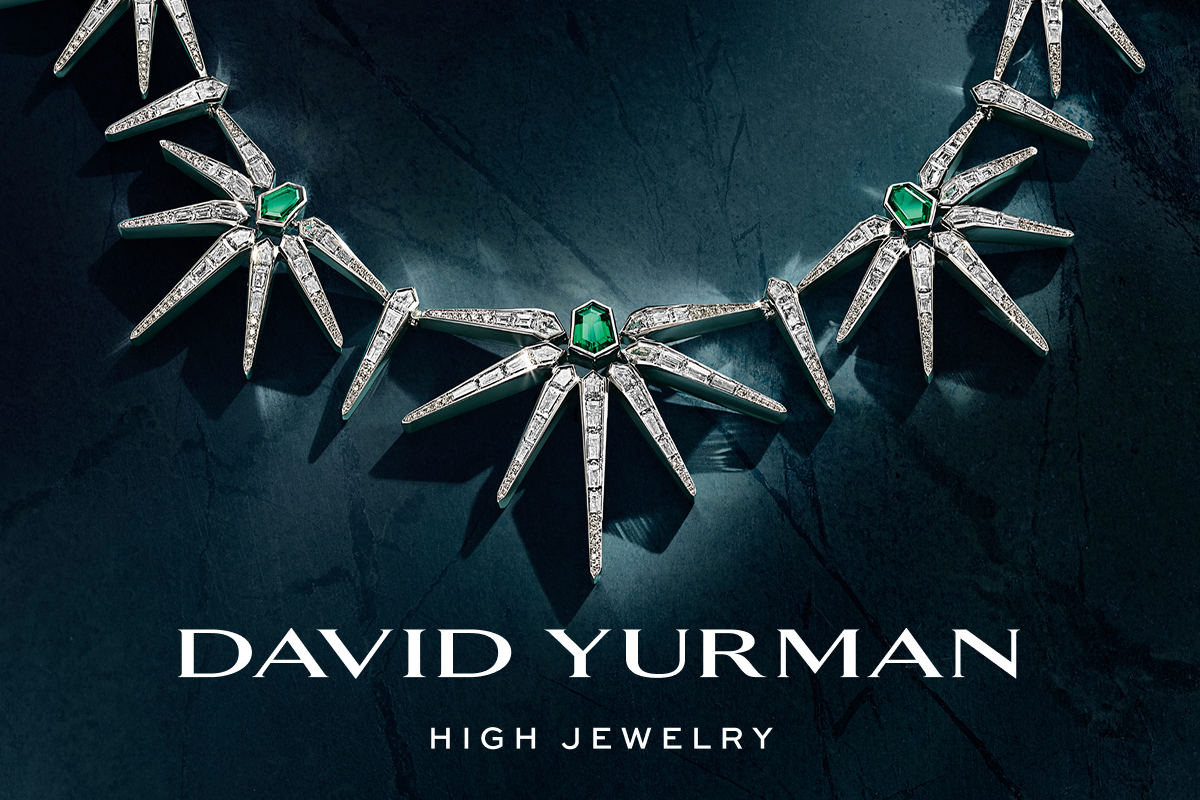
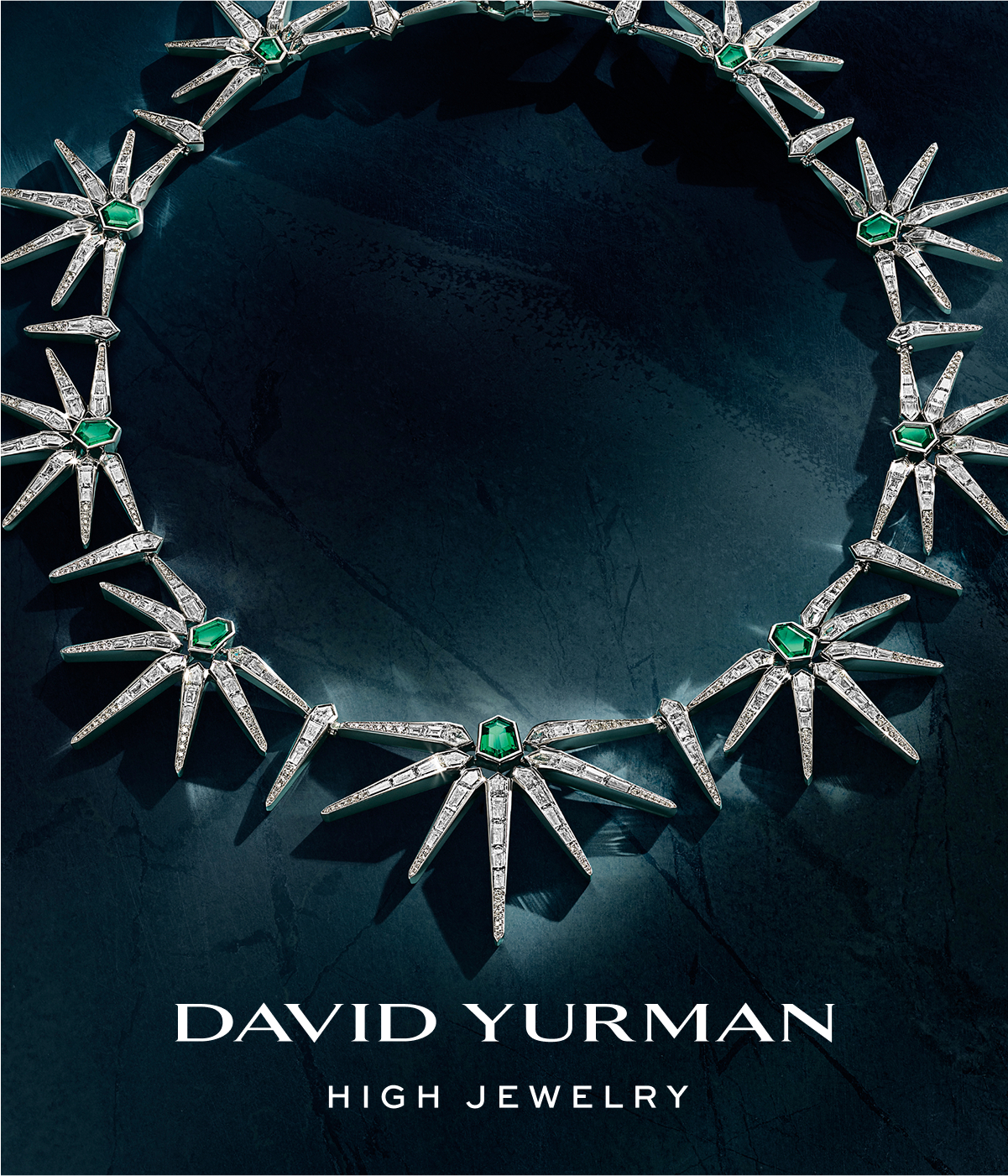
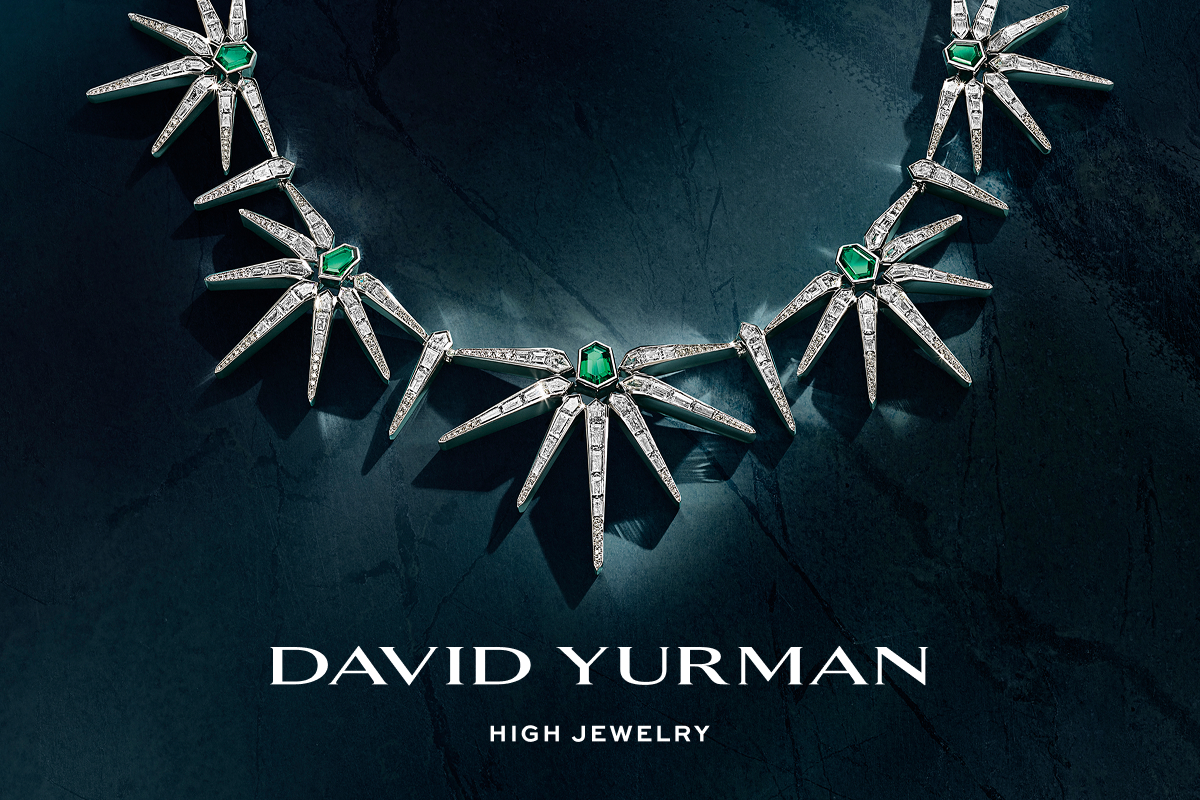
THE ART OF EXCEPTIONAL DESIGN The Liberty High Jewelry collection necklace evokes the spirit of New York City’s iconic skyline. Bespoke-cut diamonds and luminous emeralds are hand-set in white gold, radiating icy perfection like the Statue of Liberty’s crown.
Book a private appointment: concierge@davidyurman.com
EXPLORE DAVID YURMAN |
|
|
Two Things You Should Know…
|
- The
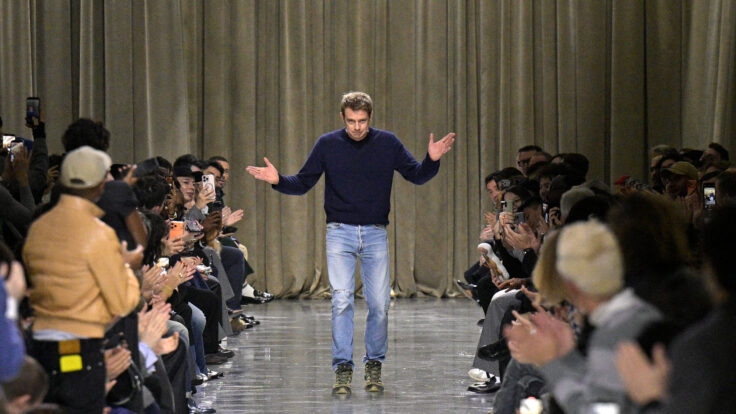
Chanel discourse: I’ve received word that I was too nice about the Chanel show. No surprise that I would like to push back on the pushback: I loved Matthieu Blazy’s debut because his clothes make me feel good, and the Paula Cole/Snap! soundtrack resonated with me given my generational bearing. But the show also addressed the realities of the current fashion business.
Notably, many of the naysayers were European: One prominent imagemaker in Paris called the
show “painful,” while others simply felt it was too close to what Blazy did at Bottega Veneta. Some V.I.C. types argued that the shoes and bags were not as strong as Dior, which had a pieciness—a shirt here, a miniskirt there—that should sell better in Asia, especially China. Another person lamented that they were “absolutely horrified” by the Charvet partnership. Again, I thought it was smart and thoughtful, and if I had unlimited funds, I’d happily pay $4,350 for one of the shirts.
(For those guessing they would be $5k, you win.)
It’s important to have these discussions, and I’m sure they will continue as the product rolls into stores. But unsurprisingly, some of this commentary underappreciated the sea change within the industry. As new Kering C.E.O. Luca de Meo told his team last week, the runway should be driving no more than 20 percent of the business. Kering, in other words, is going back to basics—focusing on selling recurring staples rather
than seasonal collections, which are really intended as the fantasy that fuels the reality. And Chanel, given the infrastructure of the Leena Nair era and the runaway hit of the 25 bag, is entering this cycle from a place of strength. - About that Victoria Beckham documentary: Last night, I watched one and a half episodes of the new Victoria Beckham documentary on Netflix. I would have watched more, but I fell asleep, because I almost
always fall asleep when I start watching anything after 8:30 p.m. Anyway, it’s obviously worth the price of admission for anyone interested in the Beckhams or the fashion industry. There are lots of cameos from names you know, including Vogue’s Mark Holgate, stylist Jane How, and designer Lara Barrio.
However, director Nadia Hallgren, who is cool, does not achieve the same mix of honesty and advertorial
as Beckham doc director Fisher Stevens. Basically, this was a little too polished for me. Lucky for us, Victoria and David are naturally pretty sincere people, so you do get a sense of her process and the importance of her work to her identity. (Over the years, I’ve met plenty of people who have moved in and out of that business, and their experiences have mostly been incredibly positive.)
Viewers will likely wonder about the provenance of
Beckham’s grey t-shirt (online speculation points to this Wardrobe NYC version, but feels like a missed opportunity not to wear her own), and who the “mean” fashion critic is that they are waiting to come preview the collection. (There are only two options.) But it’s the process of selling stuff—product iteration, beauty line reviews—that
captivates. As someone who just attended the Victoria Beckham fashion show in Paris, and decided not to report on it because it was pretty bad, what the documentary reveals, more than anything, is that Victoria has a far bigger business opportunity than she probably realizes. Runway aside, people like the clothes, they love the makeup and skincare, and if there was ever a time to shop the show, it would be this one.
In the doc, Beckham makes it clear that she is still chasing
approval from the broader fashion industry; to be taken seriously as a designer. But what she should focus on is showing off the demand for the product itself, which is far more compelling than any runway show.
|
Now on to the main event… |
|
|
As it turns out, despite the rather anticlimactic debut of one of the
most-hyperventilated-about brand mashups in modern history, Nike recorded its most successful apparel launch ever, at least in dollar terms. The question is, why didn’t it look that way? |
|
|
From the outside, it was nearly impossible to tell how well NikeSkims, the inelegantly named partnership
between two distinctly divergent megabrands of varying scale, actually did when it launched on September 26. After all, the collection arrived in the midst of all the designer runway debuts, and Nike had two other launches that same week: the return of Tom Sachs after his sorta cancellation, and the debut of Jacquemus’s moon shoe. Meanwhile, evaluating online chatter and sentiment can be a fool’s errand, and selling out of stock is often merely an indication that merchants
miscalculated how something would actually perform. (Some trendier NikeSkims styles sold out, but most remained available to purchase, at least online.)
And yet, according to sources with firsthand knowledge of the numbers, this was the most successful apparel launch in the history of Nike—for both men’s and women’s—in dollar terms. (Reps for Skims and Nike declined to comment.) But it hardly felt like a smash hit because the base layers were designed to never sell out. (If you
can’t find basic black leggings at Lululemon, you’re not going back. Same goes for NikeSkims.) |
|
|
A MESSAGE FROM OUR SPONSOR |
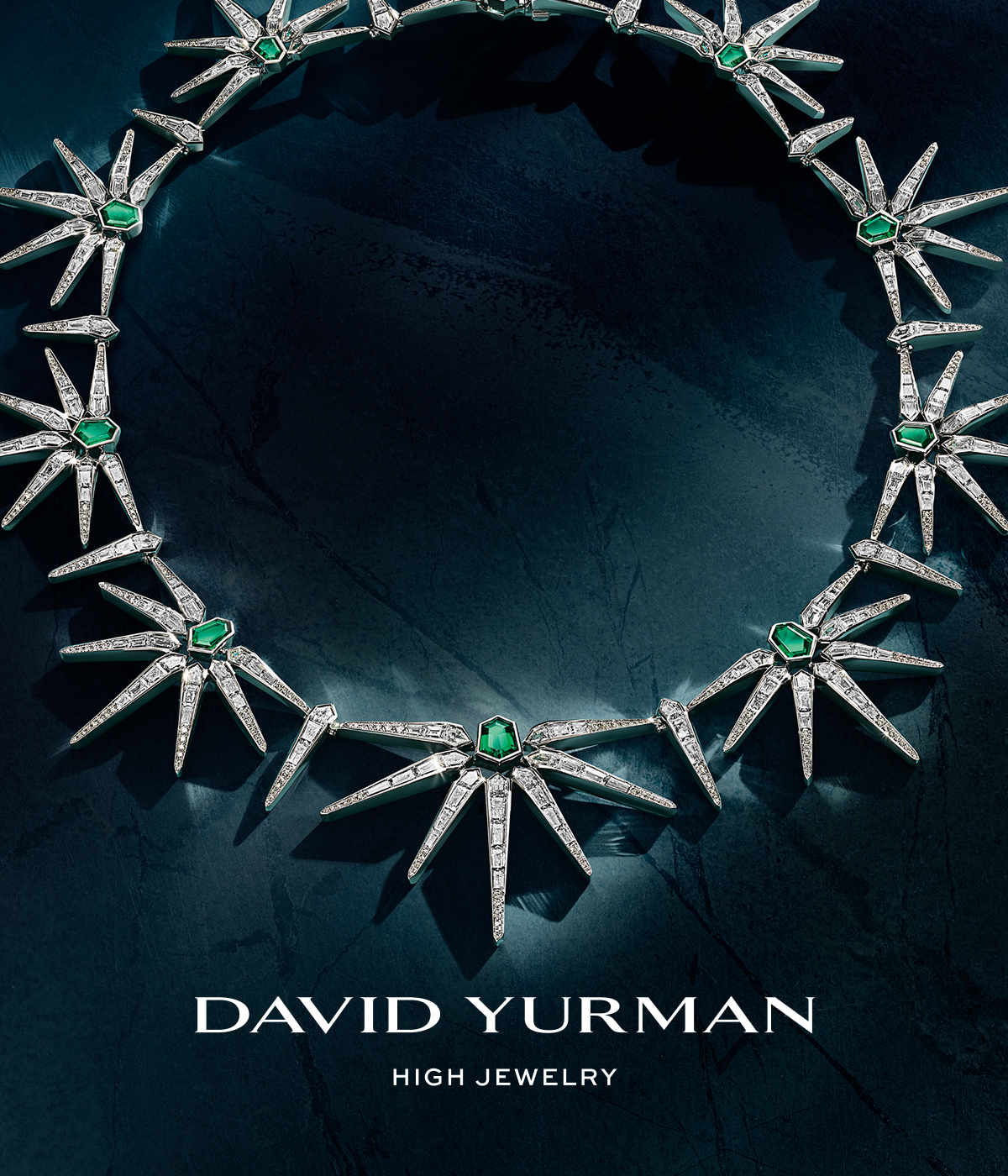
THE ART OF EXCEPTIONAL DESIGN The Liberty High Jewelry collection necklace evokes the spirit of New York City’s iconic skyline. Bespoke-cut diamonds and luminous emeralds are hand-set in white gold, radiating icy perfection like the Statue of Liberty’s crown.
Book a private appointment: concierge@davidyurman.com
EXPLORE DAVID YURMAN |
|
|
I’ve spoken with many people on both sides, and for the most part, they’re enthusiastic and relieved—albeit a
tad anxious—since this is still the very beginning. Maybe customers are still trying things out and getting a feel for how to wear them. And perhaps the clothes are great if you want to look hot. But you could argue that the materials are not in line with where the market for activewear is moving—toward something soft and loose. (As I understand it, the thinking was to launch with Nike’s performance-driven approach; upcoming drops will feature a greater number of more-relaxed
garments.)
The good news, though, is that the idea was clearly defined, with a foundational core collection and additive seasonal pieces. The launch campaign was gorgeous, and in some ways even powerful. But there were learnings on both ends: One is that the two companies are competing for dollars. I don’t have all the details, but I know that, essentially, Nike gets the revenue on the products it sells through its channels, while Skims gets the revenue on the products
it sells through its channels. There’s also a bilateral loyalty agreement, but Skims, of course, simply cannot compete with the number of unique views Nike.com receives.
If NikeSkims becomes the next Jordan, all those minor annoyances will wash away. To me, the bigger issue is one of plain aesthetics. The whole Vanessa Beecroft/Rick Owens/Yeezy concept, which Skims sterilized for the masses, is no longer in fashion. The colors of the collection
(aubergine, brown, and black) were seductive, but much of the overall concept feels out of step with the visuals of this time, which have moved into a messier, less manicured territory. Both Nike and the Kardashians built their brands by fomenting culture. It doesn’t appear, for now, like NikeSkims is achieving that. |
For Nike, the lesson may be that the company didn’t need to chase the Jordan magic to better serve women in
the activewear market. Sometimes, very public and high-stakes projects only distract management and design teams from solving simpler business challenges, such as outfitting the reformer class attendee. Would current C.E.O. Elliott Hill, who arrived at Nike after the deal was forged, have greenlit this project? His attempts to return the company to its traditional distribution formula, reignite vendor relationships, and focus on performance suggest the opposite—that his
Nike would have preferred to build from within rather than solicit the Kardashian spotlight.
Anyway, it’s too late for second-guessing. Nike and Skims each have to make this work for their own reasons. And with renewed emphasis on the highly anticipated sneaker—if it’s good, it really could take off—there’s a decision to be made about what role Kim Kardashian, and her evolving persona, will play in the development of the line.
There’s no denying that
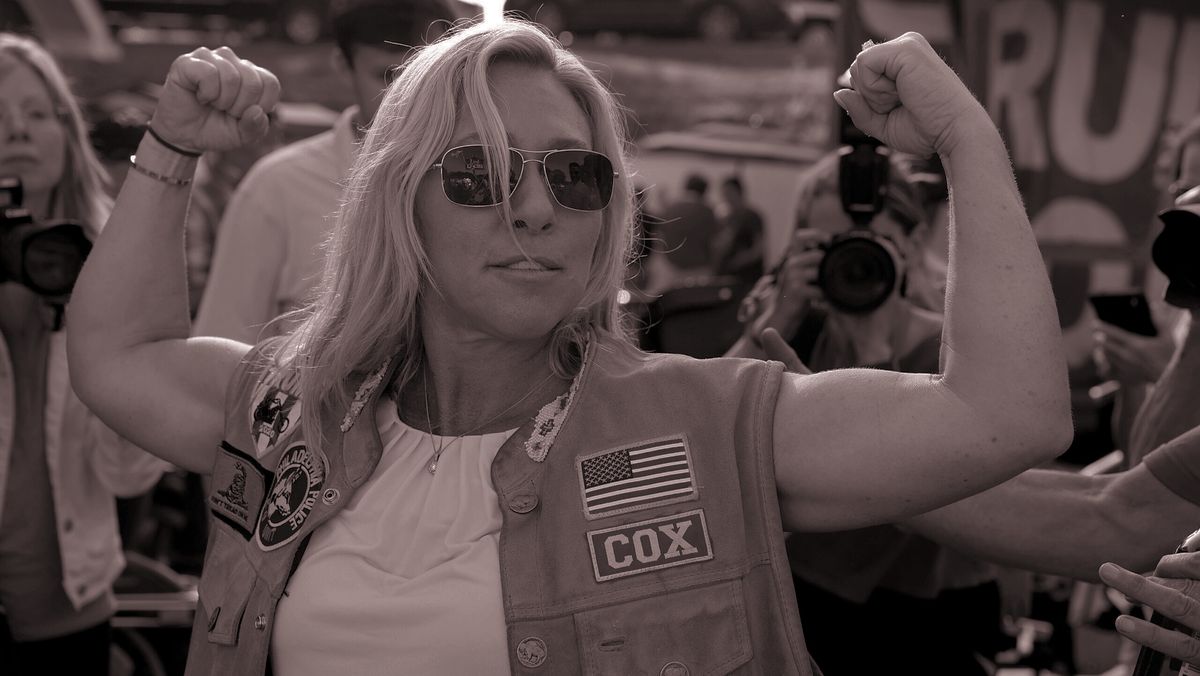
Kardashian remains incredibly influential: She can move product and did a lot of the heavy lifting on the NikeSkims social media campaign. But her image since breaking up with Kanye West, who served as her de facto stylist and creative director, has been in stasis. (In some ways, she’s even reverted to a previous persona, linking up with Dolce & Gabbana a few seasons ago.) When I saw Kardashian at the Maison Margiela show on the day after the NikeSkims launch, she felt
of another time—her hair cropped (a wig?), wearing a trench and a thick layer of makeup, etcetera.
To be fair, I’ve incorrectly declared peak Kardashian too many times to count. Their ability to keep things moving and continually captivate audiences is unmatched. But the role Kardashian should play at Skims is certainly something everyone must be pondering as the creative direction begs for a shake-up. |
|
|
At the same time, NikeSkims still needs to articulate a reason for existing beyond helping Nike
reenter a category, or facilitating a Skims I.P.O., or functioning as a very public first date to test whether the former should acquire the latter. While a blockbuster exit once felt inevitable, it’s now merely probable that C.E.O. Jens Grede and Kardashian will see mind-numbing windfalls. I’m told, though, that they have already earned plenty in a secondary sale of shares.
Of course, it’s possible the flaw in this design was something much more subtle. Back in
the ’80s, Nike took an extraordinary risk on Michael Jordan to penetrate the basketball sneaker market. It seems inconceivable now, but Jordan was hardly touted as a generational phenom coming out of college. In the sneaker wars, he was a backup plan—a guy that Converse and Adidas passed on, a dude who was drafted behind Sam Bowie.
But Phil Knight and the Nike team saw something that no one else did, and they created a
legitimately historic business success around that vision. Have Hill et al. seen something in Kim that no one else has, and can they find a way to market it for generations? Or did they see what everyone else did, albeit a few years too late? That’s the multibillion-dollar question… |
What I’m Reading… and
Listening To…
|
Dario Vitale’s Versace is up on Moda Operandi. These prices don’t always
reflect the retail price. (Sometimes they are much higher.) But a barometer, nonetheless. Jeans are nearly $1,000. Shoes range from $900 to more than $2,000. Get ready! [Moda Operandi]
This is a must-read interview with Stella Bugbee about how fraught the runway was this season: the thinness; the constriction of women’s bodies; the covering of their
faces. I was not as upset by it as she was. Maybe I’m cynical, but I don’t think designers have a responsibility to drive progress. It makes things more interesting when they choose to do so, but it’s not a responsibility. We should be having a conversation about why this is happening, rather than whether it should be happening. [Blackbird Spyplane]
I’m
gonna say it because I believe when you die, that’s it, and I’m not afraid of being haunted by a ghost, because they don’t exist. I really hated Diane Keaton’s style. I hate when women wear ties. I don’t like hats. I hate anything that looks costumey, and she always looked like she was wearing a costume. But I loved Diane Keaton and her reediness, and that she did indeed have style. That’s good.
[The Guardian]
I love this Valentino dress a lot. [Samantha McMillen’s Instagram]
I got a sneak peek at the Alex Eagle x J.Crew collaboration, and it looks very good. No one is doing these kinds of
partnerships better than J.Crew. [Instagram]
Friend of Line Sheet Rebecca Ramsey gets a shout-out on Jimmy Kimmel Live! for saving her client Justine Lupe’s a**, literally. [Instagram]
I can’t believe Marc Maron’s podcast is over! It was really important to me. [WTF]
|
Until tomorrow,
Lauren
P.S.: We use affiliate links because we are a business. We may make
a couple bucks off them. |
|
|
Puck founding partner Matt Belloni takes you inside the business of Hollywood, using exclusive reporting and insight to explain
the backstories on everything from Marvel movies to the streaming wars. |
|
|
Puck’s daily art market email, anchored by industry expert Marion Maneker, offers unparalleled access to the mega-auctions and
galleries, elite buyers and sellers, and the power players who run this opaque world. Wall Power also features Julie Brener Davich, a veteran of Christie’s and Sotheby’s, who provides unique insights into how the business really works. |
|
|
Need help? Review our FAQ page or contact us for assistance. For brand partnerships, email ads@puck.news. You received this email because you signed up to receive emails from Puck, or as part of your Puck account associated with {{customer.email}}. To stop receiving this newsletter and/or manage all your email preferences, click here. |
Puck is published by Heat Media LLC. 107 Greenwich St, New York, NY 10006 |
|
|
|