Hi, and welcome back to Line Sheet. It’s over! In today’s issue, my take on the Met Gala’s big
winners and losers. For the main event, Malique “Malique@puck.news” Morris explains why Heidi O’Neill, the former Nike exec put in charge of turning around Lululemon, has become so controversial, so quickly.
Also, I’m on The Powers That Be today talking Met Gala ticket prices and the harsh reality of The Devil Wears Prada 2 with
Rusted Root’s one remaining fan, Peter Hamby. Listen here and here.
Also mentioned in this issue: Blake Lively, Lauren Sánchez Bezos, Chanel,
Lauren Santo Domingo, Isha Ambani, Chloe Malle, Rihanna, Gap Studio, Laura Gentile, A$AP Rocky, Hailey Bieber, Stefano Caroti, Carlos Nazario, Nicole Kidman, Flaming June, Jordan Roth, Hunter Schafer, Chase Infiniti, Chip Wilson, Mark Parker, Ralph
Lauren, Calvin McDonald, Sunday Rose, Karla Otto, Jeff Bezos, Hillary Super, Paloma Elsesser, Brett Blundy, Maggie Gauger, Jane Nielsen, Kendall Jenner, and more… |
Meta Gala Aftermath—Who
Won, Who Lost, and Who Cares?
|
Forget about the hundreds of
evocative water bottles that protestors snuck around the Costume Institute to protest Jeff Bezos’s patronage, or that Lauren Sánchez Bezos referred to the Metropolitan Museum of Art as “the gallery,” or that Blake Lively showed up in the most atrocious gown ever made just hours after
settling with Justin Baldoni. (I don’t want to even tell you the brand because, honestly, she deserves all the blame.) Anna Wintour & Co. raised $42 million this year; I guess that’s why you charge certain people $1 million a ticket? Anyway, this is supposed to be the Super Bowl of Fashion, right? How did we do?
|
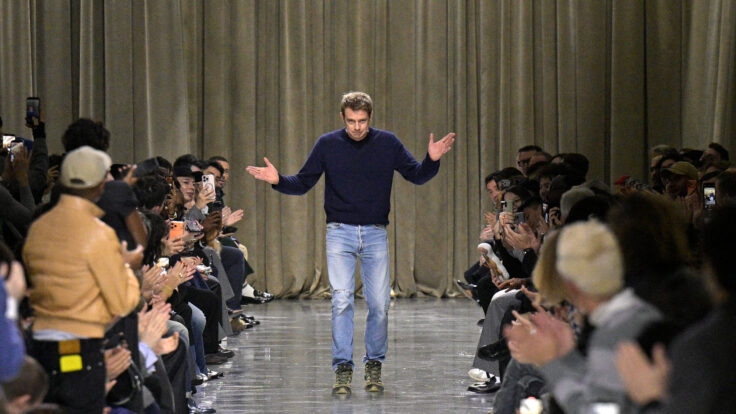
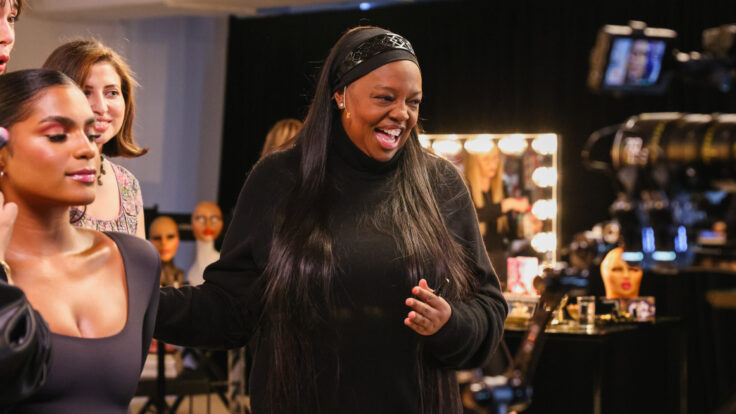
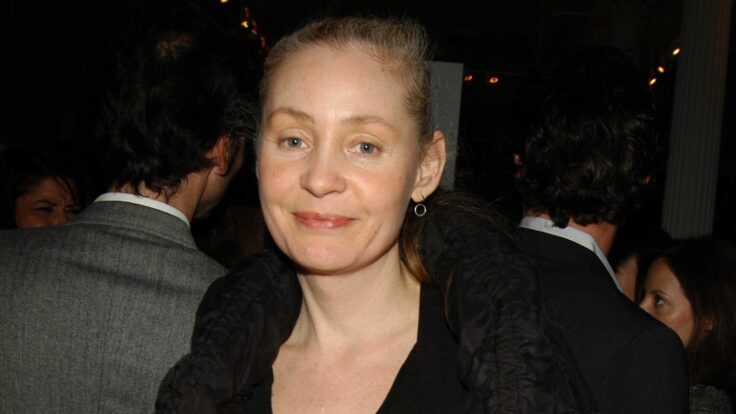
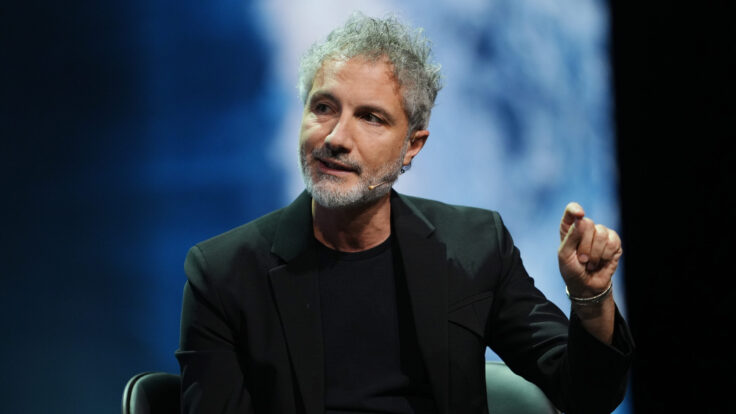
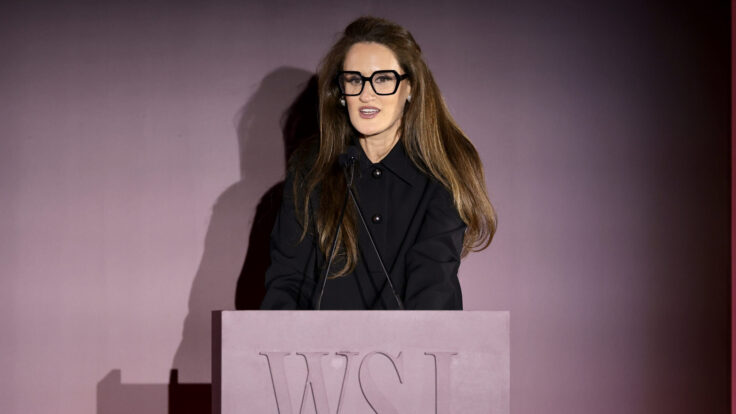
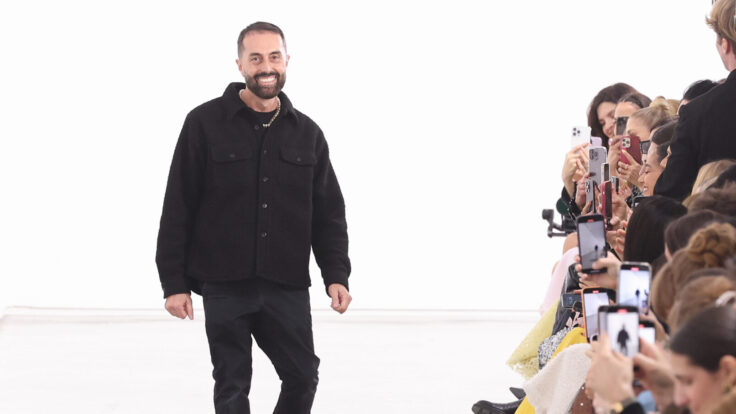
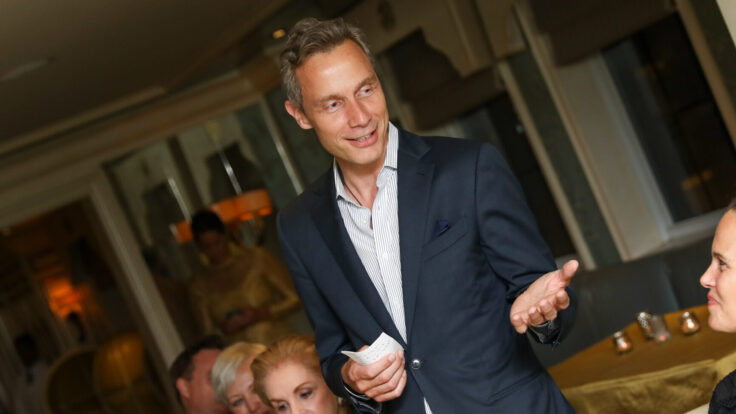
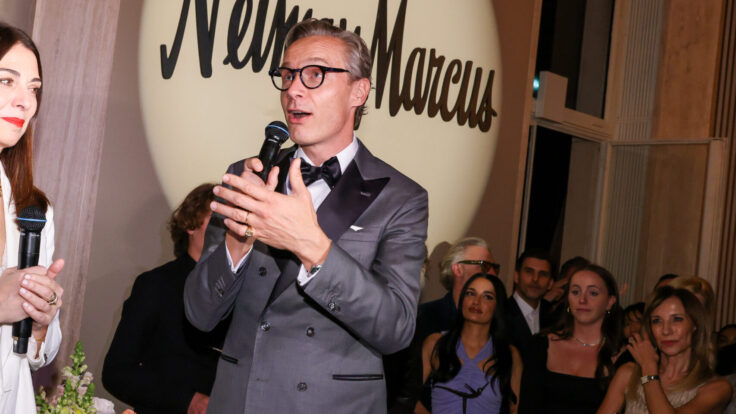
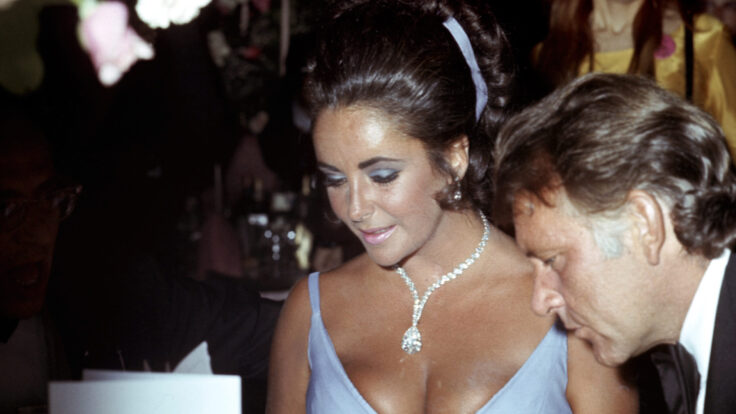
Photos: Mike Coppola/Getty Images; Theo Wargo/FilmMagic; Michael Loccisano/GA/The Hollywood
Reporter/Getty Images; Julian Hamilton/Getty Images |
-
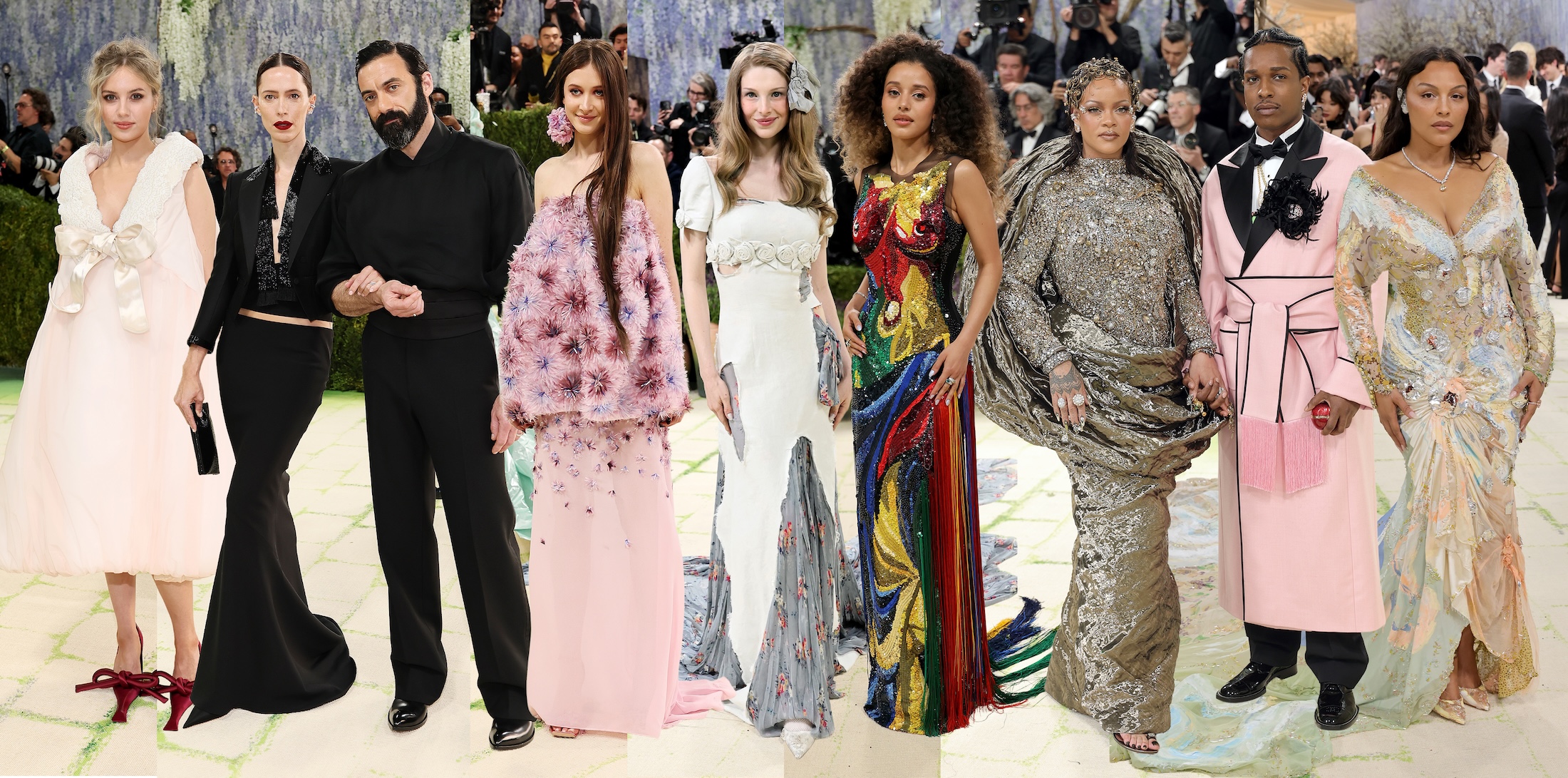
Who won?: Saint Laurent’s co-sponsorship certainly paid off, with everyone from Madonna and Hailey Bieber to Connor Storrie and Zoë Kravitz dressed in some of the best-looking, most thoughtful interpretations of the nebulous “Fashion Is Art” theme. Nicole Kidman in Chanel and her daughter Sunday Rose in Dior showed how two megabrands can coexist. Also: Congrats to Thom
Browne, who pulled Chase Infiniti from Louis Vuitton contract hell. Rebecca Hall in Tom Ford was yet another win for the Zegna Group.
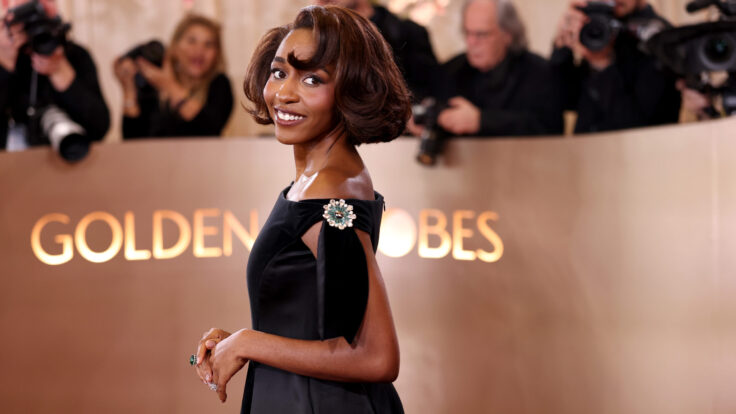
In terms of nailing the theme, I loved Anna Weyant in Marc Jacobs—the artist wearing the art. Hunter Schafer in Prada’s rendition of a Klimt painting was also pretty remarkable. Anyone who dresses Rihanna wins, and so Maison Margiela and
Glenn Martens came out on top last night. (I loved her partner, A$AP Rocky, in pink Chanel.) Kudos to eBay for commissioning ex Marni designer Francesco Risso to create Paloma Elsesser’s dress from close to 30 other dresses. (I’ve never been a fan of Risso—it’s all too senior thesis for me—but this was magical. The stylist was Line Sheet star Carlos Nazario.) I also loved Chloe Malle’s Colleen
Allen dress, inspired by Frederic Leighton’s painting Flaming June. Anyone wearing Robert Wun—but especially Jordan Roth—was triumphant.
As for the tech takeover, it may have been overblown, or the execs just sat back knowing they may be pilloried. (Bezos skipped the red carpet; Sam Altman, whose OpenAI had a table, did not attend.) Sánchez Bezos, wearing a demure, pretty, and relatively
uninventive Schiaparelli gown, was certainly the evening’s star.
Let’s send a congratulations to the team of Karla Otto—put in charge of the arrivals for the first time after Wintour and the Met parted ways with KCD—for not messing up. KCD’s exit from the Met contract was the thing fashion service people (P.R.s, stylists) were talking about the most this season. The
agency is still, after all, best in class when it comes to front of house, while Karla Otto was unproven at Met Gala scale. But they did a good job managing the steps, where no one is allowed to be accompanied by a publicist.
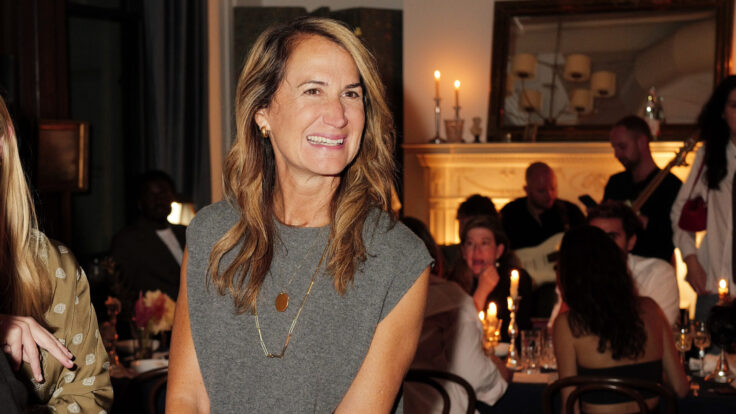
Finally, I’d say that Lauren Santo Domingo, who skipped the gala for whatever reason, was probably the
night’s biggest winner. Everyone is talking about her. Ian from Page Six crowned her the “Tom Brady of Fashion,” whatever that means. If she wants to succeed Wintour as the chair of the gala, she is in prime position. I am sure she could convince the board that she would be able to make it way less tacky and just as financially successful. Well played.
|
|
|
|
A MESSAGE FROM OUR SPONSOR |
|
|
|
-
Who lost?: Well, someone said that Wintour should have “saved” Beyoncé as a co-chair for next year’s Gala, because the number of A-listers willing to co-chair this thing is dwindling. I’d also argue that Beyoncé’s concoction, created by former Balmain designer Olivier Rousteing, was one of the poorest executions of the evening. Kendall Jenner in Gap Studio was another big miss… especially if you didn’t see her spread her wings.
Billionaire heiress Isha Ambani was everywhere: interviewed on the Vogue livestream and a paid post on popular Instagram account Check The Tag. (Who knows how much?) Would Ambani be forced to go to such lengths if she were a white woman from the Upper East Side—or Beverly Hills, for that matter?
- Who cares?: I’ve called the decline of the Kardashian empire a million times, so I’m not going to go there right
now, but they really weren’t at the center of things. “Kind of amazing how much the Kardashian machine fades when you have people like Beyoncé, Rihanna, and Nicole Kidman there,” one of my favorite industry sources commented. “Dare I even say, Lauren Sánchez upstaged them all.”
|
Now here’s Malique on Lulu… |
|
|
|
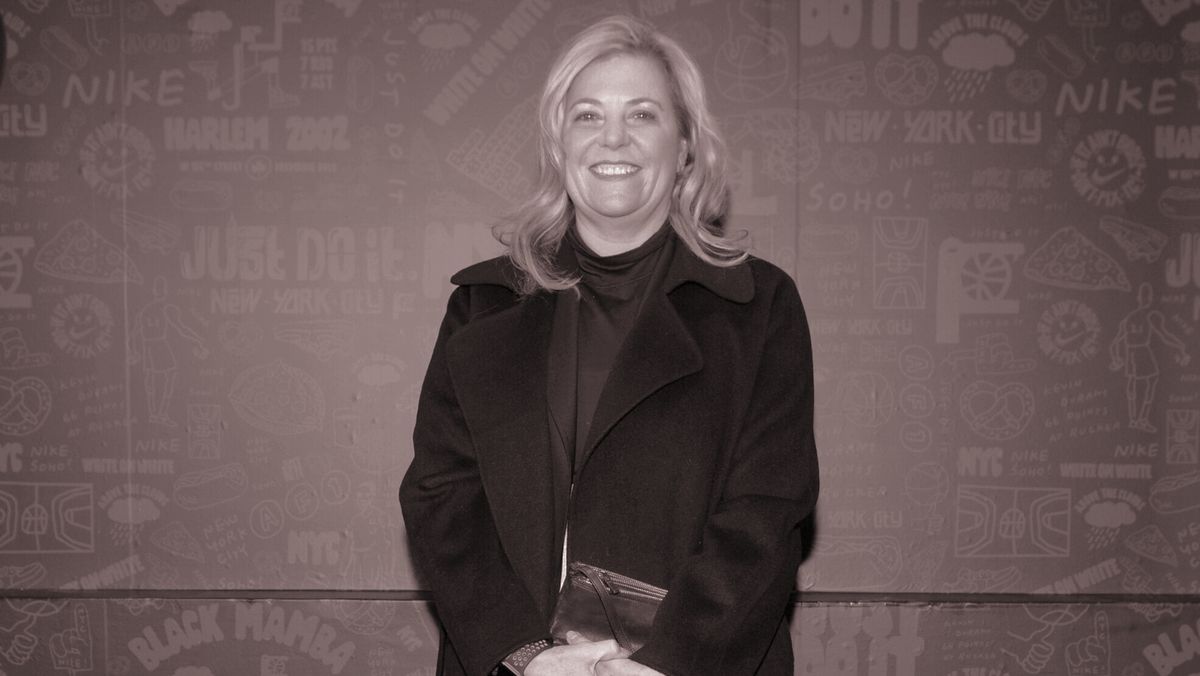
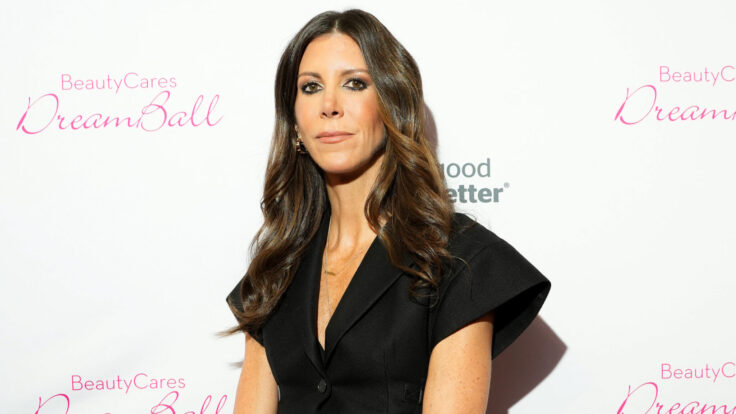
Heidi O’Neill was the internal face of some of Nike’s biggest strategic mistakes. So how is
the woman many blame for breaking Nike supposed to fix Lululemon? And what can she do about proxy warrior Chip Wilson, the company’s founder-turned-antagonist? |
|
|
|
Lululemon’s board was surely hoping for a better reception when the company announced last month that
Heidi O’Neill, a 27-year Nike veteran, would be taking over as C.E.O. in September. Chief executive Calvin McDonald had stepped down in January after shares in the athleisure company lost half their value in a single year. The board was also presumably hoping to quell some of the drama arising from Lululemon’s proxy battle with its own estranged founder, Chip Wilson, over the company’s succession process and diminished brand identity.
But Wall Street wasn’t thrilled. Instead of recovering, Lululemon’s stock fell more than 10 percent following the announcement. Wilson was the first to publicly decry the board’s C.E.O. selection. “O’Neill has now been appointed without the endorsement of a refreshed board and without the support of its shareholders, which is part of
the reason the market reacted so negatively to her hiring,” he wrote in a shareholder letter last Wednesday.
Wilson also took the opportunity to redouble his attacks on Lululemon’s board for nominating its own candidates—former Levi’s C.E.O. Chip Bergh and Unilever executive Esi Eggleston
Bracey—over his preferred slate of Marc Maurer, the former co-C.E.O. of On Running; Laura Gentile, a former ESPN marketing exec; and Eric Hirshberg, who previously led video game maker Activision. Naturally, Wilson believes his candidates would have found a more suitable C.E.O. “It is an unfortunate fact that the proxy contest will call into question if the C.E.O. search process should be re-examined with a refreshed board,” he
wrote.
But it’s not just Wilson. Other Lululemon investors had hoped the top job would go to Jane Nielsen, the former Ralph Lauren operating and finance chief nominated last December by activist investor Elliott Management after it had amassed a more than $1 billion stake in the company. Nielsen is widely regarded as both a beloved executive and a proven turnaround artist, credited with reviving Ralph Lauren and, before that, Coach.
Instead, the board chose O’Neill, whose reputation at Nike is… complicated. |
|
|
|
A MESSAGE FROM OUR SPONSOR |
|
|
|
O’Neill was seen by most Nike insiders as the right hand of John Donahoe, the short-lived
Nike C.E.O. who inherited a strong company in 2020—revenues had more than doubled during the 14-year reign of his predecessor, Mark Parker—and drove its valuation into the ground. Donahoe was the one who pushed Parker’s initial direct-to-consumer strategy off a cliff and abruptly severed key wholesale relationships, triggering a decline in sales growth that Nike is still trying to reverse. The company’s market cap fell from a peak of around $280 billion in 2021 to around $128
billion when Donahoe stepped down.
Insiders say O’Neill willingly became the internal face of Donahoe’s D.T.C. strategy—even if she was, in theory, simply executing her boss’s plan. As one former insider described it, she collected and summarized data across marketing, merchandising, and product development, got Donahoe’s feedback, and then relayed it to the wider team. That perception eventually caught up with her. When Elliott Hill
replaced Donahoe in October 2024, O’Neill was effectively sidelined, then ousted in a reorganization the following year. (O’Neill didn’t respond to a request for comment.)
So why bring O’Neill into Lululemon, a company whose current slowdown and faltering product innovation bear a striking resemblance to what happened at Nike? After all, according to Nike sources, O’Neill
was never a product genius. She lacked Parker’s technical fluency when discussing footwear, a skill better demonstrated by peers like Craig Williams, an E.V.P. and chief commercial officer who left in December.
She could also be bullish about the wrong styles. One insider described how she pushed the team to get behind the bulbous Air Max Dn launch during the Paris Summer Olympics, just as low-profile shoes like Adidas’s Samba were becoming ubiquitous. The release,
unsurprisingly, underwhelmed consumers. “It was probably the first sign of, ‘Oh shit, maybe we don’t have the product right now that is going to help us continue to grow or get back on a growth path,’” the insider said. Perhaps adding to the perception problem, I’m told O'Neill rarely wore Nike herself, apart from a necklace or pendant emblazoned with a Swoosh to pair with her Prada. (Nike declined to comment.) |
And there’s yet another ding against O’Neill: Nike corporate alumni have not generally thrived as turnaround
maestros elsewhere. There are exceptions, of course. Executive Stefano Caroti, for one, helped turn Hoka into a $2 billion Nike challenger. But others have stumbled. Daniel Heaf, Nike’s former chief strategy officer, hasn’t managed to resuscitate Bath & Body Works since taking over as C.E.O. last May. Likewise, Maggie Gauger, who used to run Nike’s women’s business in North America, has yet to increase sales at Athleta since taking over in
August.
Further complicating matters, O’Neill won’t start at Lululemon until September, thanks to a noncompete—meaning four more months of second-guessing. “It escapes logic how this board felt the business would be best served without a permanent C.E.O. for nearly 300 days and why the next C.E.O. should face months of public scrutiny before starting in the position,” Wilson wrote in his shareholder letter. He also inadvertently outlined what O’Neill should do as C.E.O. by detailing
exactly what he believed her predecessor, McDonald, had done wrong, including a misaligned collaboration with Disney—which he viewed as too mass-market for Lululemon’s premium positioning—along with misguided expansions into beauty and footwear.
Whether O’Neill is a product visionary may be beside the point, however. As C.E.O., her mandate will be to attract extraordinary talent, whether she hires them or promotes from within. She spent decades alongside some of the industry’s best
product minds at Nike. Spotting similar talent at Lululemon shouldn’t be a heavy lift.
The bigger challenge may be cultural. Lululemon insiders describe a bureaucracy under McDonald that was tangled in red tape. It once took months to decide on a shade of red for a proposed brand logo, one told me. There’s also a feeling that leadership hasn’t prioritized creativity enough—a sentiment the company disputes. “Under the leadership of Lululemon interim co-C.E.O.s Meghan
Frank and André Maestrini, our teams have been executing on our action plan to accelerate our North America business, maintain our international momentum, and operate as efficiently as possible,” a company spokesperson said. “This work is centered on our pillars of product creation, product activation, and enterprise enablement.” |
|
|
|
O’Neill’s critics worry that she’ll focus more on operations and efficiency than actually figuring out how to
make Lululemon desirable again. “I’m not sure she’s going to go in there and read the signals,” one person familiar with Nike’s inner workings told me. “She’s probably going to make it about something she can control rather than about shifting trends.”
But skepticism isn’t prophecy. Lululemon’s board “considered a lot of different candidates, and the company said that Heidi was far and away the best candidate that they interviewed,” Jay Sole, senior retail analyst at UBS,
told me. “The market has the market’s opinion. Chip has Chip’s opinion. The board has the board’s opinion. We’ll see who’s right.” |
Puig, which owns the Dries Van Noten brand, announced a three-year partnership with the newly opened
Fondazione Dries Van Noten in Venice. I can’t wait to go. [Inbox]
Chanel, too, is trumpeting a giant initiative amid the Venice Biennale: the new Chanel Culture Fund Fellowship, a one-year curatorial research fellowship at the Guggenheim in New York and the Peggy Guggenheim Museum in Venice. The project, which launches this fall, is being touted just as the brand awards its biannual Next Prize to 10 artists, who each received €100,000. [Inbox]
On Tuesday, Victoria’s Secret’s board
hit back at shareholder Brett Blundy’s proxy challenge to get a seat on the board and remove chair Donna James. VS says the appointment of Blundy, the founder of BBRC International, would bring “serious reputational, legal,
conflict of interest and governance risks,” and claims Blundy rebuffed an offer to add a director of his choice. The bigger point here is that Victoria’s Secret doesn’t need a board shake-up right now. The stock has more than doubled in the last year under C.E.O. Hillary Super.
[Victoria’s Secret]
Chanel opened a new, “ephemeral” (a.k.a. seasonal) boutique in Biarritz on the back of its Resort show. Practical and smart. [Inbox]
James
Murdoch buying New York magazine and the Vox podcast network sounds like a best-case scenario to me. Dylan, what do you think? [X]
Lisa Kudrow is the ideal person to wear the
new-new Celine. [X] |
Until tomorrow,
Lauren
P.S.: We use affiliate links because we are a business. We may make
a couple bucks off them. |
|
|
|
Need help? Review our
FAQ page or contact us for assistance. For brand partnerships, email ads@puck.news.
You received this email because you signed up to receive emails from Puck, or as part of your Puck account associated with {{customer.email}}. To stop receiving this newsletter and/or manage all your email preferences, click here. |
Puck is published by Heat Media LLC. 107 Greenwich St., New York, NY 10006 |
|
|
|
|