|
Welcome back to Line Sheet, and hello from sorta sunny, sorta grey Copenhagen, where the commuter bikes go unlocked, and everyone dresses like a Berkeley grad student circa 1997.
This morning, at this year’s Global Fashion Summit, I had the pleasure of chatting with Veja co-founder Sébastien Kopp about his 20-year attempt at building a company whose leaders make decisions that benefit the environment, employees, and customers. Onstage, Sébastien told me he thinks saying that a company has “values” is silly, and would rather not employ the phrases “social responsibility” or “sustainability.” He’s just focused on running a profitable, $200 million-a-year-in-sales, 600-employee operation that pays its workers a fair wage and doesn’t answer to any investors, okay? (They have no investors! Twenty years in! Someone is going to be very rich someday!)
More tomorrow on what I’m observing out here. In today’s edition, I have some updates on Bally and a dispatch from Condé Nast Italia, plus Sarah Shapiro is back with a nuanced take on what’s happening at mall O.G.s Gap and Abercrombie & Fitch. (Let’s just say that, facelift or not, Lindsay Lohan looking fab in a creative campaign is not going to solve the fundamental challenges for Old Navy and its parent company.) For the main event, Rachel Strugatz returns with a look at Operation Archewell, and where Meghan Markle and Prince Harry continue to fumble despite the duchess’s demonstrated ability to get people to buy stuff.
Mentioned in this issue: Meghan Markle, As Ever, Martha Stewart, Netflix, Goop, Daniel Martin, Bally, Simone Bellotti, Jil Sander, Condé Nast Italia, Gap, Abercrombie, and many, many more…
|
Three Things You Should Know…
|
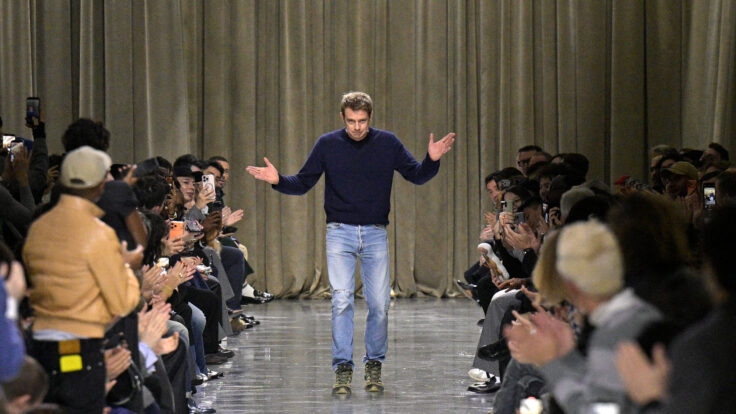
- Bye, bye (our version of) Bally?: Last week, after I reported that Bally’s Meatpacking District store was closing, Sarah noted that many of the brand’s U.S. stores had closed. This was a fairly anticipated development, given that the Swiss leathergoods company’s current owners, Beverly Hills–based private equity firm Regent, hired RCS Real Estate Advisors last fall to help them wriggle out of leases. There was a hope that fans of the Simone Bellotti era would get one last chance to buy his wares after his recent departure to Jil Sander. After all, I was told that his final collection, Fall/Winter 2025, would be produced. Will it?Meanwhile, I’ve received several complaints from customers who attempted to purchase something from the spring sale and were met with incredibly long shipping delays, or, in some cases, have yet to receive their orders. I’ve also heard that the company has failed to pay certain vendors.
Anyway, it’s unlikely that Regent will shut down Bally altogether—it doesn’t typically work that way—but I suspect that the brand will regrettably return to “bad belts, middling loafers, dad wallets, and outlets,” as one observer who is annoyed about this situation noted. Bally just released images of its Resort 2026 collection; it’s not totally
divorced from Bellotti’s vision, but all the weirdness and finesse have been zapped. (A rep for Bally did not respond to a request for comment.)
- Europeans love a picket line: A faction of the Condé Nast Italia ranks—including those in the art department, but not the journalists!—are threatening to go on strike, according to insiders at the company. I was also able to find some reporting on the drama from Italian outlet Primaonline, which explained that the “editorial graphics union” was mad about the elimination of 11 roles, the outsourcing of certain jobs to India, and a reduction in publication frequency. The union told Prima that the company had not come up with a “credible” plan for going forward, and did not provide substantial enough exit packages for those who were laid off. The union also called the global company “shortsighted” and suggested that it didn’t understand the local market’s specific “context.”According to internet research, it’s been eight years since the publishing company’s Italian employees walked out: Last time, it was for four days over the shuttering of Vogue Italia’s sub-brands (L’Uomo Vogue, Vogue Bambini, Vogue Sposa, and Vogue Accessories). For now, the strike is only a threat—but Italy is a small, and likely shrinking, market for the publisher, which must ruthlessly countenance A.I.-related existential questions with humility. Of course, it isn’t helping morale at the company overall, where “there’s no money,” as one person put it. Good news for the Vanity Fair head-of-content candidates. (I heard there were more interviews for that gig on Monday morning.)
|
|
|
 |
Sarah Shapiro |
|
- Mall sadness: For a minute, it felt like the mall was really back, ya know? Over the past few years, Abercrombie & Fitch has experienced a real renaissance by riffing on TikTok trends instead of relying on old heritage tropes, and it seemed that Gap might be on its way, too, despite some questionable marketing decisions. Alas, the bigger problems facing these retailers—competition from commodity players like Amazon, an endless discount cycle, the fact that retail is cyclical and you can’t be hot forever—are once again at the fore.Last week, investors punished both Gap and Abercrombie after quarterly earnings reports. A lot of that was due to tariff fears: Gap’s stock tumbled more than 20 percent, while Abercrombie’s share price dropped 12 percent amid similar concerns. At Abercrombie, sales were down 4 percent (although sibling brand Hollister was up 22 percent). Yes, Gap Inc. brand Old Navy is winning because it’s a nicer alternative to Shein (the occasion dress line, which we hear was designed with input from group creative chief Zac Posen, was a hit). But Banana Republic and Gap have no such advantages, and their quick fixes—celebrity campaigns and collaborations—are mostly stylish distractions from deeper challenges. (No matter how cute Banana Republic looks right now, it’s simply not a must-have for most customers—especially at full price.)
Meanwhile, Gap Inc. keeps discussing a “reset” for their fitness line, Athleta, without understanding what their customers want or how to retain them. I keep waiting to hear about a possible divesting of this brand, or even a sale, so Gap can pour more resources into Old Navy. (A spokesperson reaffirmed Gap Inc.’s commitment to Athleta.)
|
|
|
|
And now, on to the main event…
|
|
|
|
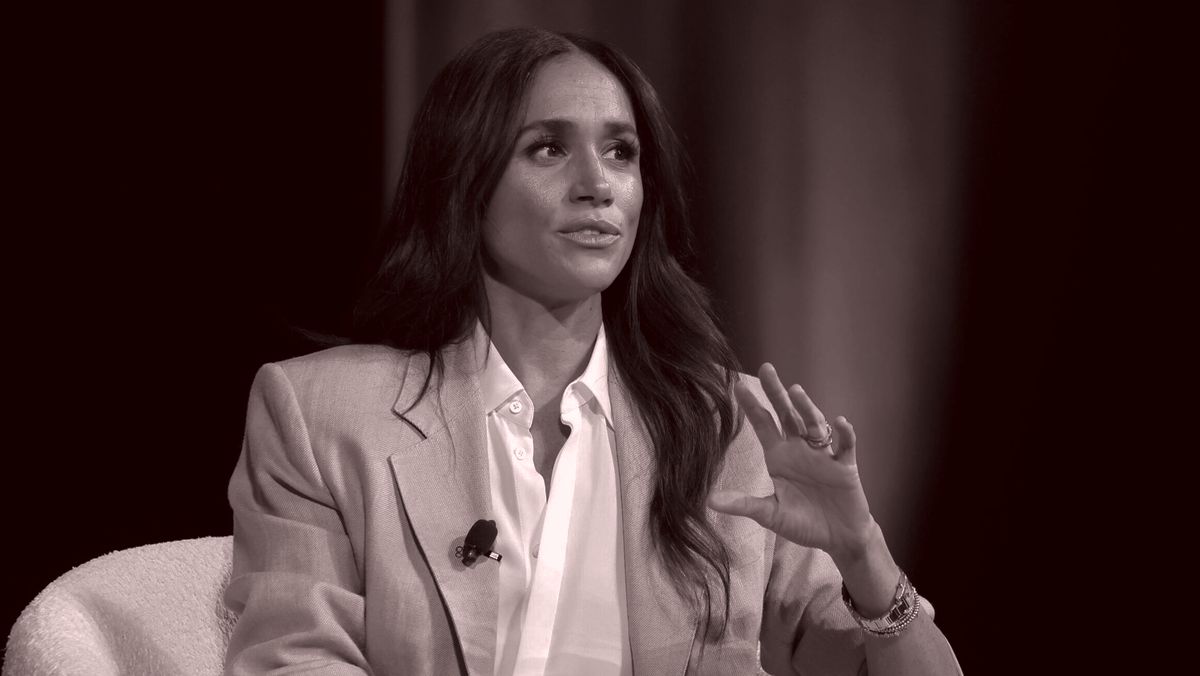
The Duchess of Sussex’s cringey farm-style brand—with its signature jams and ginger tea—has been marred by mixed messages, a curious ownership arrangement with Netflix’s consumer products, and mostly, the sense that Montecito’s ranking royal is just in it for the money.
|
|
|
No one really knows what’s going on with As Ever, Meghan Markle’s lifestyle brand, which launched last month with an underwhelming selection of faux-country high lunch fare—jam, tea, flower sprinkles, etcetera—in loose concert with her derisible Netflix show, With Love, Meghan. On Tuesday, the Duchess of Sussex announced on her podcast, Confessions of a Female Founder, that As Ever was on “pause.” Hours later, she posted an Instagram Story informing her 3 million followers that there would be a restock later this month. She urged them to “sign up to find out details and timing!” Last week, Fast Company reported that Markle will “announce new products” during Q1 of 2026, and that the founder wants to “really focus on the hospitality angle.”
As Ever’s actual plans, meanwhile, remain unclear: There’ve been no products for sale on its site since the sad mix of white-label pantry items, like a jam that my grandmother might have stolen from a two-star hotel, “sold out” in just 45 minutes. One person who knows Markle intimately described the haphazard rollout and disorganized pivot as simply “the Sussex way.” I’m told the product “scarcity” was always part of the plan, and that Markle wanted everything to “sell out” within the day to create the illusion of demand. In reality, though, the company probably either produced too few units or was opaque about selling out, maybe both.
The ownership structure of As Ever is also difficult to untangle. Technically, it’s a partnership with Netflix in support of the show. Ted Sarandos previously described Netflix as a “passive partner in Meghan’s company.” And yet, everything is “completely manufactured and handled by Netflix,” according to one insider, who likened the venture to a licensing
agreement. (A person close to Netflix claimed the terms are “more involved than licensing.”) A recent Fast Company piece detailed Netflix’s desire for As Ever to exist on its own, and how they urged her to create a brand that was tied to the show yet not named after it.
The Duchess made sure to note in the story that Netflix wasn’t just funding the venture, but the truth is that As Ever wouldn’t exist without the streamer. I heard that Markle doesn’t even employ an actual team. “She’s not building a lifestyle empire,” the insider said. “There’s no one that works for the brand. She’s outsourced the entire brand to Netflix. They send samples and she picks what she likes.” (“Meghan has been actively building a dedicated internal team to support As Ever’s growth,” a person familiar with the partnership told me, noting that Markle recently hired Melissa Kalimov as chief operating officer.)
In a way, this is kind of what most celebrity beauty ventures are like, albeit with a half-trillion-dollar streaming company’s product arm replacing what would otherwise be a small team of operators. Netflix has actually produced similar product lines and collaborations to coincide with new seasons of Bridgerton, Stranger Things, and Squid Game. And yet those partnerships seemed to be opportunistic attempts to monetize the long tail of I.P., rather than finance some newfound Goop or Flamingo Estate wannabe. Perhaps As Ever’s recent inventory issues stem from the fact that Markle, who was late to the celebrity lifestyle business game, really wanted to take her Netflix-funded domestic brand back from Netflix and try it out on her own.
|
To be honest, I’ve always thought Markle was punking us with this brand, which was once called American Riviera Orchard for a blip. Everything about it reads like a lazy, short-term solution to get something out there and into customers’ hands, loosely timed to the Duchess’s Netflix series. It includes little of the vision or personality of Goop, or Martha Stewart, or the other lifestyle brands that Markle had delusions of building. Indeed, it maps the Sussex way—not fully thought out, hastily executed, prone to pivot.
The least that Markle could have done was better time the launch of As Ever to the premiere of With Love, Meghan. Still, I never expected the rollout of As Ever to be this bad. Also, an industry type recently pointed out that As Ever’s logo bears a striking resemblance to the iconography of Flamingo Estate’s original logo, except with hummingbirds instead of flamingos. In fact, before she decided to create American Riviera Orchard/As Ever, Markle was in advanced talks with Flamingo Estate about an investment in the company.
Meghan had watched as others leveraged their celebrity to launch lifestyle brands, and seemingly wanted in. “She had a hard time understanding that other people were having success when she couldn’t find her footing,” said the person who knows Markle intimately. “[For Markle, it was] ‘I’m not going to add to their success, I want a piece of my own.’” According to this person, the Duchess has passed on many opportunities to invest and “be more behind the scenes”—not only with Flamingo Estate but also Oak Essentials, the beauty line spun out of Jenni Kayne that last year raised close to $10 million ahead of an Ulta Beauty launch.
Markle has proven she’s incredibly effective at selling other brands’ stuff, but that doesn’t mean she can do it when it’s her name on the label. She may influence the purchase of a J.Crew sweater, but would that same person buy As Ever knitwear? “There was the thought that she could dominate any space she decided to get into,” the insider added. “But she doesn’t want to be accessible.” Markle, it seems, wants to be an ethereal Montecito queen, this person continued, “but isn’t willing to commit in the way Gwyneth was—in the sense where Gwyneth was like, ‘I don’t care if you’re poor and can’t afford this. Get in or get out.’”
I assume we’ll eventually be graced with a Markle apparel line of elevated basics, à la Goop. The irony here is that a certain subset of Markle’s fan base would go crazy for a super affordable, mass-priced brand, but it’s only a matter of time before she pivots to beauty, where the barrier to entry is lower and the margins are higher, and where the Duchess actually has a clear point of view. The understated makeup from Markle’s 2018 nuptials, created by her longtime collaborator Daniel Martin, mainstreamed the idea of bridal “no-makeup makeup” and looking like yourself at your wedding––which is probably Markle’s biggest contribution to the lifestyle conversation to date.
|
John Demsey and Cassandra Grey teamed up to bring luxury skincare line Poiret Beauté to the U.S. via Violet Grey. Demsey is Poiret’s chairman and senior brand advisor, and I for one am enjoying his comeback. [ WWD]
I read this review at 5 a.m. this morning and am now very intrigued by this new memoir. [ NYT]
My pals at BoF discussing why Hailey Bieber won the celebrity beauty lottery. [ Apple Podcasts]
|
|
Until tomorrow,
Lauren
P.S.: We are using affiliate links because we are a business. We may make a couple bucks off them.
|
|
|
|
Puck fashion correspondent Lauren Sherman and a rotating cast of industry insiders take you deep behind the scenes of this multitrillion-dollar biz, from creative director switcheroos to M&A drama, D.T.C. downfalls, and magazine mishaps. Fashion People is an extension of Line Sheet, Lauren’s private email for Puck, where she tracks what’s happening beyond the press releases in fashion, beauty, and media. New episodes publish every Tuesday and Friday.
|
|
|
|
Puck’s daily art market email, anchored by industry expert Marion Maneker, offers unparalleled access to the mega-auctions and galleries, elite buyers and sellers, and the power players who run this opaque world. Wall Power also features Julie Brener Davich, a veteran of Christie’s and Sotheby’s, who provides unique insights into how the business really works.
|
|
|
Need help? Review our FAQ page or contact us for assistance. For brand partnerships, email ads@puck.news.
You received this email because you signed up to receive emails from Puck, or as part of your Puck account associated with . To stop receiving this newsletter and/or manage all your email preferences, click here.
|
|
Puck is published by Heat Media LLC. 107 Greenwich St, New York, NY 10006
|
|
|
|