{{ 'now' | timezone: 'America/New_York' | date: '%b %d, %Y' }} |
|
|
|
Hi, and welcome back to Line Sheet. Fashion Month is finally over. As always, it was a journey. I
hope you are taking a break at the end of this week—I am.
But before I go, I’ve got some thoughts on the final shows. I’m also doling out some superlatives because it’s fun and offers some insights into how this world works. For the main event, Sarah Shapiro is back with the inside story on Edikted, the teen brand that elicits wild desire from the youths and rage from their parents.
Also mentioned in this issue: Phoebe
Philo, Lisa Loeb, Oasis, Delphine Arnault, Sarah Pidgeon, Schiaparelli, Laura Fanning, Morgan Stewart, Julia Garner, Loewe, Dior, Matthieu, Miuccia Prada, Heated Rivalry, Diego Della Valle, Bryanboy, L Catterton, Gabriela
Hearst, Wet Seal, Oprah, Kiko Kostadinov, Dôen, Lazaro Hernandez, Amy Griffin, Chanel, Daniel Roseberry, Rhode Beauty, Jack McCollough, Tod’s, Peter Nordstrom, Celine, Lil Yachty, Deanna Fanning, Alexandra Roberts, Carnaby
Street, Sissy Spacek, Pietro Beccari, Lady Gaga, Coach, Dedy Shwartzberg, Zvika Alon, Keira Knightley, and more… |
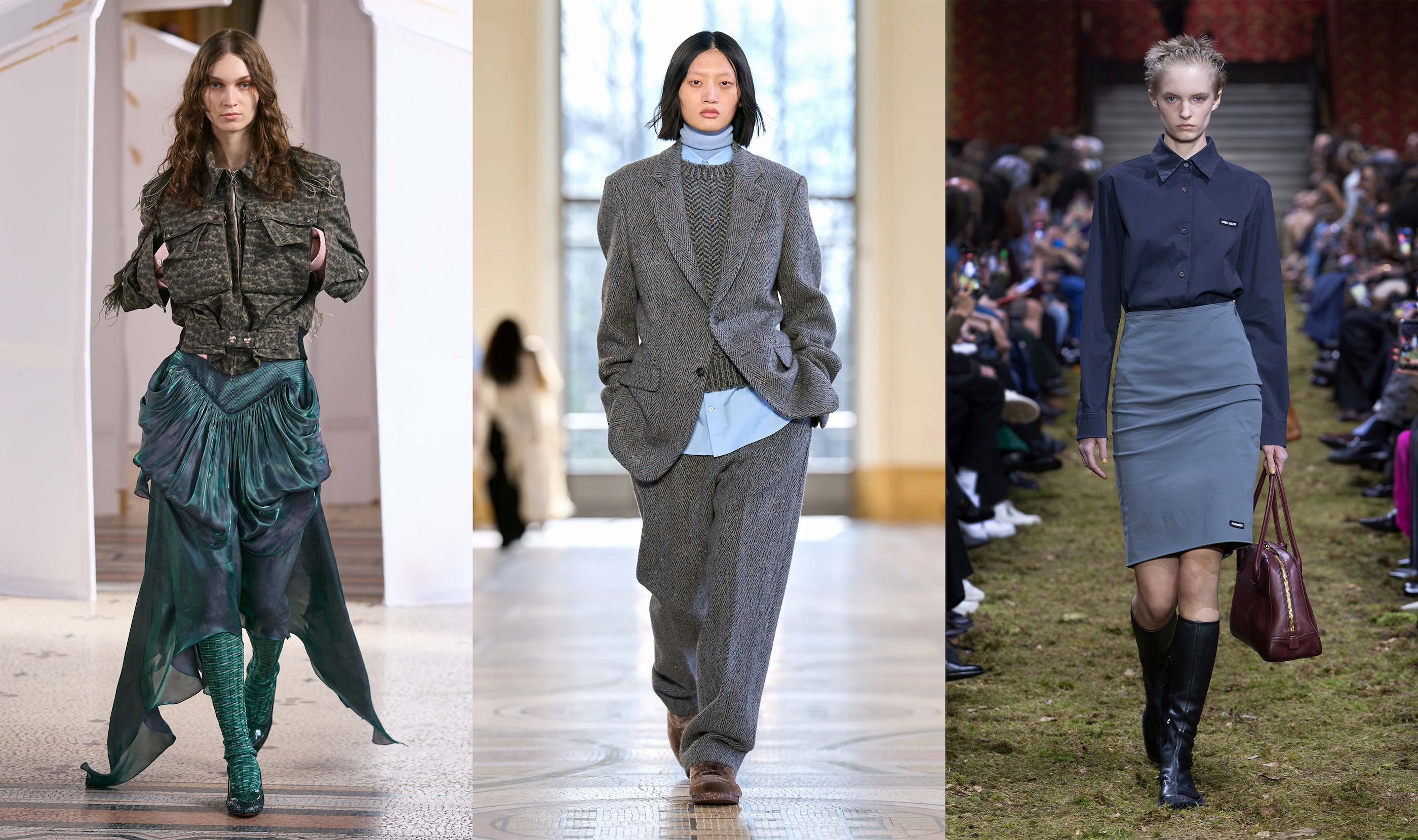
Looks in Paris from Kiko Kostadinov, Gabriela Hearst, and Miu Miu. Photos: Courtesy of Kiko Kostadinov;
Gabriela Hearst; Miu Miu |
Paris Fashion Week is two days too long: A 48-hour trim would be life-changing for those who have been on
this grind for more than a month since New York. But at least there are good, interesting shows from the beginning until the end. Over the last two days, I’ve seen a few—all notably designed by women.
Fashion’s dearth of female creative directors is well-documented, and really comes down to how the demands of the job are ill-suited for women with families. (In Europe, I’ve found, there’s a prevailing expectation that women will meaningfully de-escalate their careers after having
children. Yes, it’s not fair.) So, I suppose it’s not a surprise that Gabriela Hearst, Kiko Kostadinov’s Laura and Deanna Fanning, and Miu Miu’s Miuccia Prada are all entrepreneurs with the agency to generally work as they please.
Hearst was designing for Chloé for a spell, but she is playing the long game with her namesake brand, which I thought looked really good this season—especially the cowboy boots and Donegal
tweeds. There’s no overzealous expansion plan here, but there is ambition: Hearst has seemingly realized that she’s not going to win the attention game, but can differentiate on quality. She also has the luxury to continue courting the customer. The Fanning sisters, who started the women’s arm of Kiko Kostadinov’s label in 2018 (Deanna is married to Kiko), have developed an actual community around their looks-like-nothing-else designs, the kind of close-knit group of
followers that bigger brands dream of acquiring through paid marketing. |
|
|
|
A MESSAGE FROM OUR SPONSOR |
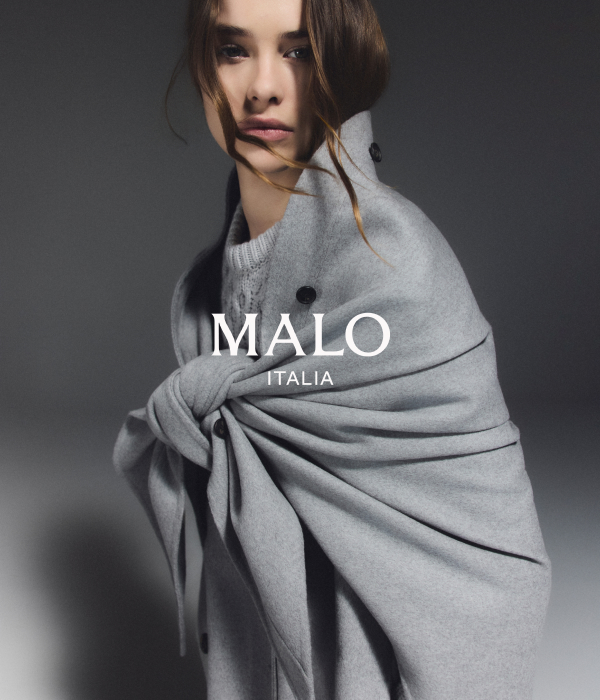
For Fall Winter 2026, MALO offers an early view into what comes next. Grounded in the house’s long-standing commitment
to quality without compromise, knitwear comes into quiet focus with elongated silhouettes, and generous volumes. Pieces are conceived to layer naturally—knits over shirting, coats over dresses—creating a dialogue between softness and discipline, with modern proportions. Cashmere is shaped with precision yet worn with ease, expressed in a mineral palette of stone, camel, slate, and deep chocolate. Designed and made exclusively in Italy, this is a considered view of the season ahead, shaped with
clarity and intention. Explore Fall Winter 2026. |
|
|
|
It’s not a terrible thing to end a month of shows with Miuccia Prada. As I was saying to my seatmate at the
Palais d’Iéna, the Miu Miu show’s forever-venue, there’s no other designer who elicits more raw emotion from the audience. I felt melancholy sitting there—not because it wasn’t a good collection (there was a lot to buy), but because the purposeful drabness (straight silhouettes; muted shades of grey) reminded me that life isn’t as shiny as the Chanel show last night made it out to be. Prada said the collection—a little strict, very utilitarian, and definitely reminiscent of Miu Miu’s past—was
about how we are all specks in the great big world. Heavy stuff. After the show, in the famous scrum, I asked Prada whether she was feeling melancholy. She said no. I guess we all see what we want to see. |
Line Sheet’s Paris
Fashion Week Superlatives
|
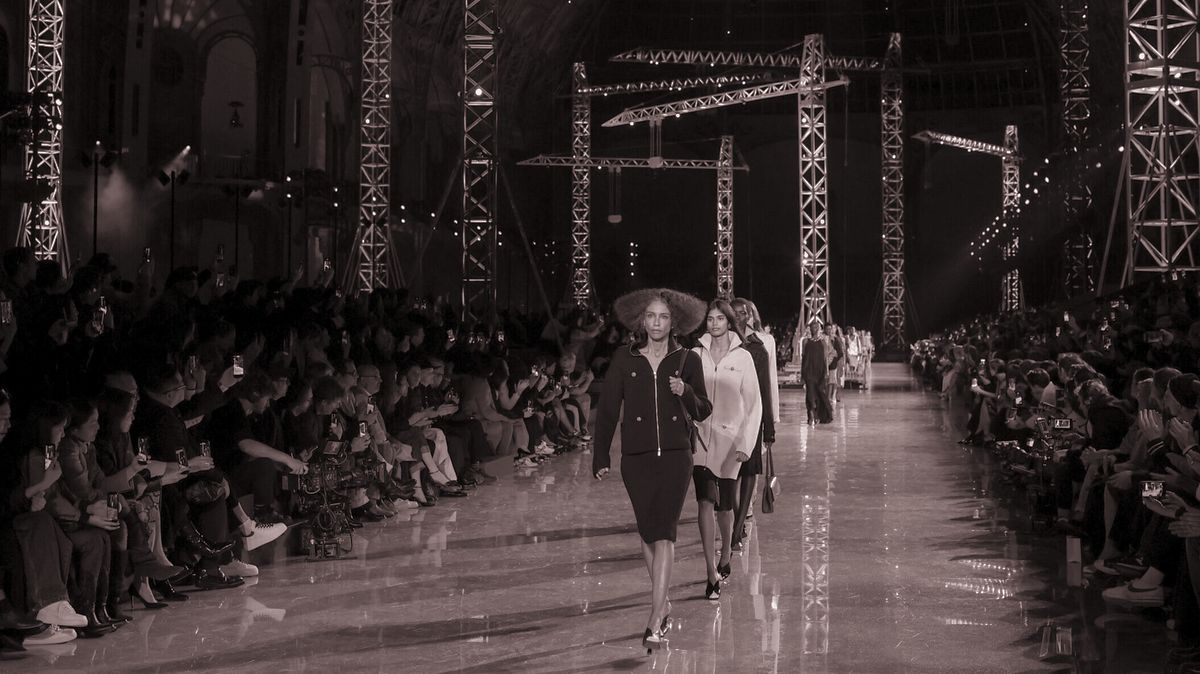
Best-played celebrity front row: Loewe. It’s tough to find the right mix of names to populate the
front row. Jack McCollough and Lazaro Hernandez and their team managed to get it right, from Sissy Spacek to Julia Garner to Lil Yachty (no idea who that is, but sounds cool). They also shook up the normal-people seating in a nice way. Instead of putting all co-workers together, they sprinkled in some interlopers to make for a
more interesting conversation. (I’ll never understand how the T magazine crew does it, sitting together for hours at a time… for weeks at a time. They really love each other.)
Most gossip-inducing front row: Schiaparelli. Love or hate it, Daniel Roseberry is worshipped by his clients, and the team does a good job of blending them in with some real notable notables. As I mentioned last week, the new New York
Times story on Amy Griffin, a top Schiaparelli client, dropped right around the time the show started. (She was, obviously, seated front and center.) People were also whispering about LVMH fashion head Pietro Beccari’s seat next to the Della Valle family. That, I would say, was probably not a big deal. Diego Della Valle was on the LVMH board forever, and
Delphine Arnault often attended the Schiaparelli show, for what it’s worth. Is LVMH buying Tod’s, which was taken private by the Arnault-linked investment firm L Catterton a few years ago? No. Never say never, but not right now.
The only real bag people want to carry: If you’re not going for a pouch, you want a flat envelope bag that fits a laptop, like Chanel’s, or Celine’s flat luggage style. (If you want more volume, the Chanel maxi
flap is in high demand. Bryanboy’s dentist, who had never bought Chanel before, scored one.) Make more briefcases, I will buy one!
The top of the season: A pointelle tee with a bow, little-girl style. I would trace the adult popularity of this back to California label Dôen, but they were everywhere on the runway this season, from Marie Adam-Leenaerdt to Loewe, and more ubiquitous than pindot tights.
Phoebe Philo’s biggest influence on the
runway: Sunglasses. Close second is the peplum.
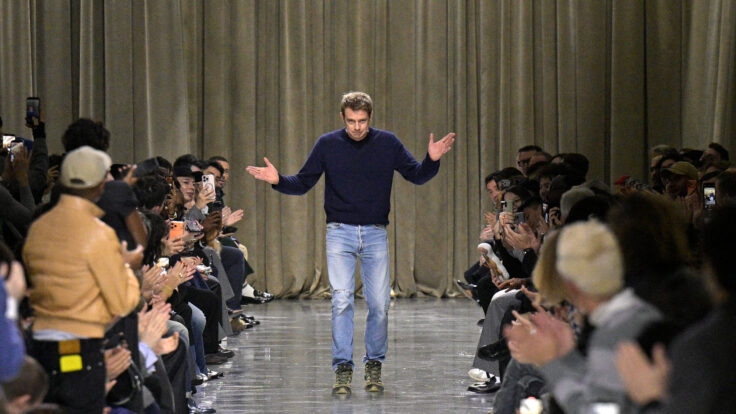
Most disappointing finale song: Lady Gaga’s “Just Dance” at Chanel. You know I worship Matthieu, and loved the fact that they played the music from the Keira Knightley version of Pride and Prejudice during the show, but ending with a cheesy Gaga bop? I expected more given that the first three shows closed with elder Millennial
nostalgia gushers “I Don’t Want to Wait,” “Torn,” and, for Couture, Oasis and The Verve. I guess “Just Dance” makes sense, but not my taste and was hoping for Lisa Loeb’s “Stay.” You can’t win them all. |
|
|
|
A MESSAGE FROM OUR SPONSOR |
For Fall Winter 2026, MALO offers an early view into what comes next. Grounded in the house’s long-standing commitment
to quality without compromise, knitwear comes into quiet focus with elongated silhouettes, and generous volumes. Pieces are conceived to layer naturally—knits over shirting, coats over dresses—creating a dialogue between softness and discipline, with modern proportions. Cashmere is shaped with precision yet worn with ease, expressed in a mineral palette of stone, camel, slate, and deep chocolate. Designed and made exclusively in Italy, this is a considered view of the season ahead, shaped with
clarity and intention. Explore Fall Winter 2026. |
|
|
|
Most shoe-damaging set trend: Grass and/or dirt at Miu Miu, Hermès, and Stella
McCartney.
Sweatiest room: Dior’s greenhouse hotbox, obviously. At least we all got a month’s worth of vitamin D.
Laziest celeb invite: Sarah Pidgeon and the Heated Rivalry guys. Also: Oprah, except for Chloé, because she’s a client.
And now, the main event… |
|
|
|
Edikted, the spiritual successor to Forever 21, has hijacked the feeds of Gens Z and Alpha.
So what’s the secret to their success? And wasn’t the mall brand supposed to be dead? |
|
|
|
Teen mall retail isn’t supposed to be working right now. Forever 21 just collapsed, Shein and Temu are under
regulatory pressure, and Gen Z and Gen Alpha allegedly buy everything on TikTok anyway. Yet Edikted, the fast-growing brand selling lace corset tops and denim micro-minis to American teenagers under a queasy name, is quietly making large gains—opening stores at a healthy clip with revenues, according to one estimate, in the mid-nine-figure range. Meanwhile, most people in the fashion business still couldn’t tell you who actually runs it.
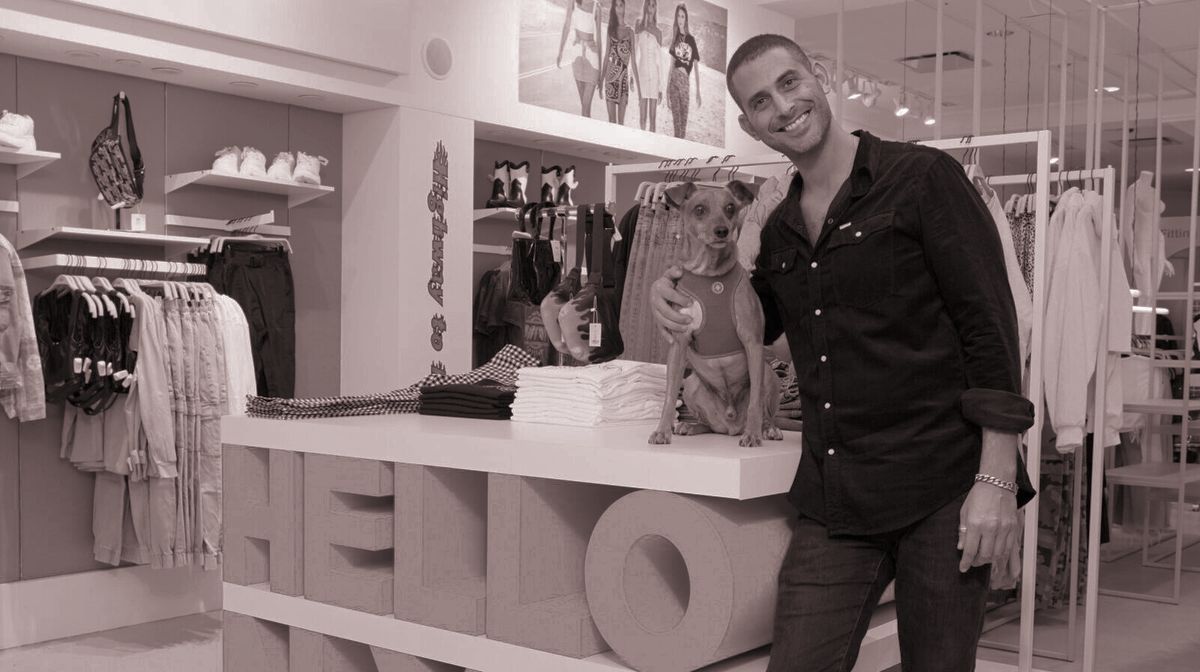
Edikted, which was founded by the
press-shy Israeli entrepreneurs Dedy Shwartzberg and Zvika Alon, is a private company run out of Los Angeles. They have 11 locations in the U.S., with four more openings on the way—including the brand’s first London outpost, on Carnaby Street. Based on an analysis of data from 40 million credit cards, the third-party tracking firm Consumer Edge estimated that Edikted’s 2025 net revenue was between $250 million and $300 million, and that the retailer is
currently up 35 percent in Q1 versus the prior quarter. That would put it on track to reach $400 million this year. (An Edikted spokesperson said those figures were inaccurate but declined to provide more detail.)
The store’s appeal isn’t just the product; it’s the experience and the merchandising sense, which underpins a fast-moving app-to-closet loop. The clothes appear in feeds next to Coach handbags and Rhode Beauty. The sweatshirts are of the moment—Parke collegiate lettering, White
Fox bubble letters, Altar’d State bows. Indeed, the “dupe” economy often associated with Gens Z and Alpha isn’t primarily about apparel, but rather accessories and beauty—categories where influencers showcase expensive taste while mentioning clothing almost as an afterthought.
The shopping ritual has a rhythm, too. Mother-daughter duos manage the lines with a split strategy: Mom holds the fitting-room queue while her daughter browses, then pivots to checkout when a room opens. Once she’s
purchased, there’s basically no return; the refund isn’t worth fighting the crowds again. The product mix skews to the moment: lace corset tops, babydoll tanks, denim micro-minis, balanced with oversize hoodies and bows on track pants. Gone is the era of “going-out tops and black pants” that mall stores built around Friday nights a generation ago. |
In many ways, the company’s trajectory itself is the story, especially amid this turbulent period for teen
fashion. Several teen brands have stumbled as macro headwinds bite. Forever 21, long a dominant player in this space, liquidated its U.S. stores after filing for bankruptcy in March 2025, citing impossible price competition from Shein and Temu. And those platforms are now facing pressures of their own: When Trump killed the de minimis exemption in May 2025—eliminating tariff-free imports under $800 shipped directly into the U.S.—daily active users on both platforms
dropped as prices rose. Edikted has been partially insulated from that shift. Its U.S. store footprint, along with domestic wholesale partnerships with PacSun and Nordstrom, helped shield it from the same pressures. |
|
|
|
Shwartzberg previously co-founded Adika, a direct-to-consumer brand with a similar playbook, and sold it to
Golf & Co Group in 2022. He and Alon, who previously worked at Adika, appear to be operators who know how to build a business for an exit. They learned quickly that using TikTok data and algorithmic trends could guide merchandising decisions—allowing them to introduce new products quickly and determine what teen shoppers wanted in near real time.
Teen fashion has always had a loyal customer base. Before Forever 21, there was Wet Seal, Contempo Casuals, and Delia’s—retailers that catered
to the ever-present teen impulse to buy what everyone else was wearing, as cheaply as can be (or at least within the limits of babysitting money and birthday cash). What’s changed is the delivery mechanism. Algorithms now track what a 16-year-old clicks, and serve endless variations until she either buys or disengages. Social platforms have collapsed the distance between discovery and purchase.
Pricing is another element of Edikted’s strategy. A former executive from another teen retailer
described the brand’s approach: “The ticketed prices are higher, but they’re always on promo, so the girls think they’re getting a good deal. Classic high-low psychology.” A look at Edikted’s site shows the strategy in practice: A $27 striped off-the-shoulder top sits with a “comp value” of $54, the lower price shown in red.
But the “comp value” listed on Edikted’s tags isn’t necessarily a previous selling price. Instead, it’s a comparison price that the company assigns—typically
meant to reflect what a similar item might cost elsewhere in the market. Alexandra Roberts, a Northeastern University professor of law and media, notes that the concept is often confusing: “Comp value is opaque, even to lawyers,” she said. That ambiguity becomes more significant when stores advertise discounts, especially since teen shoppers typically aren’t on alert for consumer language that deftly navigates F.T.C. guidelines. (Edikted declined to
comment.)
Shwartzberg and Alon have built and sold a teen brand before, and then moved on. Whether Edikted is the final destination or simply the next step, they aren’t saying. For now, though, teens seem perfectly happy walking around with those pink shopping bags. |
What We’re Reading…
and Looking At…
|
Peter Nordstrom says the store’s top-selling brands include Chanel, Ugg, Nike, Nordstrom
white label, Vince, and On. No surprises, but it really does lay out America for you. [The BoF Podcast]
Former blogger Morgan Stewart is Substacking! [Boobs and Loubs]
I would bet my Chanel jacket I
know who the “fashion Substacker” is that shared their salary info with New York magazine. [Totally Recommend]
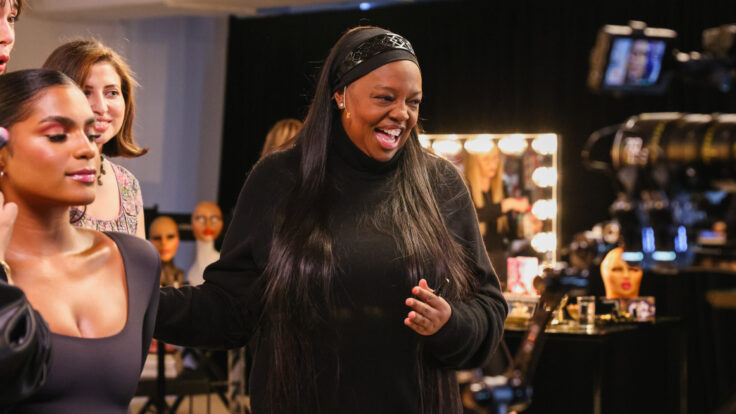
Nina Park is the Danielle Goldberg of makeup artists.
[N.Y. Times]
Here is a very long Q&A with Christophe Lemaire. [Blackbird Spyplane] |
Until tomorrow,
Lauren
P.S.: We use affiliate links because we are a business. We may make
a couple bucks off them. |
|
|
|
Puck fashion correspondent Lauren Sherman and a rotating cast of industry insiders take you deep behind the scenes of this
multitrillion-dollar biz, from creative director switcheroos to M&A drama, D.T.C. downfalls, and magazine mishaps. Fashion People is an extension of Line Sheet, Lauren’s private email for Puck, where she tracks what’s happening beyond the press releases in fashion, beauty, and media. New episodes publish every Tuesday and Friday. |
|
|
|
The industry’s go-to source for unflinching reporting on the trillion-dollar business of artificial intelligence - perhaps the
single most important technology of our time. Ian Krietzberg, the powerhouse journalist behind The Deep View, delivers twice-weekly insights into the latest dealmaking and breakthroughs in A.I., and how the intersecting worlds of finance, entertainment, media, and politics are being transformed in its wake. |
|
|
|
Need help? Review our
FAQ page or contact us for assistance. For brand partnerships, email ads@puck.news.
You received this email because you signed up to receive emails from Puck, or as part of your Puck account associated with {{customer.email}}. To stop receiving this newsletter and/or manage all your email preferences, click here. |
Puck is published by Heat Media LLC. 107 Greenwich St., New York, NY 10006 |
|
|
|
|