|
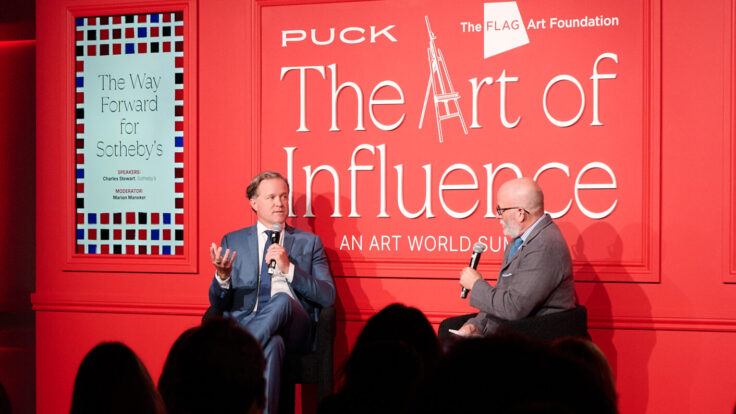
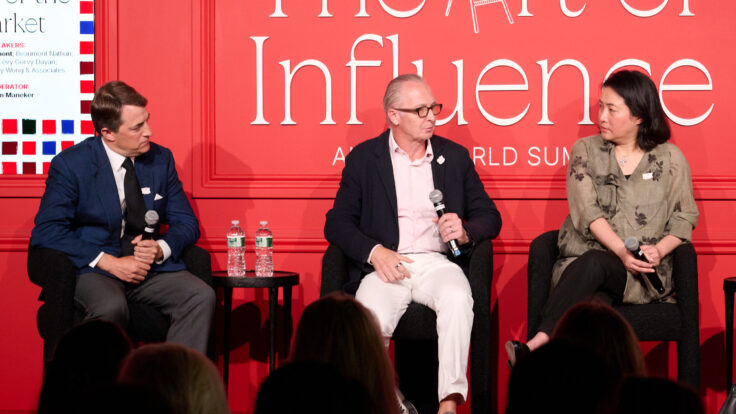
Welcome back to the Wall Power Inner Circle. I’m Marion Maneker.
Tonight, we’re going to spend some time with Charles Moffett to discuss the challenges of running a medium-size gallery at this particular moment in the art market cycle. There’s been so much speculation about the fate of midsize galleries during the current downturn, and this art fair week seemed like the perfect time to focus on this sector.
But first…
|
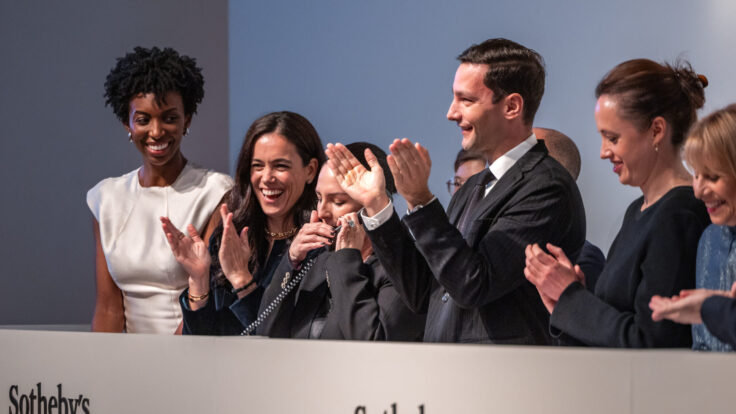
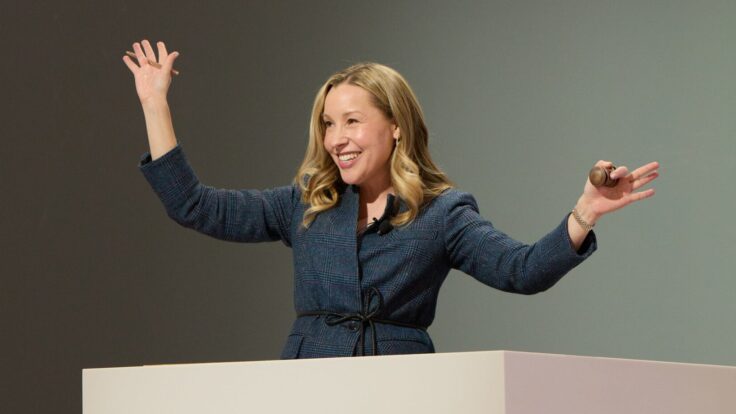
- Loïc goes live: A couple of weeks ago, we asked you whether you wanted to see Jussi Pylkkänen hold a live auction of Fair Warning’s Picasso work on paper. A number of you responded affirmatively. Loïc Gouzer, the founder of Fair Warning, heard your request, and is planning to hold the sale next Thursday at 5 p.m. at Coco’s. If you want to attend, D.M. Fair Warning on Instagram for an invite.
|
|
|
|
A MESSAGE FROM OUR SPONSOR
|
|
|
- Christie’s Hong Kong sale: With their own headquarters in Hong Kong, Christie’s can now spread their auction calendar around the year. Late last week, the firm held three sales of Chinese ceramics, furniture, and modern and contemporary ink paintings that brought in $59.7 million (HK$463 million). Highlights included a sale of three blue-and-white vases from different periods that brought in nearly $21 million. Furniture continued to outperform estimates, with a huanghuali table selling for more than four times the estimate. Meanwhile, a horseshoe-backed chair made more than 10 times the estimate, and a stool sold for more than seven times the estimate, among other works that saw intense bidding. Among the porcelains, there were vases that made nearly 10 times their estimates, a charger that made more than two and a half times the estimate, and a dish that sold for 20 times the estimate. Finally, ink paintings saw strong results for Zhang Daqian, Huang Zhou, Huang Binhong, Wu Guanzhong, Xu Beihong, and Qi Baishi.
|
|
And now, on to the main event…
|
|
|
|
The gallerist explains how he got started after his tenure at Sotheby’s, what it’s like dealing with tariffs, why art advisors are the unsung heroes of the art world, and what to make of the (slight) upside to the downturn.
|
|
|
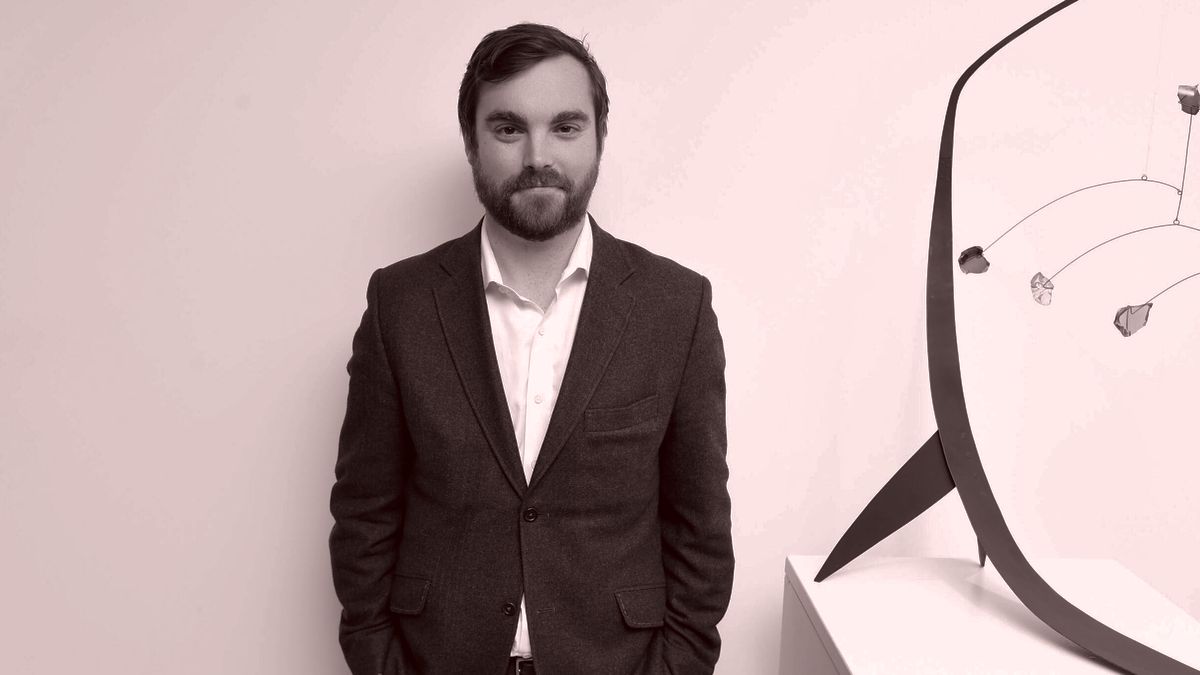
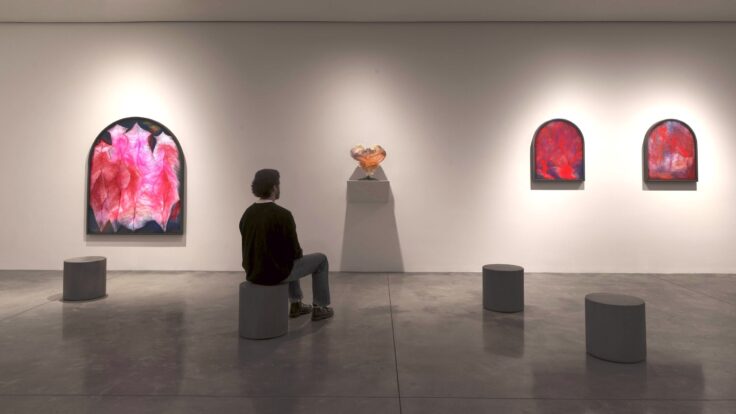
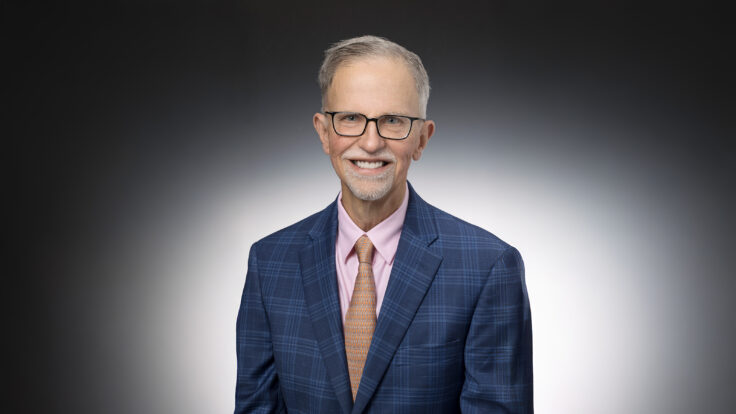
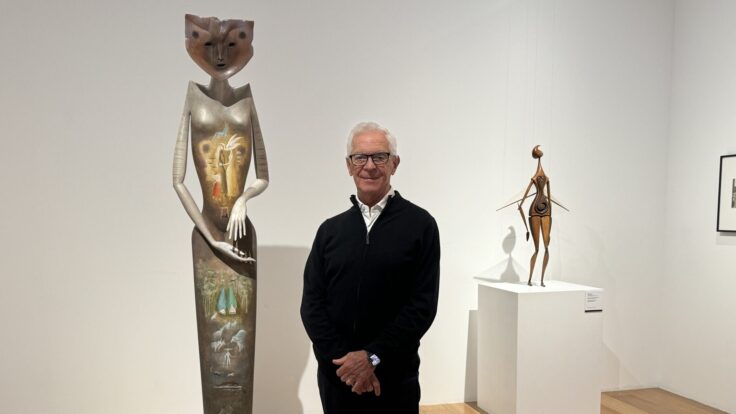
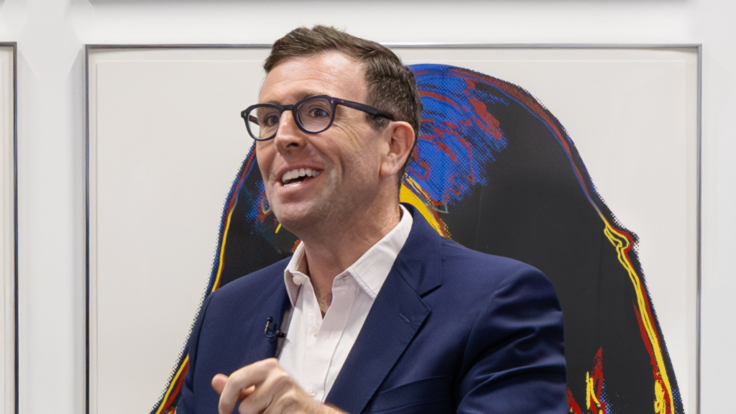
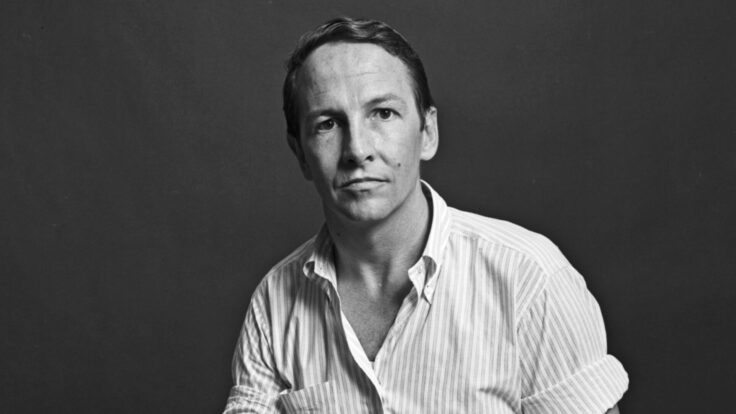
Charles Moffett, a former contemporary specialist at Sotheby’s, opened his eponymous gallery in 2018 during the ascent of a historic art market boom boom era. The gallery, which represents artists like Melissa Joseph, Lily Stockman, Julia Jo, and Kenny Rivero, has recently expanded, including to a new location at 394 Broadway, right in the heart of the gallery district hosting Tribeca Gallery Night on Friday. He recently hired Hannah Root to be director of sales.
Midsize galleries have become a subject of intense fascination, and even schadenfreude, amid the twin clang of the sustained market downturn and acute post–Liberation Day economic confusion. And yet Charlie seems to be taking it all in stride. So I sat down with him two weeks ago, which happened to be about three weeks into the tariff turmoil, to get a candid assessment of his market perspective. The conversation has been lightly edited for clarity.
|
|
Marion Maneker: Can you give me an overview of what your business is, how you got started, and how you see yourself within the grand scheme of the art industry?
Charlie Moffett: After four years at Sotheby’s, I missed my relationships with artists. I had the opportunity to work with some artists while I was there—doing basic fact checking, condition checking, that sort of thing. And that was honestly sort of the highlight, being able to talk with these artists, even though they loathe to talk with auction houses. It reminded me just how important artist relationships are, and how I missed doing that.
So, I set off with this idea to open up a gallery. I had one show set up; it was Lily Stockman. I called her right before I left Sotheby’s and said, “I’m thinking about leaving. I need an artist to show, though it may be in a parking lot in Queens, but we’re going to have a show.” And she said, “Sign me up, I’m ready.” I didn’t know what to expect. I didn’t know if I was going to be good at it, and I didn’t know if artists were going to take to the gallery. And two years in, it seemed like we were gaining a little bit of traction. It’s had this gradual evolution, from very humble beginnings with no real plans of representation. It’s been a real roller coaster ride of high highs and low lows.
What’s the process of attracting artists, and what are they looking for in a gallerist?
I think it’s for the relationships that we’ve established. So much of it is just trust. So many of them have had difficult relationships with dealers, whether it’s not getting paid, whether it’s broken promises, or broken artwork. There’s a certain level of trust that they’ve put into the gallery that we’re going to deliver for them—obviously from a sales perspective, but more so that we’re going to treat them like partners, and not just somebody who brings work to us for us to sell, and then we cut a check.
|
|
|
|
A MESSAGE FROM OUR SPONSOR
|
|
|
|
What does representation mean, either to you or your sense of what other galleries do?
I think it’s very different from gallery to gallery. For us, representation sometimes means formalized contracts, because artists want that. Other times, it’s more of a handshake deal where we’re talking about what the expectations are. For instance, if you’re a New York–based artist, and you’re eligible for healthcare, we give you the opportunity to be on the gallery’s healthcare, which is no small thing. It’s something that emphasizes for me that they’re part of the gallery and its lifeblood, and not just somebody who shows work here.
|
|
Let’s flip to the collector side. Do you have a strategy around building a collector base, or is it all just personal charm?
I wish I could say it’s all personal charm. We have loyal collectors who I feel as though they support every year, a few times a year. We do have a few collectors who, I think, if I called them and said I needed help to make payroll, they would [buy a work] … I was never the person who liked to sell pictures. I don’t think of myself as a salesperson. There’s this hit list of collectors and advisors who I think we would have good relationships with if we were given the opportunity. But a lot of it is just getting them through the door, which has honestly been, sometimes, the hardest thing to do.
I think the best way for us to look at it is just putting ourselves in opportunities to meet new people, new collectors, and new advisors. Art Basel Miami this past year was the epitome of that. We met collectors we’d never met before, and who we never thought we would transact with. Finding opportunities like that is what’s going to help push us forward. We’ve done a number of fairs over the years, and to be brutally honest, we’re starting to taper off some, because we feel as though we’ve hit our limit in terms of people we’re meeting and the work we’re selling. We need to scratch and find new territory as best we can. If we keep going back to the same well, it’s eventually going to be dry.
You brought in a new director. Can you provide a little context and explain what the goal is there?
Our team has sort of expanded and contracted a few times over the past few years. And I was really looking for somebody who had experience at a larger gallery, somebody who worked closely with artists and could help us navigate the growth of this gallery—from what we imagined being a small-scale to a soon-to-be mid-scale gallery. And Hannah has brought a lot of experience, expertise, knowledge, and relationships that have been very beneficial in the first two months since she got here. The energy she’s brought has been really important. By that I mean just thinking differently than what our normal cadence has been—collector groups, patron groups, advisory groups, finding new ways to activate the space.
Can you talk to me about how you deal with art advisors?
I think art advisors are the unsung heroes of the art world, if they’re doing it right. We’re fortunate to work with a number of advisors who’ve been absolutely paramount to the success we’ve had this year, and throughout the gallery’s career—just being able to have a trusted resource who can help place work. I think working with the right advisors really does open some amazing doors, especially since they’re also similar to galleries, in that they’re constantly looking for new collectors. The good ones are really able to pitch the program in a meaningful way, and are almost able to talk about the work more effectively than we are.
|
Million-Dollar Market Question
|
|
There have been two years of a slowing art market, and now we’re dealing with the confusion around tariffs. Something seems to be happening, but I’m not on the front lines, and I’d be curious to hear your point of view.
There are a lot of similarities with 2020, just in terms of the environment. It’s a similar moment in time, where you can hear a pin drop when you send out an email, and you’re just sort of wondering when somebody’s going to respond, if they’re going to respond. A lot more phone calls have been taking place, which is something I did in 2020—just making sure the connections are staying more or less intact. I’ve spoken to a number of advisors who are like, I’m not sending material out right now, I just don’t feel comfortable doing it. The difference for the galleries: The art fairs are still happening; the exhibitions are still happening; we’re still paying booth fees; we’re still paying shipping fees, photography fees.
|
|
|
|
In 2020, everything really just stopped. Money wasn’t really going out the door. Now, at the moment, money is still going out the door at a pretty rapid clip. So while there are some similarities, I’d argue that it’s a lot tougher now than it was in 2020.
That’s tough. But is there anything positive about the downturn?
I think there needed to be a bit of a reset in the art market. We were getting to the point where somebody was leaving graduate school and they were pricing work at $50,000—initial starting prices were just way out of control. And the way prices were being increased year over year for artists was also problematic. I just think that’s not sustainable. This used to be a much more accessible place to come and participate if you were a younger, newer collector. Spending under $10,000 for a sizable artwork that you could live with is a lot more enticing than having to spend $50,000 for an artist who’s in no museums and doesn’t have anything on their C.V.
There was a huge boom in expectations for pricing for younger artists, and we’ve tried to maintain, here, a much more conservative approach to growing markets. And honestly, some of those conversations have been very tough—to impress upon somebody why we need to slow-play the growth of a market from a primary market side. And now you’re hearing all these conversations of, Should we lower prices? Should we be making things even more accessible to collectors? I know various dealers have their own philosophies on that; we’ve taken a slightly different approach. Rather than saying, Okay, we’re going to lower your prices for your artwork, maybe try making work that is on a smaller scale, and we’ll price it in a more accessible way. I just want to give each artist the tools to understand the climate we’re now operating in.
Rather than simply giving people discounts?
We’ve tried to stay pretty strong in terms of what we do when it comes to discounts, just because we feel as though things are priced reasonably. But we’ve seen a real shift in terms of what people are looking for, and a lot of that is smaller-scale artwork. And that has also been a difficult conversation with artists.
You know, a lot will say, Well, it takes me just as much time to make a small work as it does a large work. And my argument has been, look, I’d rather you make 10 small works and we sell all 10, than make two large works and maybe struggle to sell one or both.
That said, I’ve never been somebody who says, you know, you’ve got to make these small artworks. My role in all this is to provide my candid feedback of what I’m seeing, and what I think is a path forward for success, both for a career, but also knowing that people need to sell artwork in order to pay for studio rents, pay for materials. I would love nothing more than to go out and be able to sell the largest paintings or the largest sculptures that everybody makes, knowing that those larger works cost more money. But I also am seeing a trend right now in terms of what people are spending and what they’re spending it on.
The Felix art fair was pretty much the epitome of that. At about $15,000 to $20,000—people were comfortable up to those price points. As soon as you got over $20,000, it was like, Gotta think about this. I need some time. Let me talk to my wife. Let me go measure the wall. And that wasn’t the case a year ago, wasn’t the case two years ago.
|
|
That’s it for today. Back on Friday with more of the art fair madness.
M
|
|
|
|
The ultimate fashion industry bible, offering incisive reportage on all aspects of the business and its biggest players. Anchored by preeminent fashion journalist Lauren Sherman, Line Sheet also features veteran reporter Rachel Strugatz, who delivers unparalleled intel on what’s happening in the beauty industry, and Sarah Shapiro, a longtime retail strategist who writes about e-commerce, brick-and-mortar, D.T.C., and more.
|
|
|
|
Finally, a media podcast about what’s actually happening in the media—not the oversanitized, legal-and-standards-approved version you read online. Join Dylan Byers, Puck’s veteran media reporter, as he sits down with TV personalities, moguls, pundits, and industry executives for raw, honest, sometimes salacious conversations about the business of media and its biggest egos. New episodes publish every Tuesday and Friday.
|
|
|
Need help? Review our FAQ page or contact us for assistance. For brand partnerships, email ads@puck.news.
You received this email because you signed up to receive emails from Puck, or as part of your Puck account associated with . To stop receiving this newsletter and/or manage all your email preferences, click here.
|
|
Puck is published by Heat Media LLC. 107 Greenwich St, New York, NY 10006
|
|
|
|