Hi, and welcome back to Line Sheet. It’s Memorial Day in the U.S., so I’m truncating things for your sake and mine.
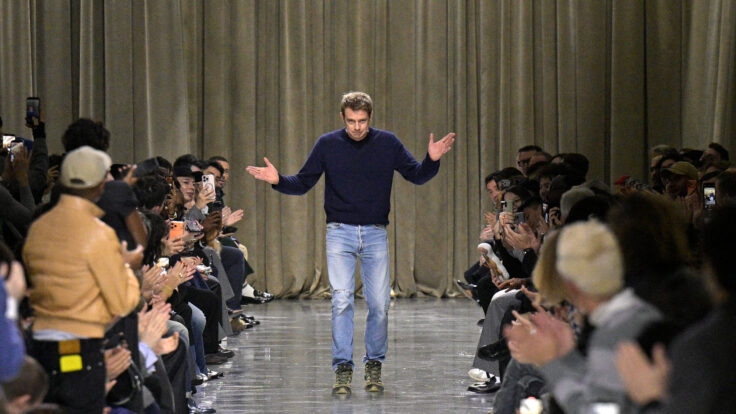
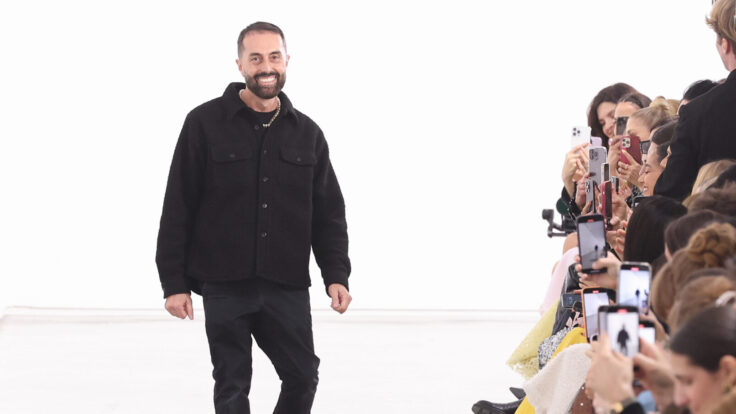
Along with my requisite reading list, you’ll find a look at Chanel in the early days of Matthieu Blazy, whose appointment as head designer marks not simply a generational transition, but a new era. What happens next at Chanel will serve as a bellwether for the rest of the industry—which is waiting, not so patiently, for this year to end in the hope that everything will normalize in 2026.
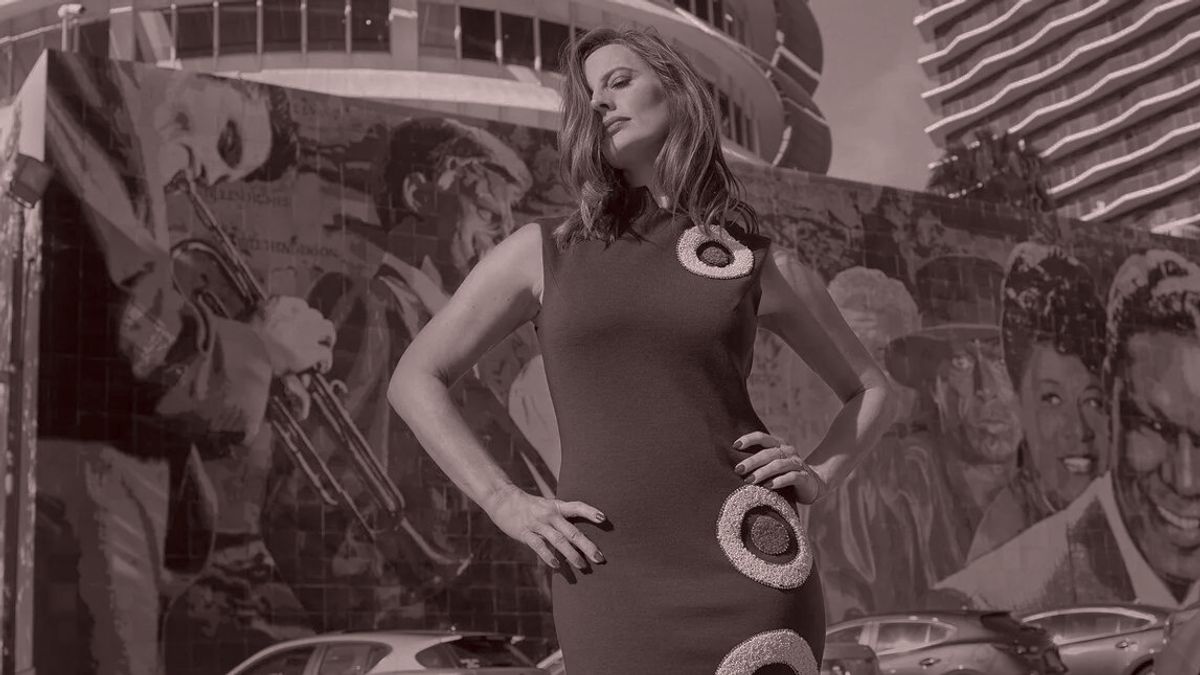
Programming note: The star of tomorrow’s episode of Fashion People is… Parker Posey, forever of Party Girl and now The White Lotus Season 3. The conversation took place last week at the Emmys edition of Puck’s Stories of the Season live event series. We discussed everything from Lorazepam to her collaboration with costume designer Alex Bovaird to create a truly nuanced caftan wardrobe for her character on the show. If you need a visual, Parker was wearing this Bora Aksu dress while we chatted. Listen here and here.
|
|
|
|
A MESSAGE FROM OUR SPONSOR
|
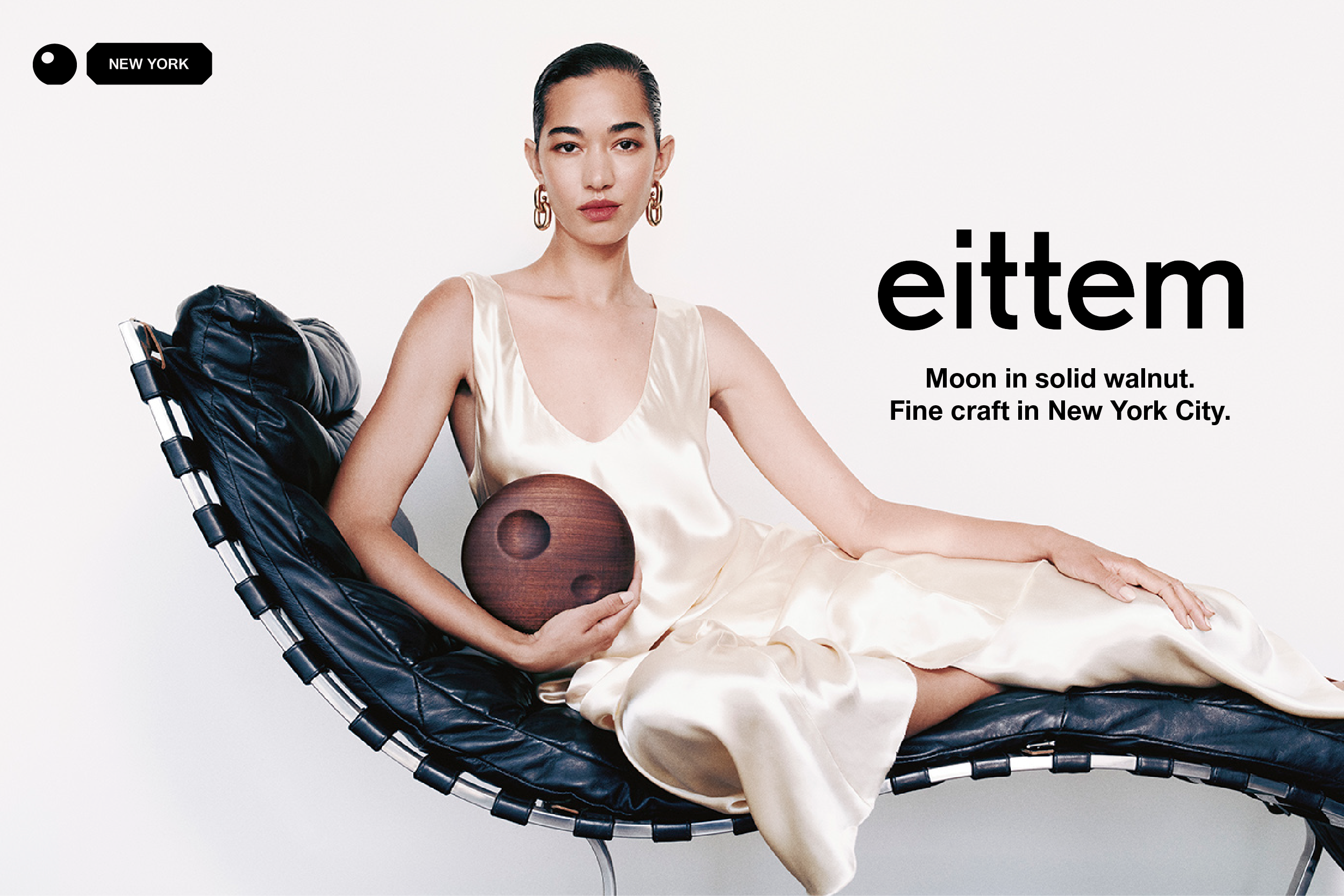
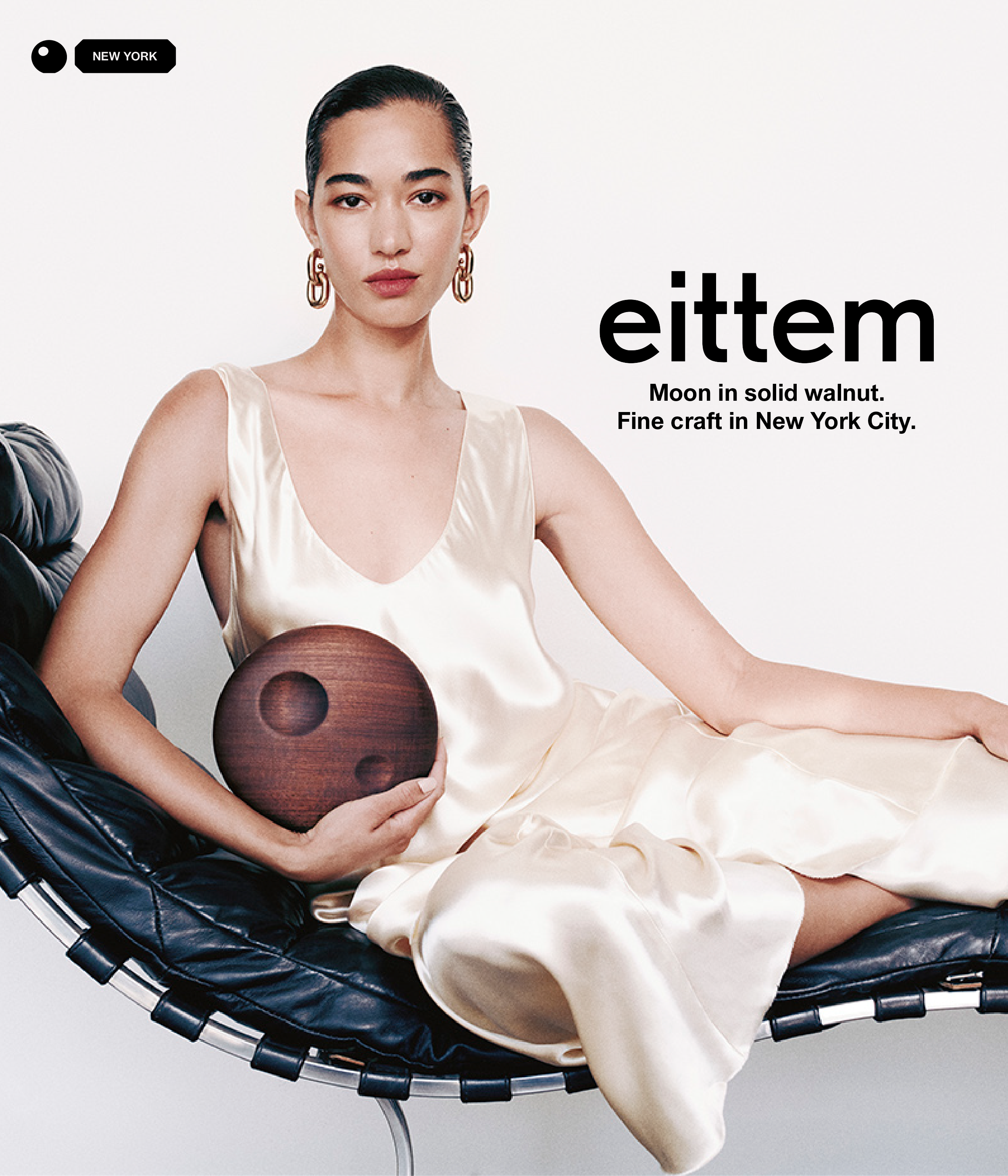
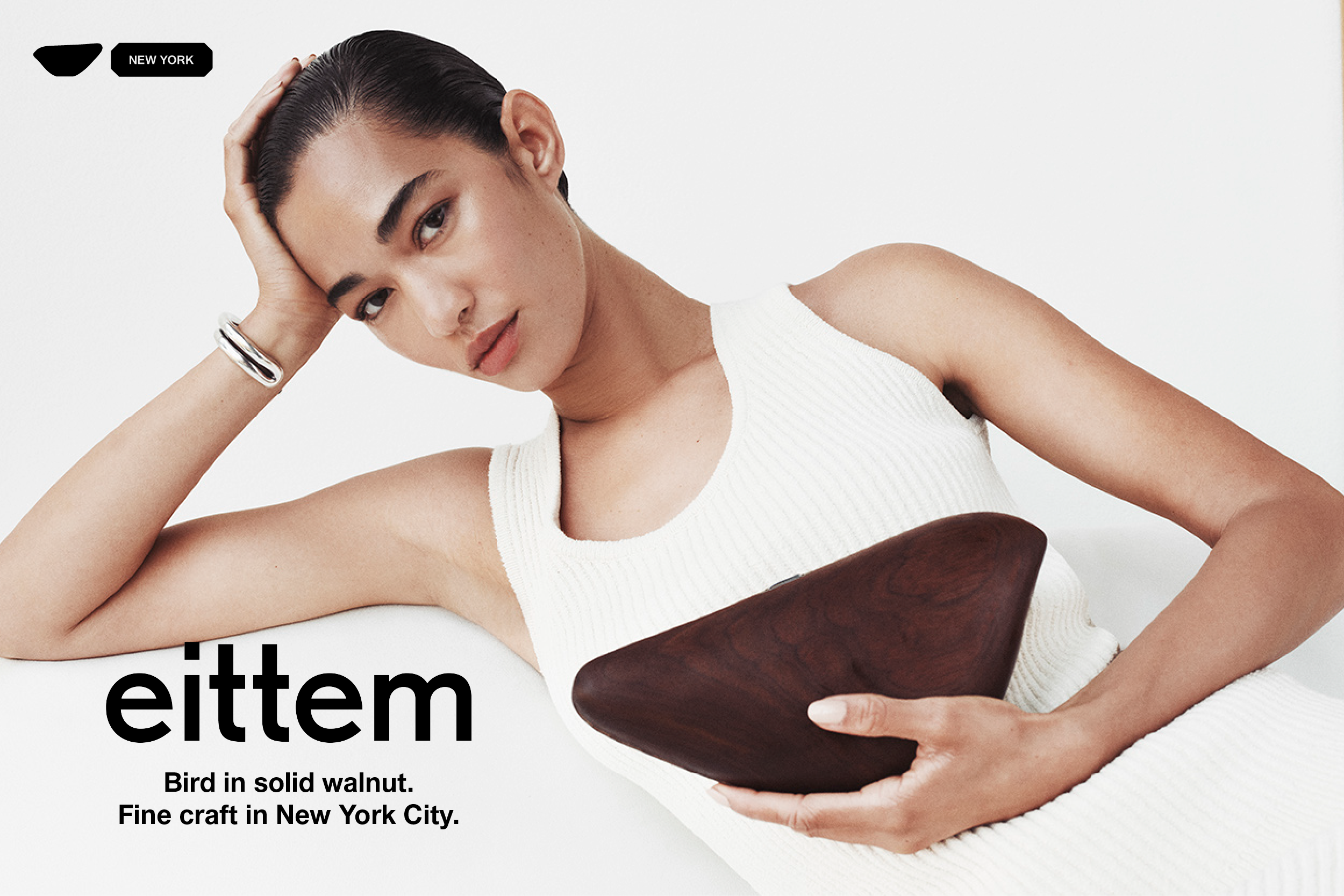
Rooted in the pursuit of fine craft, Eittem handbags are specially created in low volumes in Chelsea, New York City. Using a bespoke method with traditional and state-of-the-art tools, the small, independent studio unites heritage craft with modern sensibilities. Here, craftspeople transform salvaged American walnut into one-of-a-kind, functional sculptures of wonder. Archetypes from nature — owl, bird, and moon — are distilled to their purest forms, taking flight in the inaugural collection.
DISCOVER THE COLLECTION
|
|
|
For those of you with the Shoppies: I’m in New York for a couple of days this week to host a dinner with Puck’s very own Rachel Strugatz and another beauty queen, Trinny Woodall of Trinny London fame. I had trouble deciding what to wear (have to give the Phoebe Philo suit a break), and finally settled on a strapless column dress from The Row and their Vika sandal in burnt orange. I’m not big on open-toe shoes, especially in the city. When I do partake, I mostly stick with my best friend Emme Parsons’ line, which is elegant and carefully priced. (If you’re curious about Emme’s shoes, I suggest starting with her Simple flat in suede or the bestselling Susan.)
But I’m glad I went for the Vika, especially in a color. (I almost always wear black shoes.) They offer enough coverage (nobody wants to see that much of your foot) and a little lift from the micro-heel. (I wore them with black jeans to dinner last week, and will rely on them for a significant portion of my New York trip.) As I’ve written, shoes are The Row’s strongest category, and I probably buy one pair every other season.
Mentioned in this issue: Chanel, Matthieu Blazy, Leena Nair, the Wertheimer family, Bruno Pavlovsky, Karl Lagerfeld, Tom Cruise, Loro Piana, Bottega Veneta, Louis Vuitton, Hermès, Marc Jacobs, John Galliano, Jonathan Anderson, Delphine Arnault, Dior, Maria Grazia Chiuri, and many, many more…
No Three Things today on account of the holiday. Let’s get right to Chanel…
|
|
|
|
News and notes on the subtle transformation at Chanel under Leena Nair and, now, Matthieu Blazy, as the Pavlovsky era appears to be fading.
|
|
|
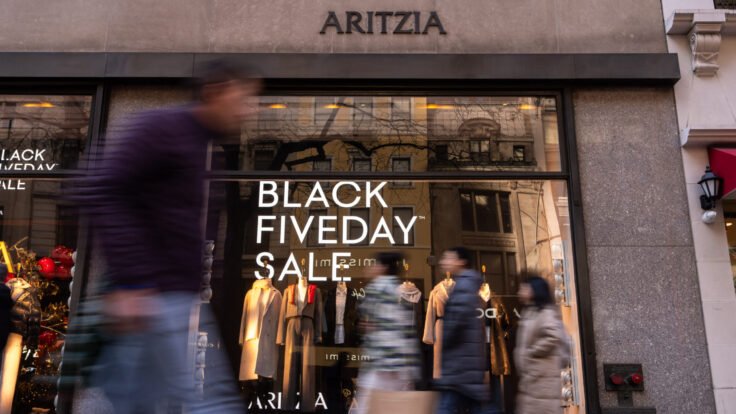
Last week, after Chanel released its 2024 report, the phrase “sales slide” appeared in numerous headlines—a reference not only to a 4 percent decline in global sales at the megabrand, but also a 28 percent drop in profits. But these results didn’t shake me. After all, Chanel is a private company that only publishes its numbers to appease the nosy press. Chanel also reported $3.4 billion in post-tax earnings, and spent $1.8 billion on capital expenditures (a 43 percent increase from the previous year), plus $2.5 billion on “brand activities,” from marketing to off-piste runway shows catering to loyal clients. The company added nearly 1,900 employees, too. It was an investment year at Chanel.
That’s not to say the numbers don’t betray a great deal about the current state of the company, and broader concerns about the future of the luxury industry, which is experiencing the greatest slowdown in its history—even worse than during the Great Recession. This is a time of monumental transition, there’s no way around it. Matthieu Blazy’s appointment as the brand’s “ artistic director of fashion activities” doesn’t simply connote a generational changeover, but rather a complete strategy overhaul led by C.E.O. Leena Nair.
|
|
|
|
A MESSAGE FROM OUR SPONSOR
|
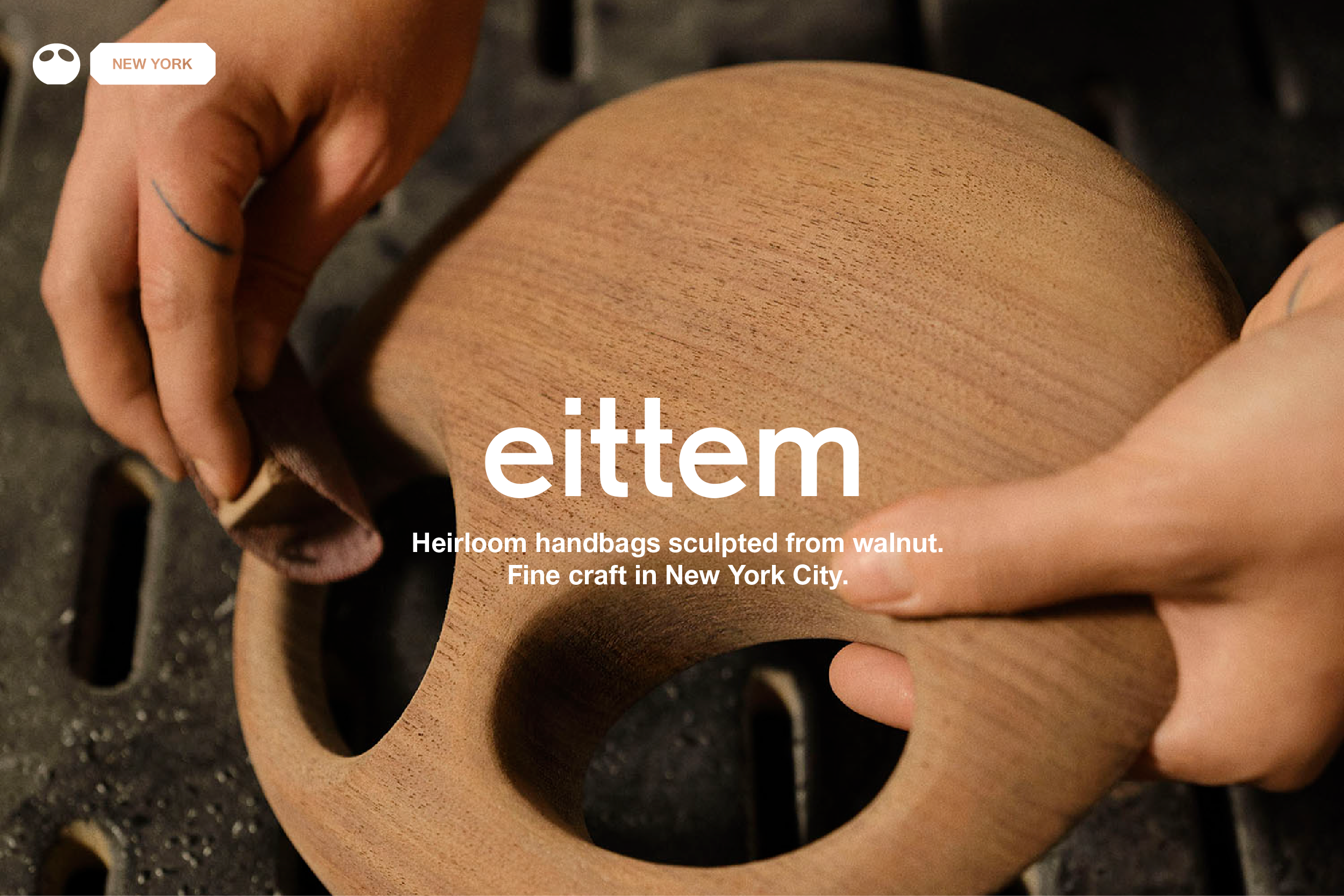
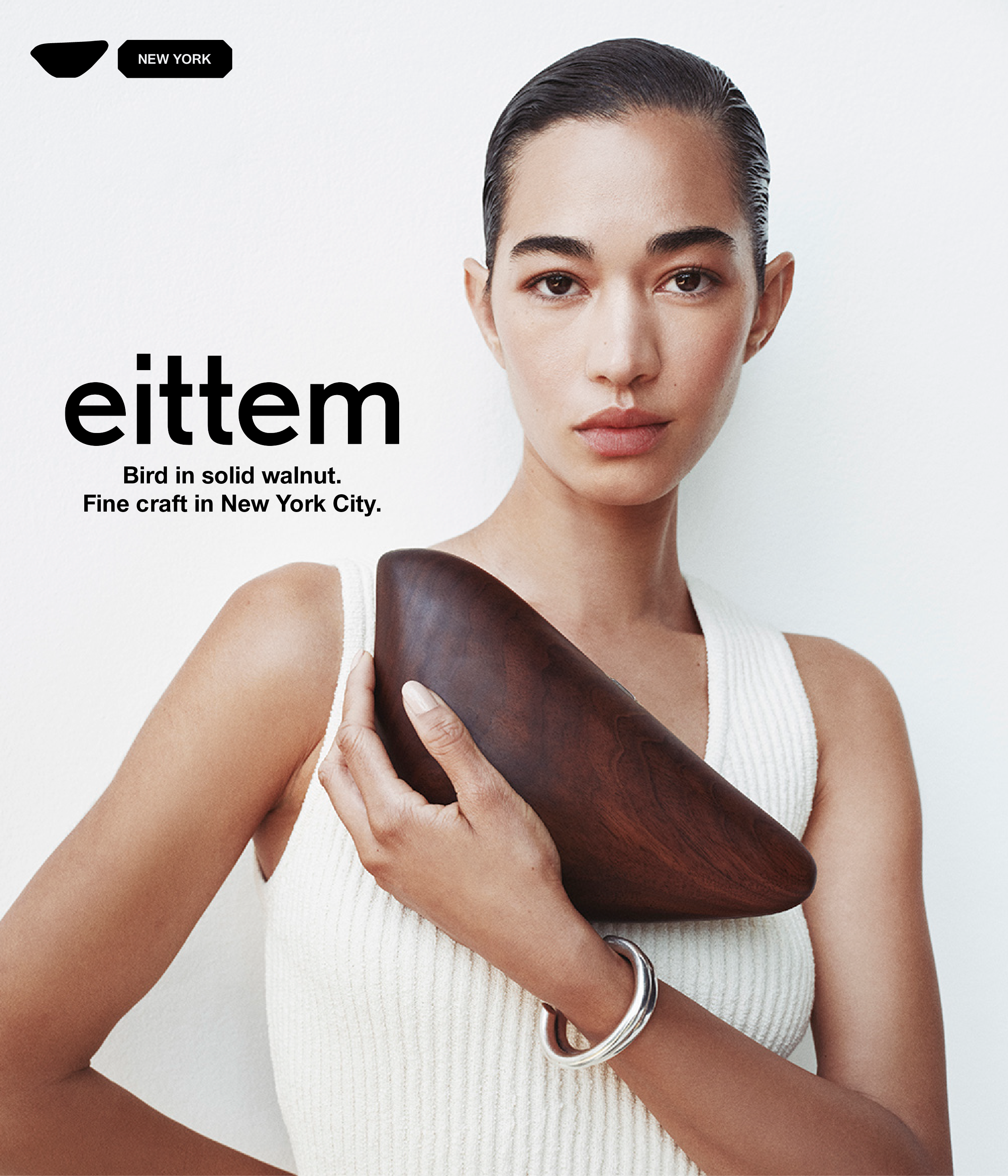
True luxury is marked by the hands of skilled artisans. Inside Eittem’s studio, craftspeople who have mastered time-honored skills hone a solid block of walnut into a polished fine object. Requiring talent, patience, and dedication, the process is a noble effort undertaken over the course of two weeks. Alpine leather and stainless steel are masterfully inlaid into the interior of the wood, culminating in a surprising harmony of tones and textures. Like alchemists, the team combines these natural and historically revered materials to form heirloom handbags.
EXPERIENCE FINE CRAFT
|
|
|
|
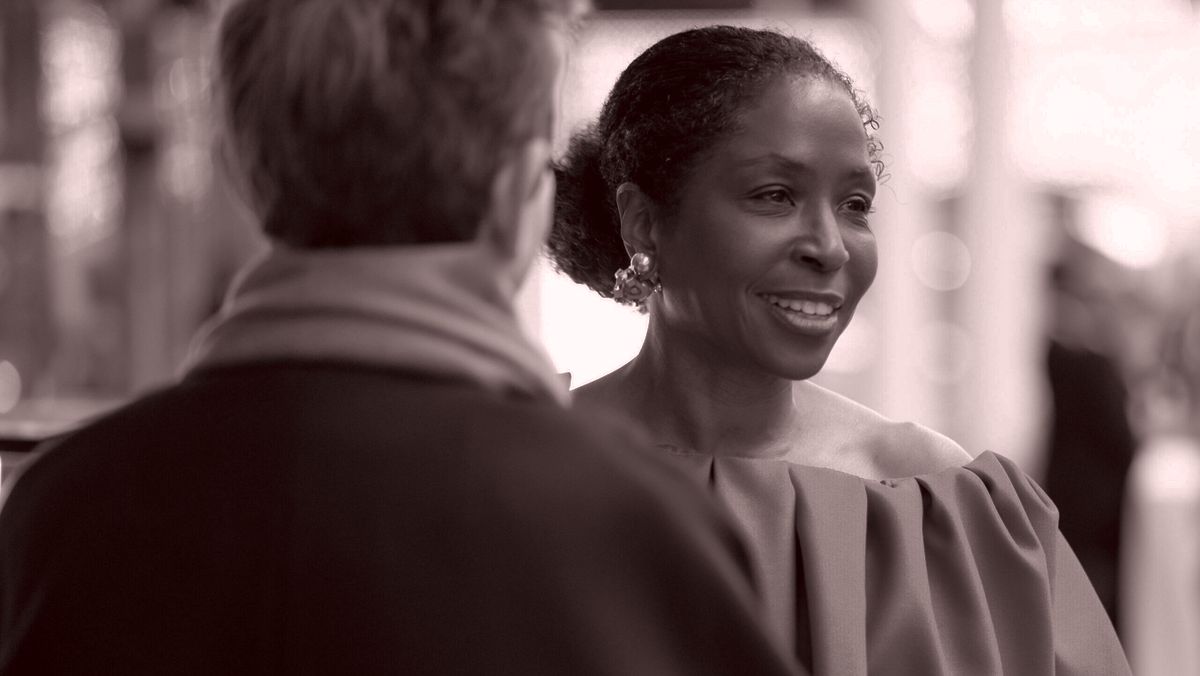
Nair’s 30-year tenure at Unilever, primarily in human resources, has made her an efficiency queen—an executive focused on streamlining operations while somehow enabling employee satisfaction. It’s remarkable how much she has already accomplished in less than four years at Chanel, given the old-fashioned and entrenched way in which it was previously run. Credit to the Wertheimer family, its owners, for recognizing that Chanel is a massive global entity that needs to be managed as incisively as the label on a stick of deodorant. Gone are the days of sentimental decision-making and the pas possible attitude that pervades French culture. The layoffs that took place in the U.S. earlier this year—about 80 people in the first tranche—showed that this is no longer Bruno Pavlovsky’s Chanel, despite the fact that the company’s once ubiquitous president of fashion has continued to serve as a spokesperson during each runway season.
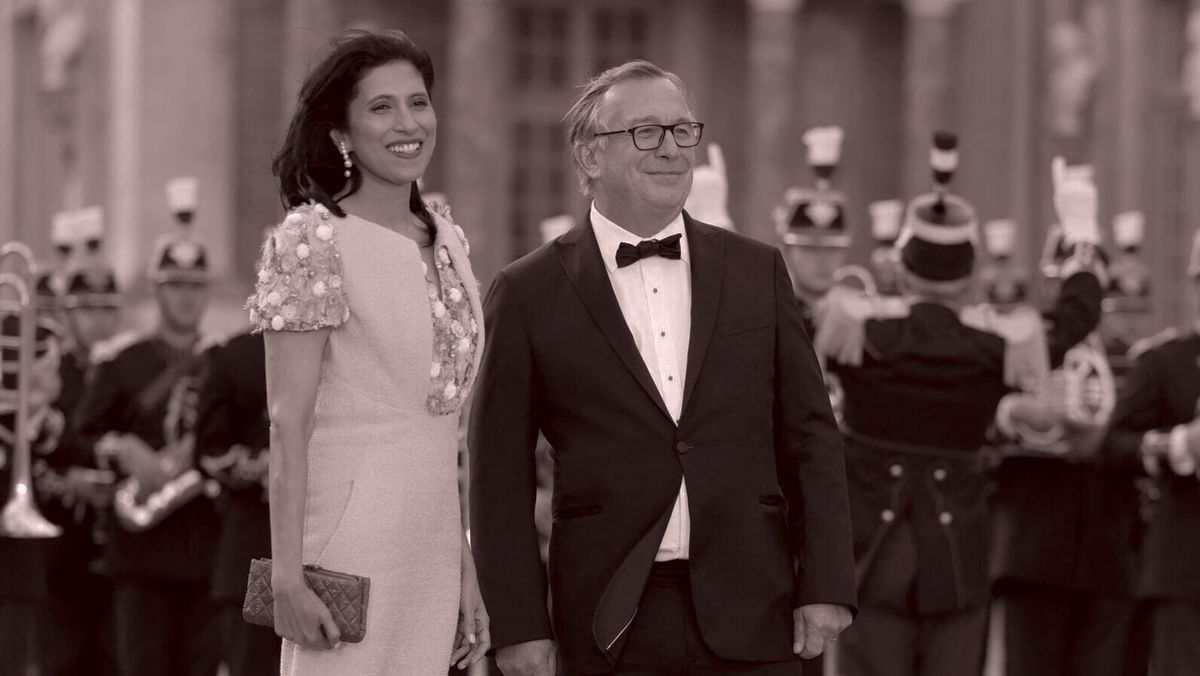
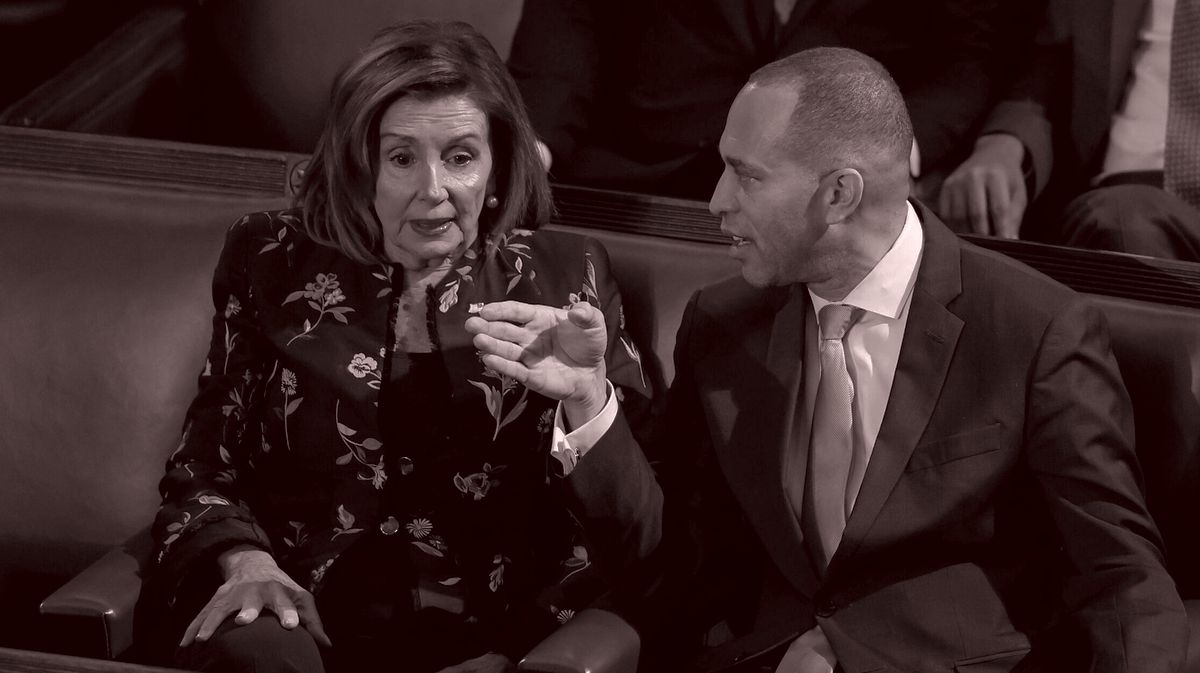
Pavlovsky represents the last vestige of the old way of doing things, and it seems that Nair is priming one of his deputies—presumably the American Joyce Green, who moved to Paris in early 2024—to effectively succeed him when he retires. Chanel insiders suggested that Pavlovsky’s receipt of the French Order of Merit by Emmanuel Macron a few weeks back was an indication that his planned denouement is likely sooner than perhaps anticipated. While Pavlovsky was integral in the hiring of Blazy—who attended his ceremony at Élysée Palace earlier this month—it may not make sense in the reorganization to have a president of fashion, per se.
|
|
Nair, as I’ve previously reported, is rearranging the business in such a way that will require a tremendous amount of agility and flexibility from its executives—un-siloing the operations, for instance, so that beauty and fragrance, fine jewelry, and fashion operate collaboratively, while also ensuring that no one in the organization ever has as much power as Karl Lagerfeld once did. Green represents a bridge between the old world and the new, and is comfortable working across categories. Pavlovsky may be only 62—the same age as Tom Cruise!—but he has worked at the firm since 1990, and may be less open to change.
Nair can achieve all this only because of the strength of Chanel, which sits at a truly unique spot on the luxury brand heat map. It is the most recognizable fashion house in the world, with the clearest identifiers—quilted leather, grey jersey, pearls, bouclé, gold link chains, ballet flats, flap bags, boxy jackets, etcetera—and an owned-and-operated fragrance and beauty business that drives volume. A friend recently asked me how many people buy full-price Chanel products every year: I’d estimate that they sell between 700,000 to 1 million handbags globally. So just think about how many lipsticks that must mean.
It is, indeed, a mass brand, and executives have been able to continue to impart its specialness while selling more (or as much) product. In 2017, Chanel generated $10 billion in sales; seven years later, that number was $18 billion. Does it have to be so big? It’s a question for the Wertheimer family and the fashion industry at large, which is nearing the end of its consolidation cycle, and seemingly forfeiting its position at the center of culture. There are few lines out the door, and demand is softening in China and the United States. Chanel’s decline in these regions, despite its best efforts, indicates the need for a different strategy.
Brands that have performed over the past year—Hermès, Loro Piana, Bottega Veneta, and Louis Vuitton—were all built on practical goods, not couture. Chanel cannot escape its history as a couture house, but that means it cannot simply mimic the Hermès approach. Like many luxury companies, Chanel has focused its effort on ultra-high-net-worth customers—those who spend $1 million a year or more at Chanel alone—and then the entry beauty customer, perhaps inadvertently neglecting the vast and still-privileged middle. Reading between the lines of the results, it’s clear that leather goods—not mentioned once in the release—likely pose the biggest challenge. As Pavlovsky has admitted himself, the perceived value of the bags does not match the actual prices. (This isn’t a leather goods house, and a 2.55 will almost certainly never garner the same level of respect as a Birkin.)
|
|
|
|
But I’d also point out the tremendous effort to increase direct-to-consumer beauty sales by opening standalone stores in China, especially. This strategy suggests that beauty and fragrance sales have slowed as the market has saturated, and the company is looking for new distribution opportunities on top of ways to widen margins.
|
|
Historically, Chanel has been a first mover in the market on so many fronts—from the appointment of Lagerfeld in the early 1980s and the seasonalization of leather goods in the 1990s, to the current direct-to-consumer beauty push. The arrival of Blazy, who will show his first collection in October, is the latest example. Back in the early days of Lagerfeld, and well into the ascendance of LVMH with Marc Jacobs at Louis Vuitton and John Galliano at Dior, the job of the designer was to create a halo effect that the company could use to push other products. At some point, that changed, and the designer became responsible for pushing the commercialized product, too. Now, in a transformed market, Blazy is something of a hybrid: His runway designs are meant to stoke sales, but Chanel’s new model, in which the wheels can successfully turn without a creative visionary steering, does not put all the onus on him.
It’s a bit different than what’s going on at Dior, which seems to be reverting to the old model in an attempt to revive sales. There’s no doubt that new Dior designer Jonathan Anderson has the hardest job in fashion as he attempts to create something novel and agenda-setting for his first men’s show. He must please Dior C.E.O. Delphine Arnault, collaborate with marketing head Olivier Bialobos, and wait patiently for the Maria Grazia Chiuri situation to resolve itself, with the knowledge that Dior is Bernard Arnault’s most prized possession. (There are no politics as tricky as those at Dior. It was, after all, Arnault’s first acquisition.)
And yet, Chanel is the brand on which B.A. built Dior, and on which the rest of the industry modeled itself for decades. Pavlovsky has said that the company will exhibit patience with Blazy, and allow him to develop his practice while the Chanel engine keeps chugging. That may be true, but it kinda has to work.
|
What I’m Reading… and Looking At
|
Arnault is pressuring European officials to make a trade deal with Trump. [ MSN]
Can you imagine a world without the Loewe puzzle bag? (Also, it’s so clever that it is impossible to artfully copy.) [ The Cut]
Every fashion person I know is obsessed with this dance troupe video by the filmmaker Ben Christensen—these girls are wearing Wranglers and boys-section t-shirts and are the coolest. [ YouTube]
There used to be a Lucille Roberts on the corner of 14th Street at Fifth Avenue, right across the street from the Forbes.com offices. I never went in (too much purple) but I always liked the idea of ladies-only fitness. This is an awesome story about the one remaining Lucille Roberts location in Forest Hills, Queens, and how the namesake founder lived the American dream up until her death in 2003. [ New York Times]
|
And finally…
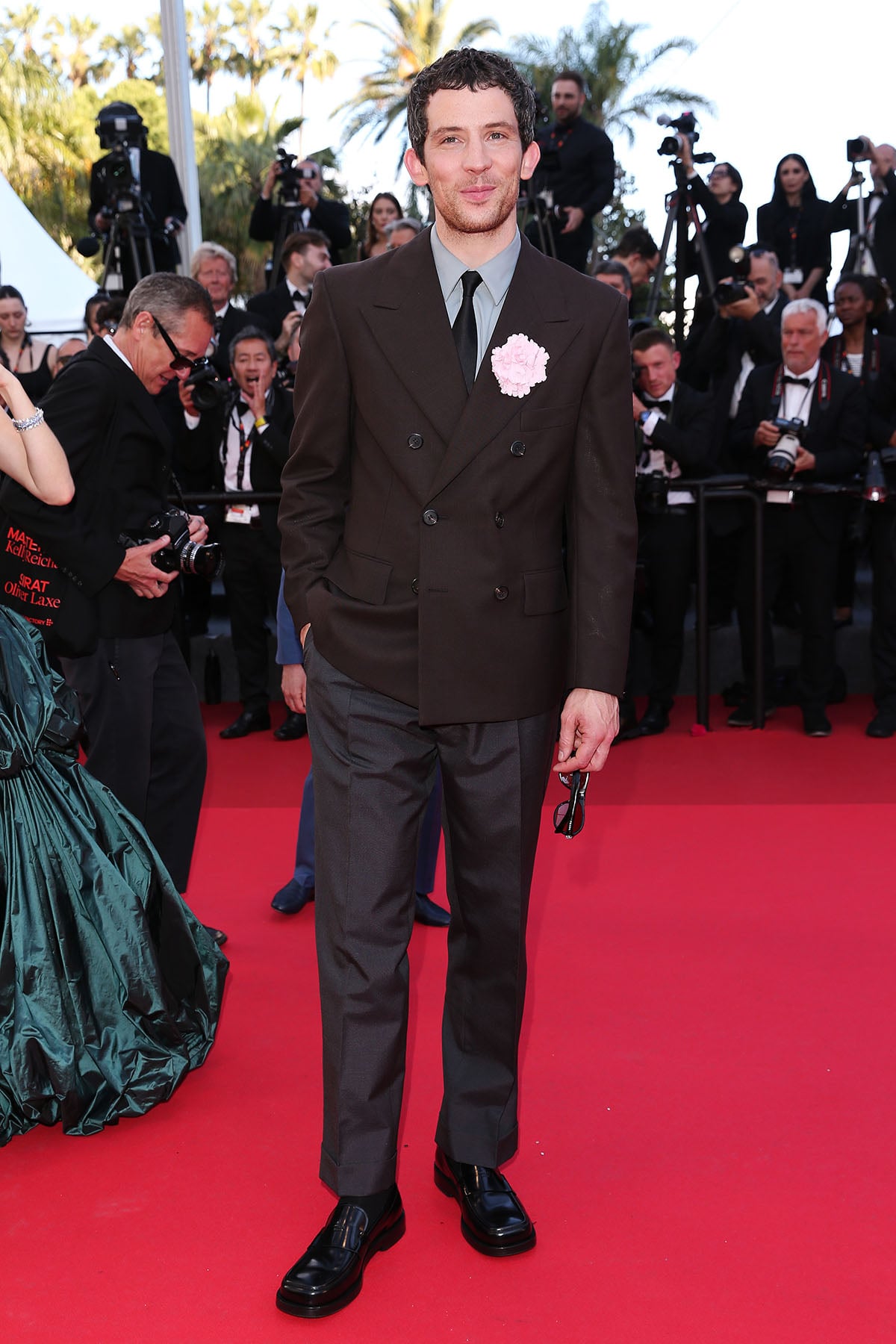
Best Dressed at Cannes, “Is it Over Yet?” Edition: Elle Fanning’s side part (the Valentino was good, too), Elle in Giorgio Armani (she is so pretty), Gillian Anderson in Emilia Wickstead (looked better moving), Margaret Qualley in this Chanel (it’s got that Danielle Goldberg touch), Jeremy Strong in Loro Piana (always), Alba Rohrwacher in Dior, Cate Blanchett in Louis Vuitton, Emma Mackey in Louis Vuitton, Joachim Trier in Prada, Josh O’Connor in Prada, and Alexander Skarsgård, whose approach to the red carpet is deranged and works only if you look like him.
Until tomorrow,
Lauren
P.S.: We are using affiliate links because we are a business. We may make a couple bucks off them.
|
|
|
Need help? Review our FAQ page or contact us for assistance. For brand partnerships, email ads@puck.news.
You received this email because you signed up to receive emails from Puck, or as part of your Puck account associated with . To stop receiving this newsletter and/or manage all your email preferences, click here.
|
|
Puck is published by Heat Media LLC. 107 Greenwich St, New York, NY 10006
|
|
|
|