{{ 'now' | timezone: 'America/New_York' | date: '%b %d, %Y' }} |
|
|
Hi, and welcome back to Line Sheet. Rachel
“Rachel@puck.news” Strugatz is in the driver’s seat today with the story of the most important investor in beauty: Alicia Sontag and her firm, Prelude Growth Partners. Rachel has all the details on her rise.
Up top, I take stock of Mark Guiducci’s first-ish issue of Vanity Fair, reveal my favorite model of our time, and share an H.R. update on
a beloved Bergdorf Goodman employee decamping to a major competitor.
Last night, I celebrated Los Angeles jacket season with a trip to San Vicente Bungalows to toast Sara Foster, who is a new face of Bobbi Brown. As Sara noted with gratitude, it takes a lot to get people to leave the house in L.A. (She is worth it.) Meanwhile, I just landed in Nashville, where I’m stopping off for two days to check out the new Hermès store—a 9,000-square-foot outpost in Wedgewood-Houston.
(It officially opens Saturday.) More on that soon. This trip was also a great excuse to visit Libby Callaway.
Mentioned in this issue: Alicia Sontag, Neda Daneshzadeh, Prelude Growth Partners, Phlur, Sol de Janeiro, Emily Weiss, Yumi Shin, Nordstrom, Mark Guiducci, Charli XCX, Guinevere van Seenus, Celine, and many more… |
|
|
A MESSAGE FROM OUR SPONSOR |
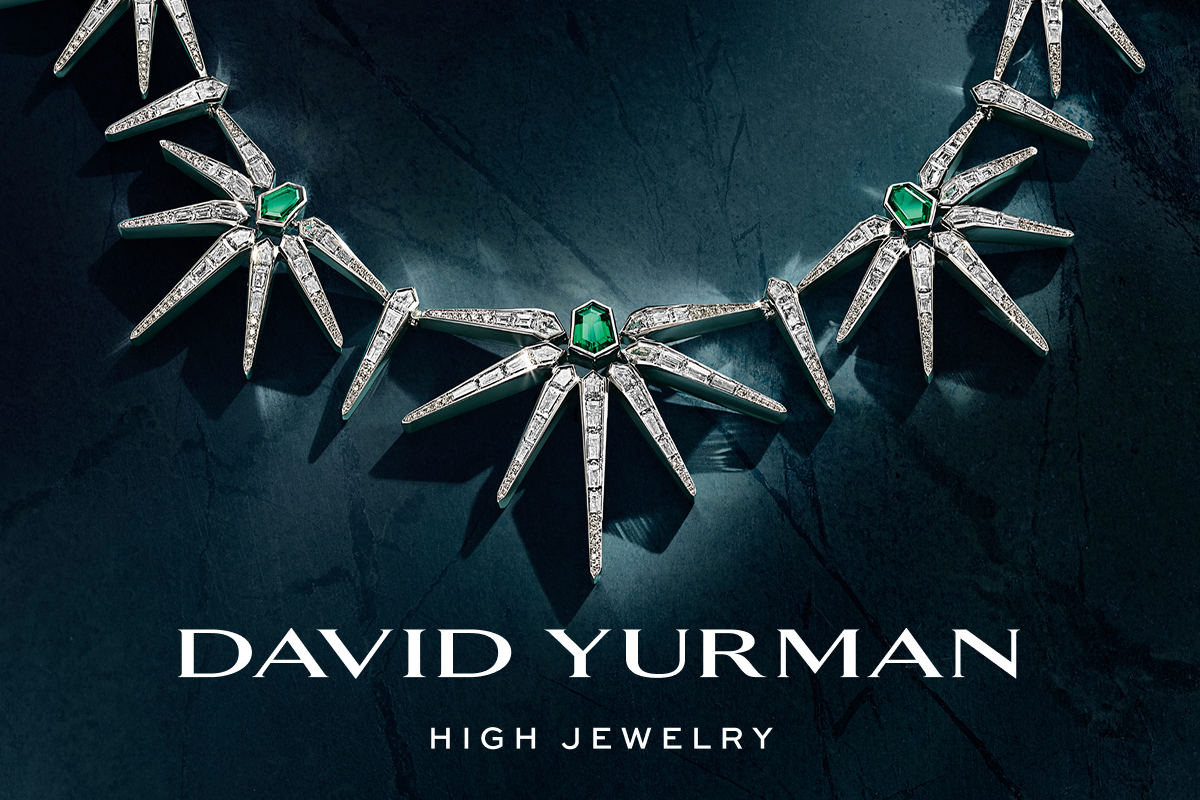
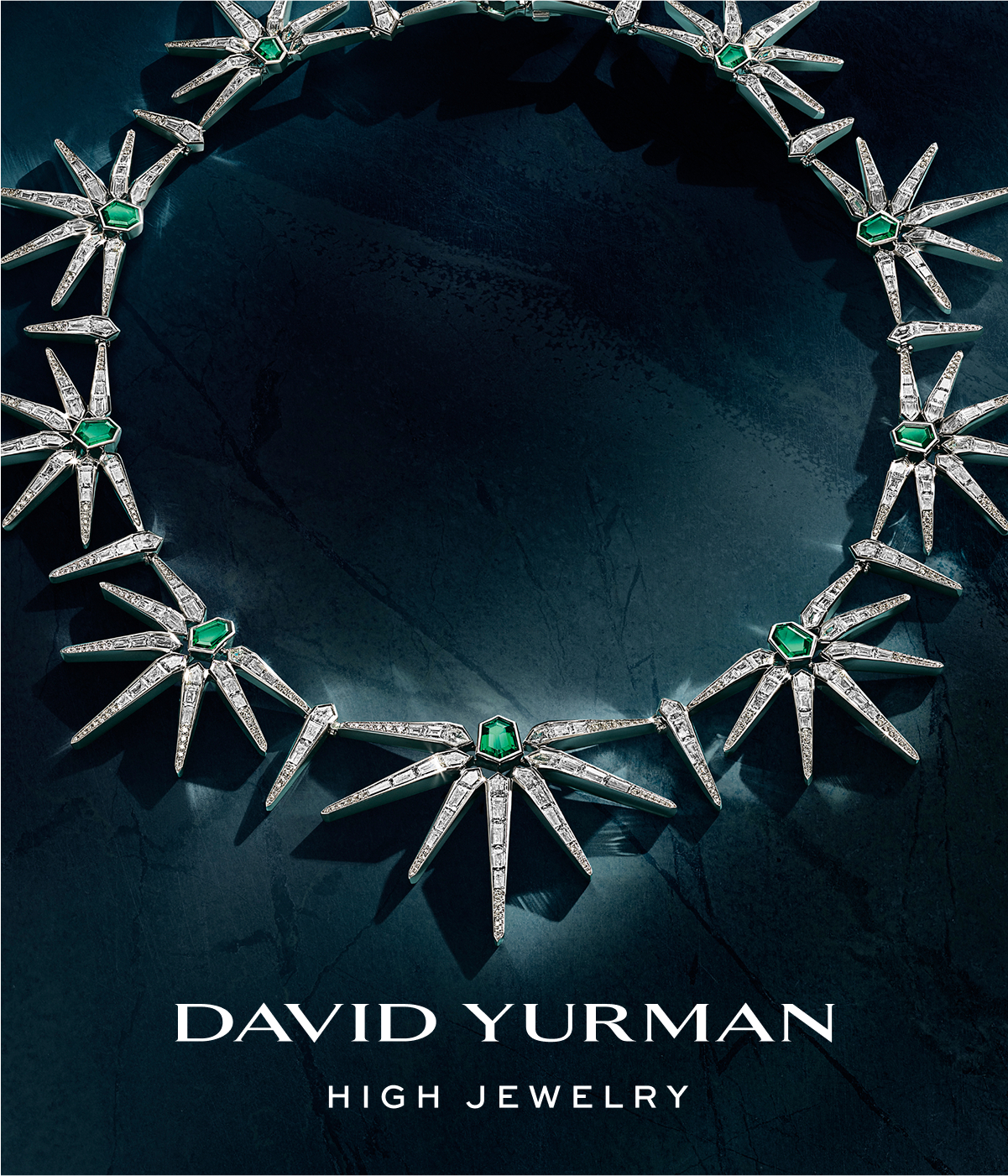
THE ART OF EXCEPTIONAL DESIGN The Liberty High Jewelry collection necklace evokes the spirit of New York City’s iconic skyline. Bespoke-cut diamonds and luminous emeralds are hand-set in white gold, radiating icy perfection like the Statue of Liberty’s crown.
Book a private appointment: concierge@davidyurman.com
EXPLORE DAVID YURMAN |
|
|
Three Things You Should Know…
|
- The
end of the Yumi era: After nearly 20 years at Saks Fifth Avenue and then Bergdorf Goodman, I’m told that beloved merchandiser Yumi Shin is headed to Nordstrom. This is the second big hire that the family-run department store has made after the merger of Saks Fifth Avenue and Neiman Marcus Group, which includes Bergdorf Goodman, at the end of last year. In recent weeks, the newly formed Saks Global reportedly explored potentially selling a 49 percent stake in the Bergdorf
business, which holds intangible value for various reasons we have discussed ad nauseam in this email.
Shin is known for scoring big exclusives for the store, like getting Phoebe Philo to launch at Bergdorf. Nordstrom, which went private earlier this year with the support of Mexican retailer Liverpool, certainly sees an opportunity to filch some of that business from Saks Global. (Earlier this year, they recruited top Neiman Marcus private client whiz Catherine Bloom.)
Nordstrom had a space to fill when former G.M.M./E.V.P. of apparel Sam Lobban left earlier this year to become the C.E.O. of Thom Browne. As for Shin’s title and responsibilities at Nordstrom, all will be revealed soon, I’m sure, but it’s clear it’s a bigger job than what she was doing at Bergdorf. (A rep for Nordstrom declined to comment.)
The reality is that Shin and Bergdorf Goodman president Tracy Margolies have very similar profiles—and Shin didn’t
get the president job, Margolies did. So while it’s unfortunate to lose such an important executive, it seemed nearly inevitable that she would leave. In a note to vendors, Margolies said that the store will evaluate the “leadership approach” to the team, and listed out all the relevant contacts. - Mark’s Vanity Fair, Take 1: The November issue of Vanity Fair will officially be Mark Guiducci’s debut as the top editor, but October’s
Charli XCX cover was an undeniable bridge between regimes. Shot by Aidan Zamiri and styled by Vogue king Max Ortega, it looked… pretty good, as did the Issy Wood–painted sub-cover. Who knows what’s going on inside—I will buy it at the airport if I can!—but Guiducci is clearly telegraphing his intent to capture the culture now, not hark back to a bygone era. (Sure, there’s nowhere to go but up, but I was
charmed.)
As for how his whole operation is shaping up, I suspect he’s going to announce some more new hires soon. (Now that Rachel Tashjian has said that she’s joining Choire Sicha at CNN, I wonder what he’s going to do/did about that Style columnist spot. It needs to be someone with enough pizzazz but who is also formidable. Not easy.) Meanwhile, Guiducci is not only managing a half-new team, but also budget constraints, advertiser requests, and
power-player negotiations. If people like his magazine, some of these stresses will be reduced, but they will never actually go away. - The last model we’ll ever love?: There are supermodels (Naomi, Christy, Kate), and then there are working models—the ones that possess a certain allure but never gain notoriety beyond the catwalk. As the world has evolved, working models have become even more invisible,
and I suspect they’ll fade further into the background as A.I. changes everything from campaigns to the runway.
Among models in the latter category, I’ve been thinking lately about Guinevere van Seenus, the late-fortysomething who has become a casting party trick for designers. Rachel Comey and Proenza Schouler have been working with her for years, but she also showed up this season at OTB-owned brands Jil Sander and Maison Margiela. Gentlewoman editor-in-chief
Penny Martin took van Seenus inside the Celine atelier on Rue Vivienne and shot her in Michael Rider’s new clothes. (See here, here,
here, and buy the issue here.) Anyway, there’s something incredibly lovable about van Seenus—she makes us feel something, which doesn’t happen so much these days.
|
Now, let’s talk about Alicia… |
|
|
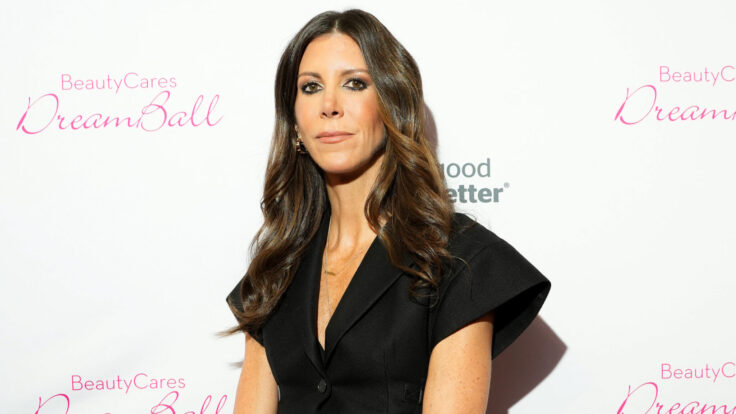
Prelude Growth’s Alicia Sontag has carved out a sweet spot in beauty, investing in ascendant
but proven brands just as they’re hitting their stride, and then applying her retail expertise and post-D.T.C. strategy to help them thrive. In the small world of beauty investors, she’s the new queen. |
|
|
This summer, as beauty industry M&A activity finally reaccelerated—with billion-ish dollar deals for
Touchland, Rhode, and Medik8—one name kept coming up in my conversations with investors and dealmakers: Alicia Sontag, the co-founder of Prelude Growth Partners. A former exec at Lauder and Johnson & Johnson, Sontag has racked up one of the best records among early-stage investors in the space. Prelude’s exits include Sol de Janeiro, Naturium, Phlur—one of Sephora’s fastest-growing fragrance brands—and Summer Fridays, which sold a majority stake to TSG Consumer
last year at a rumored $700 million valuation. The fund’s portfolio also includes Tower 28, Westman Atelier, and OneSkin, among others.
After decades in the business, Sontag appears to finally be getting her due. After previously raising a $250 million fund in 2021, Prelude closed a $600 million fund in August. “Most investors are just capital sources,” said a high-profile founder, whose company hasn’t taken money from Prelude. “Alicia is one of few investors who actually knows what
they’re talking about.” The founder went on to explain that Sontag was “playing earlier” at a time when brands struggled to get strategic exits, and in the process created a niche for herself: She became the interim step after seed capital but before private equity, once market fit is established but before the real scaling takes place—a “P.E.-light investor who writes about $20 million to $40 million checks,” as this person put it. |
|
|
A MESSAGE FROM OUR SPONSOR |
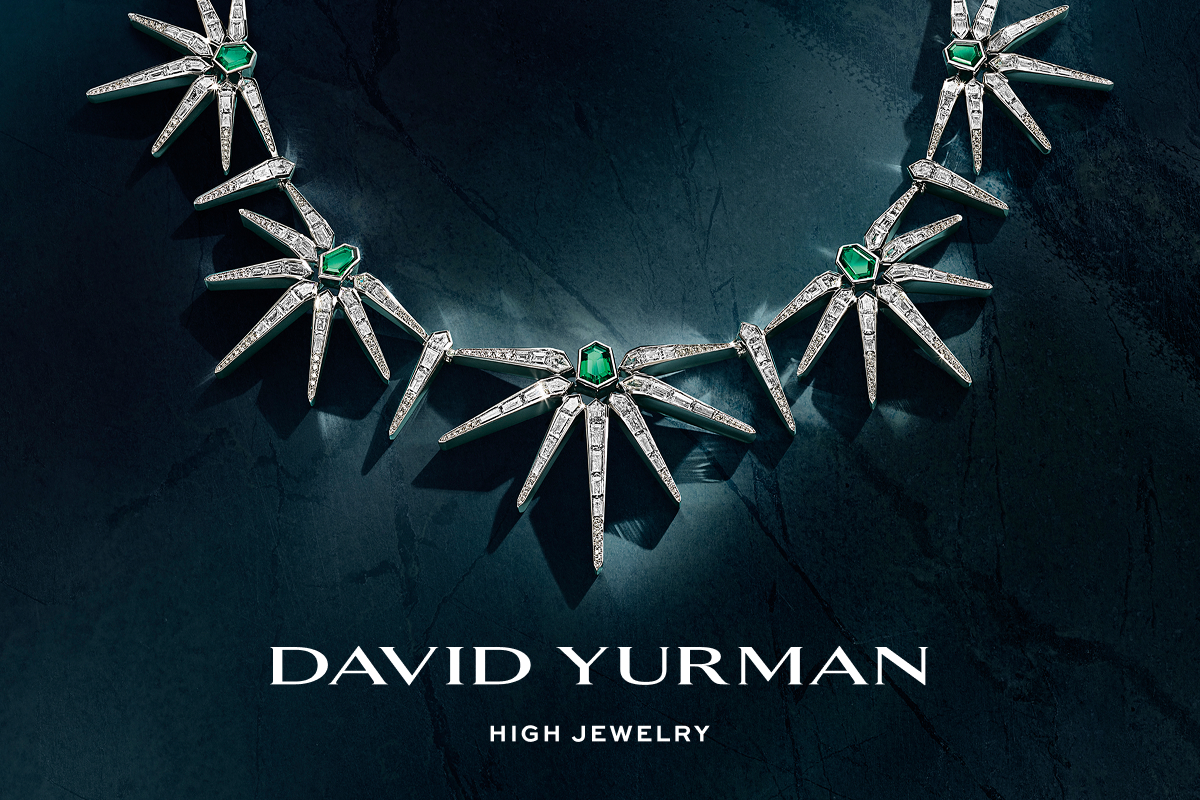
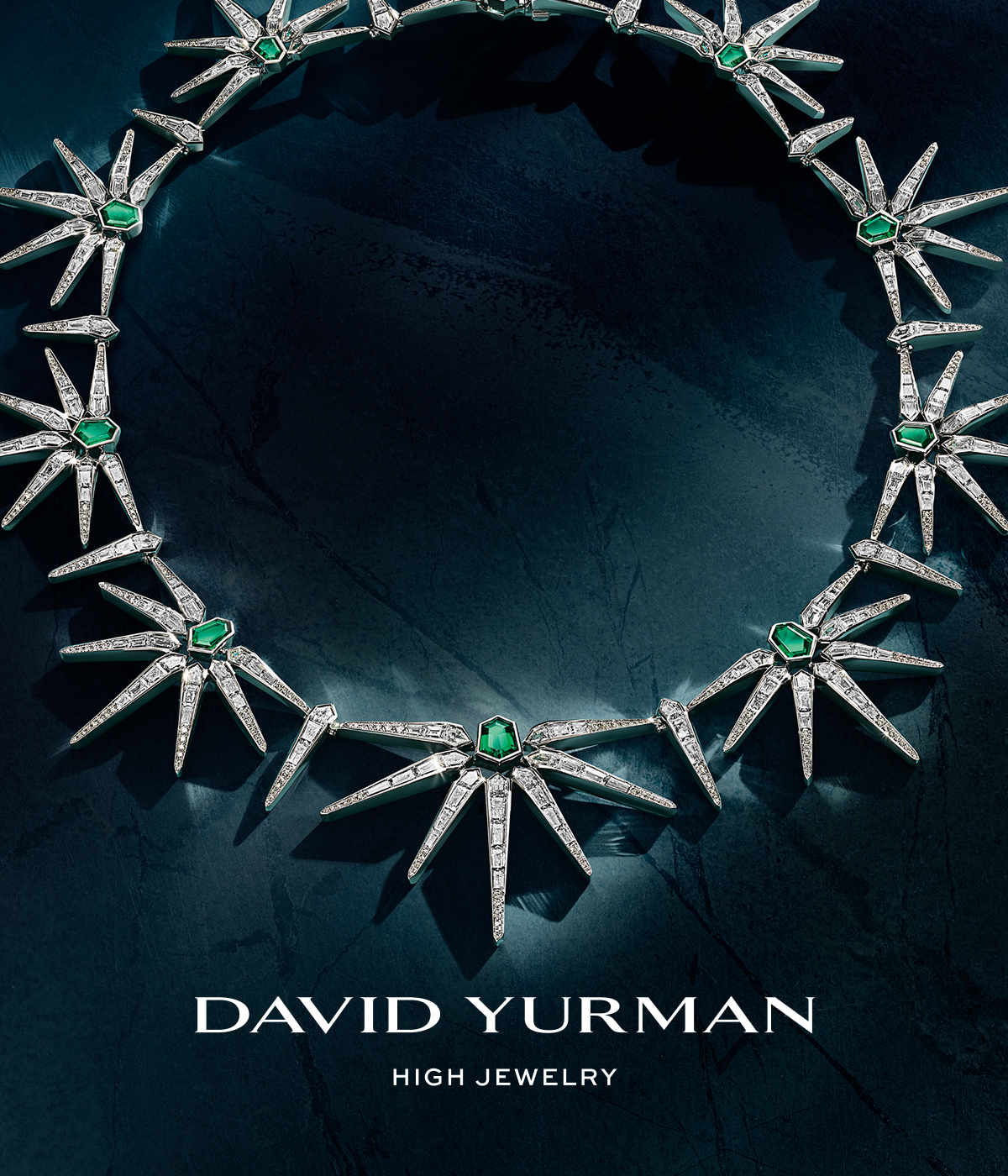
THE ART OF EXCEPTIONAL DESIGN The Liberty High Jewelry collection necklace evokes the spirit of New York City’s iconic skyline. Bespoke-cut diamonds and luminous emeralds are hand-set in white gold, radiating icy perfection like the Statue of Liberty’s crown.
Book a private appointment: concierge@davidyurman.com
EXPLORE DAVID YURMAN |
|
|
The challenges that typically befall brands in this $20 million–$75 million revenue range are complex (debt,
cash cycles, trading up management, maximizing wholesale partnerships, etcetera), but the upside is also manifest. While other funds try to get in early on companies that show initial promise or heat, Prelude gets involved once a brand has proven itself capable of scaling. She also knows to get out before growth slows. With Summer Fridays, for example, Sontag and her co-founder, Neda Daneshzadeh, got in when the brand was about a $10 million revenue business and exited several
years later when the line was still in hyper-growth mode and approaching $200 million in revenue. |
Beauty doesn’t generally offer a natural return profile for venture capital or private equity. A
really good beauty brand may exit for hundreds of millions of dollars, or in rare cases a billion or more—a lot of money, to be sure, but paltry compared to A.I., healthcare, industrials, real estate, etcetera. Only a few private equity shops, like Tengram Capital, were investing in beauty as far back as 15 years ago, and most venture capital firms didn’t really take notice until Glossier took off. Founder Emily Weiss was famously turned down by every investor
until Forerunner Ventures’ Kirsten Green agreed to put $2 million into her business and its disruptive D.T.C. strategy.
Afterward, the online beauty floodgates opened, venture-backed beauty brands were everywhere, and investors followed. Weiss soon became a household name, and Green came to define a group of investors who themselves got elevated as if they were the product. In 2016, Forerunner achieved its first major windfall when Unilever paid $1 billion for
Dollar Shave Club, a portfolio company. But it was the firm’s proximity to Weiss that catapulted Green into celebrity V.C. status.
Green quickly became the prototype for a new type of high-profile investor who offered social or networking cache for the brands and founders she was involved with. “They tried to become brands in and of themselves in the consumer space, but most of them really did not see how specifically Millennial their investments were,” a high-profile insider remarked of
investors at the time. |
|
|
Of course, investing themes change. Forerunner, which closed a $500 million fund last year, seems to have
shifted their focus to artificial intelligence. Direct-to-consumer has somewhat fallen out of favor. Other V.C.s have retrenched as L.P.s have renewed their focus on their returns rather than valuations. And yet, beauty remains a profitable niche for players like Raymond James’s Vennette Ho, who can capitalize on the departure of larger capital sources. In many ways, in fact, Sontag has fulfilled a role that Green once occupied. |
Anyway, it’s a good time to be a beauty investor on the rise. After a chilly period for M&A, exacerbated in
part by the uncertainty surrounding Trump’s tariffs, deal activity is finally picking back up. There are currently a couple of startups that insiders are buzzing about behind the scenes––one hinges on the success of a global product launch; another is one of the only newish lines to crack into a coveted luxury space.
Sontag has emerged into this moment as a major powerbroker just as her philosophical outlook for the category—long retail, short D.T.C.—has been vindicated by the market,
and her strategy of prioritizing omnichannel and retail partnerships proved to be ahead of the curve. Her time at Lauder and J&J gave her deep retail experience in both prestige and mass, and she tends to know where the market is moving. “She was early to understanding that D.T.C. was stupid,” one of these people told me.
That combination of traits appeals to founders looking for a genuine thought partner, not just another chatterbox on the cap table. One ruthless industry dealmaker
described Sontag as “the best right now,” while another insider, who knows Sontag from her time at The Estée Lauder Companies, even referred to her as “Goldfinger.” I’ve been told Sontag is too disciplined to suffer from FOMO, and doesn’t “force founders to apply the same strategy as other brands in her portfolio,” an insider said—a common gripe.
As Prelude continues to scale, the real challenge will be maintaining its reputation and hit rate as well as its competitive edge as it cuts
bigger checks and competes with larger firms. Sure, Forerunner experienced early breakout success with Dollar Shave Club, Bonobos, and Warby Parker. But as the size of the company’s funds increased, its I.R.R. went down. We’ll see if Sontag and Daneshzadeh can avoid the same fate. |
No reading list today, but that just means more tomorrow.
Lauren
P.S.: We use
affiliate links because we are a business. We may make a couple bucks off them. |
|
|
Puck fashion correspondent Lauren Sherman and a rotating cast of industry insiders take you deep behind the scenes of this
multitrillion-dollar biz, from creative director switcheroos to M&A drama, D.T.C. downfalls, and magazine mishaps. Fashion People is an extension of Line Sheet, Lauren’s private email for Puck, where she tracks what’s happening beyond the press releases in fashion, beauty, and media. New episodes publish every Tuesday and Friday. |
|
|
Puck’s daily art market email, anchored by industry expert Marion Maneker, offers unparalleled access to the mega-auctions and
galleries, elite buyers and sellers, and the power players who run this opaque world. Wall Power also features Julie Brener Davich, a veteran of Christie’s and Sotheby’s, who provides unique insights into how the business really works. |
|
|
Need help? Review our FAQ page or contact us for assistance. For brand partnerships, email ads@puck.news. You received this email because you signed up to receive emails from Puck, or as part of your Puck account associated with {{customer.email}}. To stop receiving this newsletter and/or manage all your email preferences, click here. |
Puck is published by Heat Media LLC. 107 Greenwich St, New York, NY 10006 |
|
|
|