A rollicking discussion with the creative minds behind ‘A House of Dynamite,’ Kathryn Bigelow’s masterful new nuclear apocalypse thriller, on everything from the ambiguous ending to the Pentagon’s response.
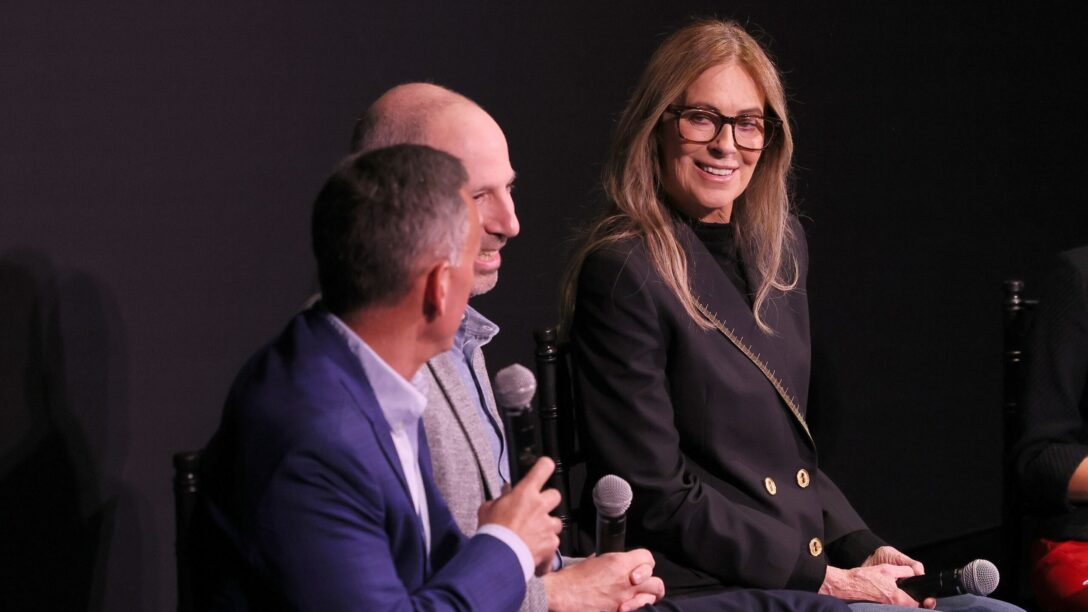
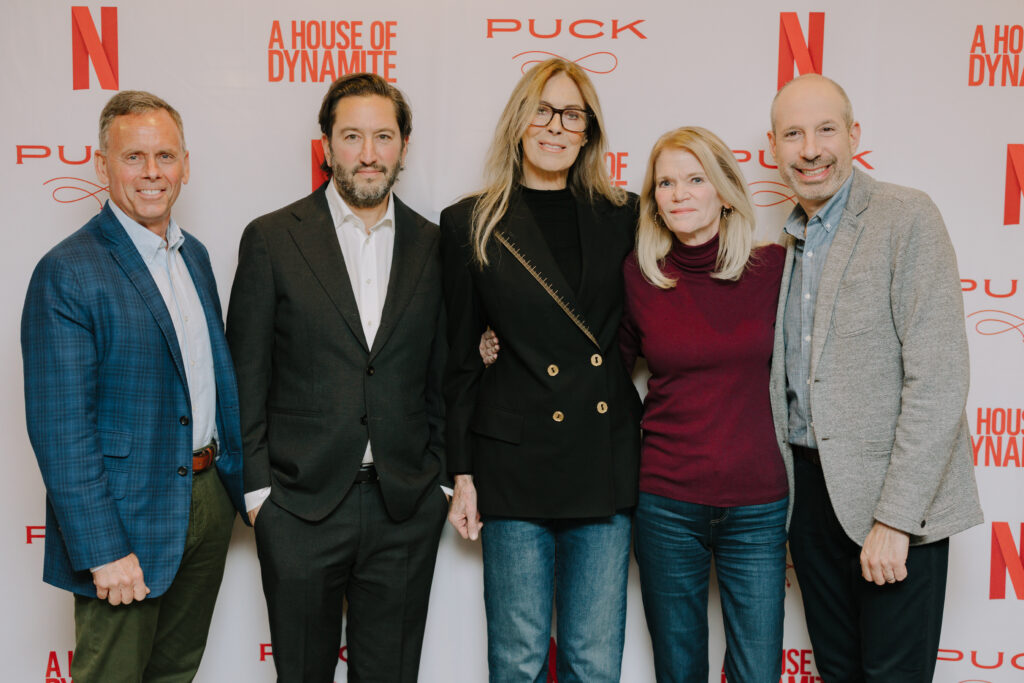
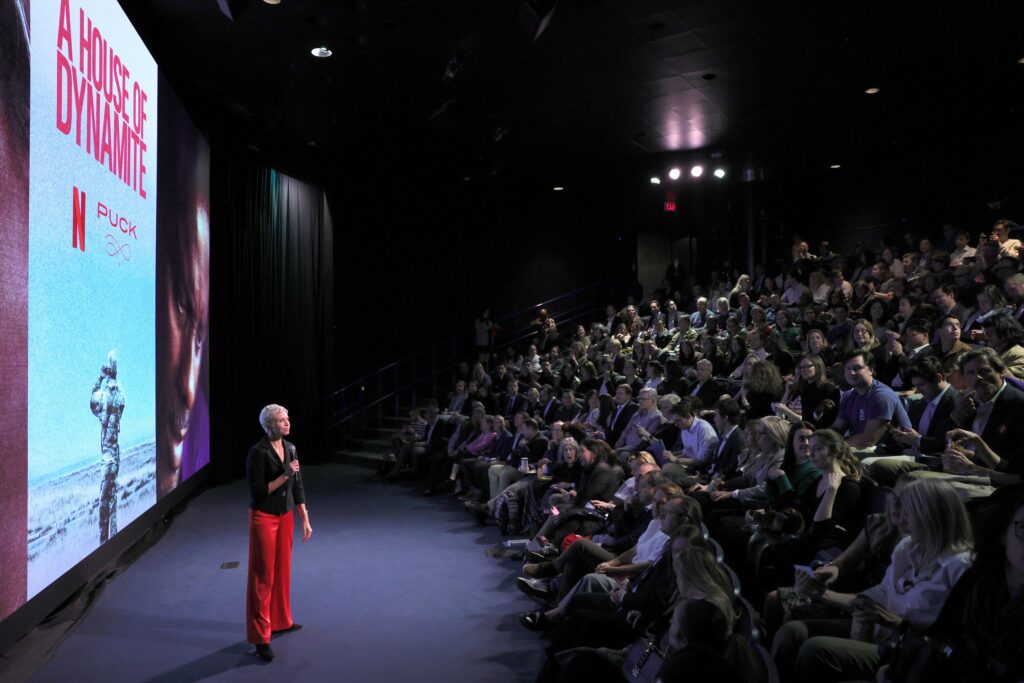
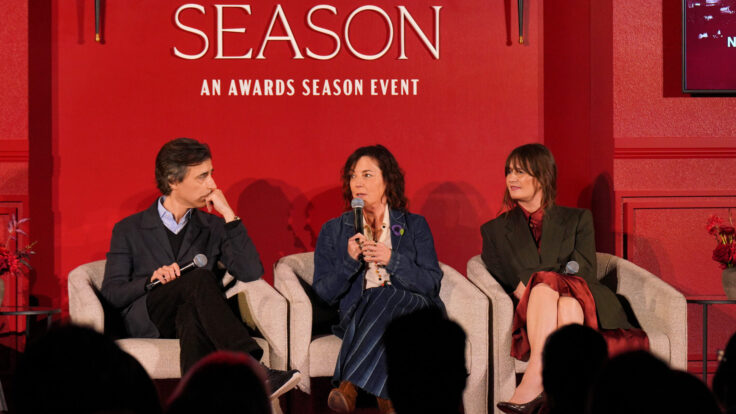
Puck Washington correspondent Leigh Ann Caldwell was joined onstage by Kathryn Bigelow, screenwriter Noah Oppenheim, and Former STRATCOM Chief of Staff Dan Karbler for a rollicking panel discussion about their unflinching portrayal of the fragile and complex system that governs the deadliest weapons ever created.
Photo: Jemal Countess/Getty Images for Puck
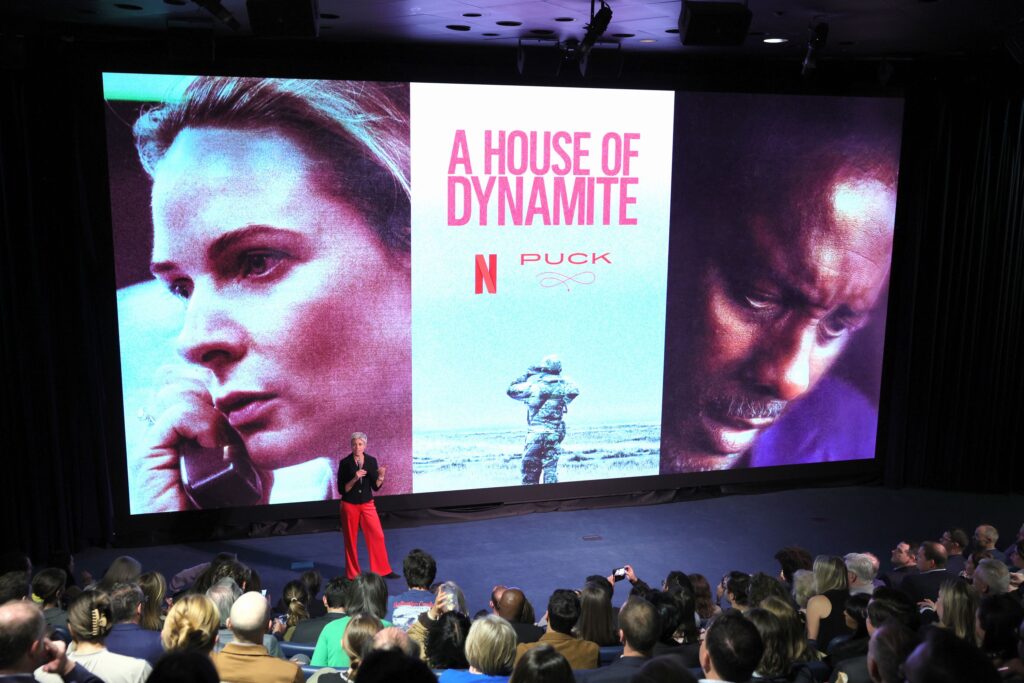
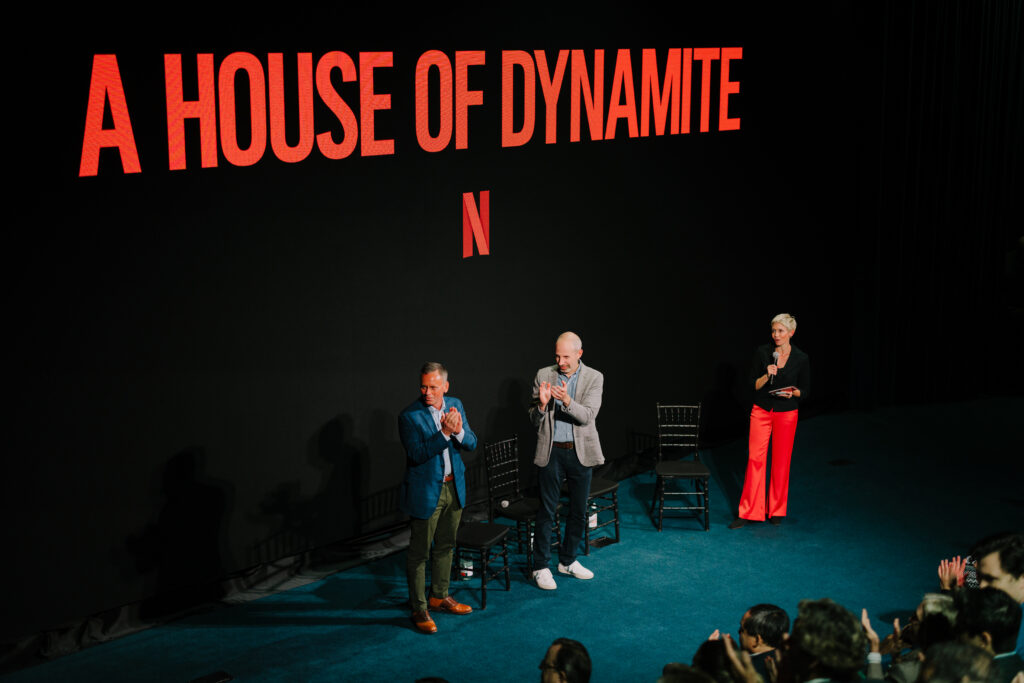
Last week in D.C., Puck and Netflix hosted a private screening of A House of Dynamite, Oscar-winner Kathryn Bigelow’s masterful new nuclear apocalypse thriller. After the credits rolled, our chief Washington correspondent and co-author of The Best & The Brightest, Leigh Ann Caldwell, was joined onstage by Bigelow, screenwriter Noah Oppenheim, and former STRATCOM chief of staff Dan Karbler for an exclusive discussion about their unflinching portrayal of the fragile and complex system that governs the deadliest weapons ever created.
Naturally, given the political climate and subject matter, the film has sparked debate between experts, policymakers, and even the Pentagon. In this transcript from the evening, which has been lightly edited, Bigelow, Oppenheim, and Karbler make a compelling case for opening this vital conversation to the public and discuss some of the movie’s surprising twists, how the film came together, and much more.
The screening and this article were part of a partnership between Puck and Netflix; the conversation has been lightly edited for clarity and condensed.
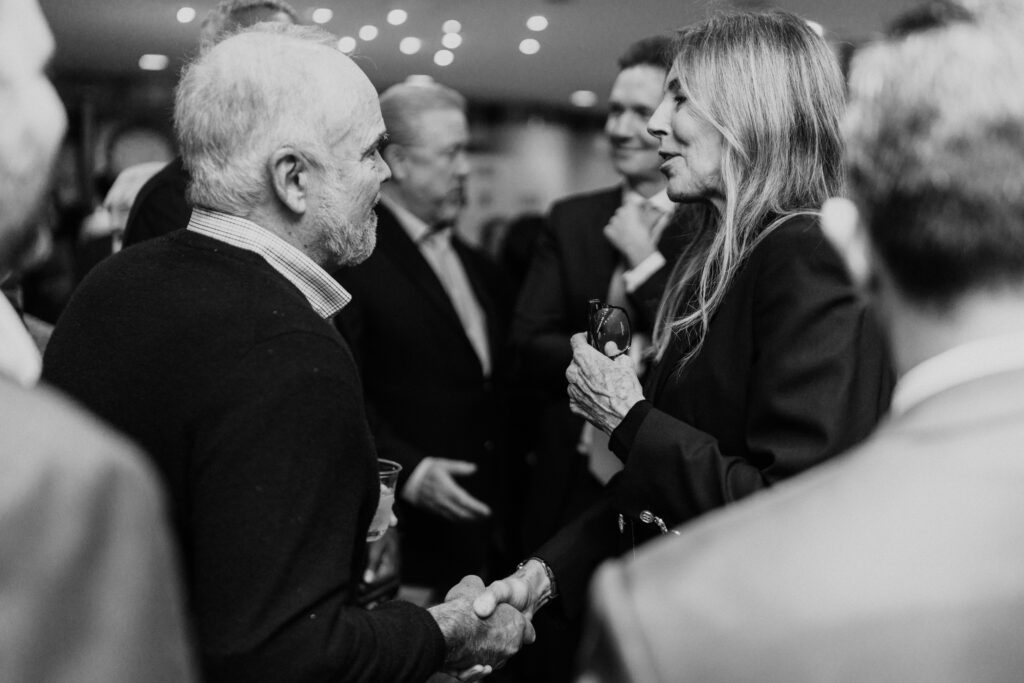
All Photos from Jemal Countess/Getty Images for Puck and Demetric Blyther/Courtesy of United Photography.
A Single Domino
Leigh Ann Caldwell: Kathryn, I have to start with the most obvious question. Can you talk about the ending?
Kathryn Bigelow: If you think about what would be the most obvious ending—a big mushroom cloud—where would that get you? The conversation Noah and I had many, many times was the idea that you don’t know who the enemy is. There’s nobody to point a finger at, which absolves us of any responsibility. The enemy is really us, and these weapons are all around us. We don’t talk about them, and we don’t have any meaningful nonproliferation protocol and process.
Noah, when you were writing this film, what did you most want to get across?
Noah Oppenheim: The desire was to start a conversation about the fact that this threat exists in the background of our lives, and we don’t talk about it. It used to be a centerpiece of presidential campaigns. It used to be an element in our popular culture that artists went back to again and again. And that just sort of stopped at the end of the Cold War. We haven’t thought about it as much, we haven’t engaged with it as much. And we wanted to reopen that conversation.
To go back to your question about the ending, I think the question is, What is the story you’re trying to tell? We’re not trying to tell a story that says, Russia is a bad guy, or China is a bad guy, or North Korea is a bad guy. We’re trying to tell a story about this system that exists and governs the use of these weapons—the fact that if a single domino were to fall, then this massive machinery would kick into motion and ultimately result in one man or woman having minutes to decide the fate of all mankind, with zero accountability.
Bigelow: It was really important to us to avoid the Hollywood ending—the easy one where everything gets wrapped up and it’s like, Okay, that’s fine. That’s not going to affect me. I can go on with my life. We live in this really combustible environment. Is that the world we want to live in? That’s the question. The film ends on a question as opposed to an answer.
How did you start thinking about this threat that flies mostly under the radar? What was the thought process behind the making of the film?
Bigelow: I come from an era where we had to hide under our desks in school in case there was an atomic event. That stays with you. It’s imprinted. So I’m fascinated with the Cold War. I did this movie about Russia’s first atomic submarine called the K-19, where its reactor began to melt down off the coast of a NATO base. Then move forward a decade or two, and coming up with this idea of what would happen if a missile were launched toward the United States. What’s the protocol, what happens in the halls of power, and what’s the procedure?
The Pentagon Conversation
Dan, how did you get involved with the film, and what was the most difficult part to portray?
Dan Karbler: Doug Lute, who advised on the White House Situation Room scenes, gave me a call. He said they were looking for somebody who knew something about STRATCOM and Fort Greely and missile defense. And those are all jobs I’d had when I was in charge of those soldiers.
Noah’s script was so good, there wasn’t a lot of reach to make things more real. My role was just to make it as visually, intellectually, and emotionally compelling as possible to an audience—while remembering all the technical aspects that had to be captured, from acronyms to detailing, for the actors, the way they should carry themselves. Kathryn gave me great latitude to help out on set and make sure that level of authenticity came out.
Noah, how did you create such an accurate script?
Oppenheim: One thing that makes Kathryn such a legendary filmmaker is her commitment to realism and authenticity, and we share a journalistic sensibility in terms of how we approach building a story. When we first started talking about the film, the immediate step was to call people who’d had these jobs and ask the questions that were on our minds. So it was about building it from the ground up with people who’d been inside those rooms. It was incredibly important to both of us to do justice to those people and their service.
As we all know, the Pentagon has pushed back about the film. The United States, of course, likes to ensure a perception of perfection when it comes to our defense systems. Can you talk about the criticism you’ve received and whether there’s any justification for it?
Oppenheim: It’s not really a debate between us as filmmakers and the Pentagon. It’s a debate between the Pentagon and the wider community of experts in missile defense. It sort of misses the larger point, though, which is, what’s the best way to keep ourselves safe? There are some well-intentioned people who would say we need to build an impenetrable shield, and that’s going to keep us safe. There are others, and Kathryn and I would probably include ourselves in this group, that would say nonproliferation and reducing the number of these weapons and the risk of their use is the best way to keep us safe. Maybe it’s a combination of the two. All I know is that it’s an important discussion for us all to be having, and it shouldn’t be left to a small group of people. It should be something that the American public gets involved in.
Didn't get an email? Check your spam folder and confirm the spelling of your email, and try again. If you continue to have trouble, reach out to fritz@puck.news.
Didn't get an email? Check your spam folder and confirm the spelling of your email, and try again. If you continue to have trouble, reach out to fritz@puck.news.
Member Exclusive
Get access to this story
Create a free account to preview Puck’s full offering, including exclusive articles, private emails from authors, and more.