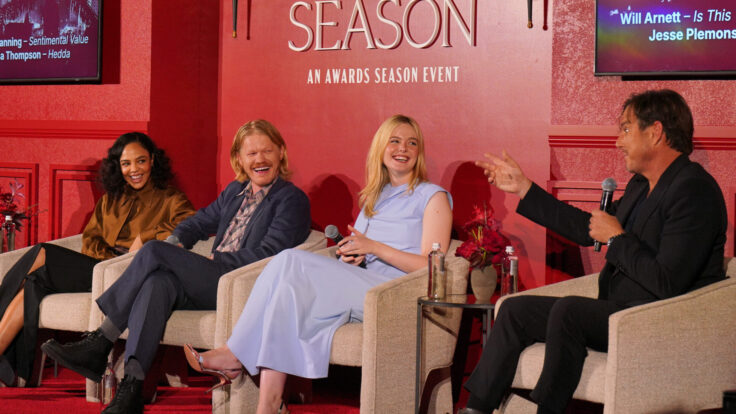
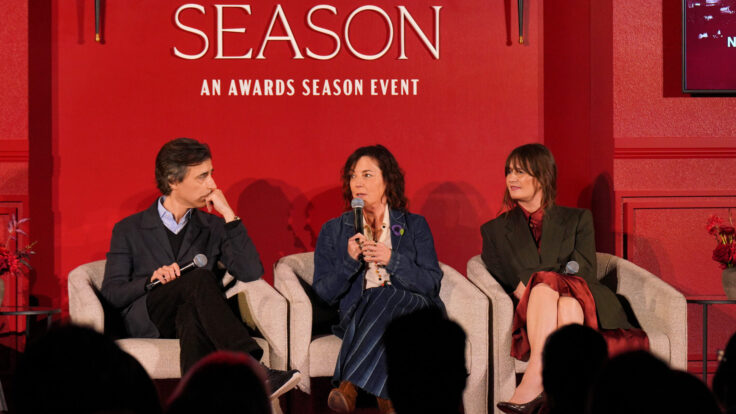
A candid conversation with industry luminaries Todd Snyder, Nick Brown, and Maria McManus about the business of fashion amid relentless transformation.
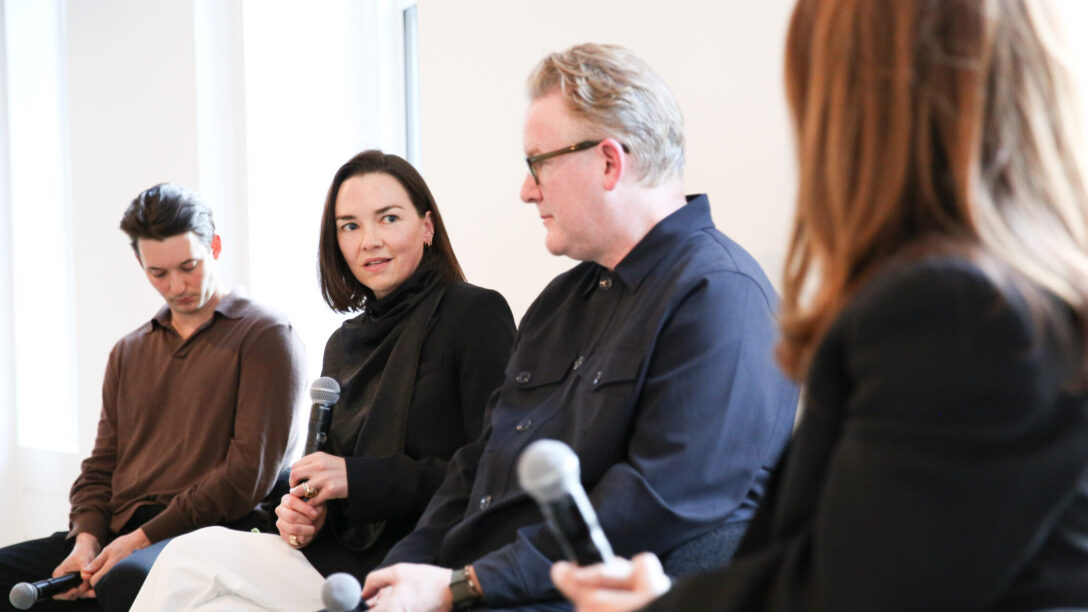
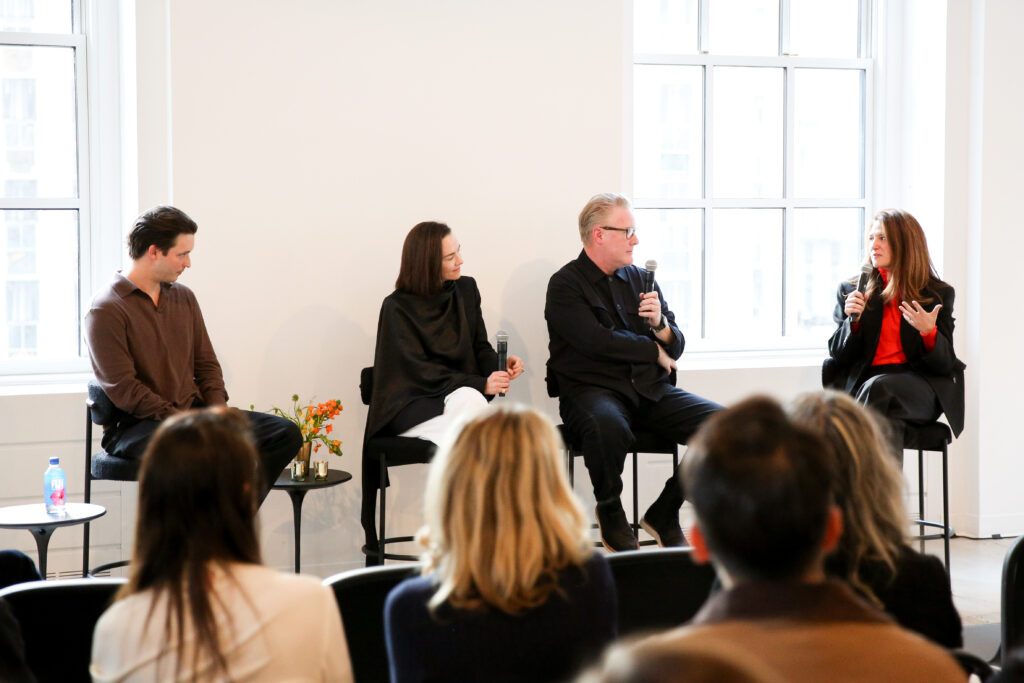
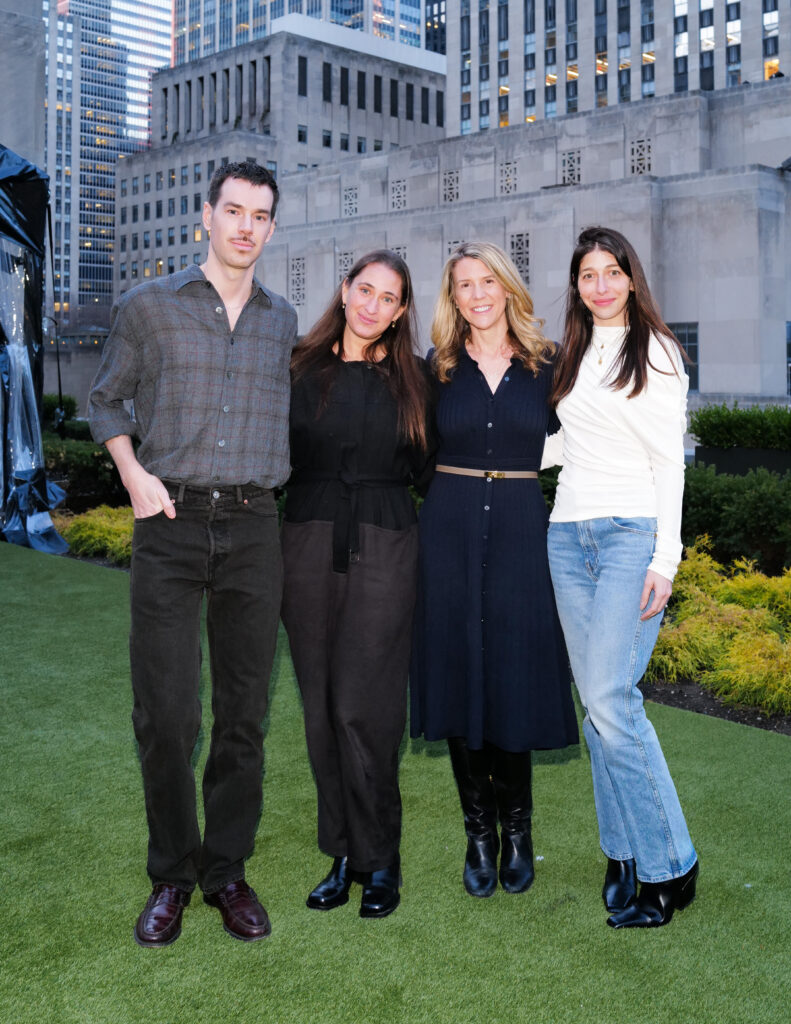
From left: Nick Brown, Maria McManus, Todd Snyder, and Lauren Sherman.
Photo: Jason Lowrie / BFA
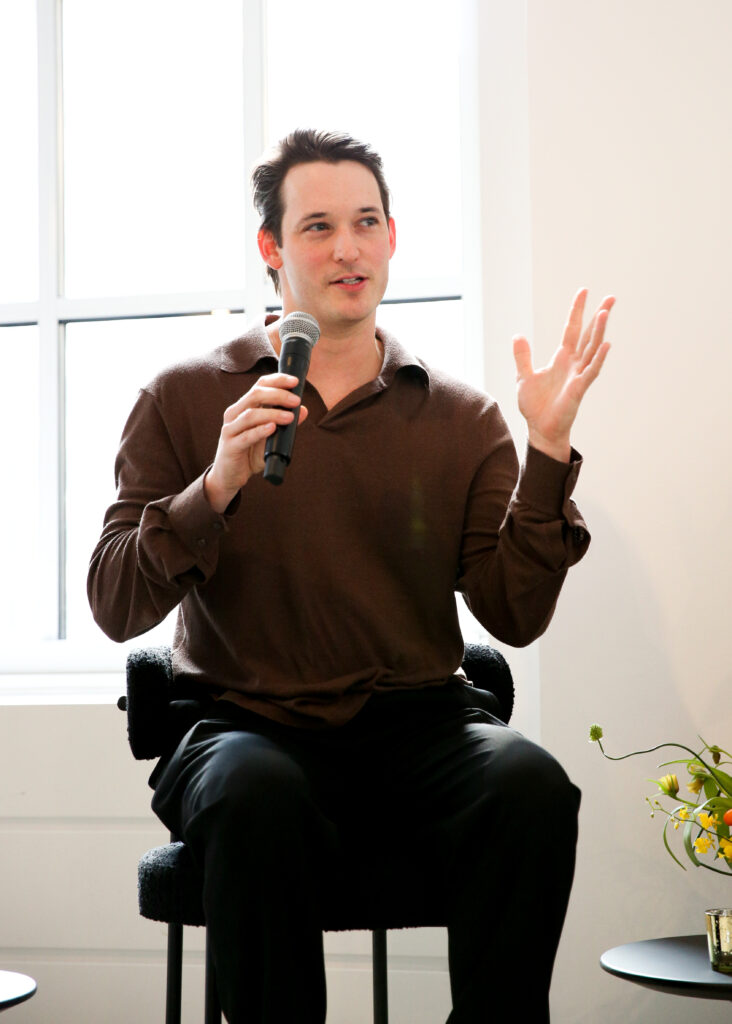
Earlier this month, LaurenSherman sat down with a trio of the fashion industry’s most insightful insiders to discuss the future of the business: Nick Brown, a managing partner at Imaginary Ventures; Maria McManus, the creative visionary and founder of her namesake luxury brand; and Todd Snyder, the legendary fashion designer.
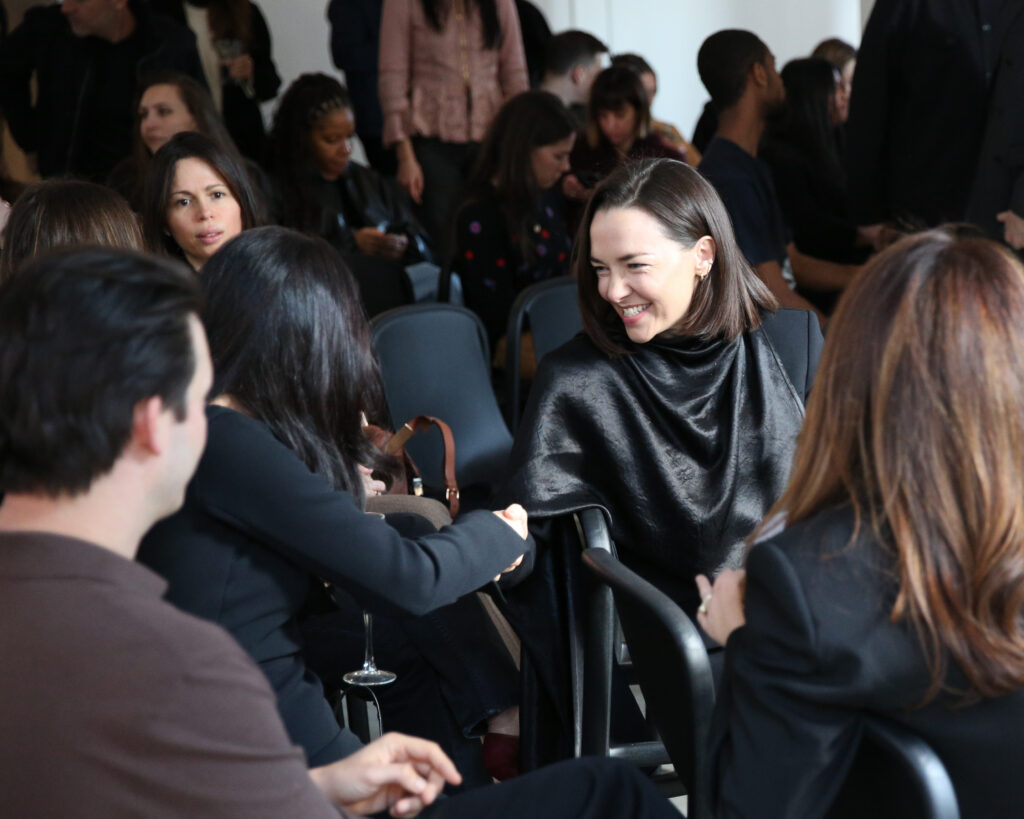
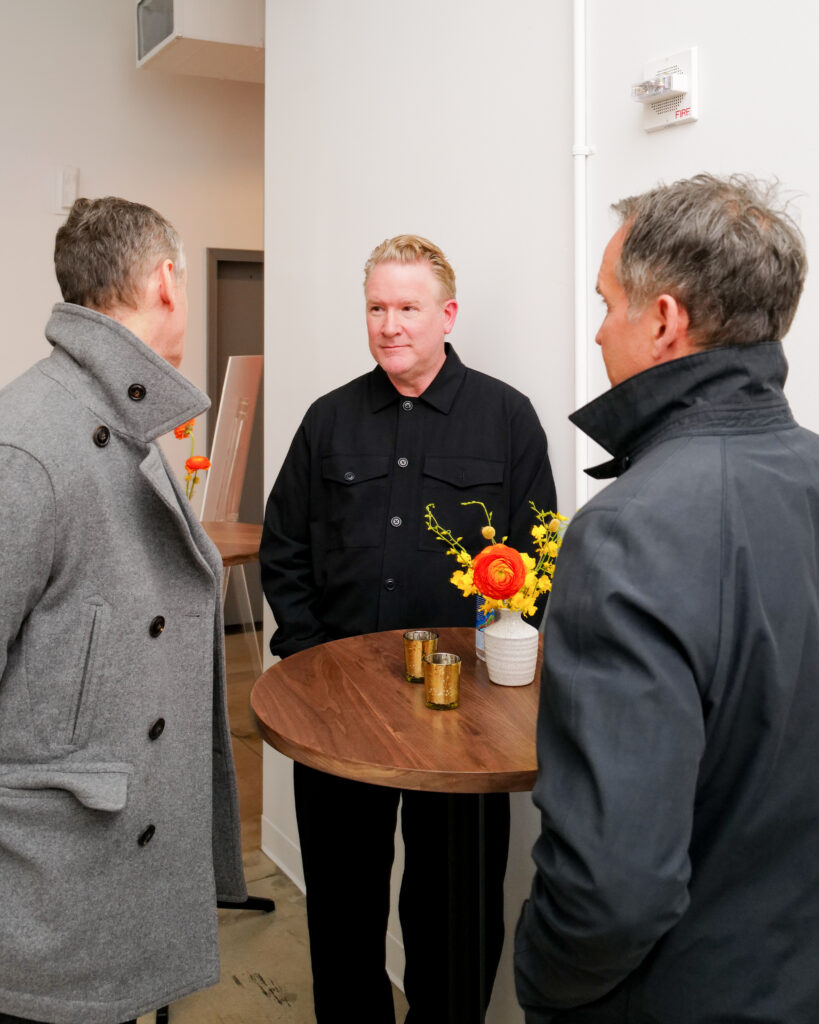
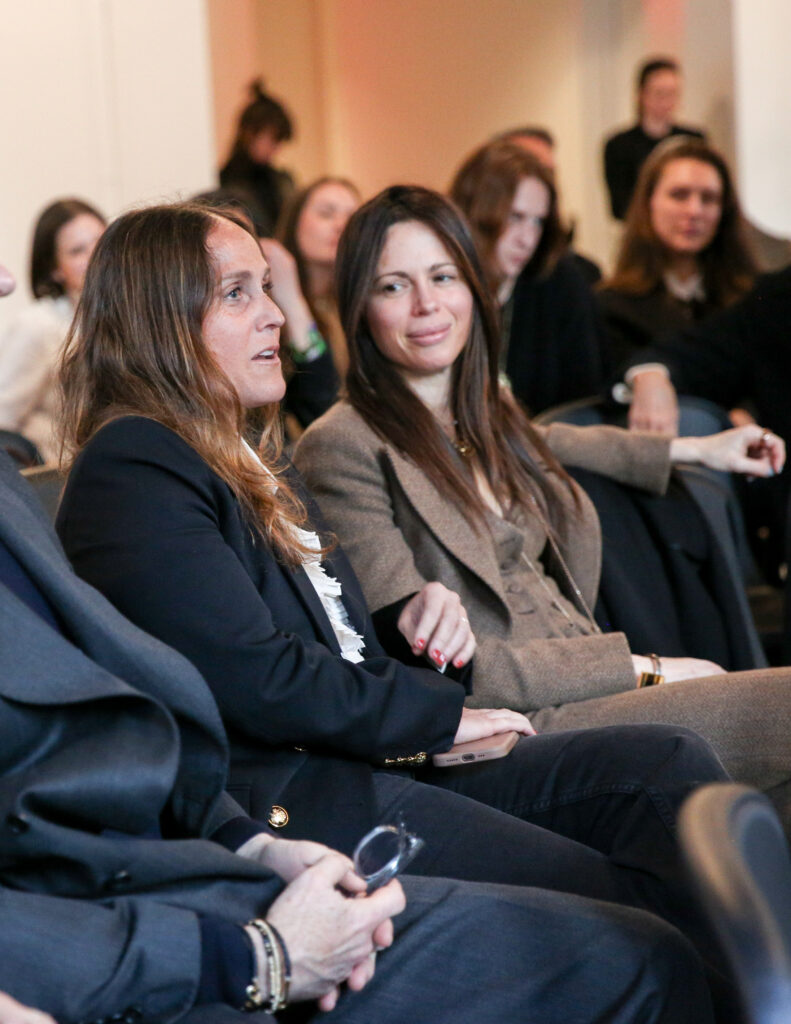
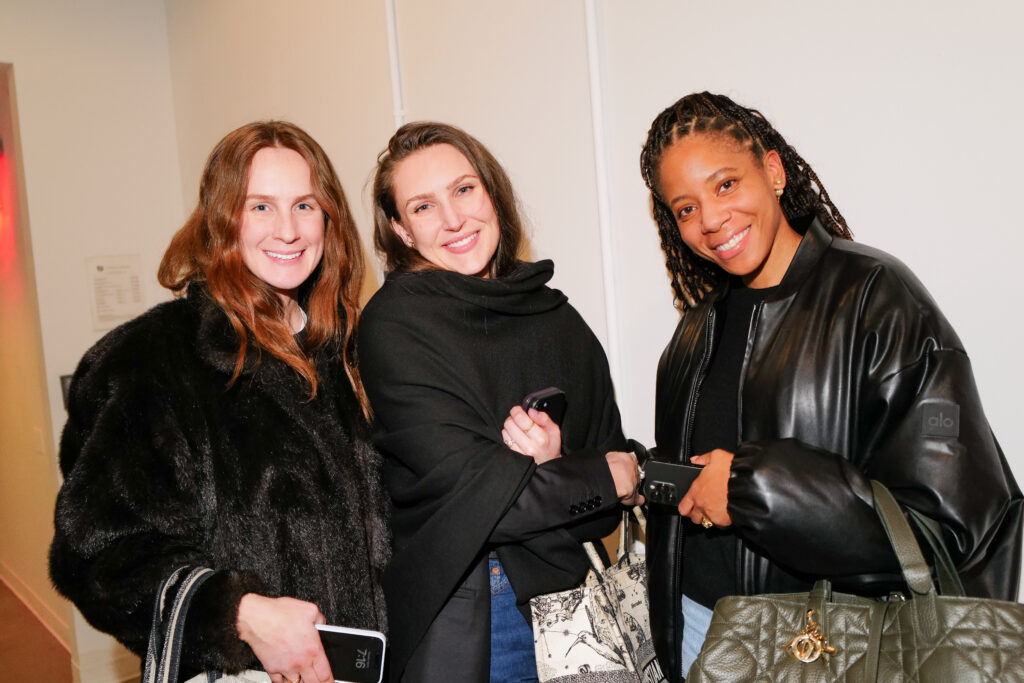
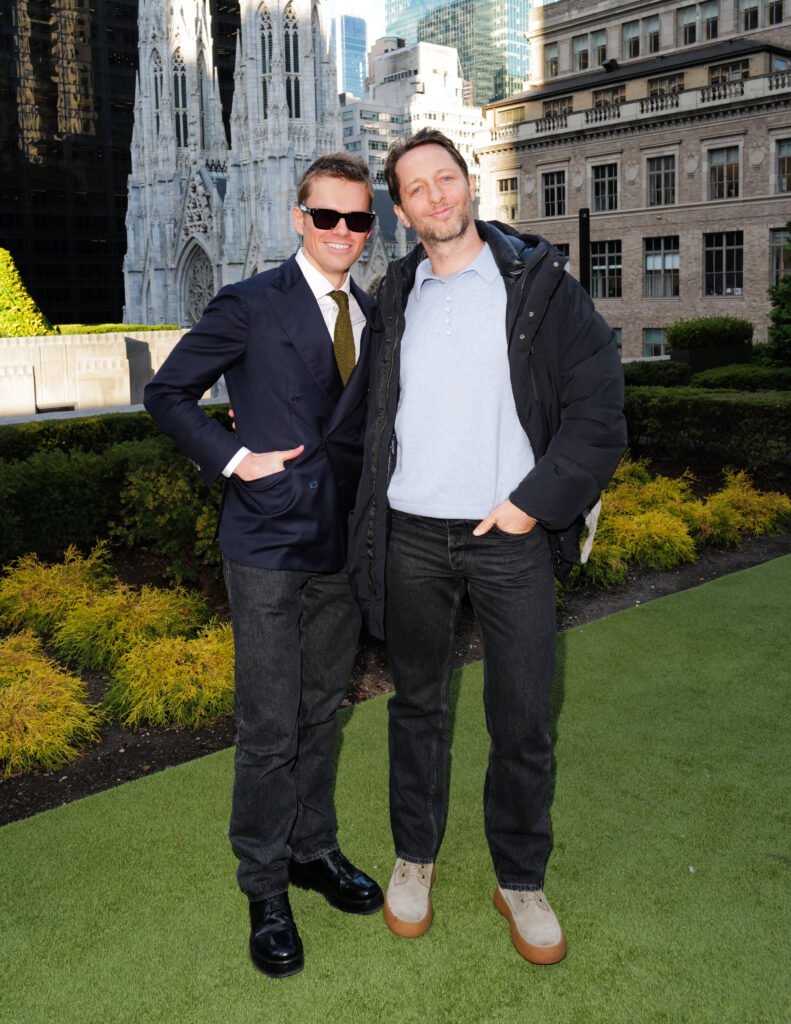
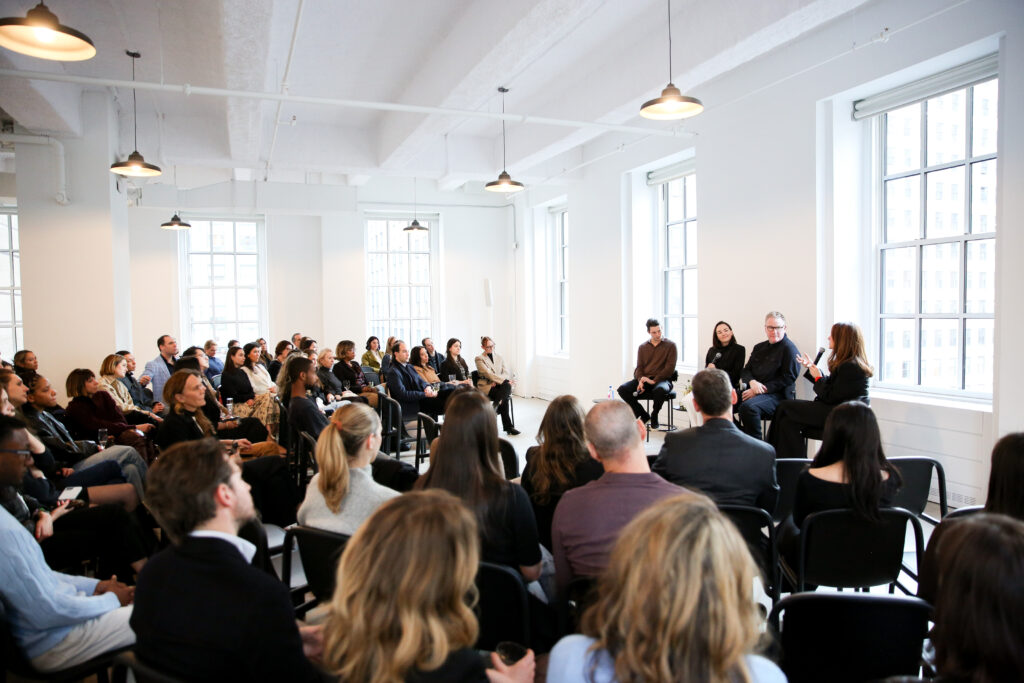
The glamorous event, sponsored by Tishman Speyer and hosted at the iconic (and recently redeveloped) 610 Loft & Garden at Rockefeller Center, featured a rollicking, invite-only conversation about everything from the macroeconomic challenges facing e-commerce to the evolution of brick-and-mortar retail, emerging pressure on the venture environment, and how the business is responding to the ongoing threat of tariffs. The following highlights have been lightly edited and condensed for brevity.
Photo: Jason Lowrie / BFA
Photo: Jason Lowrie / BFA
Photo: Jason Lowrie / BFA
Photo: Jason Lowrie / BFA
Lauren Sherman: The last 15 years in retail have been interesting because it was all about direct-to-consumer and a lot of e-commerce. And there was a narrative that you didn’t need physical retail post-pandemic. It’s very obvious that you do, but people are approaching it in different ways. Todd, how did you approach physical retail, and what has it brought to the business?
Todd Snyder: I started the business about 15 years ago, and was really kind of focused on direct-to-consumer and wholesale at the time. As the business grew and we started developing our brand, it became very clear that wholesale was not the answer for growth, and to really focus on the customer was important.
We started off doing catalog, but the ultimate experience is stores, and that became the best thing for customer acquisition. That’s kind of how we think about customers in general: How do we acquire customers? How do we getcustomers into the brand? And we found that stores were actually the best way. It was also the highest value, meaning they would spend the most money, and they would frequent you more. So we started investing a lot more in that, and that really became what helped our business grow more quickly. The customer-acquisition fee online is probably like $90. In-store, it’s probably like $250. But they stay with you much longer. They really invest in your brand.
Nick, you invest in all sorts of consumer brands. How has the conversation around physical retail evolved in the time that you’ve been giving people money?
Nick Brown: I think euphoria and excitement create a bunch of problems. I think there was an element of that with the digital revolution from 2015 to 2020, where it was very cheap to find customers. Things were changing, and many founders started brands for the wrong reasons. They started brands because they thought they were fixing a problem; they started brands because they thought the distribution was free and easy. There was a bit of a gamification to it. The problem was, most of these brands didn’t have a soul.
I think when we look at the last few years, digital is really hard, and it almost always caps out, but the question is when. Sometimes it caps out at 20 million, sometimes it caps out at 100 million. But generally speaking, you hit an inflection point where you can’t find customers anymore. If your only model is to acquire customers digitally, and that stops, then you have no way to grow. That’s happened to a lot of brands that all of us know, and I think the ones that have worked are the ones that are nimble.
Maria, you don’t have a store, but you have a lot of customer events at people’s houses, trunk shows—that’s a very common “as old as time” tactic—but I think the way you approach it is unique. Do you see that as your first step into physical retail?
Maria McManus: Every year we’re like, Is this the year we start retail? And then we get distracted by all the other things—like tariffs, people who don’t pay their bills, and all the other things that are going on in the industry. We started with wholesale because it’s easy entry. To Nick and Todd’s point, customer acquisition is very expensive post-Covid. It’s a hard game to play, and it’s not really like a Facebook ad or an Instagram ad, which aren’t really giving the customer a sense of what your brand is. Whereas, if you go and bring your product to a close friend’s home, and you’re meeting with other like-minded brands, it’s that entrepreneurial spirit that I think Americans love and really appreciate, and there are customers who are very excited to help you.
One thing we talk a lot about in Line Sheet and on Fashion People is this idea of product being the marketing. Is it just a matter of, if the product is good, it’ll work? Or does the brand actually have to have a purpose?
Brown: I think the story and the product have to have a purpose. I think it’s probably not enough for just the product to have that. And it’s probably not just enough for the story to have that. When I think about my job as an investor, it’s really spotting the authenticity of that purpose. If I can do that properly really early, it’s kind of 90 percent of the way there. If someone comes to me asking for advice on their purpose, they lost me. That has to be in the soul of an entrepreneur; that has to be in the soul of the founder. When I spot it, I try to help it on the edges. But I never believe for a moment that I can be part of the creation of that purpose.
Todd, your investor is also a retailer. What do you think about this?
Snyder: Yeah, I’m lucky in that regard. Typically speaking, you have to have the formula as a business before you get to investment. We always felt like there was this opportunity in menswear, and we’re trying to fill a need. I can see white space; I didn’t feel like anybody was filling this void. And really, our purpose was just to help guys dress better, and make it easy for them. Everything that surrounds what we do is about making it easy for guys to dress well.
Photo: Jason Lowrie / BFA
Photo: Jason Lowrie / BFA
Photo: Jason Lowrie / BFA
Photo: Jason Lowrie / BFA
Men in general are not encouraged to be interested in clothing or fashion, and you made it comfortable for them to be interested, but also easy to put a whole look together.
Snyder: Yeah, and that was kind of the whole point. I want stores to be places where you can come and feel comfortable, and you can dress your best and really kind of feel that you’re walking out of there better than you walked in. The staff is very open and warm, and makes sure that you’re okay. We screw up occasionally, but for the most part, our store experience is incredible. That’s the building block, and then it’s how you replicate that online, which is a whole other thing, but it’s been kind of our secret business success.
Investing in Desire
Maria, I feel like you have a similar solution for women. You also have a big narrative. You mentioned that you’re a sustainable brand, and you were very careful from the beginning about how you talked about it. How did you manage discussing all the things you were doing to reduce your environmental impact with fabrics, but also not get lumped into the sustainability brands?
McManus: For me, it’s product first. I’m a super-nerd and empath, and want to solve all the world’s problems, so as for sustainability, I wouldn’t have done it if it wasn’t about that. I just think that’s something that is extremely important to me, and I happen to believe should be really important to everybody. But I don’t let that get in the way of, How am I going to create a pair of trousers that really fit the customer? I’ve worked for socially conscious brands in the past, and usually think there isn’t enough emphasis on the product, and whether the product is what the customer wants. The sustainability aspect is foundational, and thankfully, it’s something we no longer have to talk about.
Nick, you haven’t only been investing in a lot of consumer products, you’ve invested in luxury, too. That’s so rare for V.C. firms. What do you think is happening in that dynamic? Where do you see the trend moving in the next few years?
Brown: I think the biggest mistake that venture capital investors make, when it’s about fashion or consumer goods, is they think they’re network-effect businesses or technology businesses if they are enabled by e-commerce. I think that is absolutely wrong. If you want to invest in the business of consumer goods, you have to be in the business of investing in desire. Your focus has to be, Are these people capable of building desire for a very long period of time?
If you can create a brand and hit scale very quickly, whoever’s buying it needs to believe they can carry it through for another 10 or 20 years. It doesn’t matter where in the cycle it is, the longevity has to be real. There aren’t a ton of institutional players that have our approach, but I think there are a lot of individual investors that I respect enormously.
Photo: Jason Lowrie / BFA
Photo: Jason Lowrie / BFA
Photo: Jason Lowrie / BFA
Photo: Jason Lowrie / BFA
Maria, as someone who is Irish, what’s it been like building a brand here in the U.S.? What do you think are sort of the core ideas of American fashion?
McManus: It’s not a great time to be talking about this right now, but this is a really unique country, and we are all very lucky to live here. I’m now an American citizen. There’s just a different spirit here. Europe is different, it’s harder. Even the paperwork involved in setting up a business in Europe is very different. It’s a very different mentality. Not that capitalism is amazing, but it does allow people to just go ahead and do what they want to do. I also think there’s an attitude in America where Americans want to help you. You could meet someone at a coffee shop, they introduce you to someone else, and you could be having a trunk show at their home in three weeks. There’s just a “can-do” mentality and an openness to help that I think really encourages that entrepreneurial spirit here.
Todd, do you think it’s easier or harder to start a brand today than it was in, let’s say, the ’90s?
Snyder: I always feel that all boats rise and fall at the same time. Whether it’s the pandemic, tariffs, a recession, there’s always going to be something, and we’re all going through it. So it comes down to how you capture market share—how you think differently than your competitors, and how do you then grab that. This is the time to be smarter and think about what you can do to position your brand, because there’s a lot of brands that are going to cower. It’s about how you reset during those times that really prepares you for the future.
Tariffpalooza
How are you all feeling about the tariff situation?
Snyder: It sucks. I won’t lie, it’s really hard because you’re constantly thinking about how to shift where your production is. There’s gonna be a shift in where customers go, so can we grab that market share? I don’t think the full pie is going to increase. It’s definitely going to decrease. But then how do you start to take from others? That’s how I think about it.
A lot of our items at lower price points are made here in the U.S., which is great. So, we’ll be unaffected there. We kind of consider ourselves approachable luxury. I think in the last five years, since the pandemic, everybody in luxury raised their prices ridiculous amounts. And that’s kind of where I was like, Okay, you guys keep going. I’m gonna stay where I am. Now, I feel like I’m well positioned to at least start attracting those customers.
Maria, how do you feel about that?
McManus: One of the benefits is that we’re a little bit more nimble. We don’t have any shipments coming in the next frame; they’re like four to six weeks. So we have a little bit more time to just wait and see exactly what’s going to happen. We also don’t have a tremendously huge sourcing base. We’ve reached out to our partners; we’re pretty loyal to them, and it feels like they’re open to sharing some of the pain until we know how it’s all going to land. Our international business is also growing, so some of the goods can stay overseas. That’s a good thing that’s happened over the past 12 months.
Let’s end on a more positive note. Nick, looking ahead, what’s something that’s happening in fashion right now that you’re really excited about?
Brown: We’re all going to be okay. We’ve been through multiple moments of this, and consumers want great products and great brands, and that won’t stop. I think this forces American brands and designers to think globally earlier on in their life cycle—making sure your products are coming from a variety of different places, but also making sure that your brand and value proposition and net customer base aren’t just American.
McManus: I think it’s gonna suck for a while, but I think it will make everybody be more creative and better. You’re gonna have to really hunker down and figure out how to get through this and make sure you’re really offering a good product and adding value to your brand proposition. You will have to do a much better job of making sure that the customers we have feel really valued, and it’s worth paying that extra 20 or 40 percent.
Snyder: For me, it’s always about product and kind of making it desirable. I’m always believing in the kind of “good, better, best” philosophy. As long as you’re cool and relevant, people are always going to like your product. You have to be smart. You have to be smart and think about how you’re going to structure that, but really focusing on the product is the most important thing.
Didn't get an email? Check your spam folder and confirm the spelling of your email, and try again. If you continue to have trouble, reach out to fritz@puck.news.
Didn't get an email? Check your spam folder and confirm the spelling of your email, and try again. If you continue to have trouble, reach out to fritz@puck.news.
Member Exclusive
Get access to this story
Create a free account to preview Puck’s full offering, including exclusive articles, private emails from authors, and more.