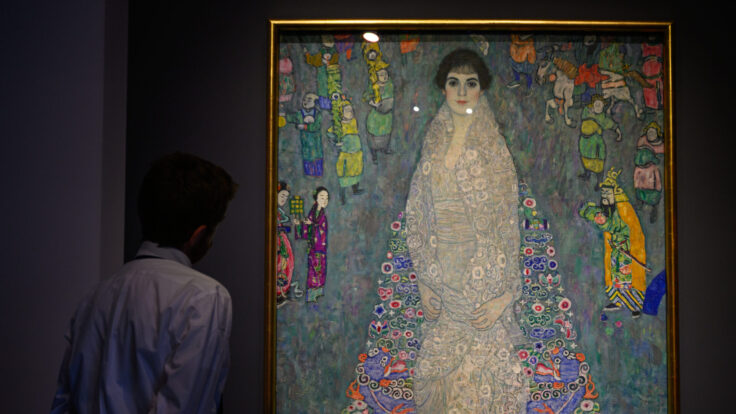
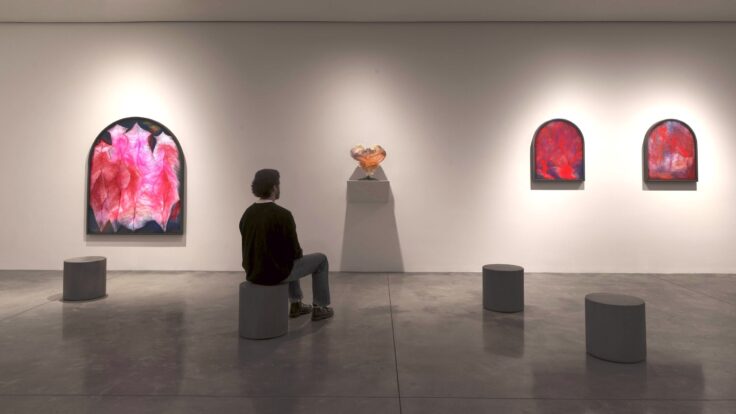
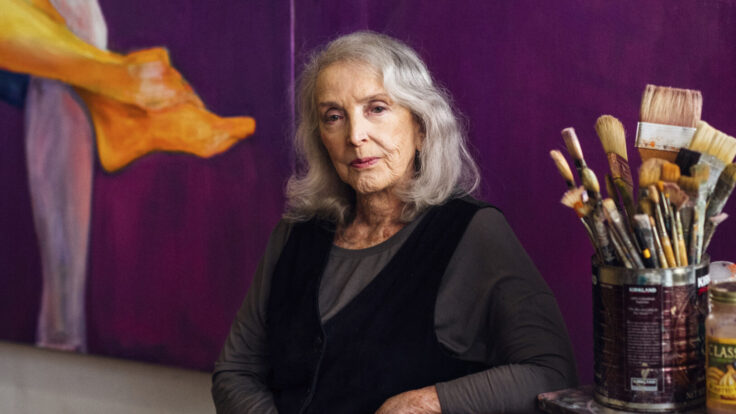
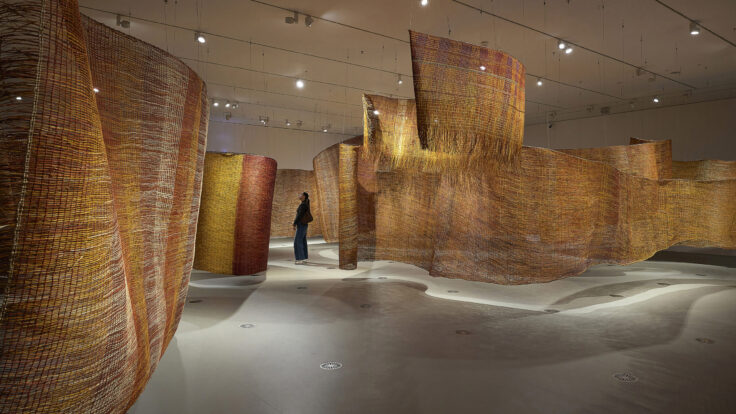
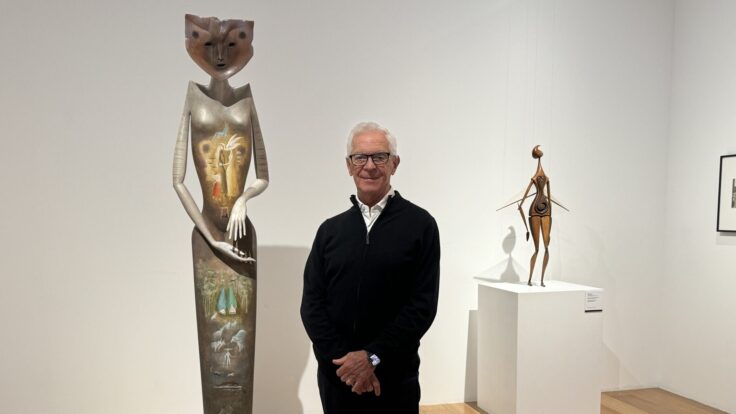
Zona Maco, the Mexico City art fair that opened earlier this week, has flooded my Instagram feed with images of long-table lunches, multicolored booths, and special events held around the city, which has become an art destination over the past several years. The pandemic certainly accelerated interest in Mexico City, where a number of Americans took refuge during that time. But the city has a long history as an art capital, dating to the female surrealists who lived there during the 1940s and are now in vogue, or Elizabeth Catlett, the artist who taught there for decades and whose retrospective just closed at the Brooklyn Museum. Meanwhile, as many museums do when a well-established fair lures so many art world professionals to town, the Museo Jumex opened a retrospective. This one is Gabriel Orozco: Politécnico Nacional.
The Mod Squad

Marion Maneker
February 7, 2025