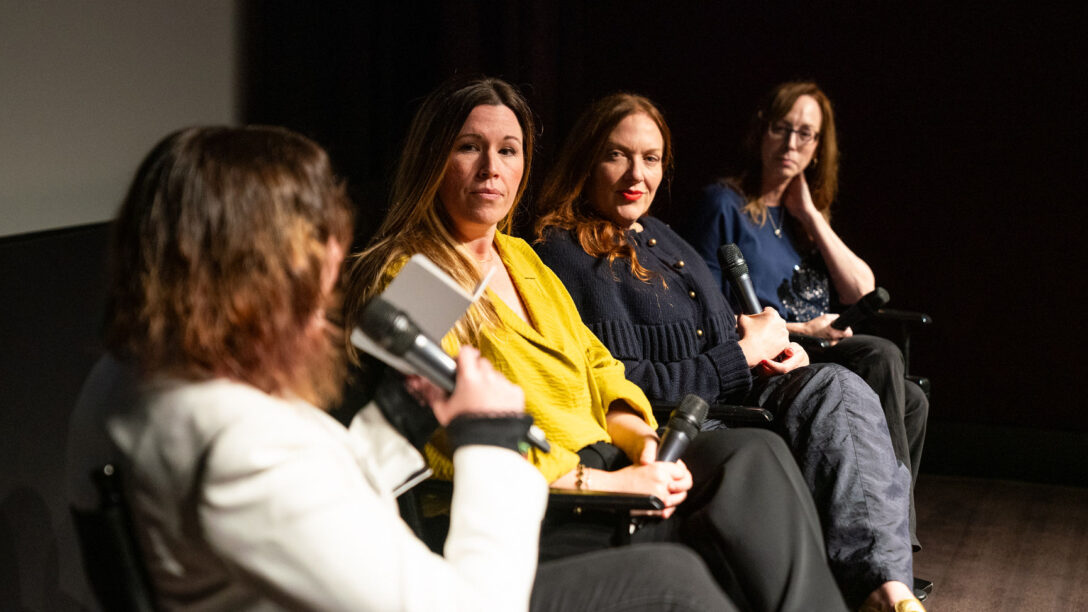
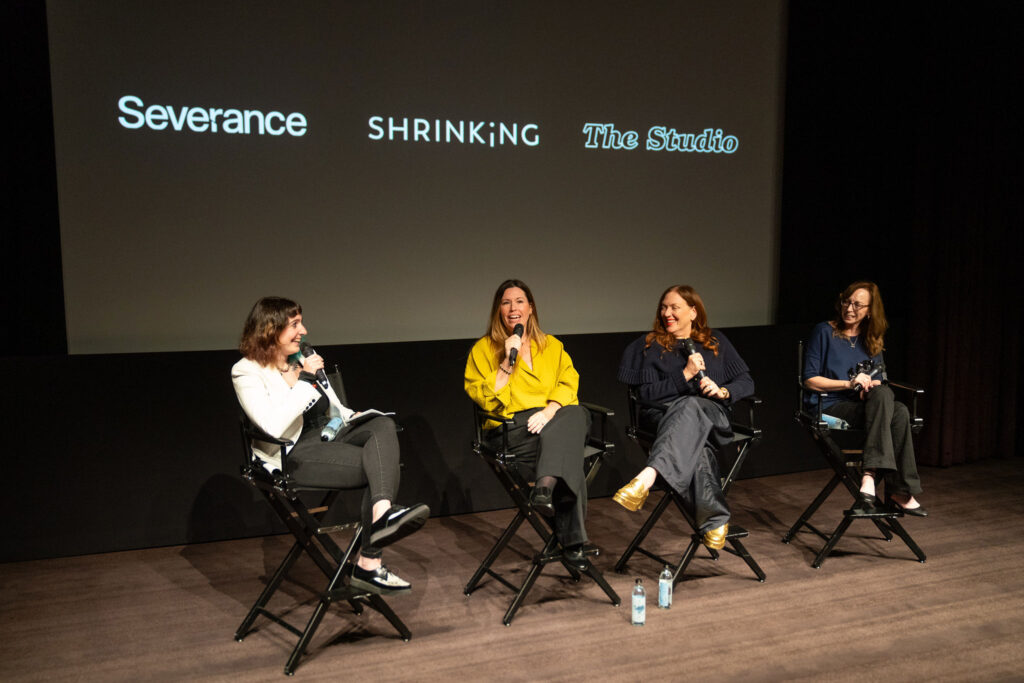
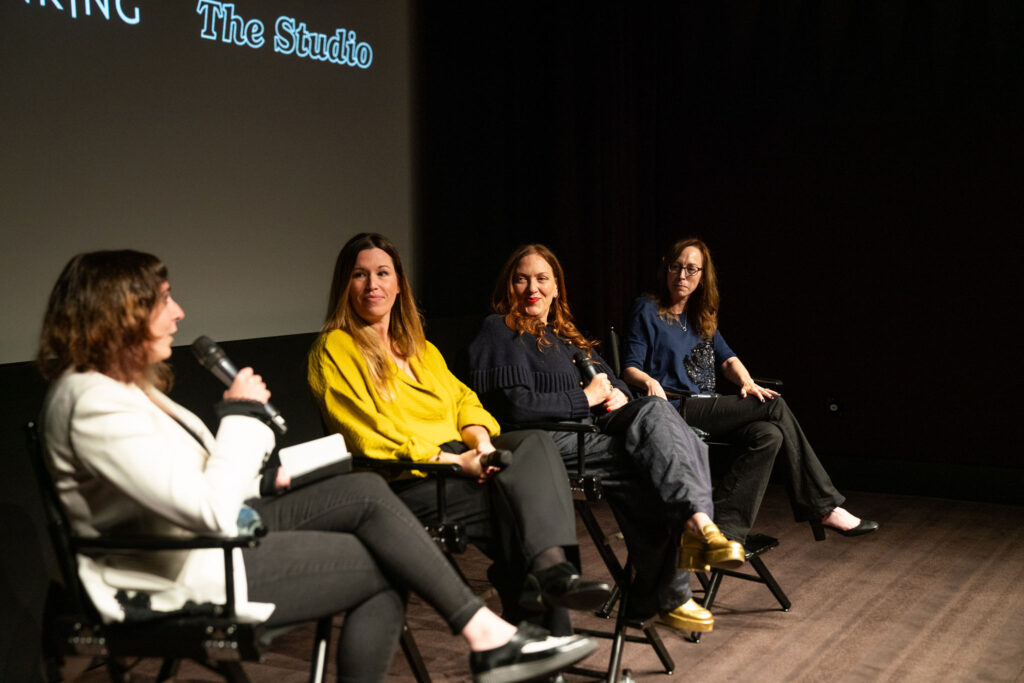
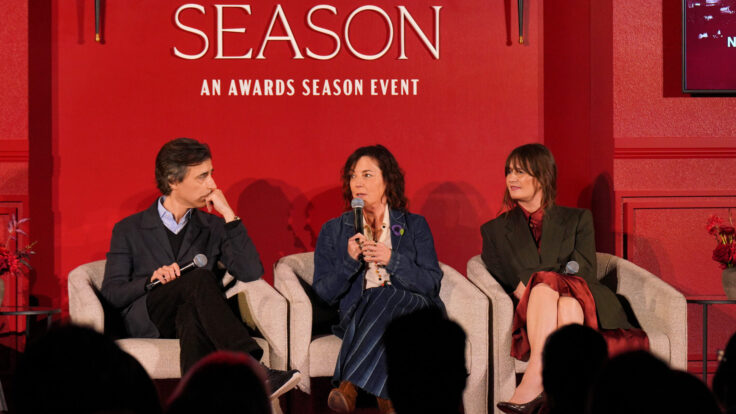
An illuminating conversation with a trio of talented casting directors—Debby Romano (‘Shrinking’), Melissa Kostenbauder (‘The Studio’), and Rachel Tenner (‘Severance’)—behind three Apple TV+ Emmy-nominated series.
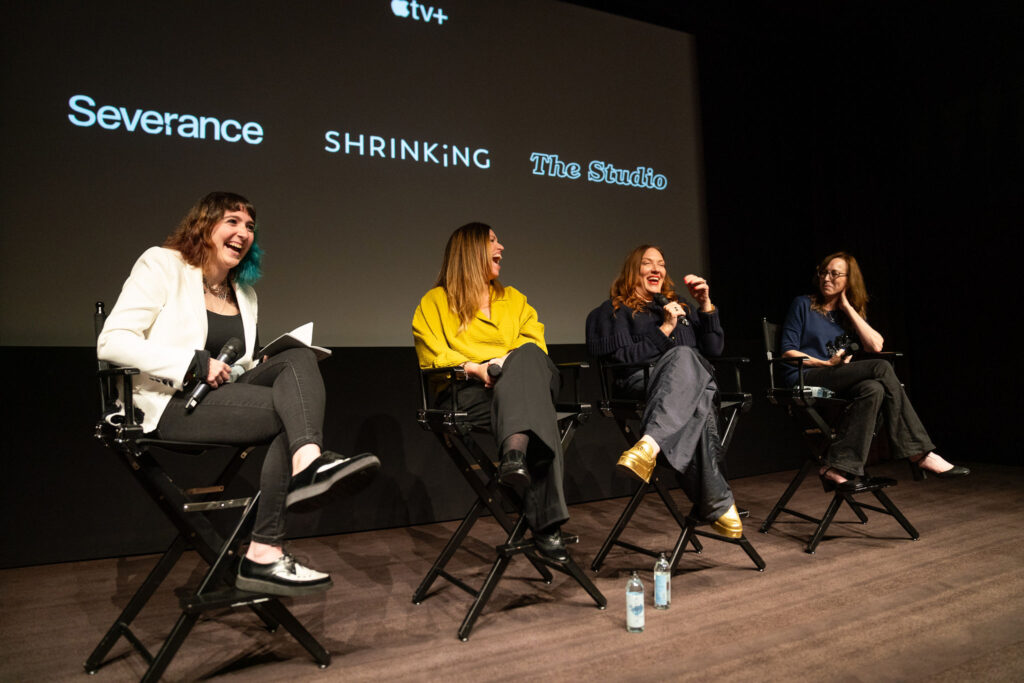
Debby Romano (Shrinking), Melissa Kostenbauder (The Studio), and Rachel Tenner (Severance) pulled back the curtain on how they land A-listers for cameos, how the casting process has changed over the years, the enduring power of self-tapes, and much more.
Photo: Alex Kikis Studio
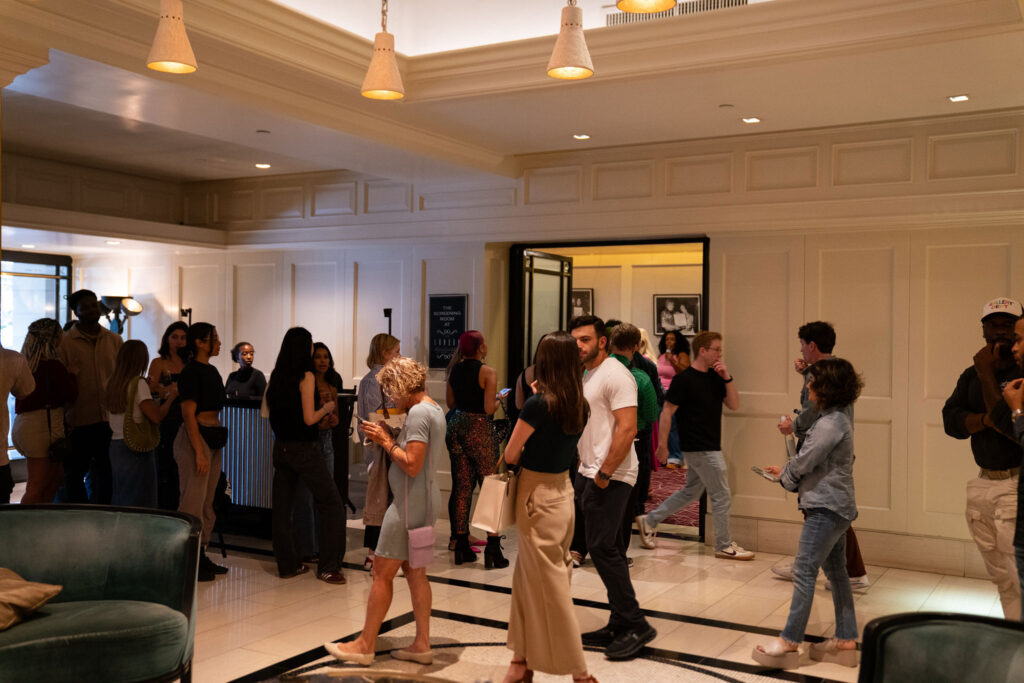
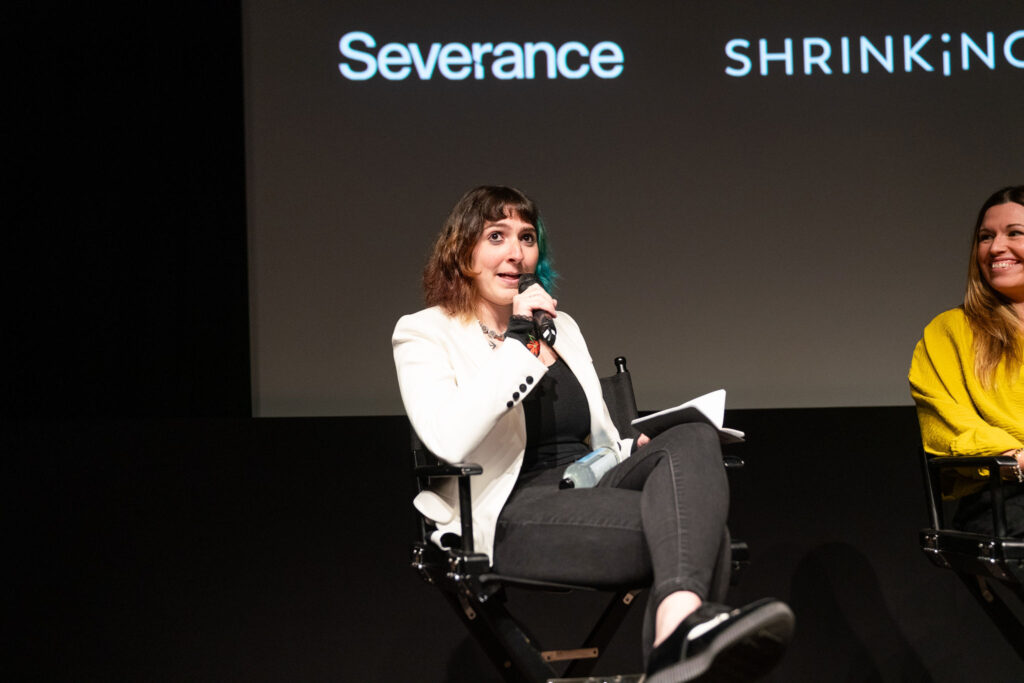
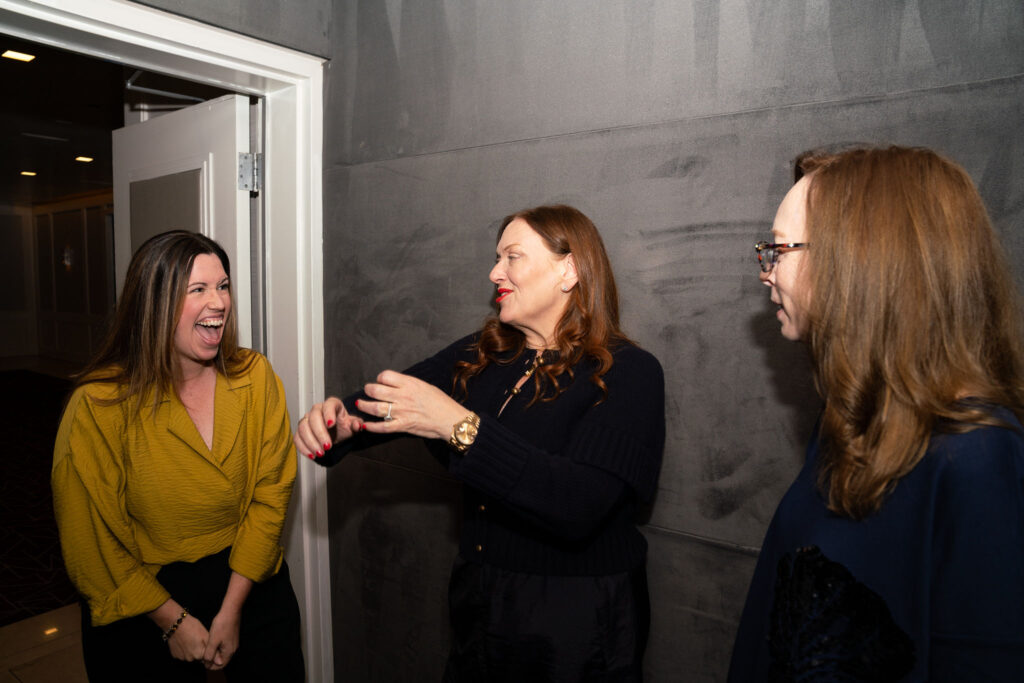
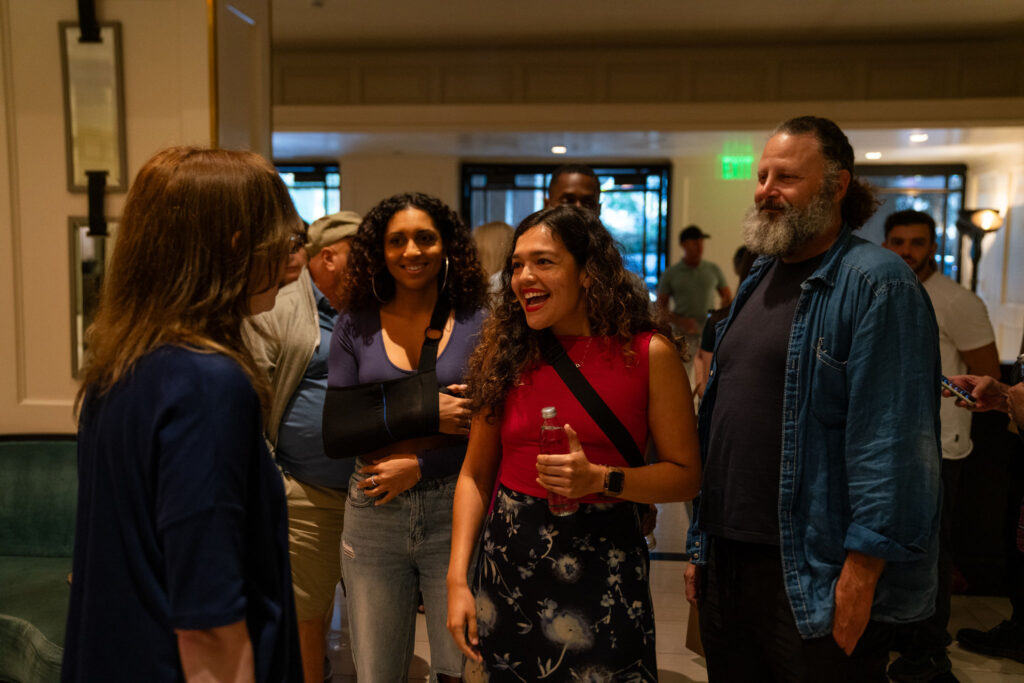
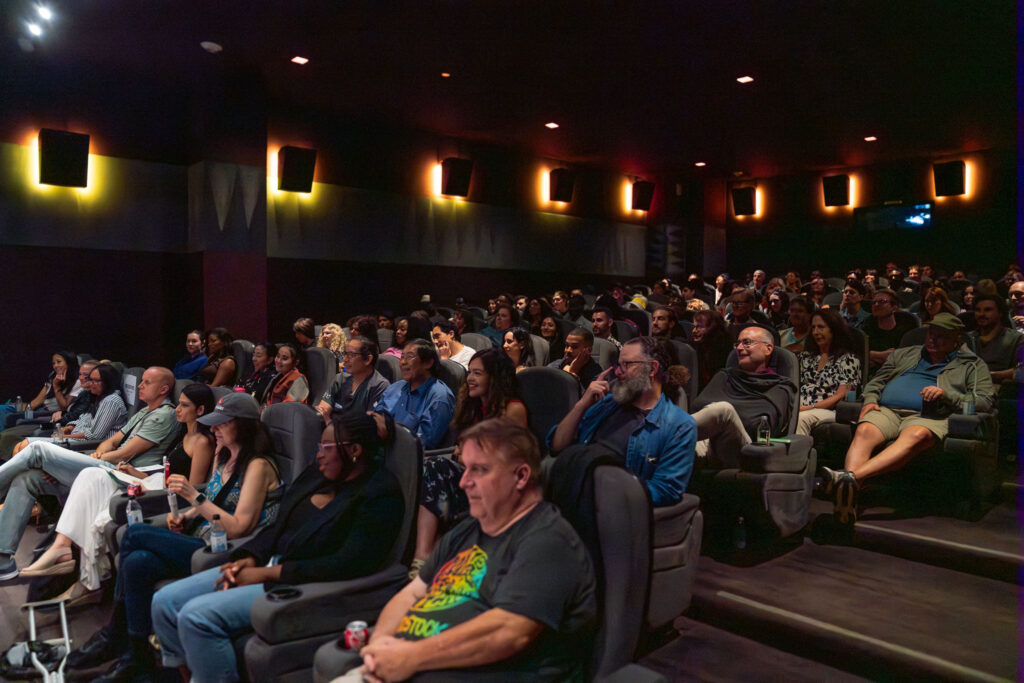
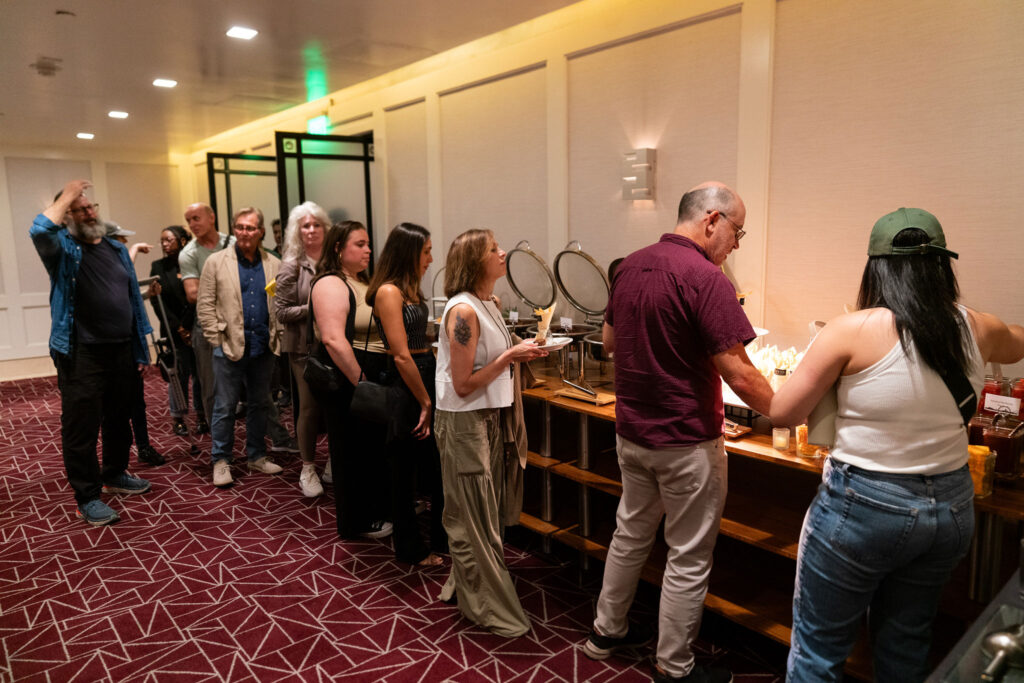
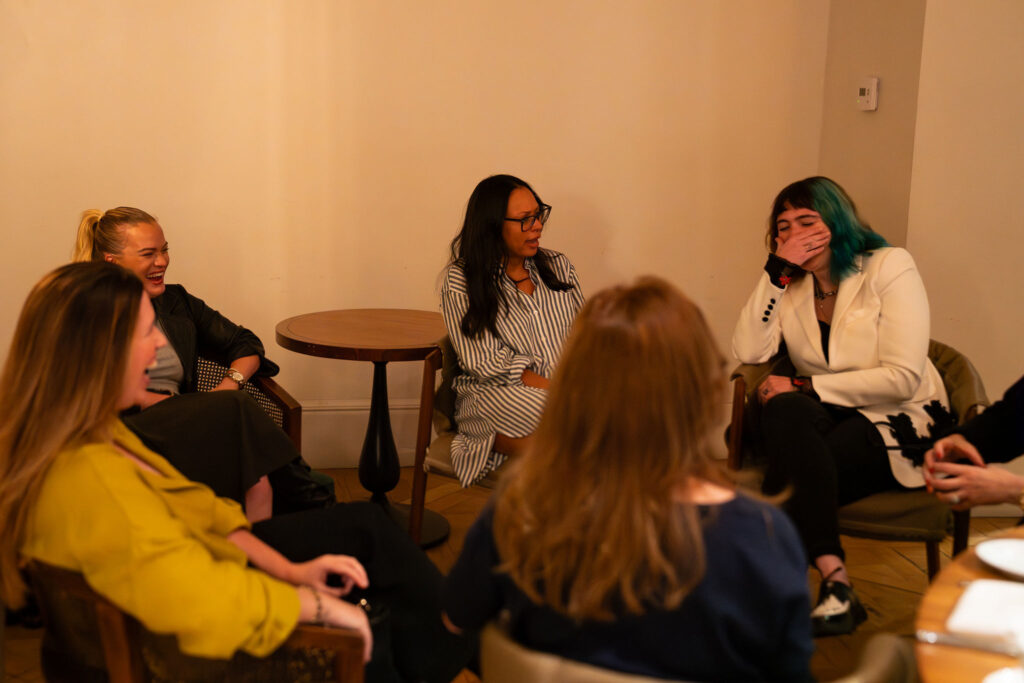
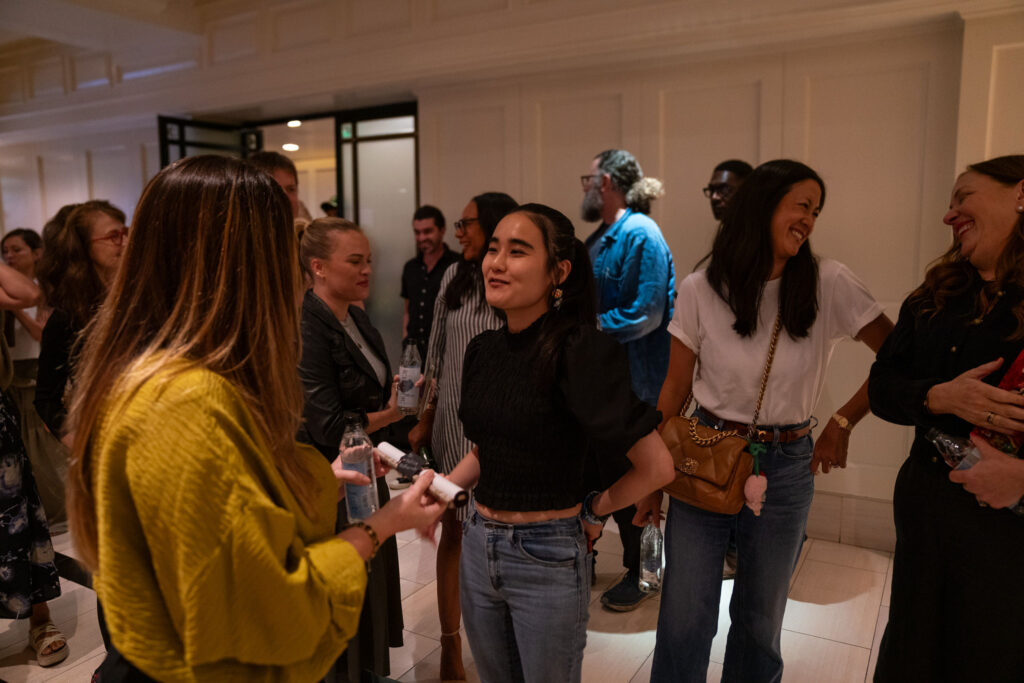
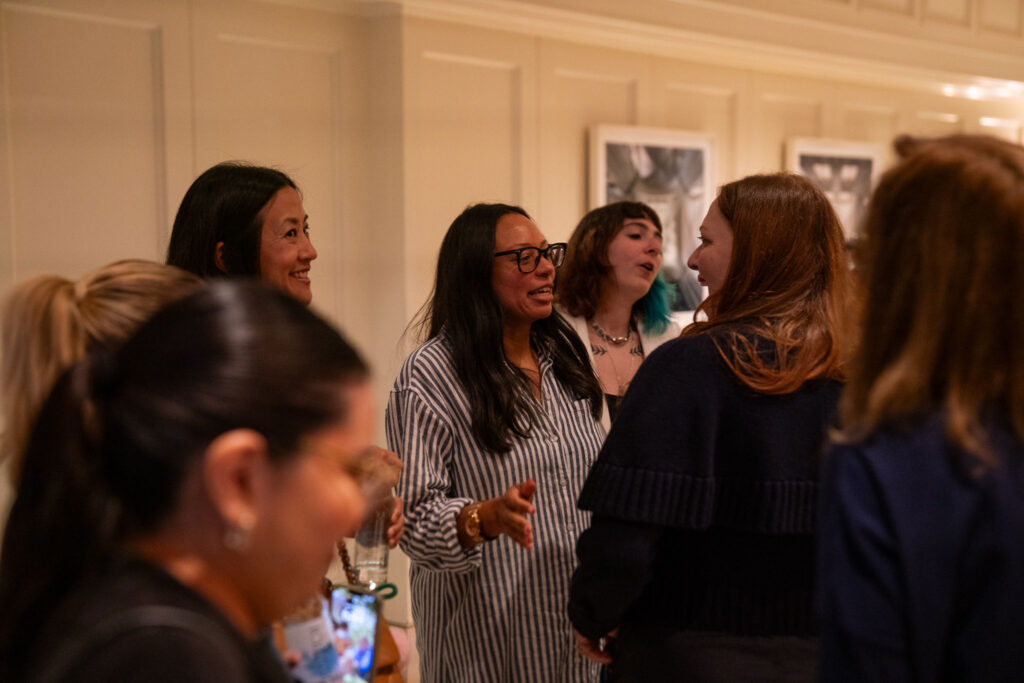
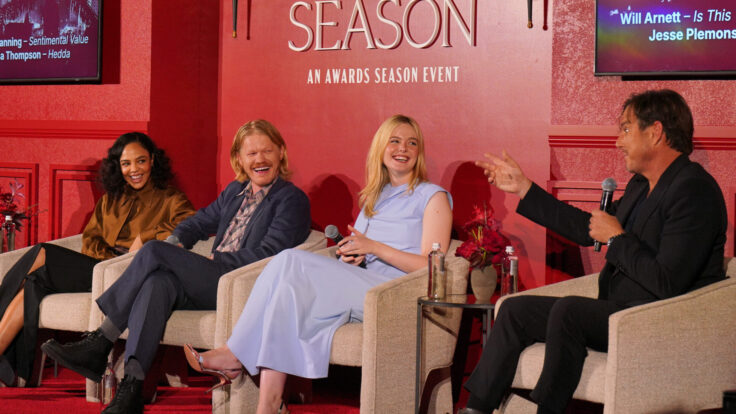
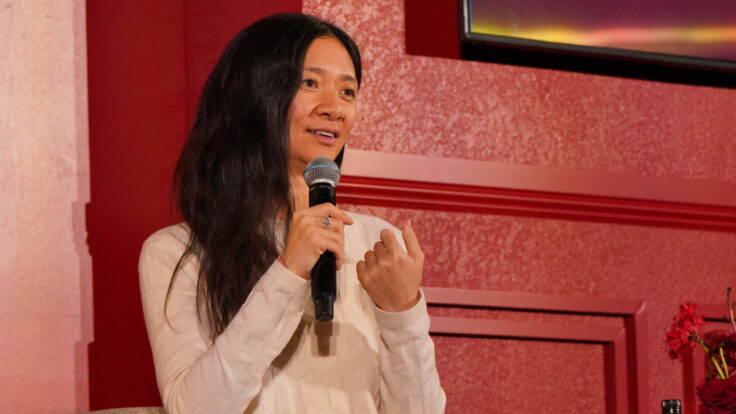
Last week in Los Angeles, Puck’s streaming expert Julia Alexander emceed an intimate panel discussion at the London West Hollywood with the talented casting directors behind three Emmy-nominated Apple TV+ shows. Over the course of their illuminating conversation, held before an audience of TV Academy voters, Puck members, and industry insiders, Debby Romano (Shrinking), Melissa Kostenbauder (The Studio), and Rachel Tenner (Severance) pulled back the curtain on how they land A-listers for cameos, how the casting process has changed over the years, the enduring power of self-tapes, and much more.
For members who weren’t able to attend, we’ve transcribed some highlights from their conversation, lightly edited for clarity and brevity.
Julia Alexander: What are some of the ways the casting process has changed over the years? Are there some changes you appreciate and others you wish would go away?
Rachel Tenner: I think Zoom was the biggest change. I don’t think that was on anyone’s radar before the pandemic. I didn’t even know it existed—let alone the ability to cast a whole show on Zoom. It opened up everything in a way that I think has really benefited the casting process. I think it gives you an opportunity to see people in numbers you didn’t get to before, and have more outreach, and continually try new things, which is obviously what’s fun about what we do.
One negative thing I noticed over the years is that there feels like there’s a lot more cooks in the kitchen. You have to get the creatives to sign off, then your producers to sign off, then the studio to sign off, and then the network to sign off. It’s lots and lots of levels and layers and budgets. And budgets seem to be a lot smaller.
Melissa Kostenbauder: Technology has been good because it’s made the process very efficient. But to Rachel’s point, now there’s this expectation of speed and urgency, and everything moves fast. Sometimes, I wish there was more time to just slow down again, and really just take our time and make sure we’re doing it right, versus working against the clock as much as we do now.
Debby Romano: I really miss when people had to trust their instincts. We couldn’t record any auditions. You sat in a room with writers and directors, and actors came in, and there might have been a little chat, and then people watched them do their thing. Then they left, and we had a quick conversation about, Oh my God, who did you like? And you couldn’t rewind anything and watch it again. And it was a gut instinct. That was awesome.
Melissa, I think what’s really fascinating about The Studio is that it is a show that relies on the audience understanding the realities of Hollywood. Within the casting process, how did you ensure that the guest stars weren’t going to overpower the other actors in the show?
Kostenbauder: I think that was all just [creators] Seth [Rogen] and Evan [Goldberg]. They were so intentional about everyone and every scene. It was never like, Just get a celebrity in here to be a celebrity. It was always, We have this circumstance; who in the celebrity world fits best here? It was all very purposeful. That lent a more authentic feeling than just having a population of celebrities that might distract from the scene or story they’re trying to tell.
How often is it that an actor comes in and does something completely different with the role—and it really works—versus how often do you get someone you’re interested in, and they do the role exactly as you thought they would?
Tenner: I think it’s probably a mix of both. I think there are always some unexpected surprises when you’re watching tapes or auditioning people, where someone makes a choice that you weren’t thinking—and that’s very exciting. And then, a lot of times, hopefully they’re actualizing what’s also in your brain—and that’s exciting too. Obviously, it’s all subjective, and then it goes on to the next stage, and you see if everyone agrees with you or not. But it’s definitely a mix of both. We’re working on a comedy right now, and it’s interesting to see the little moments that some people bring into it that are so different from each other. And I get excited by a lot of them.
Searchers & Finders
As you watch Reels and TikToks and videos that people send you, what works for you and what doesn’t? And where else do you find people these days?
Kostenbauder: I feel like things have evolved in terms of where people are putting the content they’re creating. We’re searchers and finders, and my favorite part of the process is finding new people. To me, those are just other places to do that. I think if you’re a writer or actor, and you’re already creating your own content—whether it’s for social media or whatever—you’ve already taken a step in the right direction, being proactive to put yourself out there in a way that people could find you. But I don’t always know if those skills are going to transfer: A lot of times, people are really great—but does what they’re really great at in a viral video translate into something that’s actually effective on set? It’s worth trying a lot of times, but it’s not always successful.
It must be exhausting to try to keep up with everything. How much pressure do you guys feel to be on it, and deciding where to focus your attention?
Romano: I feel the pressure. We just started a new show three weeks ago, and I am 100 percent overwhelmed, but I am doing the best I can. And I’ve tried to live in that world and have some confidence in that. There are only so many hours in a day, and I can’t do more right now. If one of my producers really wants to see someone, and they have not come through on a group of selects, then they’ll let me know, and we’ll get on it.
Kostenbauder: There’s a lot coming at you all the time. Back in the day, we’d always be like, We watch every pilot, make sure you’re keeping tabs on everything, and go see all the movies. And it’s like, [now], we wouldn’t be able to even do our jobs if we were just doing that. There’s just so much content. But you do your best and try to keep up as much as you can. And again, I think for a lot of us, the fun part is discovering people and auditioning. But the pressure is always there in one way or another.
Mythbusting
How has the audition tape changed over the years? Do you think it’s as important today as it was 20 years ago?
Kostenbauder: They’re very important. I actually wish more people knew and understood the process of casting.
Tenner: There’s a whole sentiment out in the world that we don’t watch the tapes. I promise you, we watch every tape. It’s the only way for us to find who we need and want. It would just be cutting off our nose to spite our face by not doing the work we’re asking of [actors] to do.
Romano: Also, you never know when someone’s gonna pop. I find that not only do we watch everyone’s tape, but we watch all of everyone’s tape—especially casting comedy, because they might key in during scene two, and it might not be there in scene one. And I also have FOMO. I don’t want to miss the best person, so we have to watch it all.
To Apple’s credit, Apple TV+ has come to mean something to a lot of people, similar to HBO circa 2005. Has that made it easier to get big-name talent on board with an Apple show? And how would you describe an Apple TV+ show?
Tenner: I think Apple does have an artistry to it. I used to always say that Apple was the AlbertBrooks compared to the Netflix WoodyAllen. Netflix had great hits, and obviously Woody Allen had amazing hits, but I felt like Woody Allen would come out with a movie every year and Albert Brooks would come out with five, and each of them was amazing. I really, really like working [with Apple]. I think they just have great creative teams there, and I think it’s really collaborative and encouraging, and I think they excel in that. I do find that their shows are more specific and thoughtful.
Didn't get an email? Check your spam folder and confirm the spelling of your email, and try again. If you continue to have trouble, reach out to fritz@puck.news.
Didn't get an email? Check your spam folder and confirm the spelling of your email, and try again. If you continue to have trouble, reach out to fritz@puck.news.
Member Exclusive
Get access to this story
Create a free account to preview Puck’s full offering, including exclusive articles, private emails from authors, and more.