A frank conversation about the future of Major League Baseball fandom with San Francisco Giants C.E.O. Larry Baer and Fox senior V.P. of strategy and analytics Ben Valenta.
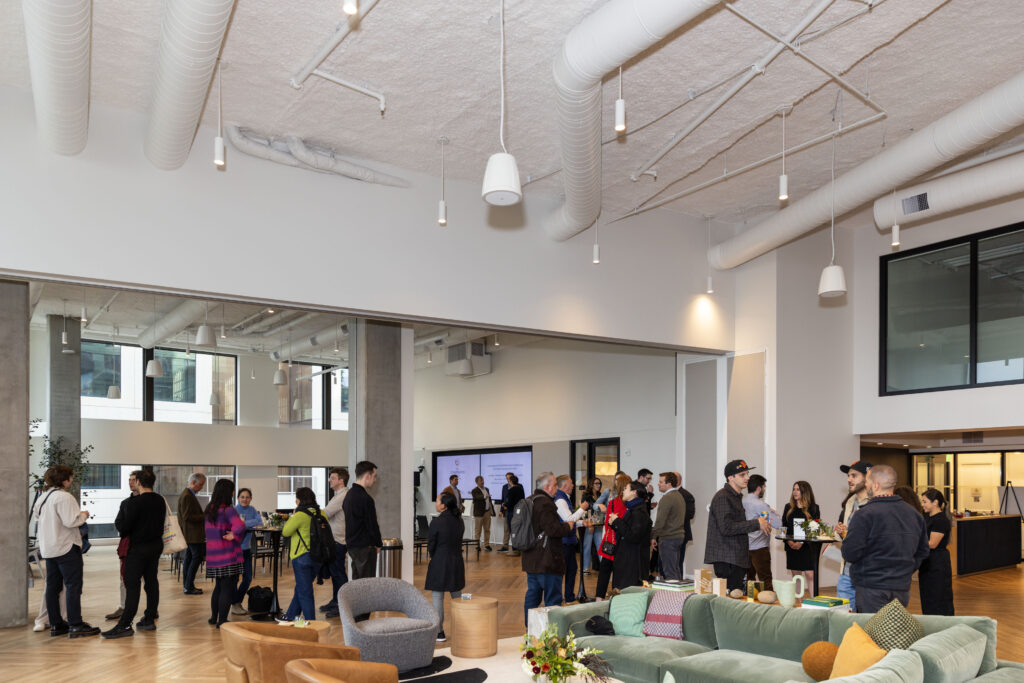
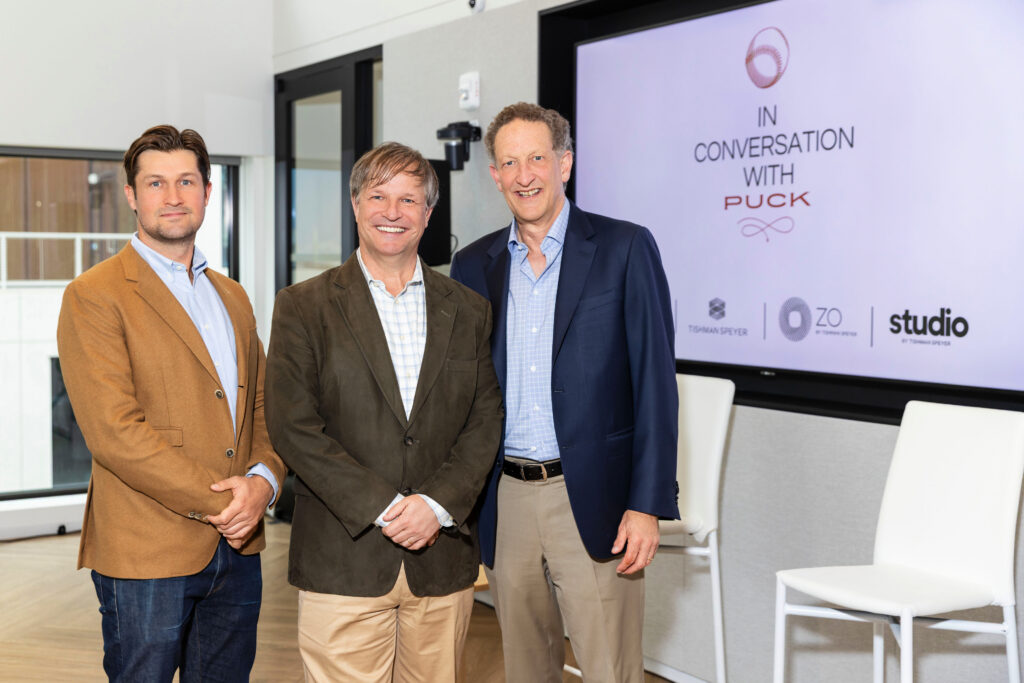
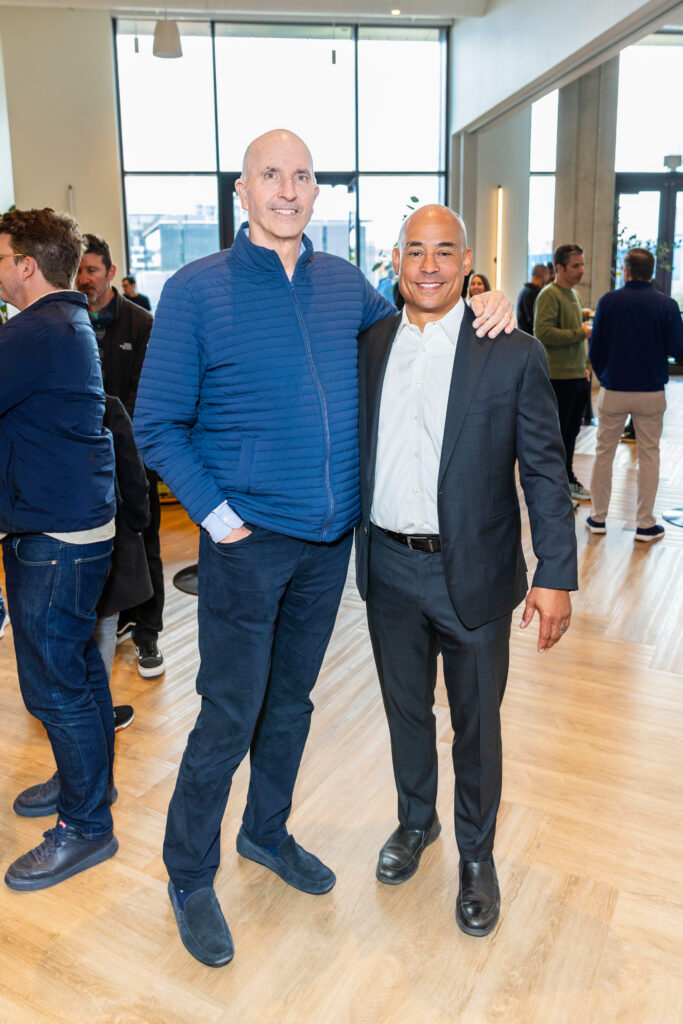
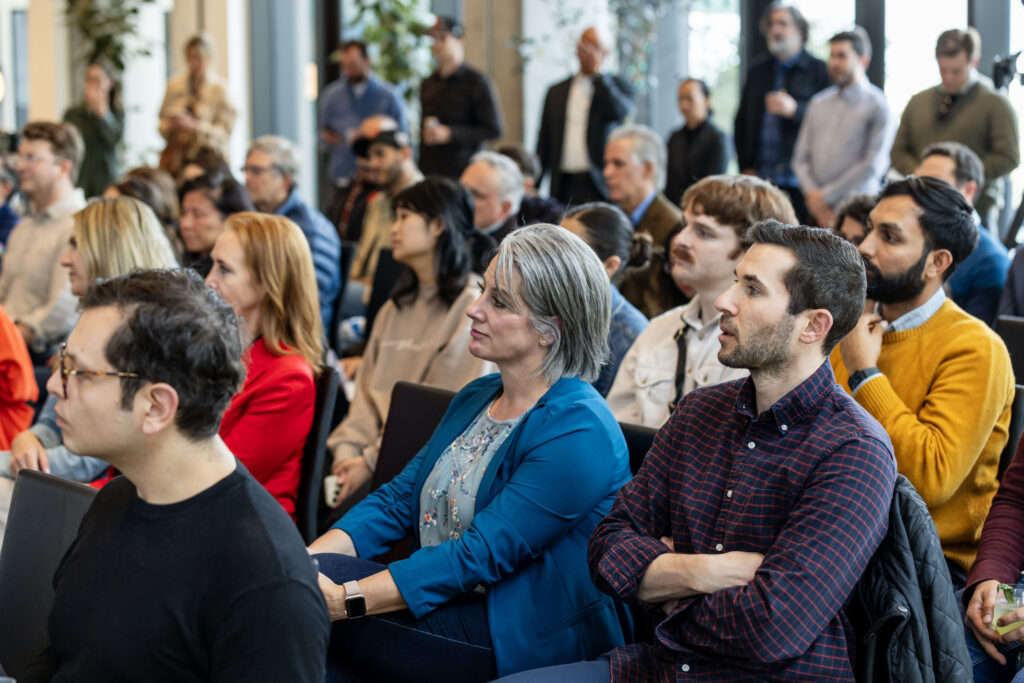
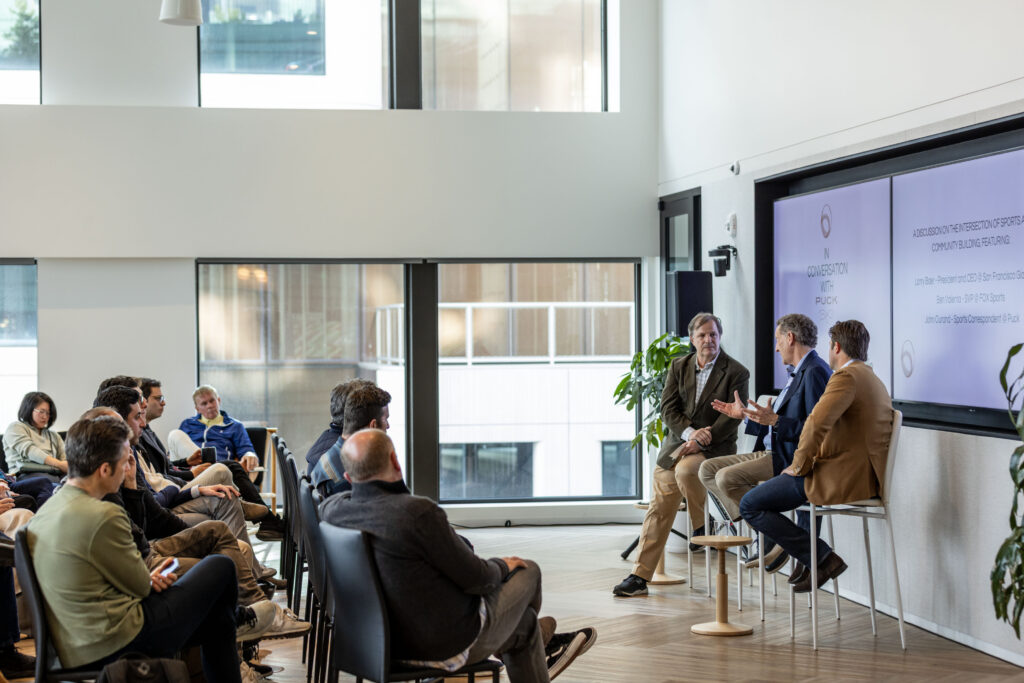
During a talk last week that Puck co-sponsored with Tishman Speyer, at their Mission Rock development, San Francisco Giants C.E.O. Larry Baer and Fox Sports senior V.P. of strategy and analytics Ben Valenta focused less on rights deals or on-field play than on what makes sports fandom meaningful and profound.
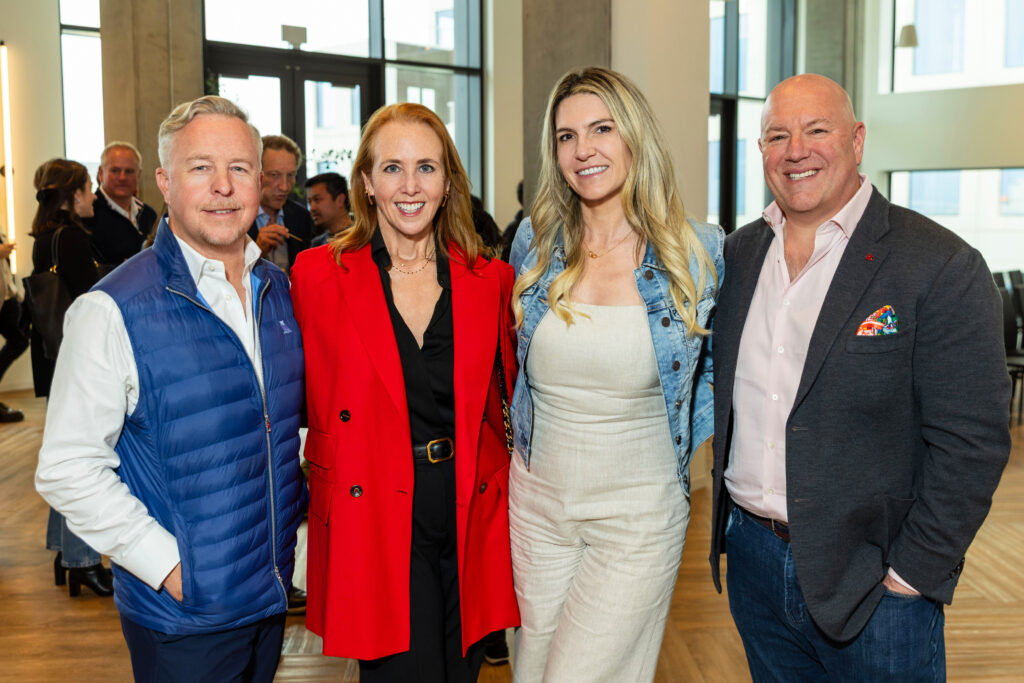
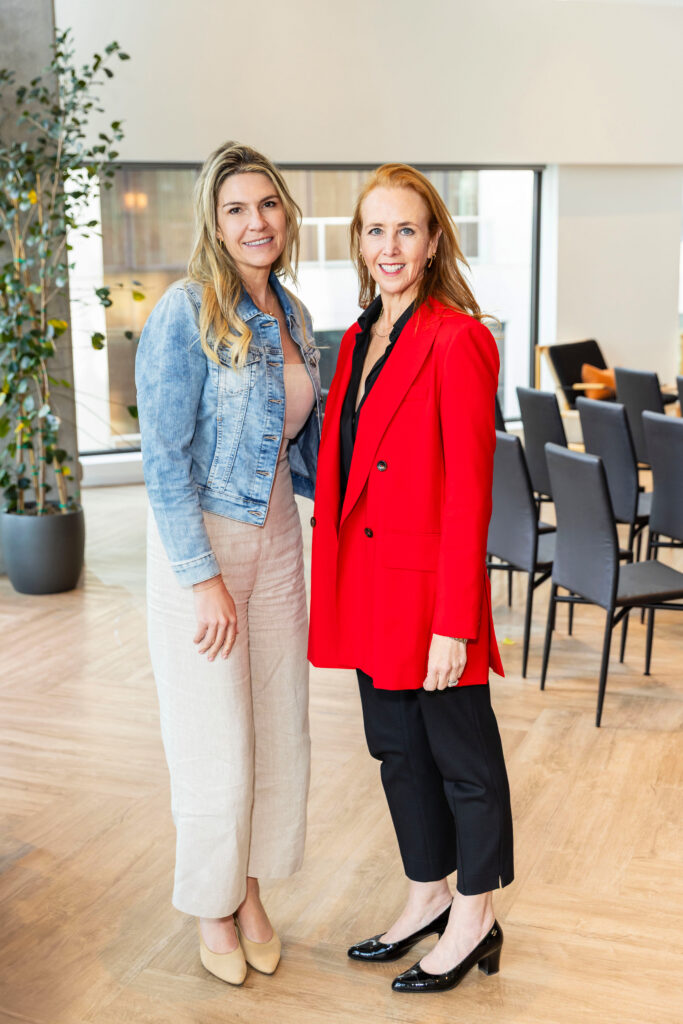
Photo: Katie Ravas for Drew Altizer Photography
When sports executives talk about ways to attract younger fans, they almost always reach for tactical solutions—from developing social media marketing campaigns to creating Gen Z attractions at the ballpark. But during a talk last week that Puck did in partnership with Tishman Speyer, at their Studio at Mission Rock location, San Francisco Giants C.E.O. LarryBaer and Fox Sports senior V.P. of strategy and analytics BenValenta focused less on rights deals or on-field play than on what makes sports fandom meaningful and profound. “Sports is the business of belonging,” Valenta said. What follows is a transcript of our talk, lightly edited as always. I encourage you to listen to the entire presentation on this week’s Varsity podcast.
Private Financing
John Ourand: This a beautiful space here at Mission Rock, and it follows a trend that’s been happening across the country: Teams have started to build retail spaces around stadiums. What is your strategy with this?
Larry Baer: One of our strategies was partnering with the best developer possible, which is Tishman Speyer. Our group acquired the team in 1993, and a do-or-die project we had was to get a ballpark to replace Candlestick Park. We had wonderful memories there, but it probably was not the place to lead us into the future of baseball, where break-even is around 3 million fans. So when we acquired the team, we basically had committed that we would, with deliberate speed, get a ballpark built.
There were previously four failed ballot measures to build a ballpark with public money. So we went the private route, got the ballpark built in 2000, and as the area was getting developed, the center of gravity was moving toward this part of town. If you were to ask, What was the one thing you would have done over?, it would have been to have an opportunity to expand beyond the ballpark. What we really wanted to do was enhance the neighborhood, because we have a group of community-based investors whose D.N.A. is to do the best thing possible for the city.
Photo: Katie Ravas for Drew Altizer Photography
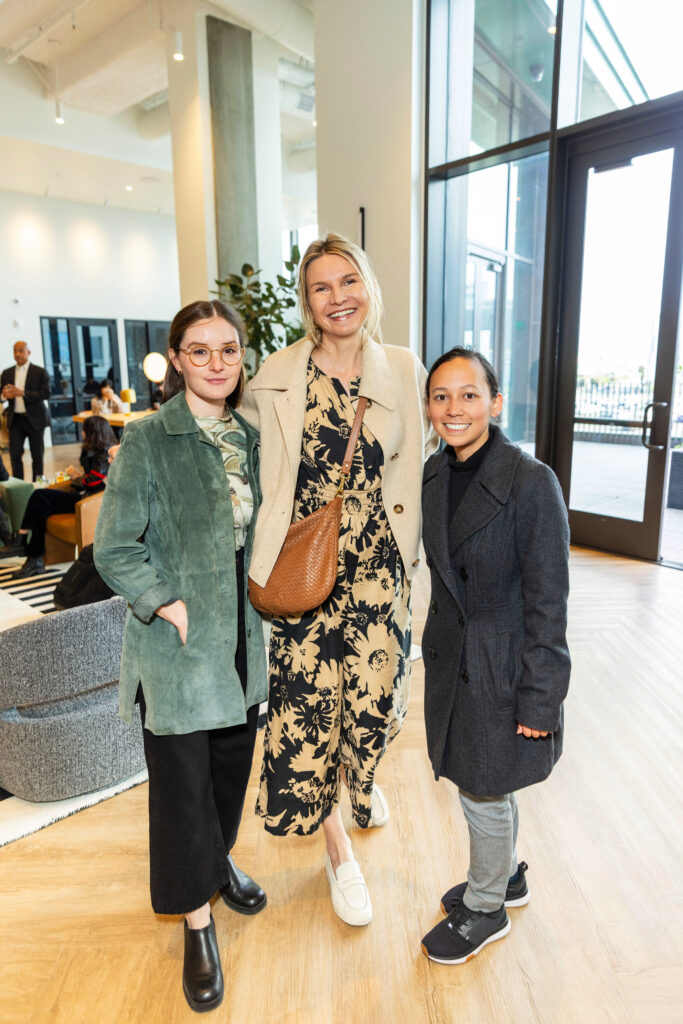
Photo: Katie Ravas for Drew Altizer Photography
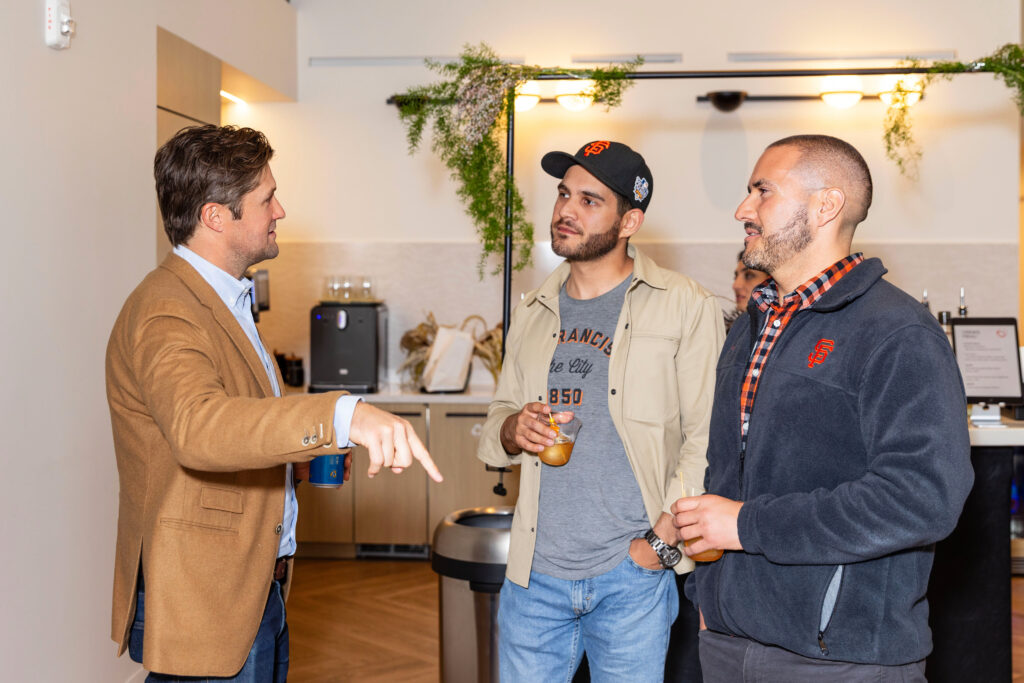
Photo: Katie Ravas for Drew Altizer Photography
I remember distinctly when you built here, there was no blowback. People were ready to leave Candlestick and come to the middle of the city.
Baer: When we acquired the team, there was really a big groundswell of support for a new ballpark. Our research showed that 75 percent of the voters wanted a new ballpark; and, similarly, 75 percent of the voters said, I won’t pay for the ballpark. So we knew the only real route was to do it privately. A baseball park hadn’t been done privately—arenas had, but baseball parks hadn’t. So we had to go into the upfront sponsorship world, upfront concessions world, and upfront naming rights world, to put together the private piece of it. And a big credit to our investors at the time—Peter Magowan and a group of 18 civic-minded folks who really went into this somewhat blindly. But it was the only way we were going to keep baseball in San Francisco.
A Fan’s Notes
Ben, tell me about how you view building community from a media standpoint. Your view is radically different in its own way, because you’re viewing it as part of Fox Sports.
Ben Valenta: At Fox Sports, one of the things that we focus on is really understanding how fandom operates—and this word “community” comes up. I’ve spent the last 12 years talking to sports fans about why they engage in sports, and oftentimes, the fans themselves aren’t even aware of how embedded the notion of “belonging” and “community” is into their own fandom. And along the way, we developed an insight that to be a fan is to be a part of a community. We have found that the bigger the fan you are, the more friends you have.
When you continue to pull the threads, all this belonging, connection, and interaction is really good for us. Fans are better off. They’re happier, they’re more satisfied with their life. They’re more grateful, they’re optimistic, they’re more confident. They’re more likely to give to charity. They’re more likely to be registered to vote. They’re more trusting of others and institutions. Every wellness marker that we’ve tested shows a positive correlation with fan engagement.
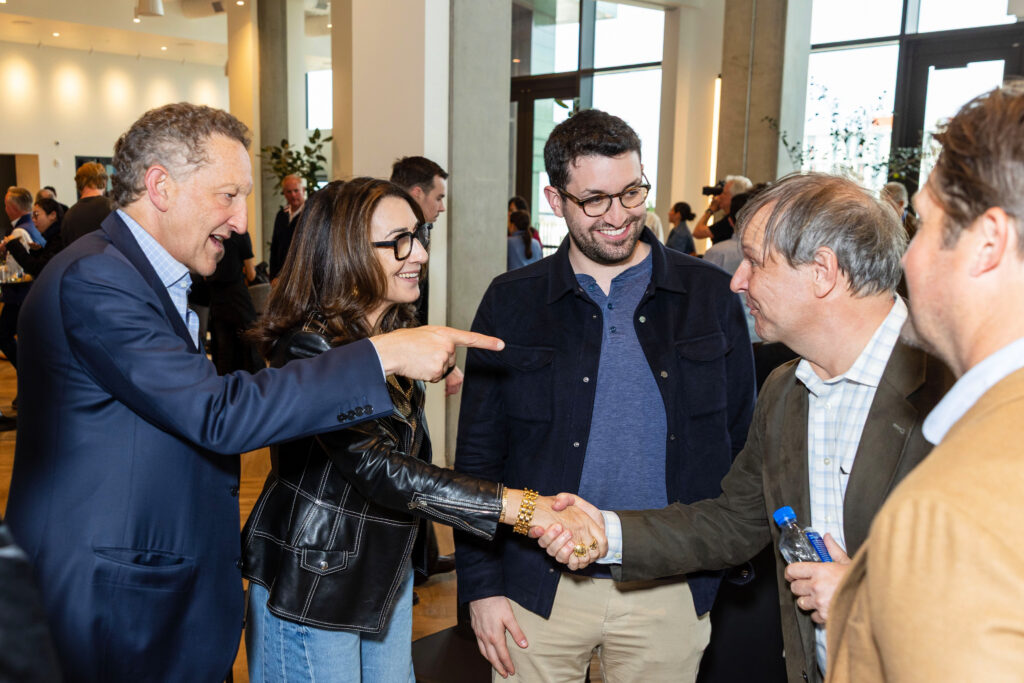
Photo: Katie Ravas for Drew Altizer Photography
Photo: Katie Ravas for Drew Altizer Photography
Photo: Katie Ravas for Drew Altizer Photography
Photo: Katie Ravas for Drew Altizer Photography
How does this research help Fox? What does Fox do with it?
Valenta: I want to take a step back from that, because I think there’s a bigger conversation that needs to be had around the strategic framing of the sports business, and how consumers relate to it. Currently, we think about and frame the business through this lens of entertainment. We need to get out of that framing of this business, and think of it as belonging. Sports are entertaining, but they are not entertainment. Sports is the business of belonging. That’s how this business works. If we frame it properly, we’re getting closer to the heart of why consumers actually engage in this space, and why they give their money to businesses in this space.
Start ’Em Young
It’s perceived that baseball has a problem with an aging fan base, and that baseball has a problem getting butts in the seats. Are those real problems?
Baer: In some ways, we’re the most generational sport; you see multiple generations at the ballpark, where games are played during the summer. But I think we’ve gotta innovate. One of the things that we’re doing at the Giants, and our C.M.O. is really focused on, for example, is connecting baseball to food. It’s about new audiences. I think the pitch clock is helping, and I think there are other innovations coming in terms of play on the field. But I think the most important thing is the outreach to new audiences through social media, and through all the devices we now have. It’s coming with baseball, and we’re seeing some good signs.
How do you get the younger generation to either watch and stream, orcome to the stadium?
Baer: We have to understand that the games are being consumed differently through the media, and we have to figure out ways to deliver it in curated ways and chopped-up form. And I think that’s going to form some rights negotiations. You’ll still have Fox and others doing the full games, but you’re going to have others—whether it’s YouTube or other players that have the hearts and minds of 20-year-olds—that are going to do rights deals that may not relate to just the full game, but pieces of the game.
Valenta: There’s no question that all leagues and teams and broadcasters should be thinking about how younger people are consuming their media, and we need to be offering content on those different platforms. But I still think we can’t skip by the notion that in order for someone to become an engaged fan—in order for them to pay money, and pay attention that is monetizable—they have to have a social network that is activated by that team, league, and sport. That’s the animating life force of this business.
So yes, we should be monetizing highlight rights across different platforms, and we should be where the kids are, no question. But that’s not some silver bullet that creates the next generation of fans. The only way to create the next generation of fans—the only way to mint a new fan—is learned behavior, which requires repetition over time. And that behavior is stickiest when in the context of family-bonding rituals—you get kids young when they’re using the team to bond with their families, and that’s how they become the people consuming content across all these different media platforms.
Photo: Katie Ravas for Drew Altizer Photography
Photo: Katie Ravas for Drew Altizer Photography
Photo: Katie Ravas for Drew Altizer Photography
Photo: Katie Ravas for Drew Altizer Photography
Cord-cutting is real, and it’s a very clear trend, not just with baseball, but with all programming. Larry, what’s your local media rights strategy?
Baer: I think all the clubs now have more questions than answers. But there’s a lot of interesting experimentation, and we’re doing that. We’re in the middle of experimenting with different pieces of this. We have a great partner in NBC—we’re fortunate to have a strong partner, and we’re experimenting together.We just launched in-market games on Peacock, so you can subscribe.
I think the answers are going to unfold as we go through the next couple of years, and we’ve seen all the new players that are interested and talking to all of us: Apple, Amazon, Peacock, Netflix, etcetera. It’s going to take a little bit of time to sort. These are longer-term deals; our deal with NBC goes through 2032. Obviously, YouTube is having some interesting discussions with lots of folks. I think it’s too soon to understand exactly where it all settles. We also have to think more globally than we have in the past.
Didn't get an email? Check your spam folder and confirm the spelling of your email, and try again. If you continue to have trouble, reach out to fritz@puck.news.
Didn't get an email? Check your spam folder and confirm the spelling of your email, and try again. If you continue to have trouble, reach out to fritz@puck.news.
Member Exclusive
Get access to this story
Create a free account to preview Puck’s full offering, including exclusive articles, private emails from authors, and more.