But I had a suspicion when I arrived in town that the tide was turning. Interestingly, but not all that surprisingly, the
gestalt of fourth estate Washington isn’t as dire as it’s been portrayed. Shortly after I had landed in town on Thursday evening, I headed to a new restaurant in the wharf to toast the independent journalist and entrepreneur
Oliver Darcy and hobnob with some local swells and partners. Standing by the bar with
Dylan Byers, as the members of his cinematic universe flitted around him vying for attention, felt like a moveable feast. Indeed, the first hundred days of the Trump presidency have been bizarre and norm-testing—DOGE, Liberation Day, the El Salvador episode, Signalgate, etcetera—but they’ve also provoked a groundswell of incredible work, all of which was being justifiably toasted around us. The mirth was self-evident.
The vibe shift was also apparent at Tammy’s party, an event in support of her artificial intelligence initiative, that featured founders, public affairs executives, tech honchos, and the town’s elite journalists—and B(ai)ley’s Irish coffee for those looking to perk up a Friday afternoon. It was a swell tune-up before her famous weekend brunch: Axios co-founder
Mike Allen made the rounds, and I got to catch up with
Ben Coffey Clark, a founding partner at Bully Pulpit International, and one of the smartest people at the intersection of tech, politics, and media. I kibitzed in the corner with my partners
Leigh Ann Caldwell and
Ali Hattamer, our ace D.C. sales leader.
The clouds, it seemed, had lifted over Charlie Brown’s head. The following evening belonged to the talent agencies, who throw their own mildly self-congratulatory bashes on the night before the W.H.C.A. dinner. By all accounts, there was optimism at the WME fest at the Eaton on K Street, and at the UTA and CAA toga parties in Georgetown, too.
Many of my observations about the culture are formed by my partners, unsurprisingly, and my gut read on the elevated mood in D.C. was no different. As I was enjoying the short flight to DCA on Thursday evening, I was top-editing another masterstroke from my partner
Julia Ioffe. The story,
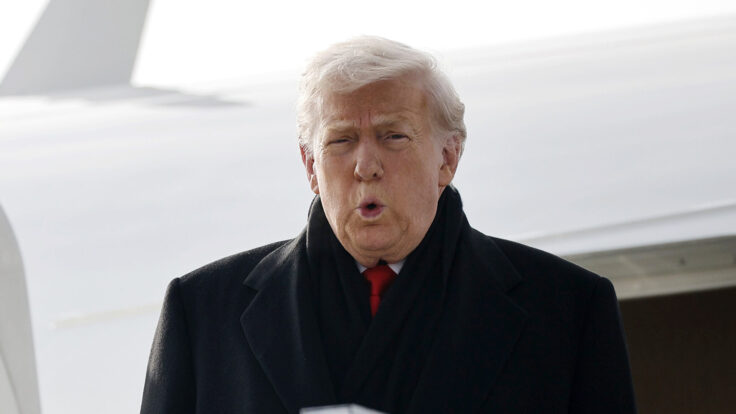
Notes on the Rubio Re-Org Scandal, focused on the secretary of State’s less-than-meets-the-eye restructuring of the agency. Indeed, while Rubio recently announced a 15 percent staff reduction—a serious culling, to be sure—it was
significantly below the rumored 30 percent figure that had been making the rounds as part of a far more radical 16-page draft executive order. (State eventually dubbed the document “fake news.”)
On a more profound level, however, Julia’s piece helped crystallize one of the emerging leitmotifs of this second Trump administration: While the policies and rhetoric can be severe and unprecedented, the execution is often more modest. To wit:
Elon Musk is retreating from his incomplete DOGE project to fix Tesla’s operations; after his Liberation Day speech, Trump was amenable to a 90-day pause, and the president has signaled a desire to renegotiate downward the extraordinary tariffs on Chinese goods; and, as Julia also noted in our
The Best & The Brightest political email, Trump appears to be at the end of his rope with
Putin, too. As one retired State honcho told her regarding Rubio’s bombast about the re-org, “It’s almost like the rhetoric was so aggressive as if to give cover for a reorganization that was not that radical.”
This weekend, curl up on your sofa and read
Notes on the Rubio Re-Org Scandal. It’s a reminder that the truth is always more nuanced and multifaceted, especially in these complex times. And it’s what you can always expect from Puck.