Welcome to The Varsity. I’m John Ourand, back in D.C. after a week on the road.
Two weeks ago, Major League Baseball made headlines when it acquired a 20 percent stake in the Athletes Unlimited Softball League. It’s easy to understand MLB’s motives amid the explosion of fan interest and financial investment in women’s sports. But ESPN’s numbers from the Women’s College World Series, which Julia Alexander highlights below, also hint at the potential upside of this deal: The network drew a record high number of viewers for the championship series, which included a deciding Game 3 blowout win for Texas over Texas Tech.
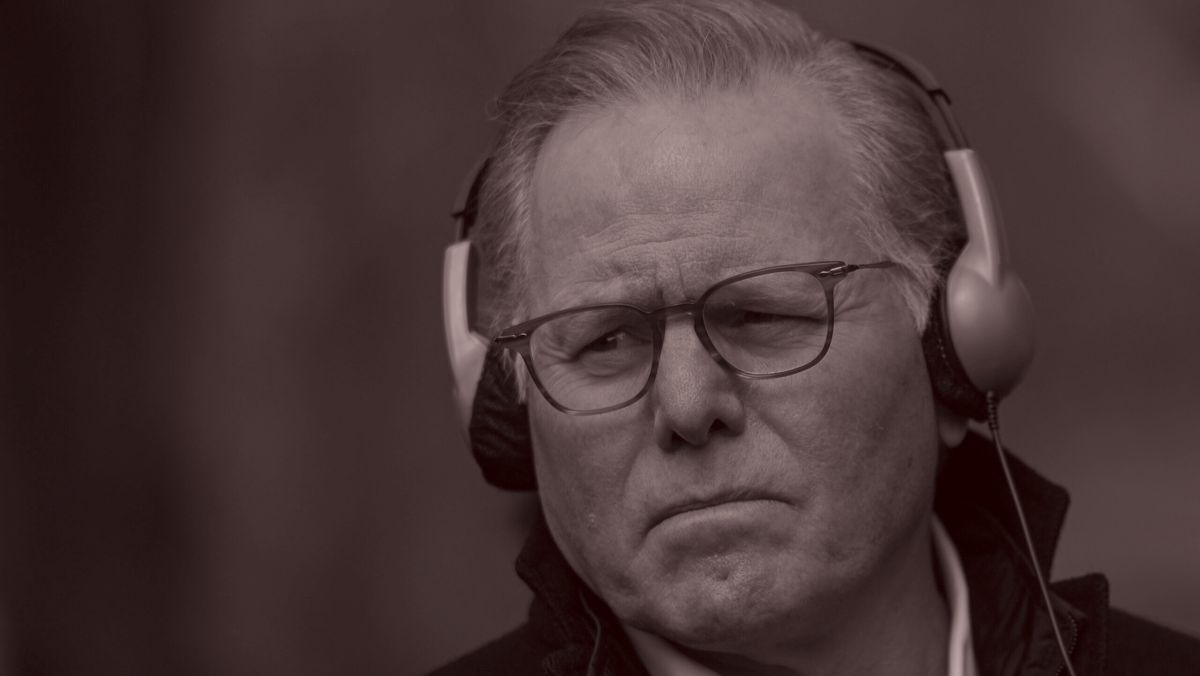
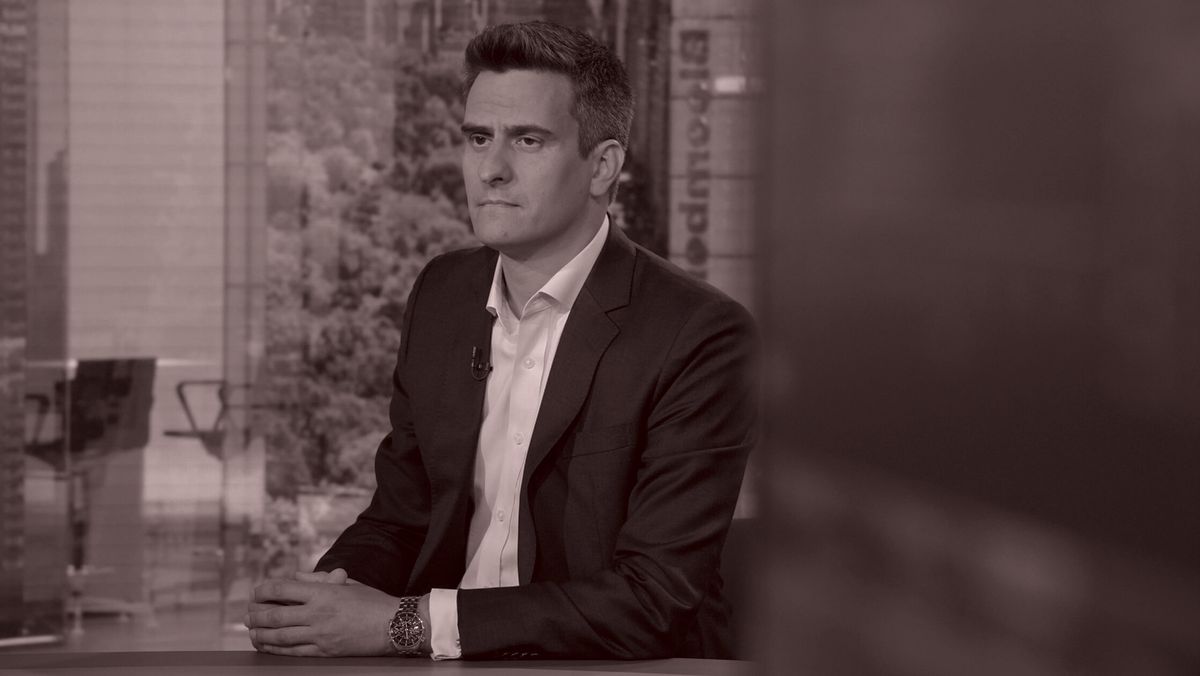
Puck has gone all-in on its coverage of Warner Bros. Discovery’s decision to split into two separate companies. In tonight’s Inner Circle edition, Julia plays out what could happen if David Zaslav wants the streaming rights to, say, MLB or the NCAA men’s basketball tournament. Would Gunnar Wiedenfels, his soon-to-be-former C.F.O. and the future C.E.O. of WBD RemainCo, still do that deal—even if it’s not in his best interest?
Remember, you can only read Julia’s stories if you’re an Inner Circle member, so click here to upgrade. It will pay for itself in no time.
Take it away, Julia…
|
Stat of the Week: 2.4 Million
|
|
That was the average audience for Friday’s decisive third game of the Women’s College World Series between the Texas Tech Red Raiders and the Texas Longhorns—the most watched college softball game ever, per ESPN. Of course, broadcast and streaming executives are trying to figure out what will become the next big women’s college sport—or, more precisely, who will be the next Caitlin Clark. The excitement around softball, which mirrors the strong uptick in overall viewership for Major League Baseball, might signal an early favorite.
|
- The BBC minds the gap: Streaming executives almost always bring up the problem of latency, or the time delay between the game action and when it appears on your screen—about 40 seconds on streaming and perhaps 8-10 seconds on linear, a crucial delta in the world of wagering. During a recent NBA event, one executive (somewhat myopically) went so far as to suggest that streaming will never fully replace linear because gambling destinations, like casinos, would never fully embrace streaming for this very reason. But it’s not just gamblers who are annoyed by the delay. Interestingly, the BBC is trying to address the issue with its V.O.D. service, iPlayer.Leaving aside the technical jargon for now, the BBC is studying how to reduce the gap between the delays on iPlayer and its normal linear feed. Among its considerations: when low latency occurs, is it better to let the broadcast resume on a delay? Or speed it back up to live? Will the latter risk skipping over important moments, like a goal during a soccer match? The BBC’s progress will be watched closely as sports rights increasingly move to streaming.
- YouTube or bust: As all loyal Varsity readers know, YouTube plays a more significant role than ever in sports fans’ lives. The latest example comes from WWE. Following TKO Holdings Group’s acquisition of the Mexican wrestling organization AAA, WWE’s first Worlds Collide event with AAA stars aired on the league’s YouTube channels last weekend. It drew more than 4 million viewers over its first 24 hours, and peaked around 764,000 concurrent viewers between YouTube’s WWE and WWE Español channels.For WWE president Nick Khan, who has been vocal about growing the organization’s global audience, YouTube is perhaps the easiest route for that kind of expansion. It’s free, it’s international, and it’s the preferred platform for the sport’s youthful fan base. And, of course, WWE has room to experiment—thanks in part to its $5 billion Netflix deal.
- Hulu hoops: At long last, Bob Iger’s protracted battle with Brian Roberts over the final third of Hulu has come to an end. Yesterday, it was reported that Disney will pay an additional $439 million to complete its full acquisition of Hulu—which, it should be noted, is much less than the multibillion-dollar payday Comcast wanted.Last week, our partner Matt Belloni noted a Varsity-relevant angle to this deal, which concerned what may become of Hulu—and Disney streaming as a whole—as the company embraces a “sports first” streaming mentality.
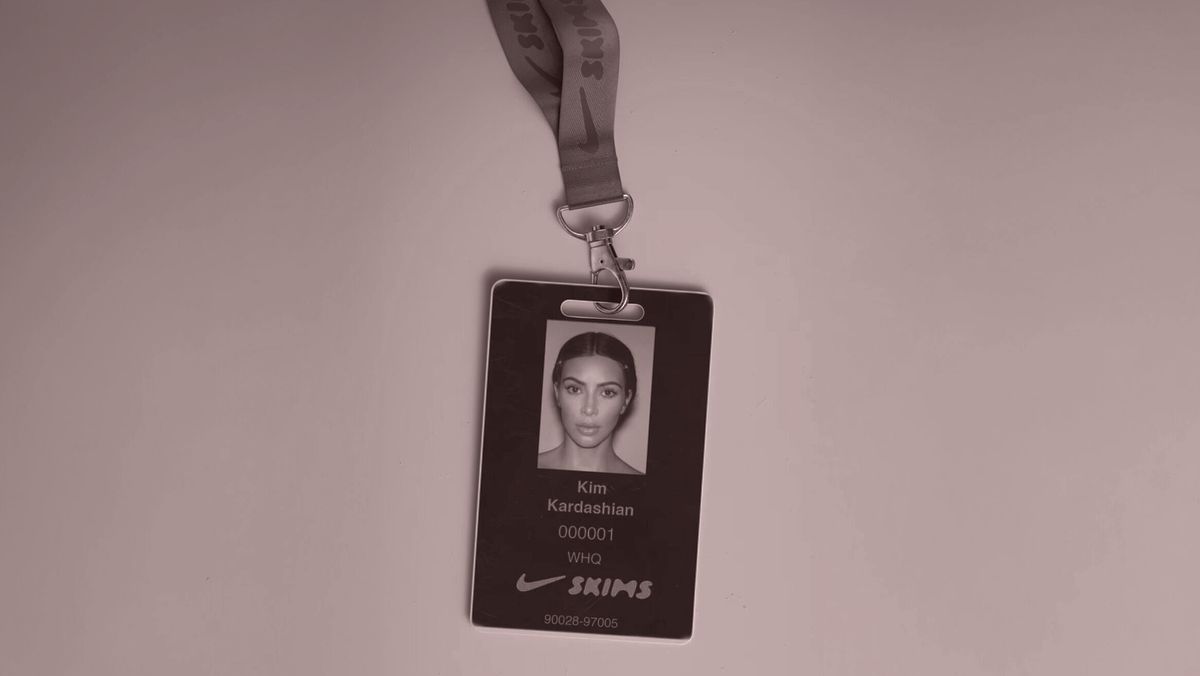
Here’s Matt: “Privately, executives have been pushing the narrative that Disney’s only hope to challenge Netflix is to become Netflix With Sports faster than Netflix can become Netflix With Sports. That means industry-leading family programming, plus the best sports brand in streaming, plus general entertainment. Two differentiators and just enough Shoguns and Kardashians and Only Murderses to make a play for the mass market that Warner Discovery recently conceded with its pullback from Max.”
Matt continued: “To that end, Disney pretty clearly sees its TV future as smaller and focused on Disney+ as the main hub around which to array bundles of lesser, supporting TV brands, like its current offerings of D+ (family) with Hulu (general interest) and ESPN+ (sports)—which will get a boost in the fall from the ESPN stand-alone service—as well as its successful bundle with Max (general interest).”
|
|
And now, some thoughts on the WBD split…
|
|
|
|
Now that WBD’s unwieldy marriage of streaming and cable has dissolved, there will likely be instances—most notably, regarding sports—where Zaz’s interests and those of his trusted financial henchman, Gunnar Wiedenfels, who will run the spun-off Global Networks, diverge.
|
|
|
The Warner Bros. Discovery split became pretty much a foregone conclusion, last December, after C.E.O. David Zaslav announced that he was restructuring his company’s assets into two organizations. One of the new companies will consolidate WBD’s streaming and studios divisions (which represent the path forward), while the other, Global Networks, will bundle the linear channels—which, as you know, are moneymaking but irreversibly decaying assets. Comcast C.E.O. Brian Roberts made a similar move a couple months ago, spinning out Comcast’s own lackluster cable offerings—and handing Zaz a roadmap for his own breakup.
Now, with WBD’s unwieldy marriage of streaming and cable dissolved, optimists might see an opportunity for each entity to succeed on its own terms. But more than likely, there will be instances where Zaz’s interests and the incentives of his trusted financial henchman, Gunnar Wiedenfels—who will be C.E.O. of Global Networks—don’t align, and many of those instances will involve sports. For example, although HBO Max will continue licensing content, Wiedenfels must decide whether to change partnership agreements for programming that airs on TBS or TruTV, and for sports that air on TNT (and yes, Global Networks got custody of WBD’s sports rights in the divorce). Will Gunnar allow his networks’ top assets, like MLB and March Madness, to continue to stream on Max, as Zaz presumably wants? What if Gunnar, the ultimate belt-tightener, wants to renegotiate—or, say, find a more lucrative home for those assets?
Back in February, when Zaz reiterated that Warner Bros. Discovery doesn’t “need any more sports, anywhere in the world, in order to support our business,” he may have just been acknowledging reality. But it’s also likely that he glimpsed a future where ZazCo and GunnarCo would have trouble mutually capitalizing on sports rights. After all, certain leagues that he’d love to partner with on one-off opportunities—like the NFL’s São Paulo game on YouTube—probably aren’t champing at the bit to be in business with WBD. Unlike Peacock, which has NBC, or Paramount+, which has CBS, Max doesn’t have a broadcast partner. Zaz is also keenly aware that Max doesn’t have the bounty of sports rights that makes ESPN a go-to destination—or the young-skewing audience, or the cashflow enjoyed by tech giants like Netflix, Amazon, Apple, and Google.
Indeed, how the new WBD addresses sports and news is one of Zaz’s greatest known unknowns. Just look at CNN and TNT, desiccated husks of their former, cable-heyday selves. Their ratings are down, and the programming that would increase leverage in negotiations, like the NBA, is gone. Will Zaz want to pay up to keep their content on Max?
|
On Monday’s post-announcement call with analysts, Wiedenfels brought up WBD’s international sports rights. Outside the U.S., WBD remains a contender for rights, with more than 130 million people engaging with WBD’s sports channels. WBD-owned Eurosport is one of the largest sports networks in Europe, and the company has also invested in high-profile European sports in local markets, including the U.K.’s Premier League. But, as Zaz noted back in February, sports remain a negligible driver of engagement and subscriptions on Max—although that doesn’t mean he can ignore them entirely.
Part of the strategy for growing the service will be attracting younger viewers, and sports will inevitably play a role. But Zaz will need to find the right mix of big-ticket and niche sports rights. Gen Z, for example, is far more invested in following specific athletes and niche sports than other demographics, per SiriusXM’s annual sports survey report. More than 50 percent of those who consider themselves devoted fans of Big3, Major League Pickleball, and Ice3 (3-on-3 hockey) are between the ages of 25 and 44—and nearly 40 percent of that audience earns more than $100,000 a year, per a 2024 GWI report on niche sports engagement. That’s a not-insignificant demo.
Relying on the niche sports that are popular now won’t be enough for Zaz, though: Roughly 43 percent of niche sports fans are already Max subscribers, according to GWI. But there may be opportunities to get in early on rights for fast-growing youth sports, like flag football, lacrosse, and volleyball. After all, more kids playing a sport now likely translates to more viewers down the road, and the current trends are positive. To wit, last year’s NCAA women’s volleyball tournament was the most-consumed ever, with more than 1.3 billion minutes, per ESPN. And Premier Lacrosse League viewership grew 36 percent year over year across ESPN and ABC in 2023. This is an area where Zaslav could compete, but the opportunity is limited
and many of these leagues will likely turn to YouTube and its premium partner tier for distribution.
But regardless of what Zaz does with Max after the split, he is likely going to want to keep some of TNT’s big-time sports on the platform, which could put Zaz and Gunnar in a strange pickle as they work out their service agreements in preparation for the spin. For instance, consider Turner Sports’ Major League Baseball rights. Zaslav may like having MLB playoff games on Max, but he doesn’t need every MLB game (or even half of them) that airs on TNT. Baseball is a hard sell for streamers—look no further than MLB’s current struggles to find someone to step in and pay the $550 million ESPN was coughing up. But what if Wiedenfels wants to use those exclusive MLB rights to sweeten the pot for a potential merger, perhaps with a company like Comcast’s cable spinoff, Versant? Or he could widen the scope of where the digital rights go by, say, partnering with Netflix—which would be cheaper for Netflix than producing the games on its own, and guarantee it access to the World Series. And even if Gunnar is stuck with Zaz for the duration of the current rights deals, what happens at the next renegotiation?
Much of this is educated speculation based on Zaslav’s post-split needs for HBO Max, and Gunnar’s incentives in his new role. They may very well work together, and there may even be aspects of the spinoff that demand it. For what it’s worth, both Gunnar and Zaz have suggested there won’t be any drastic changes in the near future. But naturally, everyone is curious about what happens when the current contracts and partnerships end—does loyalty have a place in a cutthroat environment where the only thing more scarce than good sports rights is attention?
Gunnar has been Zaz’s loyal soldier to date, but they’ll be at odds in a world where streamers and cable networks have very different objectives and entirely different balance sheets. This may be one one of the most interesting games within the game to observe as the deal closes next year. After all, Gunnar learned it all from watching Zaz—a guy who sued the NBA after losing his bid.
|
|
Thanks, Julia. See you on Thursday,
John
|
|
|
|
Puck sports correspondent John Ourand and a rotating cast of industry insiders take you inside the executive suites and owners boxes where the decisions that shape the entire sports business are made. You’ll hear interviews with players, network execs, and everyone in between. The Varsity is an extension of John’s private email for Puck by the same name. New episodes publish every Wednesday and Sunday.
|
|
|
|
Ace media reporter Dylan Byers brings readers into the C-suite as he chronicles the biggest stories in the industry: the future of cable news in the streaming era, the transformation of legacy publishers, the tech giants remaking the market, and all the egos involved.
|
|
|
Need help? Review our FAQ page or contact us for assistance. For brand partnerships, email ads@puck.news.
You received this email because you signed up to receive emails from Puck, or as part of your Puck account associated with . To stop receiving this newsletter and/or manage all your email preferences, click here.
|
|
Puck is published by Heat Media LLC. 107 Greenwich St, New York, NY 10006
|
|
|
|