{{ 'now' | timezone: 'America/New_York' | date: '%b %d, %Y' }} |
|
|
|
Welcome back to The Varsity. I’m currently en route to New York to attend something
called the Cable Hall of Fame—which, this year, will honor NCTC C.E.O. Lou Borrelli and Cablefax editorial director Amy Maclean, whom I started working with a quarter-century ago, among others. I’m preparing to be lectured on the evils of retrans from cable types at tomorrow night’s dinner.
In today’s issue, an exclusive look at my NAB conversation with NBC Sports’s Jon Miller—a conversion that will appear on
the Varsity podcast tomorrow, but I wanted to make it available to Inner Circle members a day early. It’s a smart, candid tête-à-tête about the network’s battle against sports-hungry trillion-dollar tech giants, NBC’s nine-figure live rights investments, and much, much more. But first, I’ll try to put a bow on Russini-gate for all you sickos out there, check in on World Cup ticket sales, and offer some notes on where Mike Tomlin
landed.
Mentioned in this issue: Mike Vrabel, Jason Garrett, Dianna Russini, Bill Cowher, Pat Sullivan, Maria Taylor, Mark Lazarus, Bryson DeChambeau, Devin McCourty, Mike Tomlin, Brian Rolapp, Marchand, Jay Glazer, and more…
This issue was created with
contributions from Curtis Rowser and Maya Tribbitt. |
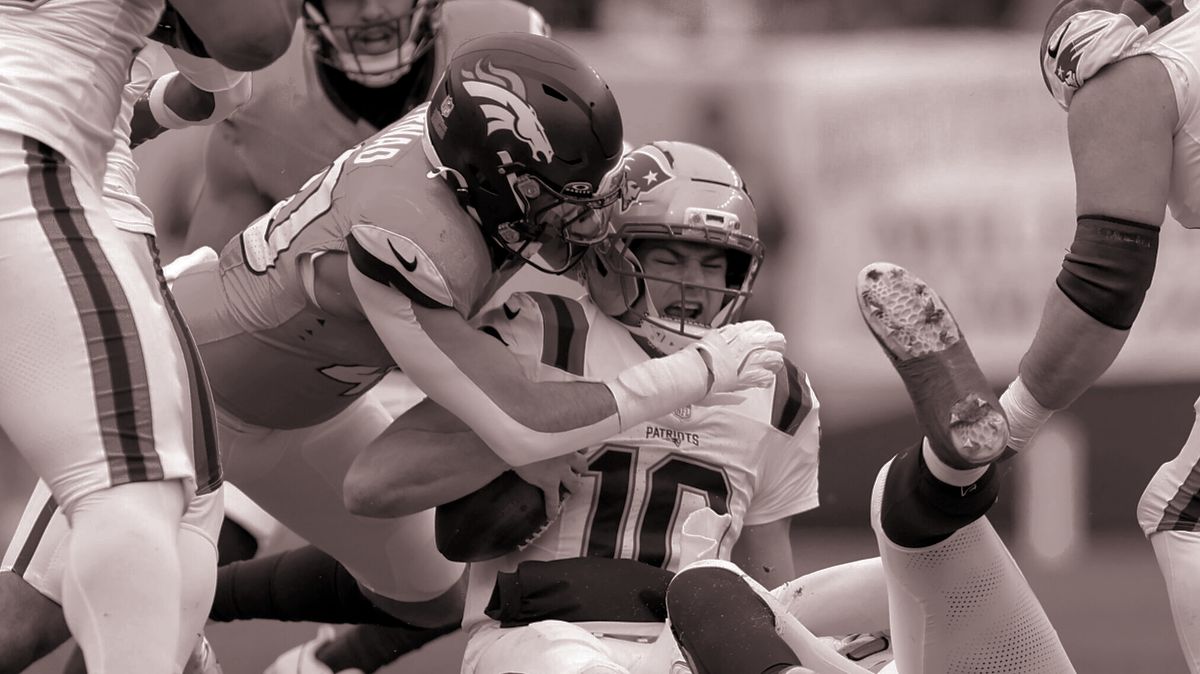
- Vrabel speaks!: It’s been two long, occasionally awkward weeks since the New York Post published what appeared to be compromising photos of Patriots head coach Mike Vrabel and Dianna Russini, The Athletic’s NFL senior reporter, at an adults-only resort in Arizona. My partner Dylan Byers has
covered some of the fallout on the Times side, where Russini resigned last week. (The Athletic’s investigation remains ongoing.)
Earlier today, Vrabel offered his first public comments on the situation—which he described as a “personal and private matter”—just 48 hours before the NFL draft. “I understand I could have addressed
you guys sooner, but it was important to me to have a conversation with the players, which I did yesterday, very candidly as we began our offseason program,” he said.
Then, Vrabel seemed to acknowledge that something had happened—a far cry from his initial denial, when he called the accusations “laughable.” “I’ve had some difficult conversations with people that I care about, my family, the organization, the coaches, the players—those have been positive and productive,” he told
the press. “We believe in order to be successful on and off the field, you have to make good decisions. That includes me. That starts with me. We never want our actions to negatively affect the team.”
My two cents: No matter what happened, Vrabel is getting bad P.R. advice. No, this isn’t Deflate-gate, Spygate, or even Orchids of Asia, but still: By implying there was something to the photos while not presenting anything resembling detail or clarification, he’s just setting up
everyone to keep asking about it. This did nothing to end the story—which I expect to return to soon. - A FIFA ticket mystery: By almost every available indicator, the World Cup is going to be a massive success. And yet, with about two months until the tournament, tickets for USMNT’s first game, against Paraguay at L.A.’s SoFi Stadium, are everywhere on resale sites at major discounts—from $1,215 on FIFA’s own resale portal to $2,100 on
Ticketmaster. By contrast, the cheapest resale tickets for the opening game in Mexico City are going for around $2,700.
Meanwhile, according to a new report in The Athletic, the U.S. game had only sold around 41,000 tickets as of April 10—significantly trailing the Iran vs. New Zealand game, which sold around 51,000, slated for three days later in the same stadium. (Granted, the latter is priced at a fraction of the former.) Anyway, FIFA disputed the report and said that “ticket sales for
the FIFA World Cup remain strong with a high degree of interest for all matches,” but it will be interesting to see whether the organization has to slash prices over the next few weeks. - Tomlin’s new gig: As anticipated, former Pittsburgh Steelers coach Mike Tomlin is moving to TV in the fall. This morning, our boy Marchand broke the news that Tomlin will join NBC’s Football Night in America—the pregame show
for the network’s Sunday night broadcast—alongside Maria Taylor, Jason Garrett, and Devin McCourty on the studio team. Tomlin, who coached the Steelers for an astonishing 19 seasons, was widely believed to be heading for an analyst role after tendering his resignation in January, and subsequently sitting out this offseason’s coaching carousel.
Naturally, Tomlin had several suitors for the gig. But NBC beat out Fox—the
perceived favorite to land Tomlin, given his close relationship with the network’s NFL insider Jay Glazer—and others. The financial terms haven’t been revealed, but the price tag had to be high, and the deal reportedly offers flexibility if he decides to return to coaching. That said, the lighter workload and hefty paychecks tend to keep capable, highly sought-after coaches in the broadcast booth. Look no further than Bill Cowher, Tomlin’s predecessor
in Pittsburgh, as a case study.
|
And now, more on the broadcast boom… |
|
|
|
An exclusive conversation with NBC Sports’s Jon Miller about the
network’s recent multibillion-dollar sports rights investments, the stunning durability of broadcast television, competing with trillion-dollar streaming giants, and plenty more. |
|
|
|
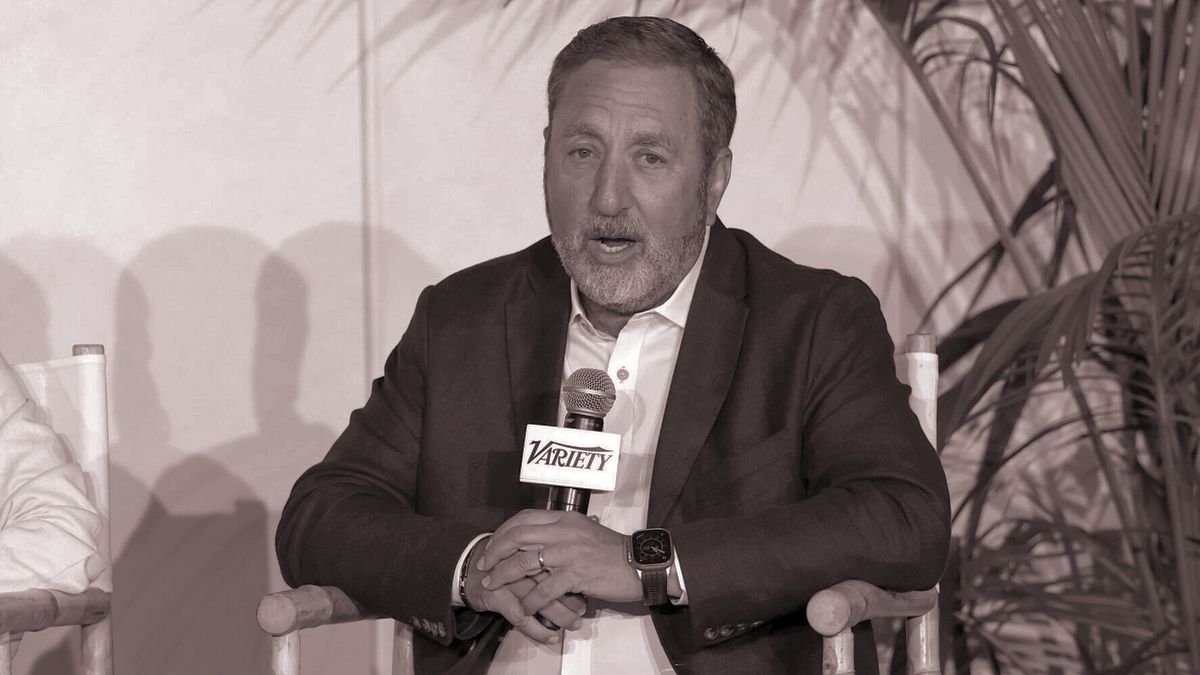
On Sunday, onstage at the National Association of Broadcasters Show in Las Vegas, I had the
pleasure of chatting with NBC Sports’s Jon Miller, who started at the network nearly five decades ago—long enough to have remembered the dark ages before ESPN, witnessed the rise and (ongoing) fall of cable, and endured three or four rounds of inevitably premature obituaries for broadcast television. Indeed, in his current position as president of acquisitions for NBC, he’s been in the room for nearly every major rights deal in the network’s history.
Perhaps
nothing can silence the doomsayers sounding the death knell for broadcast television. But as you know, Miller and NBC recently signed a $200 million, three-year deal with MLB for a package that includes Sunday Night Baseball, about 25 primetime games, and several wild-card games; closed a historic $27 billion, 11-year deal with the NBA last year; and the network is slated to feature live programming on 51 of 52 Sunday nights this year. Obviously, the level of programming investment is
significant—but also, arguably, necessary in a sports media landscape where trillion-dollar tech behemoths have emerged as legitimate contenders for the same rights.
In our candid conversation—which will air in full on tomorrow’s episode of the Varsity podcast, but which I’m previewing here exclusively for Inner Circle
members—Jon revealed the network’s strategy for competing with sports-hungry streamers, why MLB left money on the table to partner with NBC, whether he thinks we’re actually in a sports-rights bubble of sorts, and much, much more. As always, our discussion has been lightly edited for length and clarity. |
John Ourand: You’re going to have sports on broadcast
for 51 Sunday nights this year. It feels like broadcast TV is having a moment right now. Do you think that’s true?
Jon Miller: I don’t think we really went anywhere. A lot of people wrote our obituaries—which happens quite often, and I’m used to it. But I think broadcast is stronger and more important than ever, and I think our partners recognize that.
As you mentioned, we’ll have live sports programming on NBC on 51 of 52 Sunday nights this year. We go from
Sunday Night Football—the number one show on television for the past 15 years—right into the NBA regular season and playoffs. And when the NBA Conference Finals end in mid-May, we pick up with our new Major League Baseball package, which will carry us through September, when we resume with Sunday Night Football. We’re very excited, and we think it’s important that broadcast television be recognized for how it delivers audiences and the quality of production.
How
is the competition with the streamers today different from what you faced with the rise of cable a couple decades ago?
We’ve been here before. The streamers have different priorities and strategic objectives than we do. They have deep pockets, but they can’t offer what broadcast can—the marketing, the promotion, the production expertise that NBC, CBS, Fox, and ABC bring to partners. The investment NBCUniversal has made over decades in production infrastructure, data analytics,
and technical delivery is significant, and it’s the largest reach you can get out there.
There’s an obvious tension between NBC’s commitment to broadcast and the fact that some of your biggest properties have exclusive windows on Peacock. How do you square that?
Peacock is a great complementary service. It’s never meant to displace anything on broadcast. It’s enabled us to make investments in properties that we wouldn’t have been able to make otherwise. We wouldn’t
have been able to acquire the NBA or exclusive rights to the Premier League if we didn’t have Peacock as a platform—but we never put the cart before the horse. Broadcast is always the most important part of the equation.
How has the Versant spinoff changed your job?
A lot of properties that might have lived on Gold Channel or USA Network will now have a home on Peacock and NBCSN, so they’ll have strong distribution. We
still have a very good working relationship with both Golf Channel and USA Network. We share the Premier League, we share the PGA Tour, we share NASCAR. We do the production for them on all of their golf and Premier League products.
Mark Lazarus, who ran NBC for a long time and is now the chairman and C.E.O. of Versant, recognizes the benefits that NBC brings to the table. We work closely with them, but we are two separate companies. So when we go out now and make
acquisitions, we’re thinking about Peacock as being the outlet for a lot of that programming, along with NBCSN, because we can deliver 65-plus million homes. |
MLB,
NFL & The Big Ten Championship
|
How did the deal with baseball come together? And what are you looking for in that
deal?
We first met with baseball a couple of years ago when it became clear their relationship with ESPN was likely to change. We made the case that while a streamer would offer more money—and they were clearly offered significantly more than we offered—if they could sacrifice revenue in exchange for reach, we could do a lot to really showcase their brand and property.
I felt that we could deliver a lot of the same elements that we do for Sunday Night Football.
We’ve put the same stellar production team at the head of it, we’ve acquired terrific talent, and I think that we’re showing baseball just how much we care about the sport and how much we can do for the sport. We’ll have the regular season and the wild-card package for three years, and then we’ll see what the future holds.
Where does NBC stand with the NFL right now?
The NFL is obviously a hugely important part of our ecosystem. We’ve been very proud of our
relationship with them, and obviously the success speaks for itself. At the right time, when the NFL decides they want to have a conversation with us, our leadership will sit down with them. We put a very strong product out there that they recognize. It’s not a coincidence that Sunday Night Football has been the number one show on television. But I don’t have a crystal ball. I don’t know when the NFL is going to come to us.
You sold the Big Ten Football Championship Game
back to Fox. Why?
We had it as part of our Big Ten Championship deal, but we only had one Big Ten Championship over the seven years. We had some interest from streamers as well, but we obviously had a real interest in trying to keep it on broadcast television. We were able to make a deal with Fox, and we also got some additional Big Ten regular-season football, which to us, in the grand scheme of things, is very important. One Big Ten Championship over seven years wasn’t going to
drive an enormous amount of distribution value or retransmission value as much as just having a regular pattern of good Big Ten products.
People have been telling me to write the “sports rights bubble is about to pop” story for 30 years. At what point is it no longer a bubble? What’s your view of the sports rights marketplace?
I think the sports rights marketplace is quite dynamic. I think the big event properties that deliver big audiences will
continue to thrive—the NFL, the NBA, baseball, one-off events like the Ryder Cup or the Kentucky Derby. But I do think you’re starting to see some pullback from smaller properties and fringe properties, and what I’d call midweek properties. We’ve seen what’s happened with R.S.N.s, and I think those properties are going to be challenged. |
On Game Creek Video owning the Amazon blip: “Pat
Sullivan is a stand-up guy. His mea culpa is no surprise to those who know him.” —A cable guy
[Ed. note: I received a bunch of emails this morning expressing this exact sentiment about Sullivan.]
On LIV’s downfall: “The way I read your story, LIV’s demise won’t influence the PGA Tour media negotiations. But I want to twist that a little bit. I’m pretty sure the networks put pressure on the Tour about losing
significant players, and they also questioned who else would jump. I can see it turning around now. If Bryson and others come back to the Tour, I expect Brian Rolapp to be pretty bullish when he gets to the negotiating table for the next deal.” —A league executive
More on LIV’s demise: “You blamed tourism? Really? You really think that what the Saudis are trying to accomplish with all that money is to bring in more tourists? All of
Puck’s newsletters should have a boilerplate, disclosure-style notice that M.B.S. murders journalists that piss him off.” —A digital executive
|
|
|
|
Puck sports correspondent John Ourand and a rotating cast of industry insiders take you inside the executive suites
and owners boxes where the decisions that shape the entire sports business are made. You’ll hear interviews with players, network execs, and everyone in between. The Varsity is an extension of John’s private email for Puck by the same name. New episodes publish every Wednesday and Sunday. |
|
|
|
Ace media reporter Dylan Byers brings readers into the C-suite as he chronicles the biggest stories in the industry:
the future of cable news in the streaming era, the transformation of legacy publishers, the tech giants remaking the market, and all the egos involved. |
|
|
|
Need help? Review our
FAQ page or contact us for assistance. For brand partnerships, email ads@puck.news.
You received this email because you signed up to receive emails from Puck, or as part of your Puck account associated with {{customer.email}}. To stop receiving this newsletter and/or manage all your email preferences, click here. |
Puck is published by Heat Media LLC. 107 Greenwich St., New York, NY 10006 |
|
|
|
|