 |
|
Happy Sunday, and welcome back to Dry Powder.
|
|
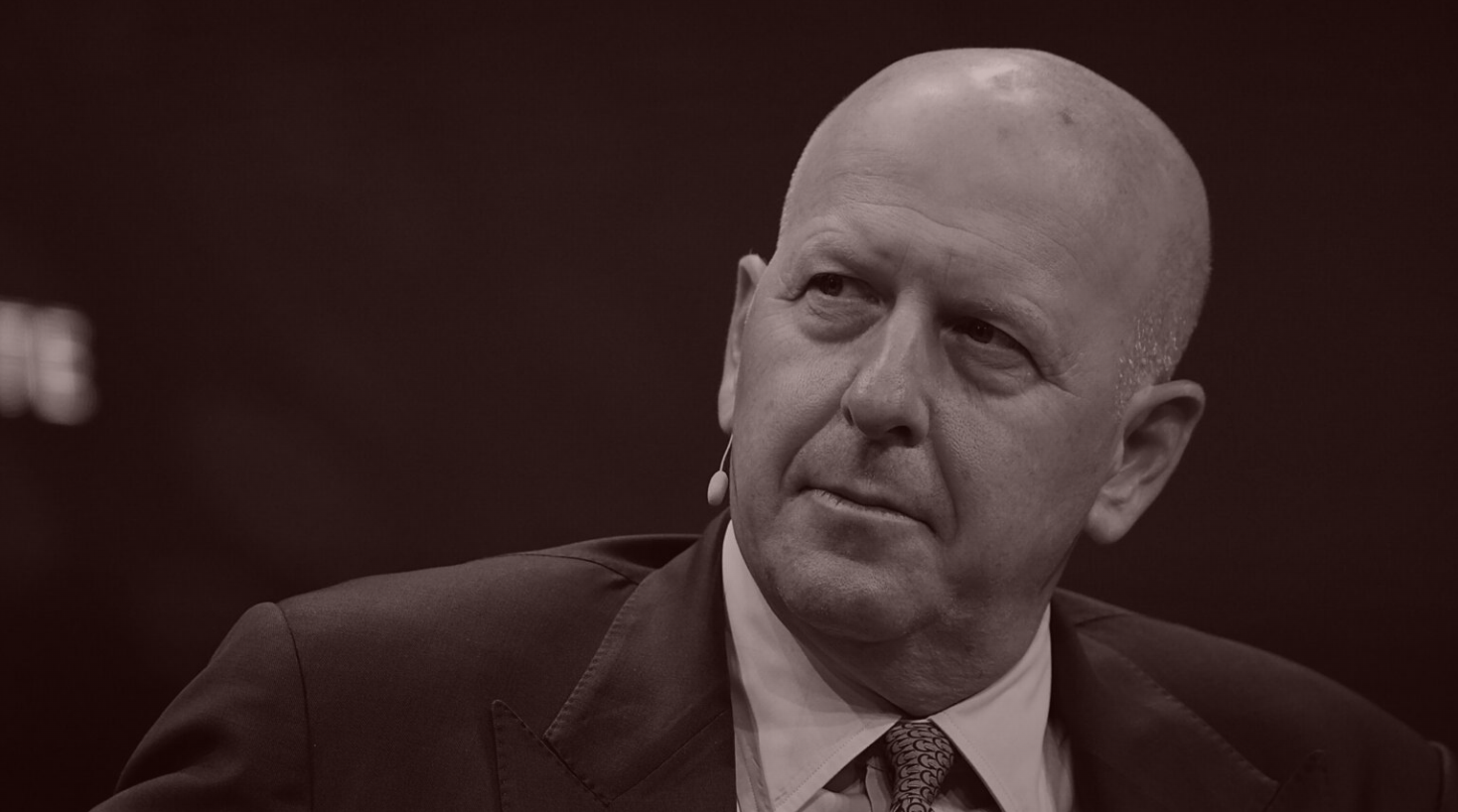
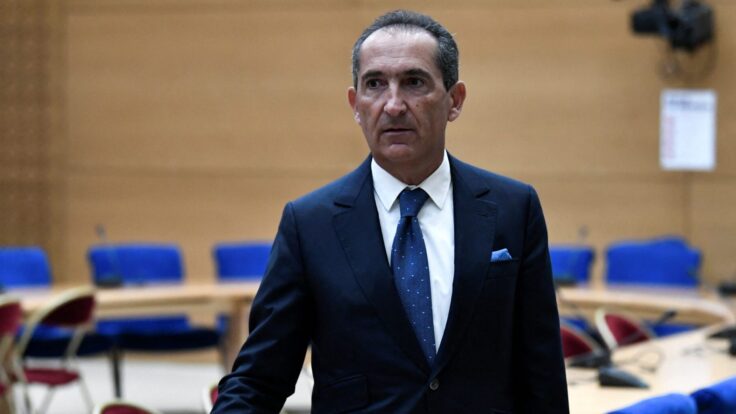
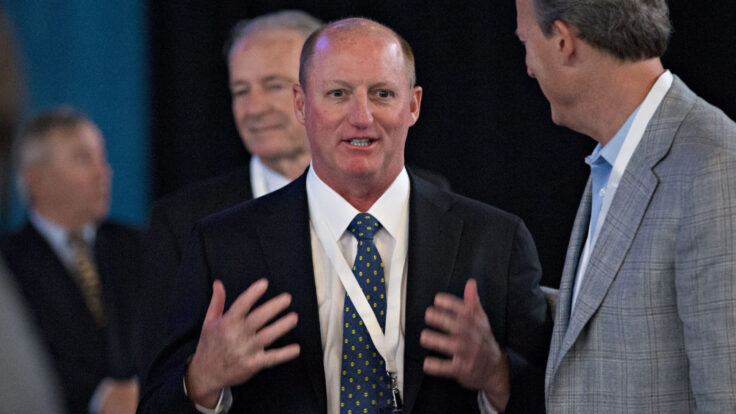
David Solomon’s continued tenure at Goldman was already the subject of rabid media speculation when the bank posted a 58 percent drop in second-quarter profit. Will his continued survival come down to the third quarter income statement? Today, a look at how things might shake out for David, plus thoughts on Netflix’s remarkable moat and Elon’s new far-flung A.I. endeavor.
|
|
|
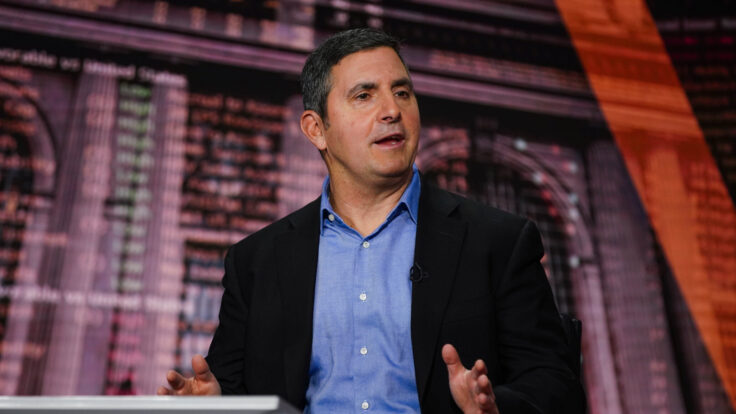
| Goldman, of course, is used to being Goldman—shorthand for the fact that its interminable hold on an exalted status on Wall Street has long made it a fitting topic for endless palace intrigue. And, indeed, the media hype machine has been in overdrive in recent months with ruminations on the precarious standing of C.E.O. David Solomon. I recently tried my best to deflate the speculative bubble about David, but on Wednesday Goldman Sachs posted a 58 percent drop in second-quarter profit, largely due to the institution’s misbegotten foray into consumer banking. Was David Solomon, some of my loyal readers wondered in their notes to me, back in the C.E.O. sauna?
Once again, I think it’s far more complicated. Goldman, after all, is still Goldman: it’s not a place prone to sudden moves. Furthermore, this was a decidedly so-called “kitchen sink” earnings report—one where every write-off in the book, within reason, was taken. And investors reacted positively to the poor earnings news, pushing the stock up about eight percent in the last five trading sessions. I suspect that alone will probably give David a quarter or two more of breathing room before a fresh round of unpleasant FT, WSJ, or Times stories starts bubbling up again.
Don’t get me wrong, Goldman has problems, mostly brought on by its particular business model, which is highly geared toward deals, investment banking and trading. Goldman is still a world leader in those endeavors; but, alas, there just aren’t a lot of deals happening now. (Though I am hearing that the pipeline, particularly for I.P.O.s, seems to be filling up, largely thanks to the market’s unexpected rise in the last few months.)
Investment bankers know how to get companies hyped about going public when they sense that market sentiment has turned from anxious to accommodating. If it keeps up, then I would expect many parts of the overall investment banking business to start turning up, too, from equity financings to M&A deals. Goldman should benefit from that, just as it has suffered disproportionately to the other remaining Wall Street banks from a dearth of deals.
But I did notice some disturbing aspects of the second-quarter report, leaving aside the billion or so in write-offs. Goldman’s return on equity was 4 percent. That is a very un-Goldman-like number. (During the pre-I.P.O. Goldman days, when Goldman had much less equity capital, returns-on-equity in excess of 70 percent were not unheard of. Those days are long gone now that Goldman is a public entity, and a bank holding company, requiring much more equity capital to please the Federal Reserve, but still…) The other disturbing data point was the fact that Goldman’s net revenues were down 7 percent for the first six months of the year but its compensation expense was only down 1 percent.
I suspect that’s a reaction to the fact that many people around the top echelons of Goldman were pissed off last year by their bonuses and this is an attempt to appease that concern about 2023 bonuses, or at least to do so through an accounting accrual, which of course is not the same as what will actually be paid out in bonuses six or seven or eight months from now. All of which is to say, that in addition to the hits that Goldman took on its commercial real estate portfolio and on GreenSky, it seems like it also took a hit on its compensation expense line: part of the overall Kitchen Sink strategy. “It’s better to think of our compensation and headcount decisions as forward-looking, not backward-looking,” explained Tony Fratto, Goldman’s head of communications. “We’re investing in our people and our franchises for the opportunities we see ahead of us. We feel confident about the strategy and the outlook.”
At the end of the day, this has not been a market environment that favors Goldman Sachs’s business plan. Interest rates are high; deal volume is low. Back in 2021, when Goldman made record earnings and few Goldmanites were complaining about their bonuses, the macroeconomic environment was exactly reversed—low interest rates and high deal volume. Goldman minted coin. Today’s macroeconomic environment is one that benefits big banks, especially big depository institutions like JPMorgan Chase and Bank of America. (JPM is also well positioned for years like 2021 too, of course, when it made $48 billion in net income.)
JPMorgan Chase pays pretty much zero for its raw material—all those trillions of deposits—which it can then lend out for wider and wider spreads. That’s pure profit that gushes to the bottom line. Throw in some investment banking, trading, and credit-card fees and, voila, you have $14.5 billion in second-quarter net income. Will Jamie Dimon’s bank make more than $50 billion in profit this year, after making $27 billion in profit in the first half? At this rate, probably. But Goldman just doesn’t have that kind of financial leverage. Its raw material is not free: It has to pay up for deposits and for its borrowings and so its spreads are much less. Goldman needs deals and a favorable trading environment to make lots of money.
In my mind, David’s near-term focus at Goldman should be on turning around the income statement in the third quarter. He has to prove to investors (and to his board, I would think) that Goldman took its pain in the second quarter and things are brightening in the third and fourth quarters of the year. He does that, he’s fine. If that doesn’t happen, for a variety of reasons, I think the Goldman board—as complacent as it appears to be at the moment—may feel pressure to make a change.
But David Solomon is very smart. He knows he needs to turn things around in the second half of the year—and that, of course, is why Goldman took the big write-offs in the second quarter. He also knows that the Old Guard at Goldman is less than thrilled with his leadership style—which, I presume, is why he took the comp expense hit in the second quarter, too. If he were as smart as I know he is, too, he’d continue to service the O.G. Goldman crowd so that they will consider dropping the drumbeat that undermines his leadership, and then he can return Goldman to being Goldman sometime in 2H23. (Word is around 200 West Street that Solomon has started spending more time with—and listening more closely to—the Goldman O.G.)
My bet is that David Solomon will figure it out, and soon. Because if I’ve learned anything about Goldman Sachs over the years, it’s that it usually finds a way of having just the leader it needs at the time it needs him (yes, alas, it’s always been a him). And if it doesn’t have that right person already, it figures that out, too, and fast. |
|
|
| A year and change after Wall Street analysts kneecapped Netflix for its slowing U.S. growth and relatively low A.R.P.U., the company now appears to have righted itself and stands head and shoulders above its peer group. As some of the titans of the industry struggle to service debt, operate profitable streamers and contend with a two-fronted nightmarish labor war, Netflix just announced that it added 6 million subscribers and predicts free cash flow will rise to $5 billion this year. Has Netflix built a veritable moat?
Well, it certainly has a formidable business model that is the envy of its entertainment competitors. Netflix seems to be the only company that has figured out how to make streaming profitable, probably because it is not burdened with all those legacy Hollywood assets. Its studio operations are tiny, relatively speaking, especially when compared to its older peers, and it seems relatively less affected by the Hollywood writers’ and actors’ strike than do its competitors. It has also been able to add an advertising tier and it has begun implementing its plan to curb the use of password sharing, much to many people’s dismay. The company’s market valuation is nearly back to $200 billion.
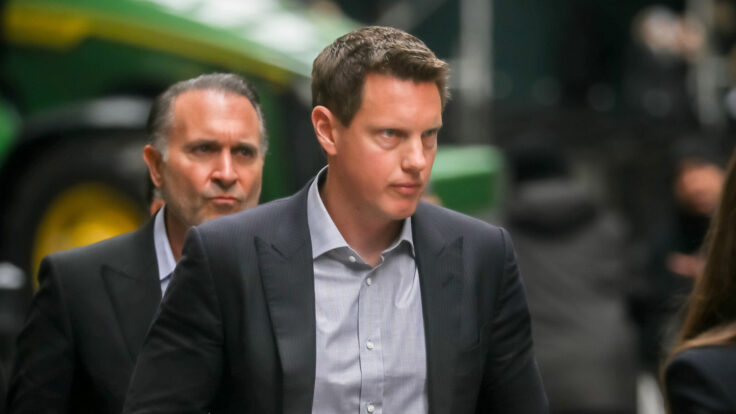
There’s not much to worry about at Netflix these days to be honest, or there doesn’t appear to be. Indeed since hedge fund manager Bill Ackman bailed on the company in April 2022, perfecting a loss of $400 million, the Neftlix stock has more than doubled, proving that even smart investors who do a lot of research and think they know what they are doing—they have conviction! —can sometimes get it wrong. The bigger question remains whether any of the other streamers can turn around their businesses and bring them to profitability.
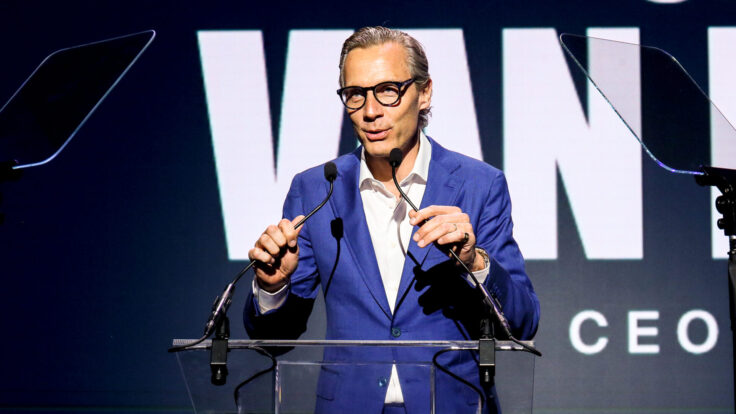
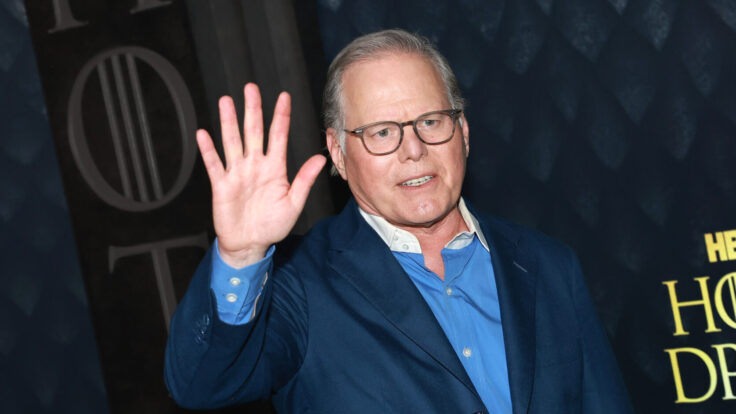
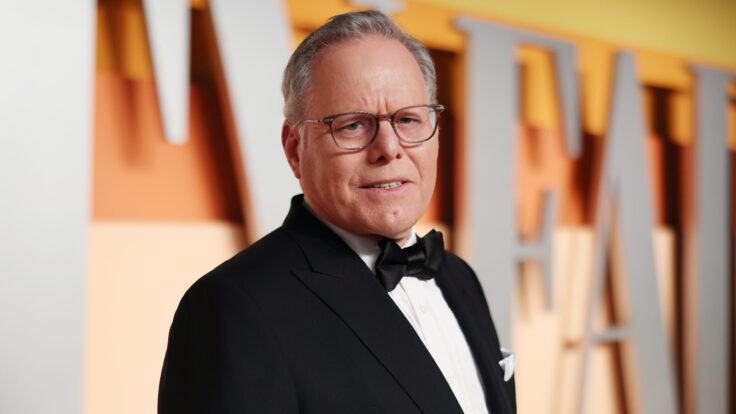
Zaz, at WBD, claims to be close. We’ll see. The others, among them, Disney+, Peacock, and Paramount+ seem like they have a long way to go before they become profitable. That’s going to mean either a whole lot of cost cutting or price increases, or asset sales, or some combination of all three. Investors are clearly getting restless with the idea of the seemingly endless streaming losses.
Where once upon a time they rewarded C.E.O.s for investments in streaming, despite the losses, now they penalize them for not getting the streaming losses under control. WBD’s stock is down 47 percent since April 2022, when it went public after completing the combination between Discovery and Warner Media. Since that date—from which Netflix’s value more than doubled— Disney’s stock is down 27 percent; Paramount Global’s stock is down 52 percent, while Comcast’s stock is about flat. I’d say the market is rendering a verdict. Whether it’s too late for that verdict to change is hard to know. (This is not investment advice.) |
|
|
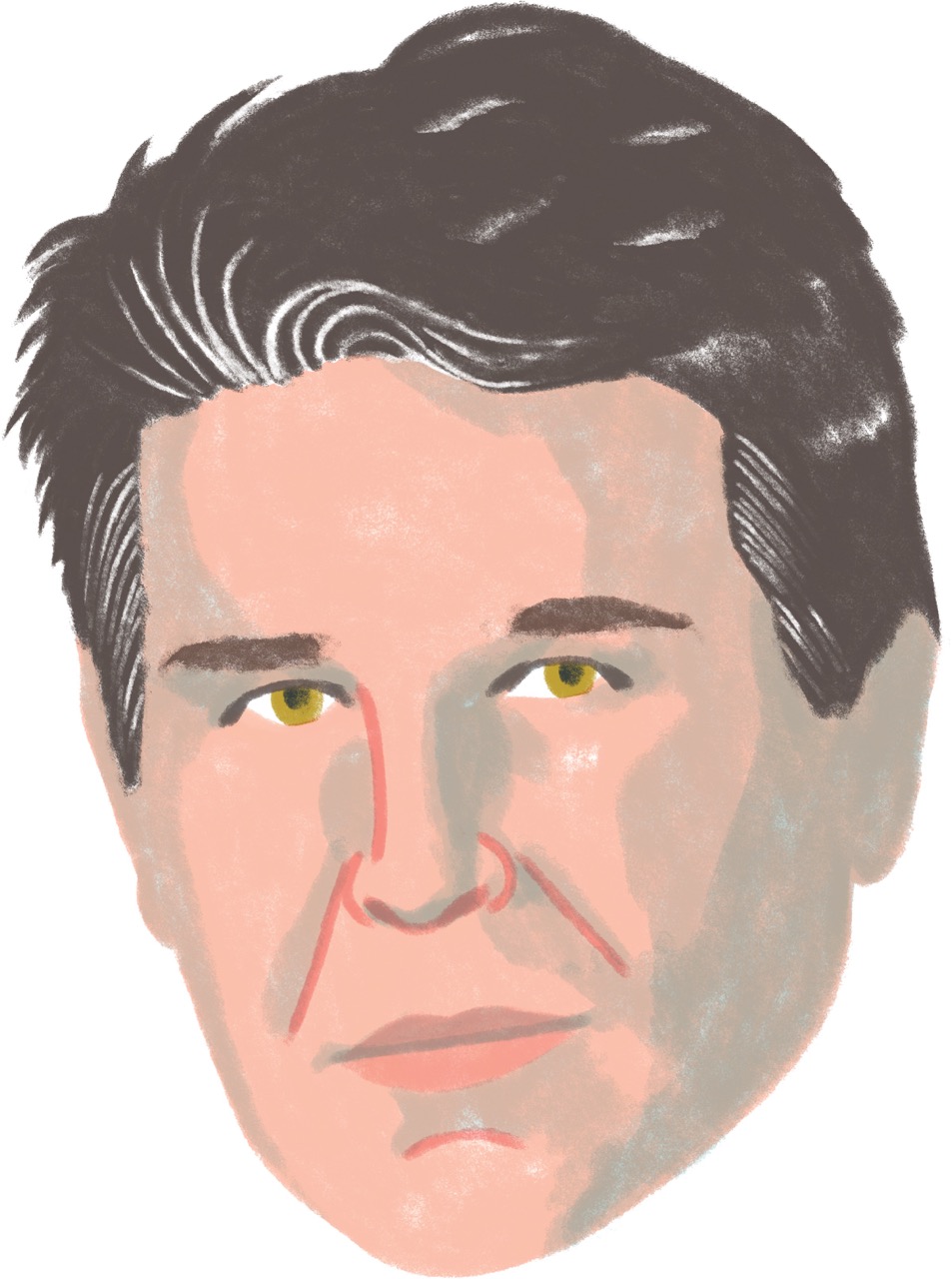
| On Wednesday, Elon Musk announced that he is preparing to launch an A.I. company called xAI with the humble goal to “understand the true nature of the universe,” whatever that means. Meanwhile, Tesla shares took a 10 percent post-earnings tumble. And Twitter may soon have a new name, a new logo and a new color scheme. One could reasonably wonder: Is Musk overextending himself?
Can you imagine how much Elon would be revered if he hadn’t bought Twitter, and made such a fool of himself, and just stuck to Tesla, SpaceX, Starlink, NeuraLink and the Boring Company? But it never seems to be enough for this guy. I just don’t get it. Nor do I understand why shareholders at Tesla and his other companies allow him to dilute his attention so profoundly.
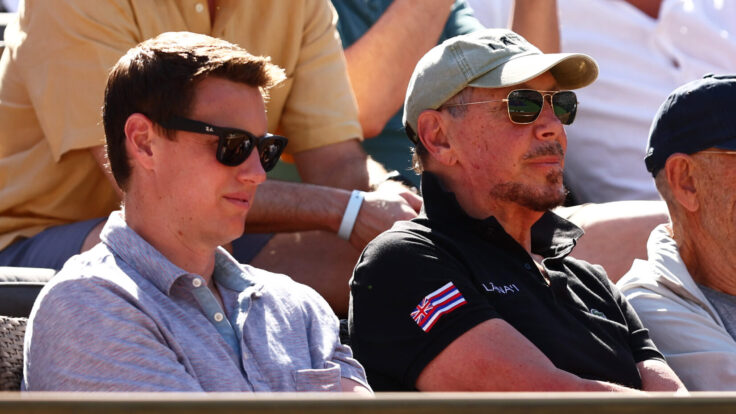
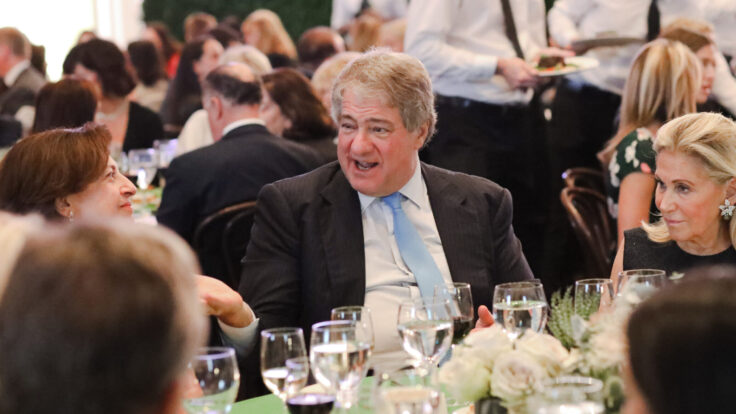
For instance, I’ve not heard a peep from the investors in Twitter who put up $7 billion in equity to support the $44 billion buyout—Elon put up $24 billion of his own cash—even though that money has all but been lost. What does it say about a country where $31 billion of equity can be lost in six months and no one says a peep about it, or questions the man who is responsible for making that happen? Are all these guys just so bloody rich that they don’t notice a loss of $31 billion in equity? Is Larry Ellison okay with losing the $1 billion he invested in Elon’s Twitter just eight months ago? Apparently.
But the market hasn’t yet penalized Musk for his lack of focus. In the last year alone, since Elon embarked on the lunacy of wanting to own Twitter and agreeing to overpay for it to the tune of tens of billions of dollars—and dragging along a group of Wall Street banks (to the tune of $13 billion) and his friends (that $7 billion)—his net worth has somehow increased by about $100 billion, thanks in large part to the irrational increase in Tesla’s stock, which is up 146 percent so far in 2023. (Again, not investment advice…) So, yes, he’s overextending himself but, no, it doesn’t seem to matter, if increasing net worth is the key measure of success.
One thing worth paying attention to, however: Elon’s investors might be privately pissed at him, but the Wall Street banks that are holding the $13 billion in Twitter debt, now probably valued at around $6 billion these days, at best, may have some long-term recourse. Sure, I suppose those losses spread over a bunch of banks (such as Morgan Stanley, Bank of America and Barclays) probably won’t amount to a hill of beans. But given their experience with Twitter, how will Wall Street feel about lending more money to Elon for something else down the road?
I suspect that might be where his nonchalance about Twitter might come back to bite him, just as Donald Trump’s ongoing decision to stiff his creditors and vendors made it very difficult for him to get financing from Wall Street when he wanted it. Wall Street may be short-term greedy, but it has a long memory when it comes to remembering who caused it to suffer material losses. |
|
|
|
| FOUR STORIES WE’RE TALKING ABOUT |
|
|
|
|
|
 |
|
|
|
Need help? Review our FAQs
page or contact
us for assistance. For brand partnerships, email ads@puck.news.
|
|
You received this email because you signed up to receive emails from Puck, or as part of your Puck account associated with . To stop receiving this newsletter and/or manage all your email preferences, click here.
|
|
Puck is published by Heat Media LLC. 227 W 17th St New York, NY 10011.
|
|
|
|