{{ 'now' | timezone: 'America/New_York' | date: '%b %d, %Y' }} |
|
|
|
Hello and welcome back to The Best & The Brightest. I’m Leigh Ann Caldwell. By
the time you read this, I’ll be at the annual black-tie Améthyste party at the French Ambassador’s residence here in D.C., kicking off White House Correspondents’ Dinner week. Hosted by French Ambassador Laurent Bili, along with Steve Clemons, Kellyanne Conway, and Heather Podesta, the insistently bipartisan gathering is always one of Washington’s better nights out. I expect tonight will be the same.
Below
the fold, I unpack my newsy, and surprising, interview with Indiana Republican Senator Jim Banks as part of my Puck Power Breakfast series, sponsored by the Pharmaceutical Reform Alliance. Banks struck a remarkably optimistic tone about the prospects for an acceptable outcome in the Iran war, though he acknowledged, with some relief, that he isn’t on the ballot this cycle. I get into all of that, and more, below.
I’ve also got some fresh reporting on the fallout from last
night’s Democratic victory in Virginia’s redistricting vote—a significant win for House Democratic Leader Hakeem Jeffries, who, in a radical departure from his usual approach, moved decisively and aggressively to counter Trump’s multistate gerrymandering effort.
Also mentioned in this issue: Barack Obama, Jackie Payne, James Blair, Chris Wright, Joe Biden,
J.D. Vance, and more… |
- G.O.P.
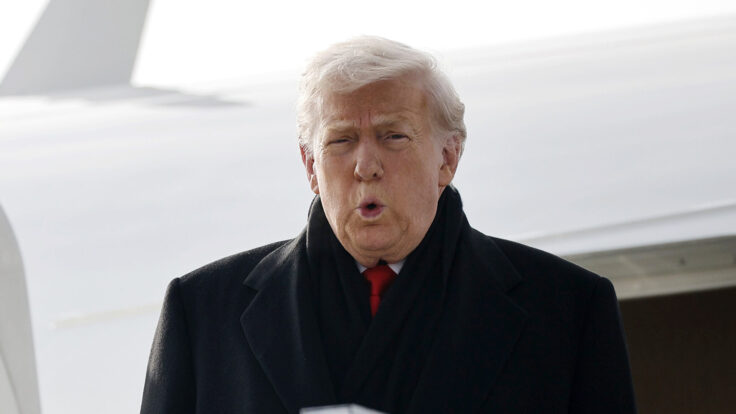
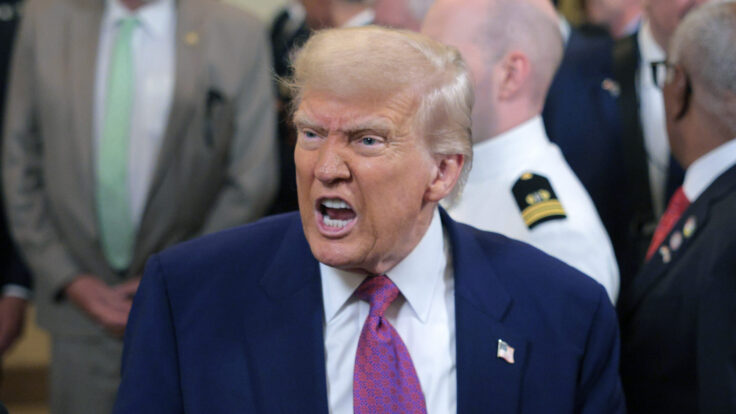
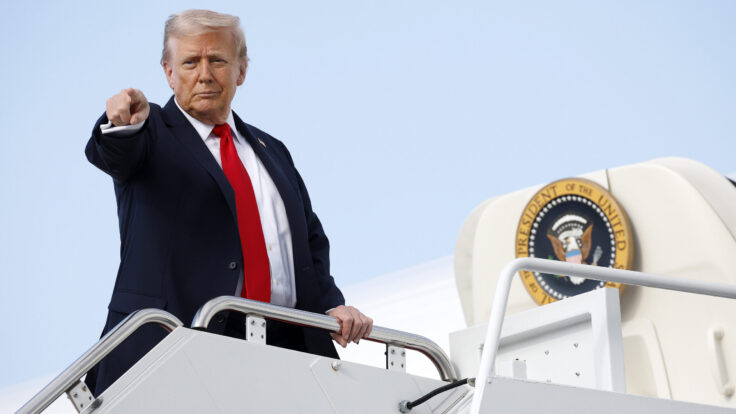
gobsmacked in Virginia: Republicans are furious. They were outmaneuvered, outspent, and outgunned in the redistricting wars, even after lobbing the first grenade in Texas, which now looks like a costly strategic blunder. The Republican defeat in Virginia last night—assuming it survives a court challenge—will lose them four seats, leaving Democrats three seats ahead in the nationwide gerrymandering frenzy. In Washington this morning, the finger-pointing was already underway, though not
necessarily at the real culprit: President Donald Trump.
Republicans tied to MAGA Inc., Trump’s super PAC, along with others in his orbit, are refusing to say if he deployed any of his $300 million-plus war chest on Virginia’s ballot initiative, despite Democrats’ overwhelming spending advantage. One House Republican member told me that the president did spend some cash, but his team didn’t want to advertise it, presumably because of his unpopularity and a desire to keep
the issue local. (Ask yourself, dear reader, when was the last time our president didn’t want to make an issue about him?)
James Blair, Trump’s political advisor who took a leave from the White House to focus on the midterms, was notably evasive on CNN when pressed about it. “What I can see on the public reports is that the aligned ‘no’ group spent about $40 million,” Blair said. “I don’t think that the numbers have really been accurately reported, but that’s
what I can see through the public reporting.” The most recent F.E.C. filing period, which ended March 31, shows that MAGA Inc. has spent just $8.9 million this cycle. (Blair did not respond to repeated requests for comment.)
Republicans continue to worry that Trump, despite mounting fears about losing both chambers and the impeachment consequences that follow, might not spend enough to win in the midterms. “Being outspent like that is borderline malpractice,” one Republican told me. And
yet this kind of concern has been building for months. The president has a history of doing little for other candidates.
In Indiana, for instance, Trump vowed to unseat state legislators who blocked his redistricting plan. Millions of Republican dollars are now being spent on that intraparty feud, but a lot of it is coming from the Club for Growth and Senator Jim Banks’s super PACs. There is, so far, no clear sign that MAGA Inc. has stepped in. It’s a familiar pattern:
Trump sets the agenda, others pick up the tab. And if he continues to sit on the sidelines, Republicans’ cash advantage could shrink quickly.
|
|
|
|
A MESSAGE FROM OUR SPONSOR |
When insurers delay approvals or require endless paperwork, patients are left waiting for care they need now. Addressing harmful corporate insurer practices can help ensure timely access to treatment and protect 24/7 care. See how. |
|
|
|
- Jeffries
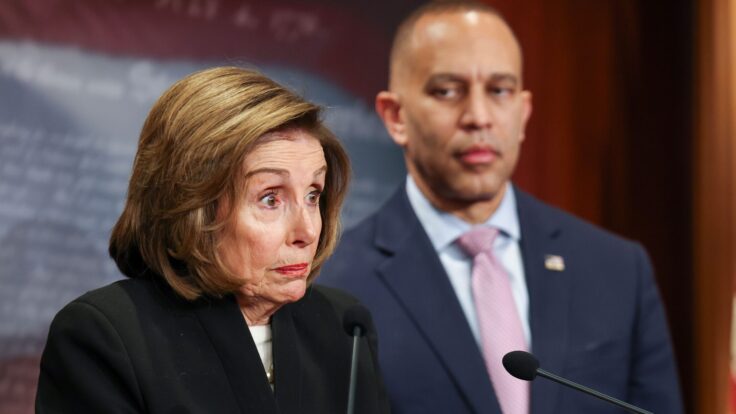
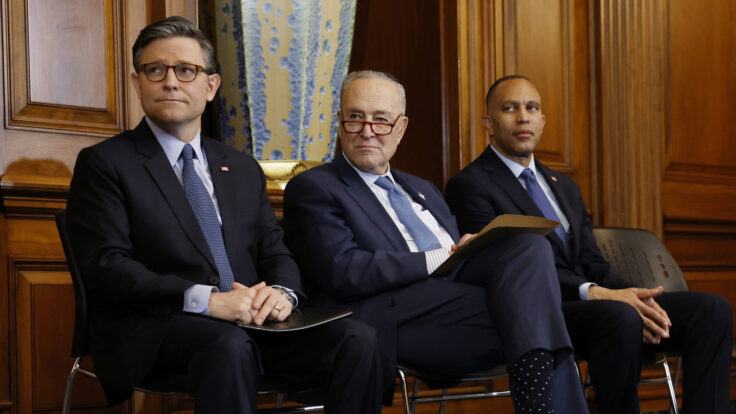
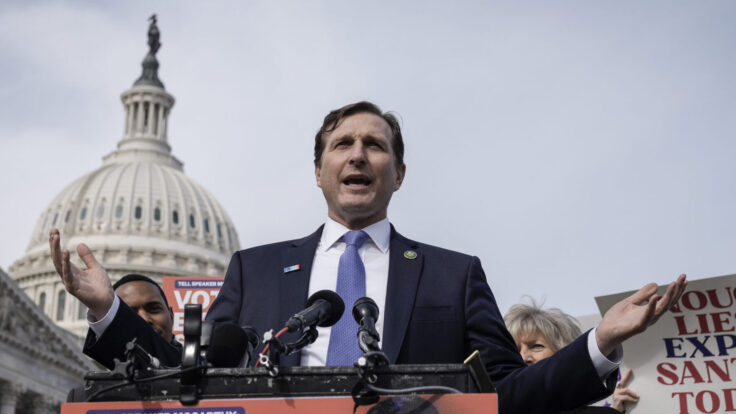
finds his fire: The Virginia referendum was a major victory for House Minority Leader Hakeem Jeffries, potentially putting Democrats on a glide path to reclaim the majority in November, with himself as speaker. His decision to move quickly and aggressively in response to Trump’s redistricting push marked a rare moment of clarity and force for a leader not known for his assertiveness.
In fact, Jeffries’ hesitation and reluctance to make difficult decisions has become
the chief complaint among members of his own caucus, leaving them divided and lacking direction. House Democrats, especially inside the Congressional Black Caucus, still harbor hard feelings about his failure to steer his members’ votes on a Republican resolution honoring the late Charlie Kirk.
Yet Jeffries’ disposition has also kept him from making major blunders, and mostly worked in his favor despite the grumbling in his caucus. When he withheld judgment on a potential
expulsion vote for Rep. Sheila Cherfilus-McCormick this week, she ended up resigning. When he declined to make a decision back in December about which Obamacare discharge petition to back, a group of Republicans came on board the Democratic one.
Why was redistricting different? When I asked him this today, he told me that the “stakes are incredibly high.” Multiple House Democrats also told me that winning the majority and becoming speaker matters above all else. Another
Democrat who was aware of the internal conversations told me that Jeffries felt he had to show voters that his party was willing to fight Trump, and it would have been unacceptable for the president to win the majority because of gerrymanders.
|
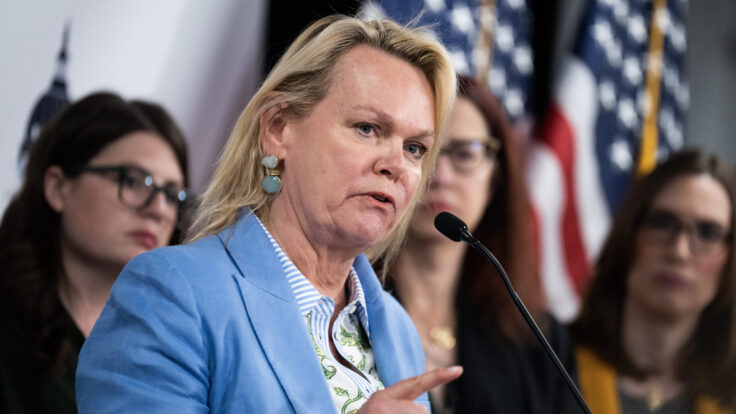
Moderate white women—a crucial, and often decisive, voting bloc—are breaking sharply against Donald
Trump. According to a new Galvanize survey that’s set for release tomorrow, 66 percent disapproved of the president, and opposition to the war in Iran ran even deeper. In April polling, fully 82 percent of these voters said the conflict is hurting them economically, and forcing them to adjust their spending. Nearly 80 percent of those women, who mostly live in rural, exurban and suburban areas, believe public officials are using their positions to enrich themselves. “What our data shows
is a sense that the game is rigged—that the people in charge are not just failing to make their lives better, but may actually be profiting while they struggle,” Jackie Payne, the founder and executive director of Galvanize Action told me. “That’s a trust problem, and one that any candidate or elected official would be smart to address.”
And now, breakfast with Banks… |
|
|
|
Backing Trump’s brinkmanship with Iran while helping the president settle intraparty scores
at home, Senator Jim Banks is betting that the Republican base turnout in November will defy the party’s brutal midterm headwinds. |
|
|
|
Indiana Republican Sen. Jim Banks is one of the Trumpier members of the Senate. He was on
the ballot with Trump in 2016, when he won his initial House race, and has rarely strayed from the president’s orbit, or talking points, since. In my conversation with him this week at the Puck Power Breakfast in Washington, for instance, Banks defended the president’s war in Iran and criticized Democratic redistricting efforts in Virginia—even though Banks has also actively assisted Trump in targeting Republican state senators who opposed mid-decade redistricting back in
Indiana.
Still, Banks showed flashes of unease. He conceded that mid-cycle gerrymandering is bad for democracy, adding he would support either a constitutional amendment or federal legislation to ban the practice. He also acknowledged the political headwinds facing his party, noting that gas prices “are too damn high” and volunteering that he’s “glad” not to be on the ballot this year, given that Trump’s approval is underwater on nearly every significant issue and hovers in the low 30s
in general. But ever the optimist—or skillful spin doctor—Banks insisted Republicans could outperform expectations on Election Day. “President Trump is the best campaigner we’ve ever had to fire up our base,” he said. This conversation has been edited for length and clarity. |
“The
Blockade Has Been Very Effective”
|
Leigh Ann Caldwell: Negotiations with Iran are potentially moving to
Islamabad. What are your red lines for what the administration should agree to before a true, long-lasting ceasefire?
Sen. Jim Banks: My red line is President Trump’s red line. He doubled down on Truth Social and made it unequivocally clear that no deal will be made without a total surrender of Iran’s nuclear program. That’s what the American people want, and that’s what Trump wants, and what he’s fighting for. We expect
the vice president to fly to Islamabad today for further negotiations, and I give him a lot of credit for walking away from the talks a couple of weeks ago. [Ed. note: Vance’s Islamabad trip was canceled later in the day.] |
|
|
|
A MESSAGE FROM OUR SPONSOR |
Prior authorizations and administrative hurdles can slow down critical care, forcing patients to wait while their health
hangs in the balance. Reforming insurer practices can help reduce delays and keep care moving when it matters most. Learn more. |
|
|
|
This is the difference between Obama and Biden, and President Trump and
Vice President Vance: Obama and Biden would have taken any deal just to get it over with, even a bad deal that surrenders the right to Iran to continue building its nuclear program. Trump and Vance have made clear they will walk away from any deal that surrenders the right to Iran to continue to build that program.
The blockade has been very effective. Right now, you have a dynamic in these negotiations where the Iranians are fighting more among themselves than they are with us. The
political leadership and the military leadership inside Iran are not on the same page—which makes it harder to negotiate with them, but also shows that the turmoil is a direct result of the blockade and the maximum pressure campaign, the strikes, and a very tough President Trump, who’s forcing them to recognize that they have to give up their nuclear program. I’m optimistic we’re close to the finish line, close to striking a deal that ends their nuclear ambition.
Should fighting
resume, and the end of Iran’s nuclear program not be the result, what happens?
I think there’s a good chance that the talks will be productive. Hypothetically, if they don’t go anywhere, then the president will ratchet up the blockade, because it’s proven to be very effective. One thing the president could do that we haven’t done yet is seize Iranian oil tankers—not just around the strait, but around the world—and choke off the oil revenues going
to Iran. That would starve them to a point that will force them to come to our terms. |
“Hoosiers
Don’t Like High Gas Prices”
|
Is this war problematic for Republicans in the midterms? It’s very much underwater with voters and
losing support among Republicans.
Well, Hoosiers don’t like high gas prices, and that’s what I’m hearing at home. We support President Trump and understand the long-term importance of what he’s trying to do. But the gas prices are too damn high, and President Trump recognizes that as well. That’s why he’s trying to swiftly conclude these operations—but he’s not going to finish without finishing the job, and I give him credit for that. The people
I hear from in my state understand what he’s trying to accomplish, and they want to support him. But they want it to be over ASAP.
Energy Secretary Chris Wright said over the weekend that gas prices probably will not go below $3 a gallon until next year. Is that a problem for the president politically, and are your constituents prepared to accept that?
I’m glad I’m not on the ballot this year. History tells us a lot about the way
midterms go. When you look at the people predicting these races, we still keep the Senate majority, and there’s a really decent chance we keep the House majority, too. President Trump is the best campaigner we’ve ever had to fire up our base, so I remain optimistic.
There’s a bigger picture that doesn’t get enough attention: the president’s summit in Beijing in a few weeks. China buys roughly 80 percent of the oil that comes out of Iran. China is energy-dependent on the Middle East;
America is energy independent, but we’ve seen prices rise because of global market dynamics. There’s got to be a way to bring gas prices down while also giving the president leverage in Beijing, playing a better hand because we’re taking out a close Chinese ally and affecting China’s economy more than our own. As the president goes to Beijing and tries to negotiate a trade deal that puts American jobs and American workers in a better position, he’s far more focused on the country, his
legacy, and the Made in America economy than he is on the midterms. But I still think there’s a chance we do well enough in the midterms to keep majorities. |
|
|
|
April 29 marks 60 days from when the Iran war started. After which, Congress could vote on a war
authorization. Do you think Congress should?
The White House can extend the authorization as well. These war power efforts that the Democrats throw up seemingly once or twice a week are a political hit on the president. These aren’t true war power votes. So if we ever did vote on that, I would vote to support what the president is doing. And most of the votes that we’ve conducted so far show bipartisan support for what President Trump is
doing.
You’ve been involved in trying to defeat the members of the state legislature who opposed Indiana redistricting. Even your super PACs are spending money on this. Is this a good use of resources when the balance of power in Congress is on the line?
I served in the state senate for six years before Congress. Back then, it was considerably more conservative. The state senate now often blocks conservative legislation coming out
of the state house and from our governor. Indiana deserves a more conservative state senate. Partnering with President Trump and his political team to get more Trump-aligned state senators is part of building a stronger Republican Party that’s more aligned with the new Trump Republican Party. We’re a stronger party when we’re rooted in the Trump agenda. And moving forward, as President Trump moves on in a few years, the Indiana Republican Party should be rooted in what he stands for: marrying
the conservative principles that made the Republican Party great with what President Trump has brought—the working-class, blue-collar voters that are part of our party. Like my dad—a retired union factory worker who voted Democrat most of his life and is now a Trump Republican.
We have to keep voters like that in our party. We turn them off when we don’t support strong bills that are tough on illegal immigration, strong on the Made in America economy, and focused on the Trump issues. So
I’m partnering with President Trump and his team to help a half-dozen or so really strong, pro-Trump candidates, and I think there’s a good chance we win all of them.
You supported Indiana’s mid-decade redistricting. Do you support Democrats moving forward in Virginia to gerrymander as well?
These are political questions. Watching Barack Obama advocate for redistricting in Virginia, it’s a true contradiction of all the Democrat and
media messaging in Indiana when we had this debate going on in our state over the last several months. In an ideal world there would be no such thing as mid-cycle redistricting—we should pass a constitutional amendment or federal law blocking it entirely. But if it’s happening in one state, other states have a role to play. |
|
|
|
Join Emmy Award-winning journalist Peter Hamby, along with the team of expert journalists at Puck, as they let you in on the
conversations insiders are having across the four corners of power in America: Wall Street, Washington, Silicon Valley, and Hollywood. Presented in partnership with Audacy, new episodes publish daily, Monday through Friday. |
|
|
|
Unique and privileged insight into the private conversations taking place inside boardrooms and corner offices up and down Wall
Street, relayed by best-selling author, journalist, and former M&A senior banker William D. Cohan. |
|
|
|
Need help? Review our
FAQ page or contact us for assistance. For brand partnerships, email ads@puck.news.
You received this email because you signed up to receive emails from Puck, or as part of your Puck account associated with {{customer.email}}. To stop receiving this newsletter and/or manage all your email preferences, click here.
|
Puck is published by Heat Media LLC. 107 Greenwich St., New York, NY 10006 |
|
|
|
|