 |
|
Welcome back to The Best & The Brightest. I’m Peter Hamby. Tonight, my thoughts on how Joe Biden is trying to overcome his lack of celebrity cool to reach the young voters he needs by leaning into how fame actually works in our nichified social media landscape. Having a “Brat summer” while running for president is harder than it looks.
But first, here’s Abby Livingston’s dispatch on tomorrow’s primary showdowns…
|
|
|
All eyes are on tomorrow’s New York primary, featuring a political slugfest between Rep. Jamaal Bowman and Westchester County Executive George Latimer—a Bronx/Westchester throw down at the white-hot epicenter of the Democratic Party’s civil war over Israel. Republicans, of course, have been enjoying the ugly spectacle. But it’s not the only intriguing race on the docket…
- The Bronx is spurning: Bowman’s reelection has been in trouble for months, and over the weekend, the congressman officially entered the YOLO-catharsis stage. Bowman held a rally alongside allies Bernie Sanders and Alexandria Ocasio-Cortez on a blistering day in the South Bronx, outside of the district lines. After a spirited, podium-pounding introduction by A.O.C. (“Are you ready to fight? Are you ready to kick some Wall Street ass?”), Bowman laced into AIPAC, the pro-Israel organization that’s spent millions against him via aligned outside groups. “We’re going to show fucking AIPAC the power of the motherfucking South Bronx,” the gentleman from New York said. If the polls are right, Bowman will probably be the first incumbent to officially lose a congressional primary to a challenger this cycle. (Last week’s Good-McGuire race is still too close to call.)
- Democrats duel in the Hamptons: Meanwhile, media insiders have been keeping close tabs on the Long Island battle between former CNN commentator and Daily Beast editor-in-chief John Avlon and former Stony Brook chemistry professor Nancy Goroff, who are fighting it out in New York’s 1st District, encompassing the Hamptons and most of Suffolk County. The winner will face Republican incumbent Nick LaLota in a tough but gettable district for Democrats. (Political analysts rate this race “Likely Republican.”) A Democrat hasn’t won here since Lee Zeldin ousted Democratic Rep. Tim Bishop in 2014.
Avlon, a founder of the No Labels movement and former chief speechwriter for then-mayor Rudy Giuliani, has been a fixture in politics and media for years, along with his wife, conservative Firing Line host and presidential great-granddaughter Margaret Hoover. Not surprisingly, he brought a hell of a Rolodex to the campaign. His donors include past and present media honchos Jeff Bewkes, Barry Diller, Matt Dornic, Michael Eisner, Marci Klein, James Murdoch, and Maury Povich; tech zillionaires Reid Hoffman, Chris Hughes, and Eric Schmidt; and political players David Axelrod, Ben Barnes, Barbara Comstock, Nathan Daschle, Sean Eldridge, Harold Ford Jr., Bob Kerrey, Mike Murphy, Diane Ravitch, Anthony Scaramucci, Joe Trippi, and Cy Vance, among many others.
Nevertheless, Goroff actually outraised Avlon, thanks in part to $1.2 million in self-funding. Her donors include former New York congresswoman Elizabeth Holtzman, and three Illinois delegation Democrats: Bill Foster, Jan Schakowsky, and Eric Sorensen. Goroff, who’s been endorsed by EMILY’s List, has attacked Avlon for being a late entrant in the race and a Manhattanite whose only connection to the district is a Sag Harbor summer home. She’s also accused him, in a debate, of “mansplaining.”
|
 |
| Biden’s Celebrity Jeopardy |
| Star power has always counted for more in politics than official Washington would like to admit—and Biden, despite his campaign’s best efforts, isn’t cool. But the very concept of fame is changing, and the White House is banking on the notion that celebrity isn’t what it used to be, either. |
|
|
|
| There are a lot of candidates for Song of the Summer: Sabrina Carpenter’s earworm “Espresso.” Tommy Richman’s “Million Dollar Baby.” Maybe it’s Kendrick Lamar’s menacing “Not Like Us,” a diss track so vicious that it might force Drake into witness protection.
But there’s no doubt who’s winning the competition for Album of the Summer: It’s Charli XCX. Brat—an all-rips, no-skips electropop fantasia—has taken over the summer zeitgeist for Gen Z and millennials, at least for those on the leftward side of the culture wars. Across social media, queer and straight fans alike are posting about their “Brat era” or having a “Brat summer.” It was inevitable that brands and politicians would try to get in on the Brat hype cycle. Including Joe Biden.
The Biden campaign, eager to find ways to connect with young voters who find him deeply uncool, made a plea last week on their BidenHarrisHQ Instagram account for voters to “Google Project 2025,” Donald Trump’s slash-and-burn wish list for a second term. The graphic was rendered in Brat’s inescapable slime green and black branding, a nod to the vibes of the moment. As far as Instagram comments go, Biden’s followers seemed to like it. “OK u ate i admit it!” one fawned (you can Google what that means).
But over on the Charli XCX Subreddit, the White House wasn’t eating. After one Biden fan posted the Brat meme under the headline “Biden administration passed the vibe check a few days ago,” it earned approximately zero upvotes. One Redditor responded, “Cringe.” Another: “Ugh.” Someone else called him a war criminal. “It’s giving ‘howdy fellow kids,’” said another.
To paraphrase that now-tiresome maxim about elections and the internet, a few anonymous Reddit users are most assuredly “not real life.” Who knows how many Zoomers on the internet screaming about Gaza or Biden’s age are actually registered to vote, let alone live in the six or seven battleground states that matter? But the Brat moment is a symptom of a long-running problem for Biden, going back to his 2020 Democratic primary campaign: He is a politician, and politicians are rarely cool. He has never possessed even a whiff of the celebrity power or cultural cachet that gave rise to the two previous occupants of the White House in the age of social media, Trump and Barack Obama. It’s something Biden is in desperate need of, especially as his campaign struggles to lure disaffected young voters back into the coalition that won him the presidency. |
| Biden’s Pop Culture Matrix |
|
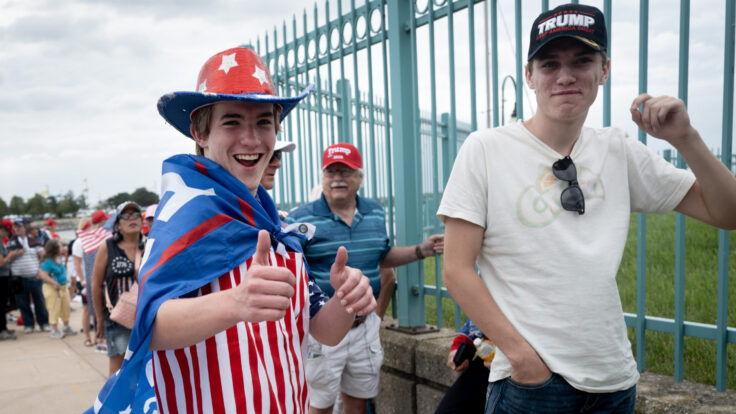
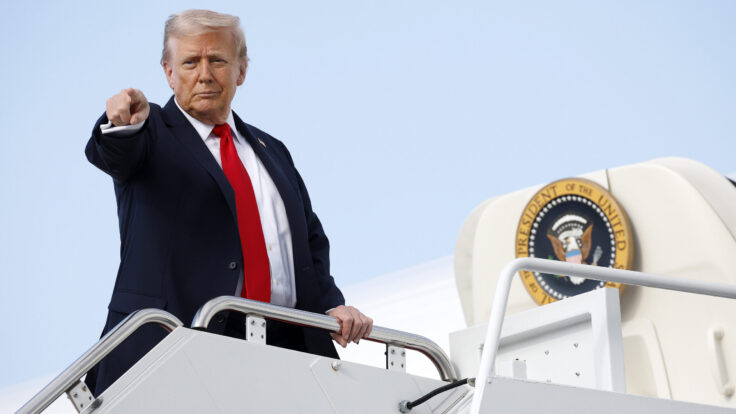
| Eggheads on the left roll their eyes at all this, but celebrity-style fame has always mattered more in politics than official Washington would like to admit. Trump, in particular, is still a genuine rock star on the conservative side of culture—even if he is mostly playing the hits—showing up at UFC fights with Dana White, going on Logan Paul’s podcast, snagging endorsements from rappers who like his felonious rap sheet. (50 Cent recently said he respects Trump because of his “RICO charges.”) He is an attention merchant of the purest form. Trump, for better and for worse, is permanently viral.
Biden, meanwhile, is fundamentally an afterthought in America’s pop culture matrix, which has little use for him unless there’s a video clip of him looking old or falling down. He might own the presidential bully pulpit—and sure, there are the memes of Biden driving his corvette, or licking an ice cream cone in his aviators—but more than any presidential candidate I can remember, Biden badly needs validators. In his first term, some of the White House’s best events were the product of other celebrities doing the work: Olivia Rodrigo pushing Covid shots, the cast of Ted Lasso promoting mental health awareness, Matthew McConaughey at the briefing room podium emotionally demanding new gun laws after the Uvalde shooting. It’s hard to imagine Biden cutting through in those moments without some celebrity juice.
None of these observations are new. Trump has been famous forever. Biden has struggled to capture hearts over minds. What is new in 2024 is that Biden is running for reelection—and governing—in a rapidly evolving media landscape where fame and celebrity are ambiguously defined, fleeting, niche, and extremely subjective. Even the sources of information themselves are disappearing as fast as they arrive. A misleading TikTok clip attacking Biden could generate millions of views and then evaporate before the rest of us knew it was there. Indeed, the 2024 media environment isn’t just different from 2020, it’s different from 2022.
The task for Biden’s team in this landscape is particularly difficult because his support has waned among the very groups—younger voters overall, and younger Black and Hispanic men more acutely—who get their information about politics almost entirely from social media, where Biden has no aura at all. How does a presidential campaign break through with a message—or even just keep up? |
|
|
| Political strategists in both parties differ on whether celebrity endorsements actually matter. Bruce Springsteen wasn’t on the ballot when he was playing campaign rallies back in 2004. John Kerry was. But smarter campaigns leverage them for tangible tactical purposes. Hillary Clinton’s campaign pooh-poohed Oprah’s endorsement of Obama before the Iowa caucuses and South Carolina primary back in 2007 as a predictable earned-media play. Obama’s primary campaign, though, required that rally-goers hand over their phone numbers and emails to get a ticket to see Oprah at those campaign events, and added them to their call and door-knock lists, a pioneering move at the time. That same cycle, Sarah Palin’s appeal to working-class whites attracted red state celebs like Hank Williams Jr. and Gretchen Wilson, helping John McCain rally support among cultural conservatives who were skeptical of him.
During his campaign and presidency, Obama’s celebrity appeal was almost comical at times. The White House Correspondents’ Dinner became a spectacle of Hollywood ass-kissing, with A-listers of all stripes making the spring pilgrimage to Washington to party and watch Obama roast and toast the press. Kim Kardashian, Bradley Cooper, the Jonas brothers, the Dos Equis guy. They were all there. Obama had pop culture by the balls.
Those days are gone for Democrats. I texted a few friends earlier this month and asked them to name the most famous person they could think of supporting Biden. Someone said George Clooney. Maybe John Legend? It was a struggle. Yes, those people are famous. But they aren’t getting Gen Z to cast a ballot in Atlanta. I sent that text after the queer pop star Chappell Roan, currently blowing up with Gen Z, told a crowd that she apparently turned down an invite from the White House to appear at a Pride event. “We want liberty, freedom, and justice for all,” she said. “When you do that, that’s when I’ll come.” More than a few Democrats I showed that quote to groaned. Would Trump be better than Biden for the LGBTQ+ community? Seriously?? But there was a hint of frustration, too, because Chappell Roan is precisely the kind of buzzy young validator Biden needs to convince skeptical Zoomers to vote for him.
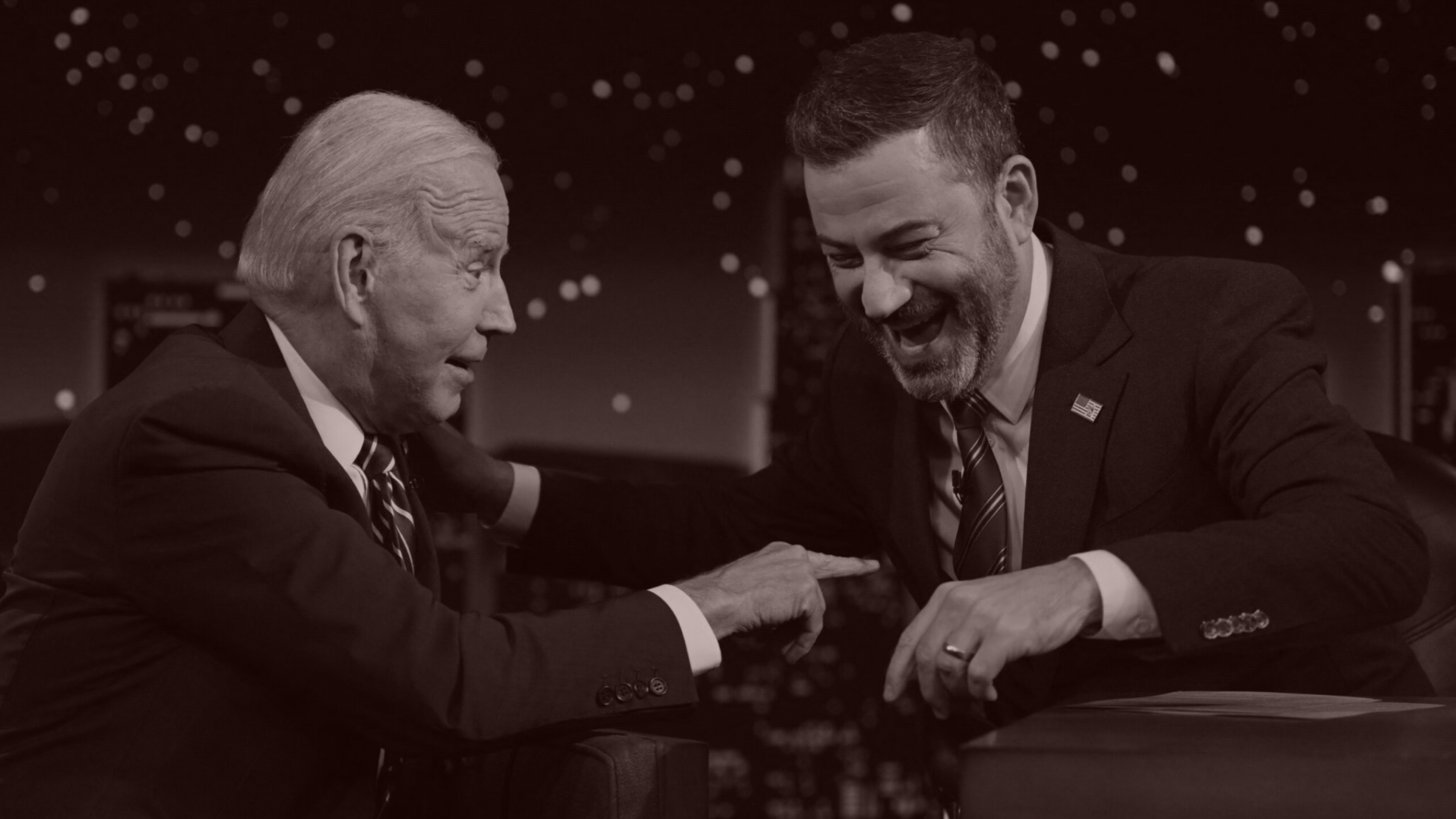
But while Biden might not be swarmed by thirsty celebrities and influencers, he’s not an afterthought. The passion just feels like it’s been replaced by pragmatism, with famous people rallying to Biden’s side because he’s the Democrat running against Trump, the choice they have, whether they love him or not. That was the vibe recently at two massive fundraisers for Biden, one in New York and the other in Los Angeles, which featured celebs like Clooney, Julia Roberts, Jimmy Kimmel, and Stephen Colbert—and of course, Barack Obama. Each fundraiser banked around $30 million for the campaign. Again: a tactical use of celebrity power.
For all the talk of rappers coming out to support Trump, many were doing the same back in 2020, with some appearing at MAGA rallies. That includes Lil Pump, whom Trump mistakenly called “Lil Pimp,” a reminder that the Republican nominee is also an old man who came of age in a different time. (According to Axios, Trump listens to “golden oldies” when he’s controlling the speakers down at Mar-a-Lago, and his favorite artists are people like Andrew Lloyd Webber, Lionel Richie, and Elvis. Brat won’t make the playlist anytime soon.)
Hip-hop endorsements or not, Biden still cruised with Black voters in 2020, neutering the “Rappers for Trump” narrative that Republicans were peddling to reporters at the time and still do today. And when Biden won that November, it was common to hear YG’s “Fuck Donald Trump” thumping from cars and windows as celebrations around the country. Since then, though, Biden has seen obvious erosion with younger Black voters in polls, a slide the campaign is aware of and working to fix—including with, yes, rappers. For instance, the hip-hop artist Quavo—who is far more popular with young people than the 48-year-old 50 Cent—recently appeared with Vice President Kamala Harris at an event in Georgia focused on gun violence. |
|
|
| In my conversations with the White House and the Biden campaign, they are well aware that Biden isn’t exactly a pop culture phenomenon. You don’t need to be a Vulture writer to figure that out. What they’re trying to do is convince reporters—and worried Democrats—that the concept of fame is not what it once was. It’s distributed, it’s narrow, and the campaign has built a new kind of communications strategy designed to reach different audience clusters with targeted messages, rather than trying to compete with Trump for overall attention or beg for endorsements from Taylor Swift or Beyoncé. After all, as my colleague John Heilemann discussed with Biden’s campaign chair Jen O’Malley Dillon over the weekend, this is a race for six percent of voters in just six battleground states.
Biden’s deputy campaign manager Rob Flaherty, a longtime digital strategist, told me that they’re trying to be surgical about using artists and creators with deep connections to their communities, to push certain messages through their channels. Polls continue to show that under-30 voters are aligned with Biden on a range of issues—abortion rights, climate investments, social justice, gun reform—even if they aren’t hyped about the nominee. “Our campaign is drawing on organic support for President Biden from people who are trusted messengers in communities across the country,” Flaherty said. “In a fragmented media environment, we are working creatively, thoughtfully, and relentlessly to reach voters where they are and remind them that President Biden has been fighting for them and delivering. Trump is too consumed by his quest for revenge to catch up.”
In other words, the Biden team is counting on the emerging power of micro-fame to convince skeptical young people. For every Clooney endorsement aimed at a Gen X mom, there might be 100 creators like Lexi Underwood, Damian Terriquez, or Matt Friend, actors and influencers and comedians who have amassed devoted followings across platforms like TikTok, Instagram, YouTube, and Snapchat. The campaign says they have partnered with more than 550 such creators to date, and created first-of-their-kind “digital persuasion” staff roles to help make up for whatever organic “cool” factor that Biden lacks with the kids.
The campaign might also have slightly less work to do than we think: Over the weekend, CBS and YouGov released an oversample of young voters from their most recent poll, finding that Biden is winning among 18-29 year olds, 61 percent to Trump’s 38 percent, essentially the margin Biden won by four years ago. But as Flaherty and other Democrats have said before, the choice of the election for young voters isn’t necessarily between Biden and Trump—it’s between Biden and the couch. |
|
|
|
| FOUR STORIES WE’RE TALKING ABOUT |
 |
|
 |
|
 |
|
 |
| More WaPo Tremors |
| Revealing a new ethical wrinkle in the paper’s nightmare. |
| DYLAN BYERS |
|
|
|

|
 |
|
|
|
Need help? Review our FAQs
page or contact
us for assistance. For brand partnerships, email ads@puck.news.
|
|
You received this email because you signed up to receive emails from Puck, or as part of your Puck account associated with . To stop receiving this newsletter and/or manage all your email preferences, click here.
|
|
Puck is published by Heat Media LLC. 227 W 17th St New York, NY 10011.
|
|
|
|