Notes on the A.I. Jobpocalypse, G.O.P. Shutdown Strategery, Sotheby’s
Lichtensteinophilia
|
Welcome back to The Daily Courant, your digital guide to Puck’s best new reporting.
First up today,
Eriq Gardner digs into the eye-popping criminal case against filmmaker Carl Rinsch, who allegedly squandered $55 million of Netflix’s money for personal indulgences and investments. Was Rinsch a delusional auteur undone by psychosis? Or a calculated grifter who should have the book thrown at him? Either way, the outcome could have major implications for how prosecutors approach white-collar enforcement in Hollywood.
Plus, below the fold: Ian
Krietzberg corrects the alarmist narrative that A.I. will displace the entire workforce. Peter Hamby and John Heilemann consider how Democratic ’28 hopefuls are countering Trump’s “crime wave” enforcement. Marion Maneker crunches the numbers on Sotheby’s upcoming blockbuster Lichtenstein midseason sales. Sarah Shapiro appraises Lili Chemla’s self-funded $20 million
“anti-basics” basics brand. And exclusively for Inner Circle members, Julia Alexander and Octagon exec William Mao get to the bottom of YouTube’s live sports ambitions.
Meanwhile, on the pods: Leigh Ann Caldwell and Abby Livingston preview a particularly bustling September in D.C. as Congress barrels toward a potential shutdown on The Powers That Be. Dylan Byers invites former Paramount executive
Andrew Rosen to The Grill Room to compare the Times’s and ESPN’s business philosophies. And on The Varsity, John Ourand and Jon Kelly ponder whether MLB’s golden age may be gone for good. |
|
|

| Eriq Gardner
|
|
Is Carl Rinsch, the erratic auteur behind a big-budget unfinished Netflix series, a calculating grifter who should spend 90 years in
prison? Or is he merely a cautionary tale about reckless producing, ambitious prosecution, and the pitfalls of becoming a John Carreyrou protagonist? |
|
|

| Ian Krietzberg
|
|
Another new academic paper adds some nuance to the dystopian narrative that A.I. is coming for all of our jobs. As usual, the truth is
more complex and, frankly, uncertain. |
|
|
A MESSAGE FROM OUR SPONSOR |
This is how bp does natural gas. bp
supports ~300,000 US jobs. Like the construction, engineering and technology jobs that built our new centralized processing facilities in Texas. These help us produce more natural gas while also reducing our operational emissions. See all the ways bp is
investing in America. |
|
|

| Peter Hamby
|

| John Heilemann
|
|
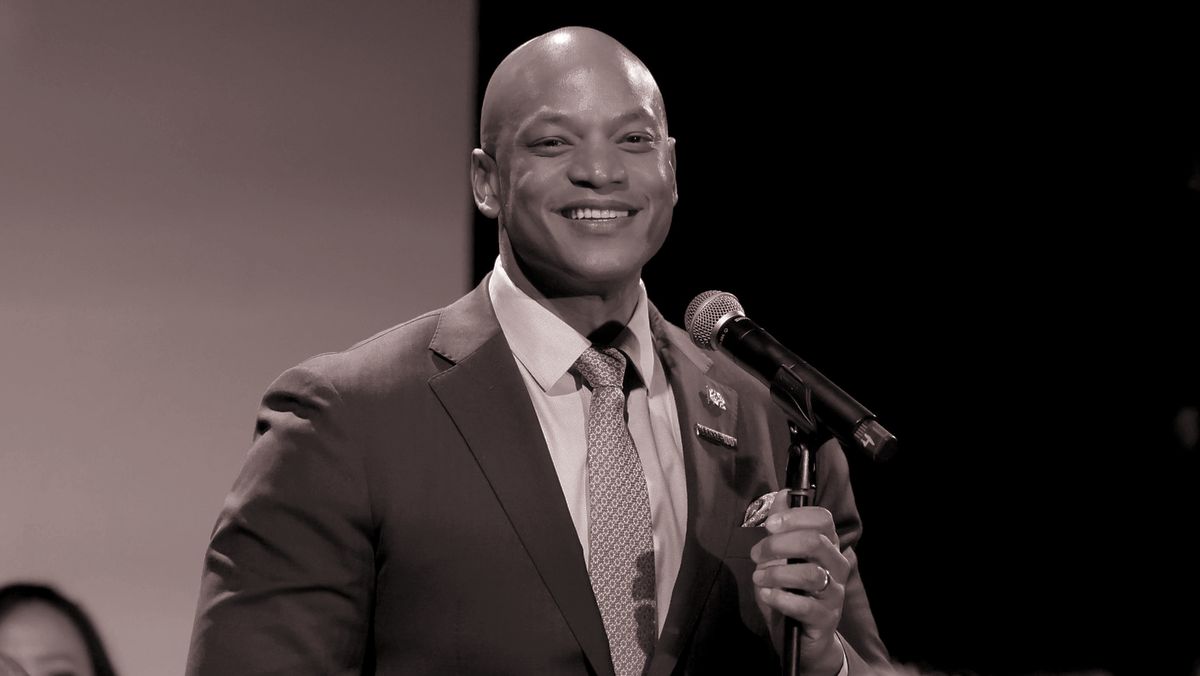
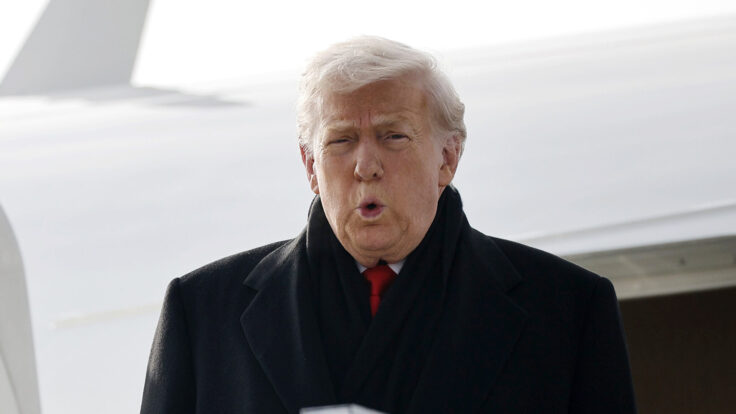
The president’s vow to send National Guard troops into blue cities beyond D.C. has Democrats on the back foot, even as Gavin and JB (and
Wes Moore, and Josh Shapiro…) are jockeying for position as the face of the resistance. |
|
|

| Marion Maneker
|
|
The pop artist’s works are enjoying a buying renaissance as the estate works with Sotheby’s to strategically bring them to sale.
Meanwhile, the strength of the market for his lower-priced works is enticing younger buyers and reinforcing the health of the broader market. |
|
|

| Sarah Shapiro
|
|
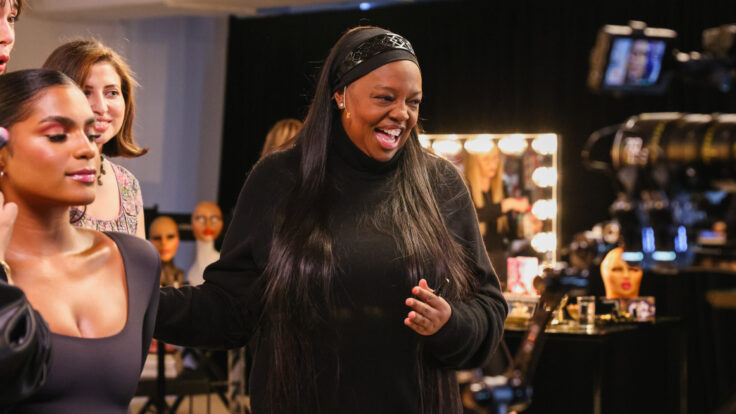
How Lili Chemla built a self-funded, $20 million basics brand in the “grey space” between loungewear and luxury—a category that has
exploded as customers seek out The Row look-alikes for one-tenth the price. |
|
|

| Julia Alexander
|
|
Nothing produces more sports media agita than YouTube, whose sports endgame remains a mystery. But former YouTuber turned Octagon
executive William Mao has some ideas about what might be coming next. |
|
|

| Leigh Ann Caldwell
|

| Abby Livingston
|
|
Abby Livingston joins guest host Leigh Ann Caldwell to preview a frenetic month ahead in Washington as Congress barrels toward a
government-funding deadline less than 30 days away. They also weigh how Iowa Republican Senator Joni Ernst’s retirement could scramble the G.O.P.’s future, and lay out the emerging midterm road map for both parties. |
|
|
A MESSAGE FROM OUR SPONSOR |
This is how bp invests in America. bp
added $190+ billion to the US economy over the last three years. From people working to produce oil and gas in the Gulf of America and Permian Basin, to investments in refining and bioenergy projects nationwide, and so much more, see all the ways bp is investing in
America. |
|
|

| Dylan Byers
|
|
Andrew Rosen, the former Paramount executive and founder of Parqor, connects with Dylan to break down the divergent digital strategies of
The New York Times and ESPN. While the Times is precise and leans into product design tailored to specific consumer habits, ESPN continues to chase mass scale and broad reach. Rosen argues that ESPN’s model risks leaving engagement on the table—and makes the case for a more personalized, fan-first approach, à la the Times and The Athletic. |
|
|

| John Ourand
|
|
Jon Kelly joins John to map the many fault lines in today’s sports media landscape, from cable’s slow bleed to the sports-rights land grab
by streamers like Netflix and Amazon. They also dig into YouTube’s NFL experiment in Brazil and why MLB’s golden age may be gone for good. |
|
|
Need help? Review our FAQ page or contact us for assistance. For brand partnerships, email ads@puck.news. You received this email because you signed up to receive emails from Puck, or as part of your Puck account associated with {{customer.email}}. To stop receiving this newsletter and/or manage all your email preferences, click here. |
Puck is published by Heat Media LLC. 107 Greenwich St, New York, NY 10006 |
|
|
|