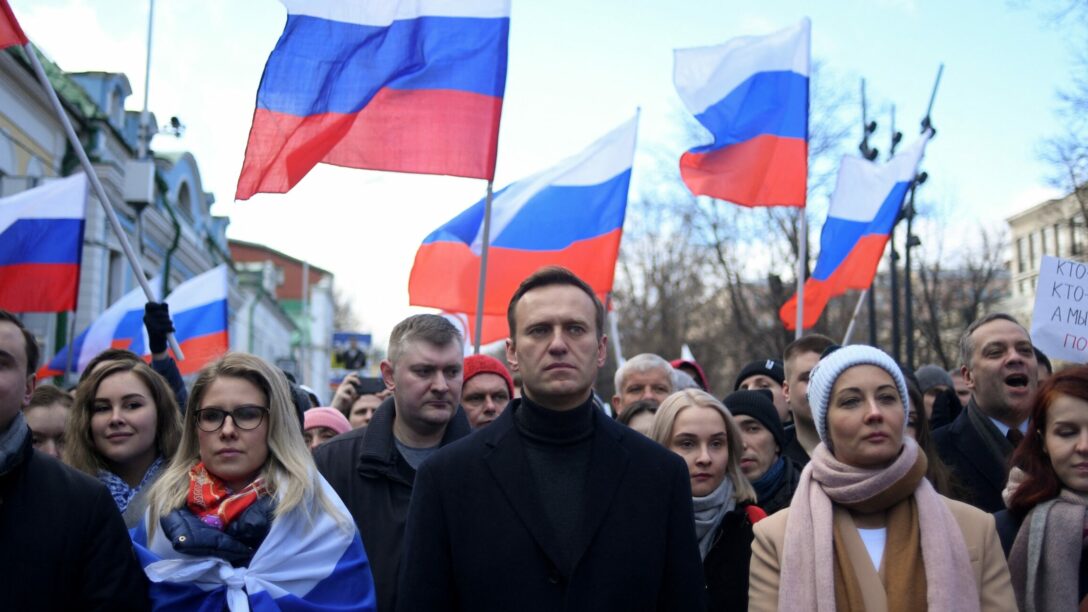
On Friday, they buried Alexey Navalny, and despite the risk, tens of thousands of people came out to bid him farewell, turning his funeral into the biggest protest Russia had seen since the full-scale invasion of Ukraine two years ago. Many went despite the prospect of arrest. One Muscovite told me his wife packed a bag for jail, assuming she would be detained. “It was scary,” another recalled. “These guys will hit you on the head, lock you up somewhere.” But staying home was not an option for this person. It wasn’t just that Vladimir Putin had killed the leader of the opposition, someone that this Muscovite, a friend of mine, had admired and followed for years. It was that killing Navalny was only the latest thing Putin had done—after eliminating any vestiges of democratic elections and a free press, after invading and destroying Ukraine, after turning Russia into a pariah state—and it was time for my friend to show their discontent. “Let these bastards see that we’re not happy, that we don’t agree,” the friend said, a mood they saw reflected in the crowd. “People weren’t crying anymore. There was more anger, like, what are these bastards doing?”
Moscow After Navalny

Julia Ioffe
March 6, 2024